Why Are Chihuahuas So Aggressive? 7 Ways to Manage

Ever been nipped by a pint-sized pup with an oversized attitude? You’re not alone. Chihuahuas, despite their diminutive stature, have earned a reputation as one of the most aggressive dog breeds. Surprisingly, a recent study even suggests that Chihuahuas may display more aggressive tendencies than Pit Bulls. But why are Chihuahuas perceived as so mean? Is it nature, nurture, or something else entirely? Let’s unpack the mystery behind these feisty furballs and explore what’s really driving their seemingly outsized aggression.
Factors Contributing to Chihuahua Aggression
- Lack of Proper Training and Socialization
One of the primary reasons Chihuahuas may display aggressive behavior is a lack of proper training and socialization. The first seven weeks of a Chihuahua puppy’s life are crucial for social development. Unfortunately, many owners neglect to train their Chihuahuas or socialize them adequately, often due to their small size.

Early socialization is key to preventing aggression in Chihuahuas. Exposing them to various people, animals, and environments can help them become well-adjusted adults. Without proper socialization, Chihuahuas may become fearful or defensive in new situations, leading to aggressive responses.
- Fear-Based Aggression
Chihuahuas are small dogs in a big world, which can naturally lead to fear-based aggression. Their tiny stature makes them more vulnerable to injury, causing them to react defensively when they feel threatened. Common triggers for fear-based aggression in Chihuahuas include:
- Larger animals
- Rough handling
- Loud noises
- Unfamiliar environments
It’s important to note that fear in dogs can increase with age, regardless of breed. This means that even a well-socialized Chihuahua may become more fearful and potentially aggressive as they get older.
- Protective Nature
Chihuahuas are known for forming strong bonds with their owners. This deep attachment can lead to protective behavior, which may manifest as aggression towards strangers or other pets. Chihuahuas may become possessive of their owners, toys, food, or sleeping areas, leading to aggressive displays when they perceive a threat to these resources.
- Genetic Factors
While not all Chihuahuas are inherently aggressive, genetic factors can play a role in a dog’s temperament. Poorly bred Chihuahuas may be more prone to aggressive tendencies. It’s estimated that genetics account for about 35% of a dog’s personality, while socialization and training make up the remaining 65%.
When adopting a Chihuahua, it’s beneficial to learn about the temperament of the dog’s parents if possible. This can give you an idea of what to expect in terms of personality traits.
- Past Trauma or Negative Experiences
Like humans, dogs can suffer from past traumatic experiences. Rescue Chihuahuas or those who have had multiple owners may carry emotional baggage from negative past experiences. This can manifest as aggressive behavior, especially in situations that remind them of past traumas.
- Small Dog Syndrome
“Small Dog Syndrome” is a term used to describe behavioral issues that are more common in smaller dog breeds. This can include excessive barking, jumping, and aggressive behavior. Often, these behaviors are inadvertently encouraged by owners who find them cute or harmless due to the dog’s small size. However, allowing such behavior can lead to a poorly behaved and potentially aggressive adult dog.
Managing and Reducing Chihuahua Aggression
While Chihuahuas can display aggressive tendencies, it’s important to remember that not all Chihuahuas are inherently mean or aggressive. With proper care, training, and understanding, many of these issues can be managed or prevented. Here are some strategies for dealing with Chihuahua aggression:
- Proper Training and Socialization
Consistent training and socialization from an early age are crucial. Treat your Chihuahua as you would a larger dog breed when it comes to training. Use positive reinforcement techniques to encourage good behavior and expose your Chihuahua to a variety of people, animals, and environments in a controlled and positive manner.
- Regular Exercise
Despite their small size, Chihuahuas need regular exercise to stay healthy and balanced. Aim for at least 30 minutes of daily exercise, which can include walks, playtime, or interactive toys. Adequate exercise helps prevent boredom and reduces excess energy that could otherwise lead to destructive or aggressive behavior.
- Mental Stimulation
Chihuahuas are intelligent dogs that need mental stimulation to stay happy and well-behaved. Provide puzzle toys, training sessions, and varied experiences to keep their minds engaged. A mentally stimulated Chihuahua is less likely to develop behavioral issues.
- Create a Safe Space
Provide your Chihuahua with a safe space where they can retreat when feeling overwhelmed or anxious. This could be a crate or a specific area in your home where the dog feels secure. Respect this space and teach others to do the same.
- Professional Help
If your Chihuahua displays persistent aggressive behavior, don’t hesitate to seek help from a professional dog trainer or behaviorist. They can provide tailored advice and techniques to address your specific situation.
- Health Check-ups
Sometimes, sudden aggression in a normally calm Chihuahua can be a sign of an underlying health issue. Regular vet check-ups are important, and any sudden behavioral changes should be discussed with your veterinarian.
- Patience and Consistency
Changing behavioral patterns takes time and consistency. Be patient with your Chihuahua and maintain a consistent approach to training and behavior management.
Related reads:
What to Know About Doberman Pinschers [2024]
Understanding Chihuahua Body Language
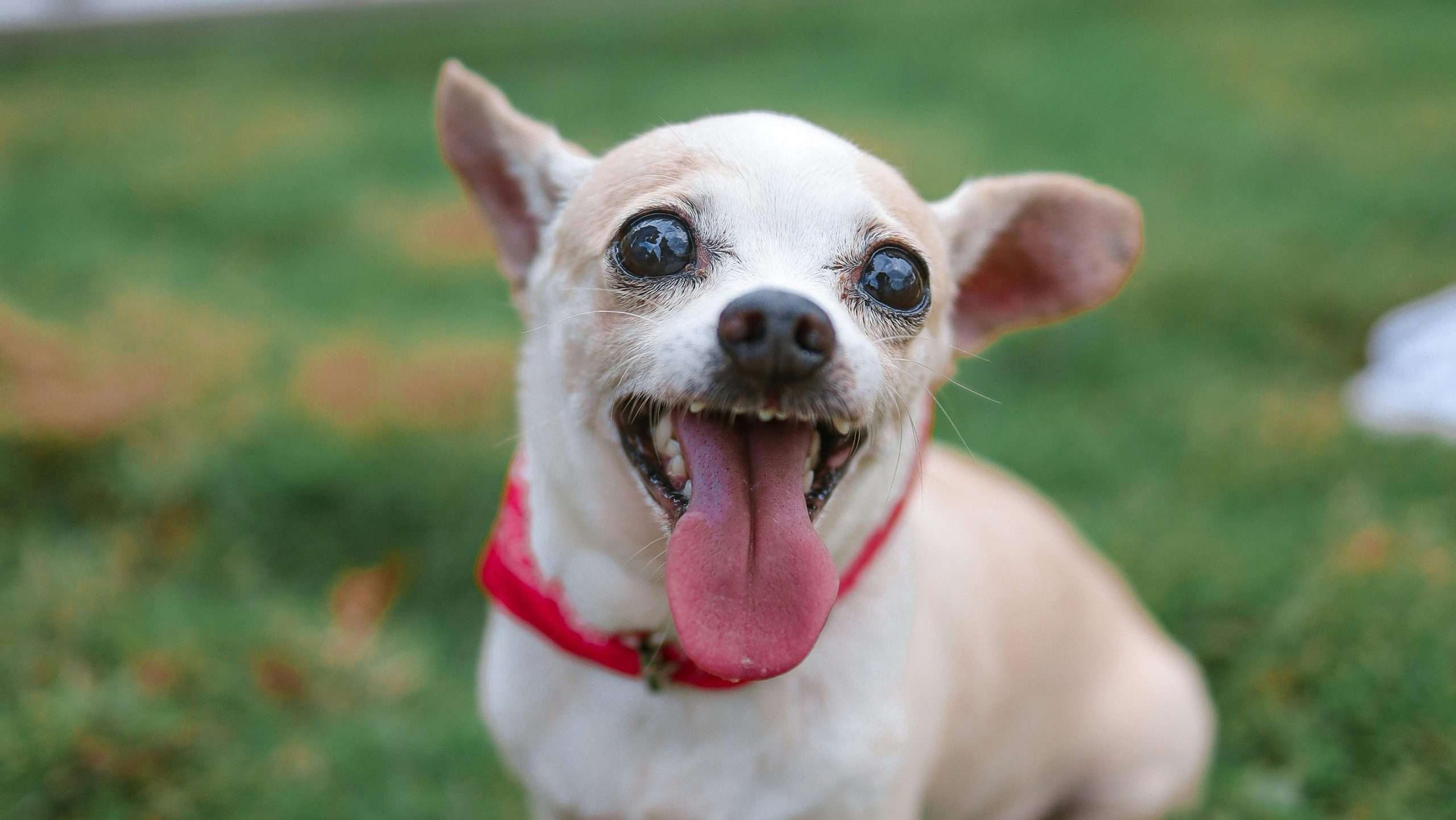
Learning to read your Chihuahua’s body language can help you identify and prevent potential aggressive outbursts. Signs of stress or discomfort in Chihuahuas may include:
- Whale eye (showing the whites of their eyes)
- Lip licking
- Yawning
- Tucked tail
- Raised hackles
- Growling or snapping
By recognizing these signs early, you can remove your Chihuahua from stressful situations before they escalate to aggressive behavior.
The Importance of Responsible Ownership
Ultimately, the behavior of a Chihuahua, or any dog, is largely influenced by its upbringing and environment. Responsible ownership is key to raising a well-behaved Chihuahua. This includes:
- Providing proper training and socialization
- Meeting the dog’s physical and mental exercise needs
- Offering a balanced diet and regular health care
- Showing consistent leadership and setting clear boundaries
- Treating the Chihuahua with respect and kindness
Saying Goodbye!
While Chihuahuas have a reputation for aggression, this is not an inherent trait of the breed. Many factors can contribute to aggressive behavior, including lack of socialization, fear, and past experiences. With proper training, socialization, and care, Chihuahuas can be loving, loyal, and well-behaved companions. By understanding the root causes of aggression and taking proactive steps to prevent and manage it, Chihuahua owners can help their small but mighty pets become confident, sociable, and happy family members.
FAQs
Are all Chihuahuas aggressive?
No, not all Chihuahuas are aggressive. With proper training and socialization, many Chihuahuas can be friendly and well-adjusted. Each dog’s temperament depends on genetics, upbringing, and environment.
How can I stop my Chihuahua from being aggressive towards strangers?
Focus on early socialization and positive reinforcement training. Expose your Chihuahua to various people in positive situations. For severe cases, consult a professional dog trainer or behaviorist.
Can an aggressive Chihuahua be rehabilitated?
Yes, in most cases. Improvement requires patience, consistency, and identifying the root cause of aggression. With dedication and the right approach, many aggressive Chihuahuas can become more relaxed and sociable.

![Are Golden Retrievers Smart? [2024]](https://100dogbreeds.com/wp-content/uploads/2024/09/Golden-retriever-featured-768x512.jpg)