What You Need to Know About Great Danes

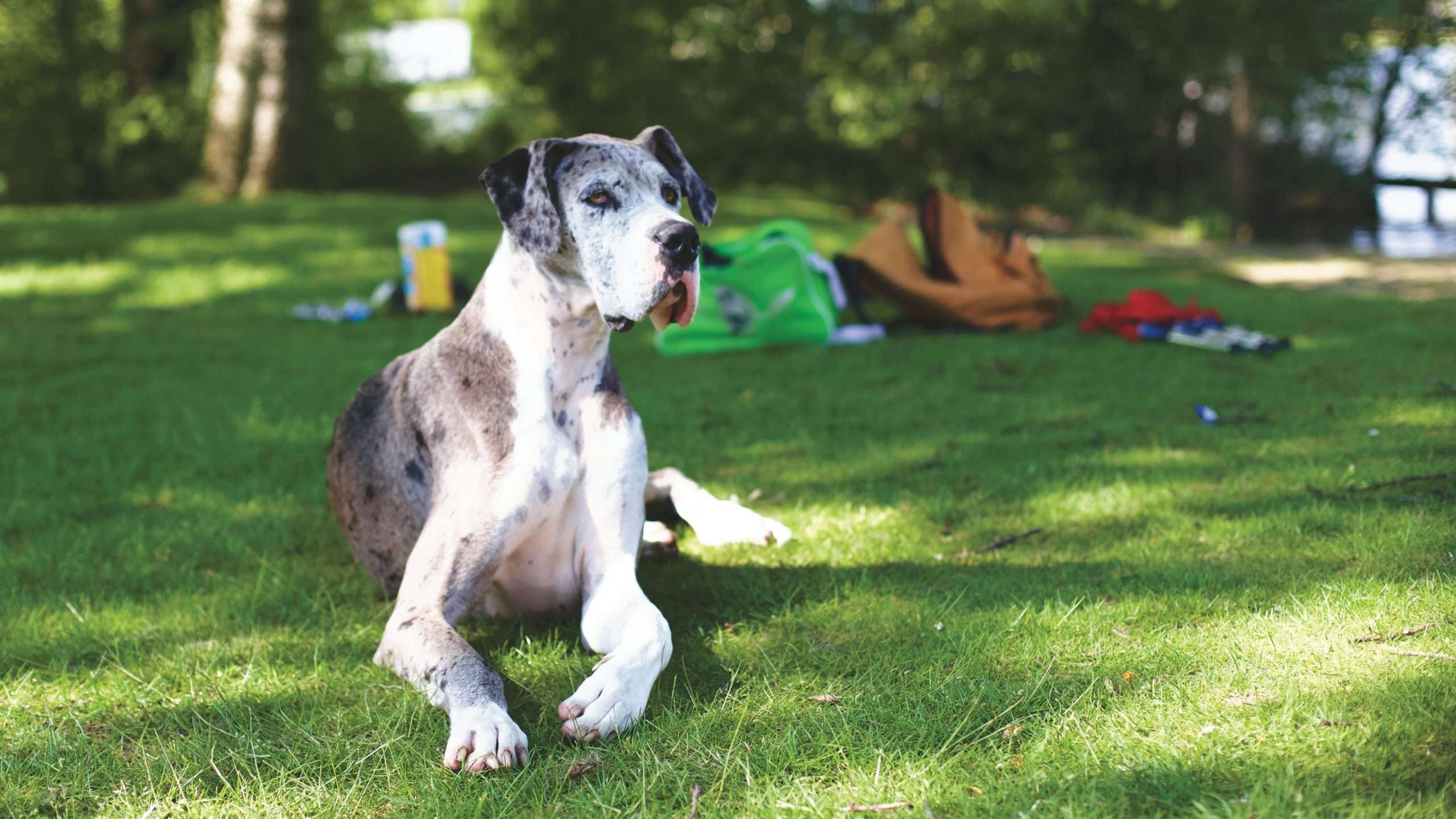
Great Danes are often called the “Apollo of Dogs,” and for good reason. These gentle giants are among the tallest dog breeds in the world, embodying a unique combination of elegance, power, and loyalty. Despite their imposing stature, Great Danes are known for their affectionate and calm demeanor, making them beloved family companions. If you’re considering adding a Great Dane to your household, there’s much to learn about their characteristics, care requirements, and overall temperament.
Characteristics of Great Danes
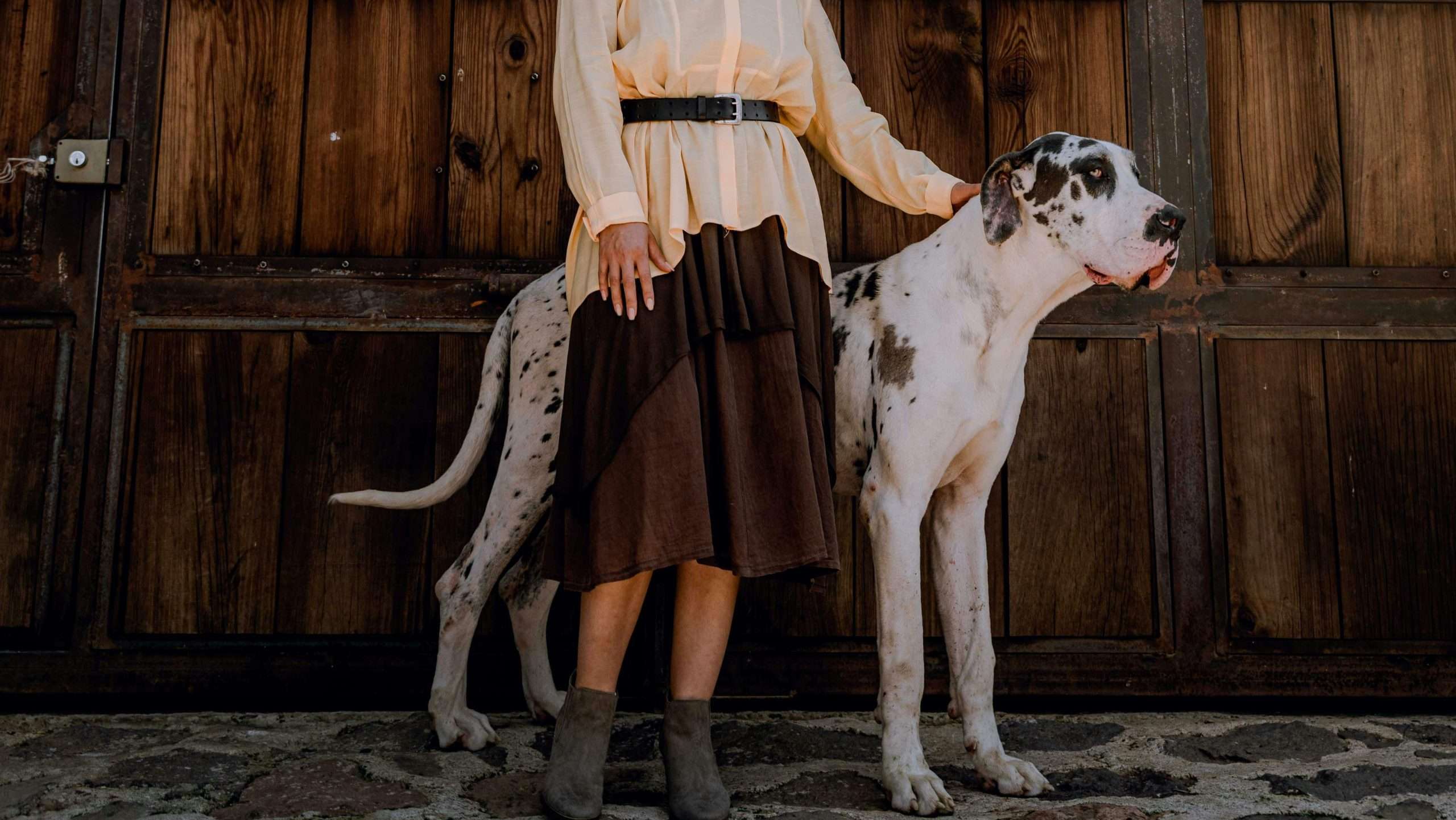
Great Danes are easily recognizable by their towering height and sleek, muscular build. Male Great Danes typically stand between 30 to 34 inches, while females measure 28 to 32 inches. Their weight can range from 120 to 200 pounds for males and 99 to 130 pounds for females.

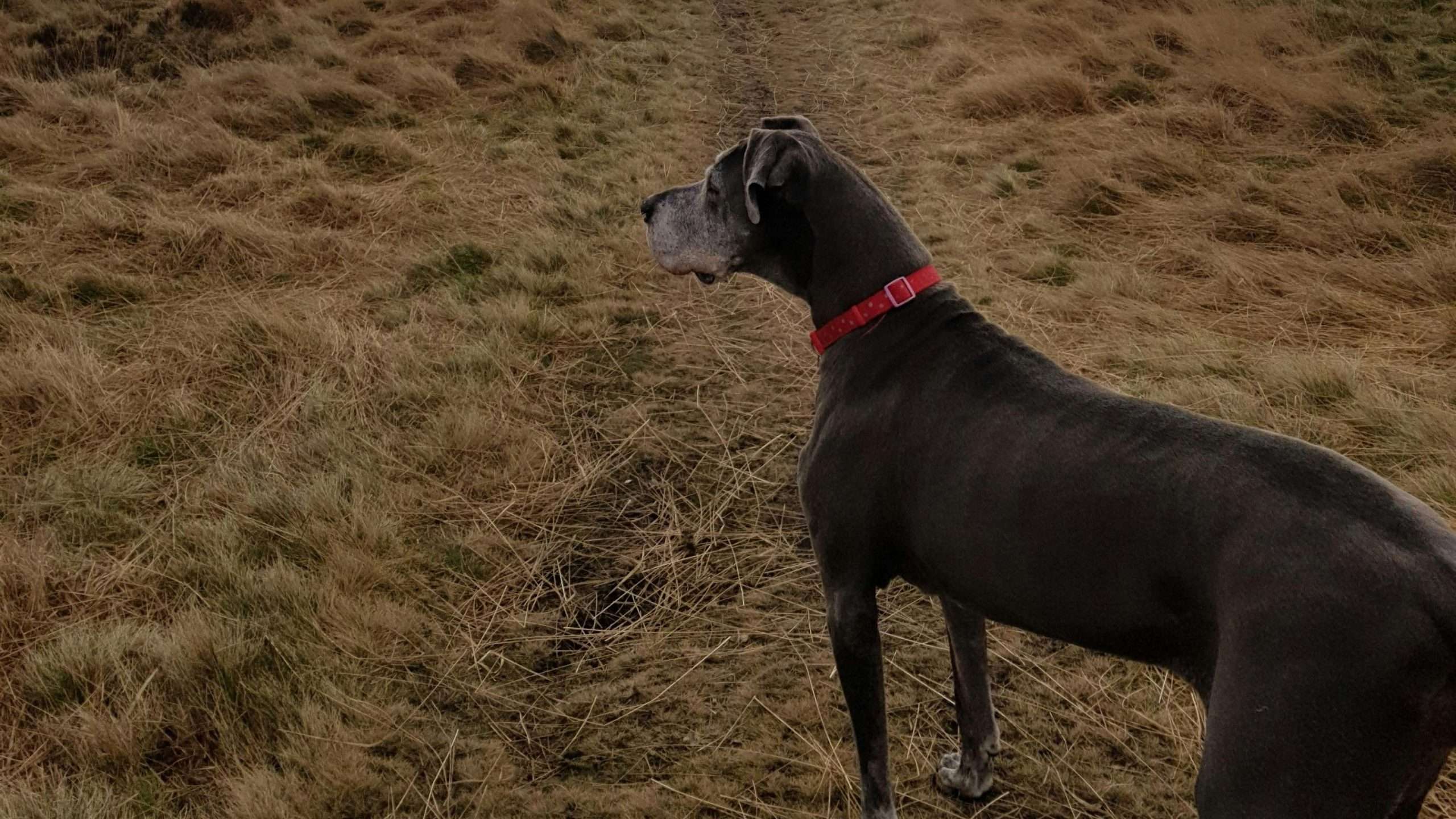
Their short, smooth coat comes in a variety of colors and patterns, including black, blue, fawn, brindle, harlequin, merle, and mantle. Despite their massive size, Great Danes are known for their gentle, friendly, and loving temperament. They’re often described as “gentle giants” due to their calm and easygoing nature.
Temperament and Behavior
Great Danes are excellent with children and tend to get along well with other pets, especially when properly socialized. Their affectionate personality makes them loyal family members who thrive on human companionship. However, their size can sometimes lead to accidental bumps or knockdowns, especially with small children, so supervision is essential.
History of the Great Dane
Despite their name, Great Danes are not Danish in origin. They trace their roots back to Germany, where they were originally bred to hunt wild boar. The breed likely descends from mastiff-like dogs and Irish wolfhounds, giving them their unique combination of strength and elegance.
In the 19th century, German breeders shifted the Great Dane’s role from a hunter to a companion and watchdog. Over time, they worked to refine the breed’s temperament, resulting in the calm, friendly dogs we know today.
Training and Socialization
Training a Great Dane is essential due to their size and strength. Without proper training, their sheer size can make them difficult to manage. Start obedience training early to establish boundaries and ensure your Dane grows into a well-mannered adult.
Socialization
Early socialization is crucial for Great Danes. Exposing them to a variety of people, places, and experiences as puppies helps them develop into confident and well-adjusted dogs.
Leash Training
Given their size, leash training is non-negotiable. A Great Dane that pulls on the leash can be challenging to control, so teaching them to walk politely on a leash should be a priority.
Exercise Needs
While Great Danes are not as high-energy as some breeds, they still require daily exercise to stay healthy and prevent boredom.
Puppy Exercise
For Great Dane puppies, avoid activities that put stress on their growing joints, such as jumping or long runs. Gentle walks and play sessions are ideal until they’re at least 18 months old.
Adult Exercise
Adult Great Danes benefit from daily walks and playtime. On average, they need about 1–2 hours of exercise per day. Activities like obedience training, agility, or even casual games of fetch can help keep them physically and mentally stimulated.
Grooming a Great Dane
Great Danes have a short, low-maintenance coat, but their size means grooming still requires some effort.
Brushing
Weekly brushing helps keep their coat healthy and reduces shedding. During shedding seasons (spring and fall), you may need to brush more frequently to manage loose hair.
Bathing
Bathing is typically needed once or twice a month unless they get particularly dirty. Use dog-specific shampoo to avoid irritating their skin.
Nail Trimming and Dental Care
Regular nail trimming is essential to prevent discomfort and potential mobility issues. Additionally, brushing their teeth a few times a week helps maintain good oral hygiene and prevents gum disease.
Diet and Nutrition
Feeding a Great Dane requires careful planning to support their large size and prevent health issues like bloat.
Puppy Nutrition
Great Dane puppies should be fed a diet specifically formulated for large-breed puppies to ensure they grow at a healthy rate. Rapid growth can lead to joint and bone problems later in life.
Adult Diet
Adult Great Danes typically consume 6–10 cups of high-quality dog food per day, depending on their size, age, and activity level. Divide their meals into 2–3 smaller portions throughout the day to reduce the risk of bloat.
Preventing Bloat
Bloat, or gastric dilatation-volvulus (GDV), is a life-threatening condition that is common in Great Danes. To minimize the risk, avoid vigorous exercise immediately before or after meals, use slow-feed bowls, and consider preventive surgery if recommended by your veterinarian.
Common Health Issues in Great Danes
Like all breeds, Great Danes are prone to specific health issues. Being aware of these conditions can help you take proactive steps to keep your dog healthy.
- Gastric Dilatation-Volvulus (Bloat): A potentially fatal condition where the stomach twists, cutting off blood supply.
- Hip Dysplasia: A common issue in large breeds, causing pain and mobility challenges.
- Dilated Cardiomyopathy (DCM): A heart condition that can lead to congestive heart failure.
- Wobbler Syndrome: A neurological condition affecting the spine, causing weakness or unsteady movement.
- Elbow Hygromas: Fluid-filled swellings on the elbows, often caused by lying on hard surfaces.
Routine veterinary check-ups and a healthy lifestyle can help mitigate the impact of these issues.
Related reads:
5 Facts about Diabetes in Dogs and Other Common Illnesses
Living with a Great Dane
Great Danes can adapt to various living environments, but their size means they require ample space. While they don’t necessarily need a large house, they do need room to move comfortably. Their long tails can be destructive in tight spaces, so make sure your home is dog-proofed.
Family Companions
Great Danes thrive in households where they can be close to their humans. They are affectionate dogs that prefer to spend their time indoors with their families rather than being left outside.
Saying Goodbye
Great Danes are a breed like no other. Their imposing size is matched only by their loving hearts and gentle souls. While they require specific care and attention, the rewards of owning a Great Dane far outweigh the challenges. With proper training, socialization, and a loving home, these majestic dogs can make a truly remarkable addition to your family.
FAQs About Great Danes
Are Great Danes good family dogs?
Yes, Great Danes are excellent family dogs. Their gentle and friendly nature makes them wonderful companions for both children and adults.
How long do Great Danes live?
The average lifespan of a Great Dane is 6 to 8 years, although some may live longer with proper care.
Do Great Danes shed a lot?
Great Danes shed moderately year-round, with heavier shedding during spring and fall.


![What Can French Bulldogs Eat? A Detailed Guide [2024]](https://100dogbreeds.com/wp-content/uploads/2024/09/French-bulldog-eat-featured-768x432.jpg)