When Is the Best Age to Breed Dogs: A Comprehensive Guide


Are you unknowingly risking your dog’s health and future generations by breeding at the wrong time? What is the best age to breed dogs? Breeding dogs is a complex journey fraught with potential pitfalls that can devastate both canine and breeder’s hopes. Every year, well-intentioned dog owners make critical mistakes that compromise their dogs’ reproductive health, leading to reduced fertility, genetic complications, and heartbreaking breeding failures.
This comprehensive guide covers everything you need to know about the best age to breed dogs and more, offering veterinarian-backed insights into the optimal reproductive window. Whether you’re a professional breeder or a passionate dog enthusiast, understanding the nuanced timing of canine reproduction could mean the difference between success and potential reproductive disaster.

Understanding Reproductive Maturity – When to Breed Dogs?

Sexual Maturity vs. Physical Development
When considering to breed dogs, it’s crucial to distinguish between sexual maturity and physical development. Sexual maturity occurs when a dog becomes capable of reproducing, while physical maturity refers to the complete growth and development of the dog’s body.
For female dogs, sexual maturity typically begins around 6 months of age, though this varies significantly across breeds. Smaller breeds may reach sexual maturity as early as 6 to 9 months, while larger breeds might take up to 2 years. However, sexual maturity does not automatically mean a dog is ready for breeding.
Related reads:
10 Signs Your Dog is Healthy – Must Know Signs
Best Age to Breed Dogs (For Female)
Optimal Timing for Female Dog Breeding
Most professional breeders and veterinarians recommend waiting until a female dog is fully grown before breeding dogs. For most breeds, this means:
- Small breeds: Around 12-18 months
- Medium breeds: Approximately 18-24 months
- Large and giant breeds: Up to 2 years or slightly beyond
The critical consideration is allowing the female to reach her full physical size and development before carrying a litter. Breeding too early can lead to significant health risks:
- Nutritional strain on an underdeveloped body
- Potential growth stunting
- Increased risk of birthing complications
Fertility Window in Dog Breeding
Female dogs experience a notable fertility decline after 5 years of age. Signs of reduced fertility include:
- Smaller litter sizes
- Less frequent heat cycles
- Increased difficulty conceiving
Best Age to Breed Dogs (For Male)

Male Dog Breeding Considerations
Male dogs have a somewhat different reproductive timeline compared to females. Sexual maturity for males occurs earlier:
- Small breeds: Around 5-6 months
- Large breeds: Up to 2 years
Unlike females, male dogs remain fertile throughout most of their lives. However, their reproductive performance can decline with age, particularly in larger breeds with shorter lifespans.
Key considerations for breeding male dogs include:
- Overall health
- Sperm mobility
- Performance capabilities
- Age-related health conditions
Health Preparations for Breeding Dogs
Pre-Breeding Veterinary Checks
Preparing for dog breeding is akin to preparing for a complex medical mission. A thorough veterinary examination goes beyond a simple check-up, delving into the intricate details of a dog’s reproductive potential.
The physical examination serves as a comprehensive health assessment. Veterinarians meticulously evaluate:
- Cardiovascular system
- Respiratory function
- Musculoskeletal integrity
- Neurological responsiveness
Genetic screening has become an essential component of responsible dog breeding. Advanced testing now allows breeders to:
- Identify potential inherited disorders
- Assess genetic diversity
- Minimize risk of genetic complications
- Make informed breeding decisions
Breed-Specific Breeding Guidelines
Considerations for Different Breed Sizes
Breeding dogs requires understanding breed-specific nuances:
- Small Breed Dog Breeding: Often reach maturity faster, can breed around 12-18 months
- Large Breed Dog Breeding: Require longer developmental periods, typically breed after 2 years
- Giant Breed Dog Breeding: May need even more extended maturation periods
Risks and Responsible Dog Breeding Practices
Potential Complications in Breeding
Dog breeding is not merely a biological process but a profound responsibility that demands comprehensive understanding of potential risks. Irresponsible breeding practices can generate cascading health implications for multiple generations.
Genetic Health Considerations
Genetic disorders represent the most insidious risk in canine reproduction. Unscreened breeding can propagate inherited conditions, creating long-term health challenges for subsequent generations. Professional breeders invest extensively in:
- Advanced genetic screening
- Comprehensive health testing
- Careful mate selection
- Understanding inherited trait transmission
Reproductive Health Challenges
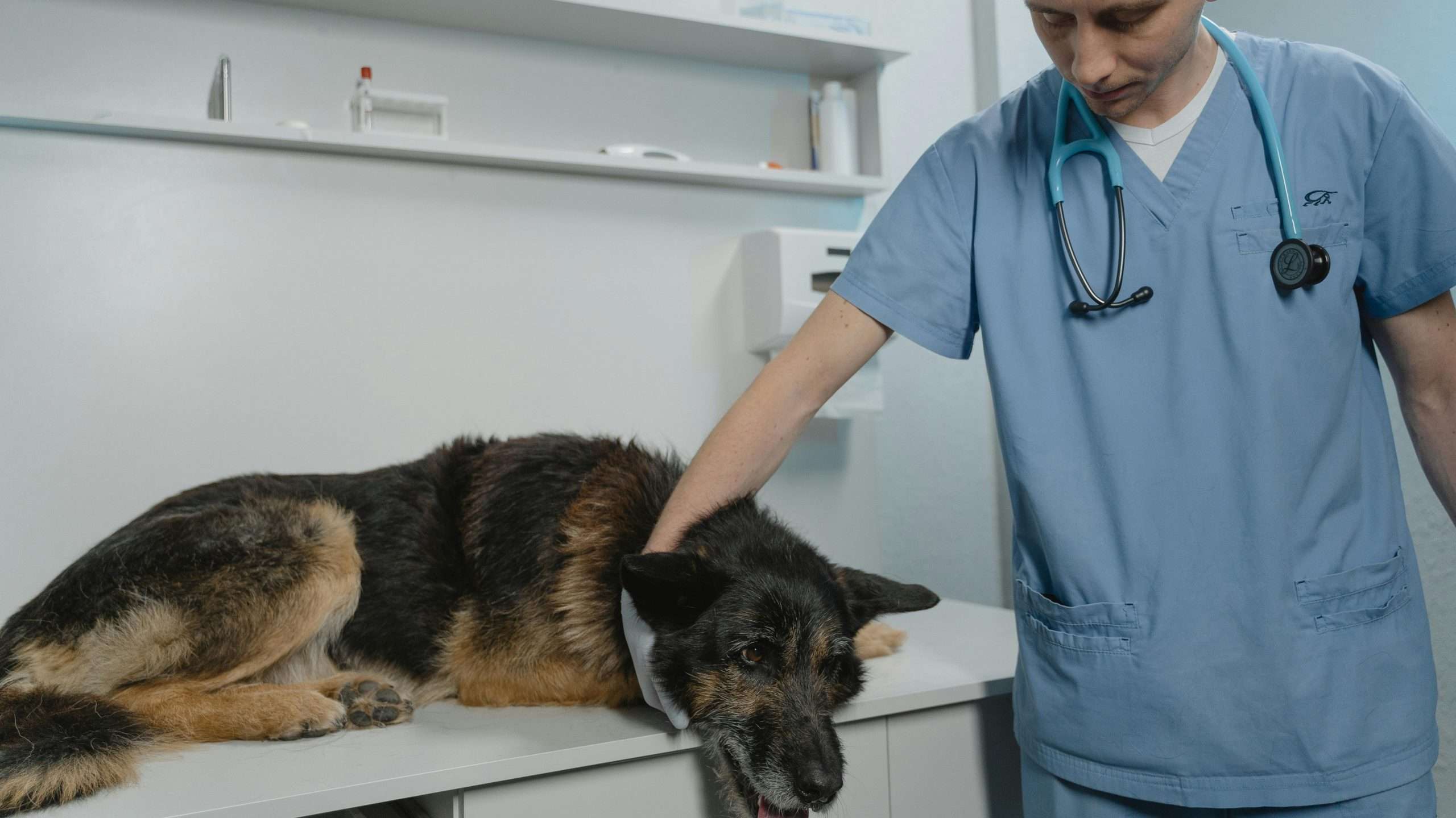
Breeding complications extend beyond genetic considerations. Physical reproductive health involves intricate biological mechanisms that can be disrupted by:
- Improper breeding age selection
- Insufficient health screenings
- Genetic predispositions
- Environmental stress factors
Litter Quality and Viability
The quality of a litter is a direct reflection of breeding practices. Responsible reproduction involves:
- Ensuring optimal maternal health
- Providing exceptional nutritional support
- Managing stress during pregnancy
- Comprehensive veterinary monitoring
Long-Term Implications
The consequences of irresponsible dog breeding can manifest across multiple dimensions:
- Reduced breed vitality
- Increased susceptibility to genetic disorders
- Compromised individual dog health
- Potential breed standard degradation
Responsible dog breeding transcends immediate reproductive success. It represents a commitment to:
- Genetic diversity
- Breed health preservation
- Ethical reproductive practices
- Comprehensive canine welfare
Final Thoughts
Breeding dogs represents a profound commitment to canine welfare and genetic preservation. Successfully navigating the complex landscape of reproduction requires deep understanding, unwavering dedication, and meticulous attention to individual dog health. Professional veterinary guidance serves as the cornerstone of responsible dog breeding, ensuring each breeding decision prioritizes the well-being of both parent dogs and potential offspring.
By carefully evaluating optimal breeding ages, comprehensive health conditions, and nuanced breed-specific characteristics, ethical breeders play a critical role in maintaining genetic diversity and advancing overall canine health. Ultimately, responsible dog breeding transcends mere reproduction, embodying a holistic approach to preserving and enhancing the remarkable genetic heritage of our beloved canine companions.
Frequently Asked Questions About Breeding Dogs
When Is It Safe to Breed a Dog?
The safest breeding age depends on:
Breed characteristics
Individual dog’s health
Physical development stage
Veterinary professional recommendations
How Many Times Can a Dog Breed?
Responsible dog breeding focuses on quality over quantity, with professionals limiting female dogs to 3-4 litters in their lifetime. Male dogs can breed more frequently but require careful monitoring to maintain reproductive health. Ethical breeders prioritize the long-term well-being of their dogs over maximizing litter production. Each breeding event should be approached with careful consideration of the dog’s individual health and genetic potential. Veterinary guidance remains essential in making informed breeding decisions.
How Do Genetics Impact Dog Breeding?
Genetics play a pivotal role in dog breeding, determining inheritance of traits, potential health risks, and breed characteristics. Responsible breeders conduct extensive genetic testing to identify potential inherited disorders and ensure genetic diversity. Understanding a dog’s genetic background helps predict potential health challenges and make informed breeding decisions. Careful mate selection can minimize genetic risks and contribute to producing healthier, more resilient offspring.