Dog Enemies: Do Dogs Have Enemies?

Dogs are often seen as friendly, loyal, and social animals, but that does not mean their lives are free of conflict. Every dog, whether living in a city apartment or a rural home, encounters situations where tension, fear, or rivalry appears. This raises an interesting question. Do dogs really have enemies, or is the idea of dog enemies shaped by instinct, environment, and misunderstanding?
Understanding this topic helps pet parents spot risks early, manage behaviour better, and keep dogs safe. Some threats are real and physical, while others exist mainly in a dog’s perception. Both matter.

What Does “Dog Enemies” Really Mean?
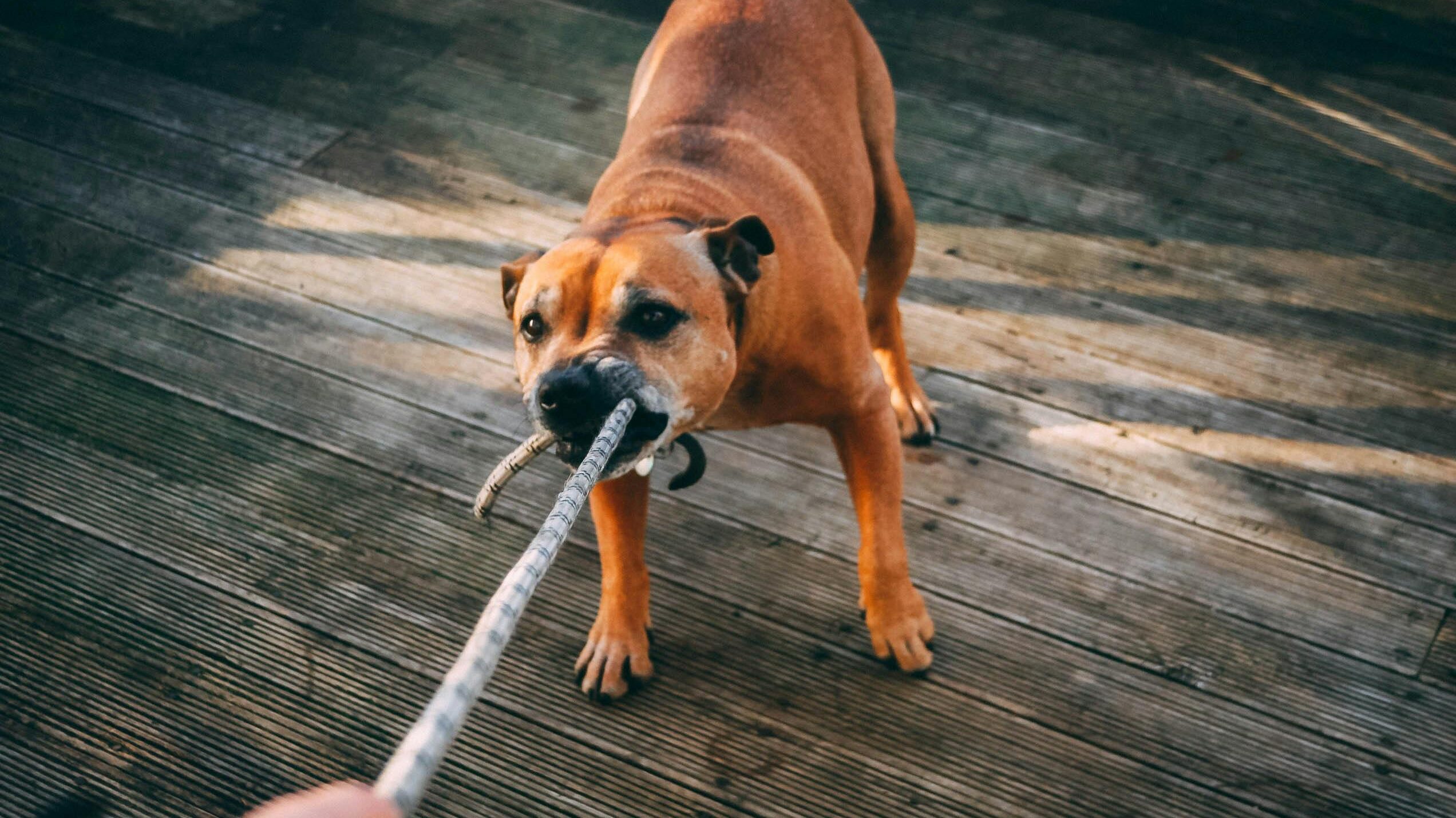
When people talk about dog enemies, they usually imagine another animal that a dog dislikes or fights with. In reality, the term covers much more. It can include animals that pose a threat, other dogs that trigger rivalry, humans linked to fear, or even situations that create stress.
Dogs do not think in moral terms like enemies or villains. Their reactions come from instinct, past experience, and survival responses. A dog may treat something as an enemy simply because it feels unsafe or challenged.
Do Dogs Naturally Have Enemies?
Dogs are not born with a fixed list of enemies. Their ancestors survived by reading threats quickly, and modern dogs still carry that instinct. However, most dogs learn who or what feels dangerous through experience.
A calm, well socialised dog may rarely treat anyone as an enemy. Another dog that lacked social exposure or faced trauma may react strongly to specific animals or people. This is why dog enemies vary from one dog to another.
Cats and the Idea of Dog Enemies
Cats are often labelled as classic dog enemies, but this reputation comes more from stereotypes than reality. Dogs and cats communicate very differently. A dog may see a cat’s quick movements as prey behaviour, while a cat may interpret a dog’s excitement as aggression.
This mismatch can cause chasing, hissing, or defensive behaviour. However, many dogs and cats live peacefully together when introduced properly. In such cases, the idea of dog enemies disappears completely.
The issue is not hatred. It is misunderstanding.
Other Dogs as Dog Enemies
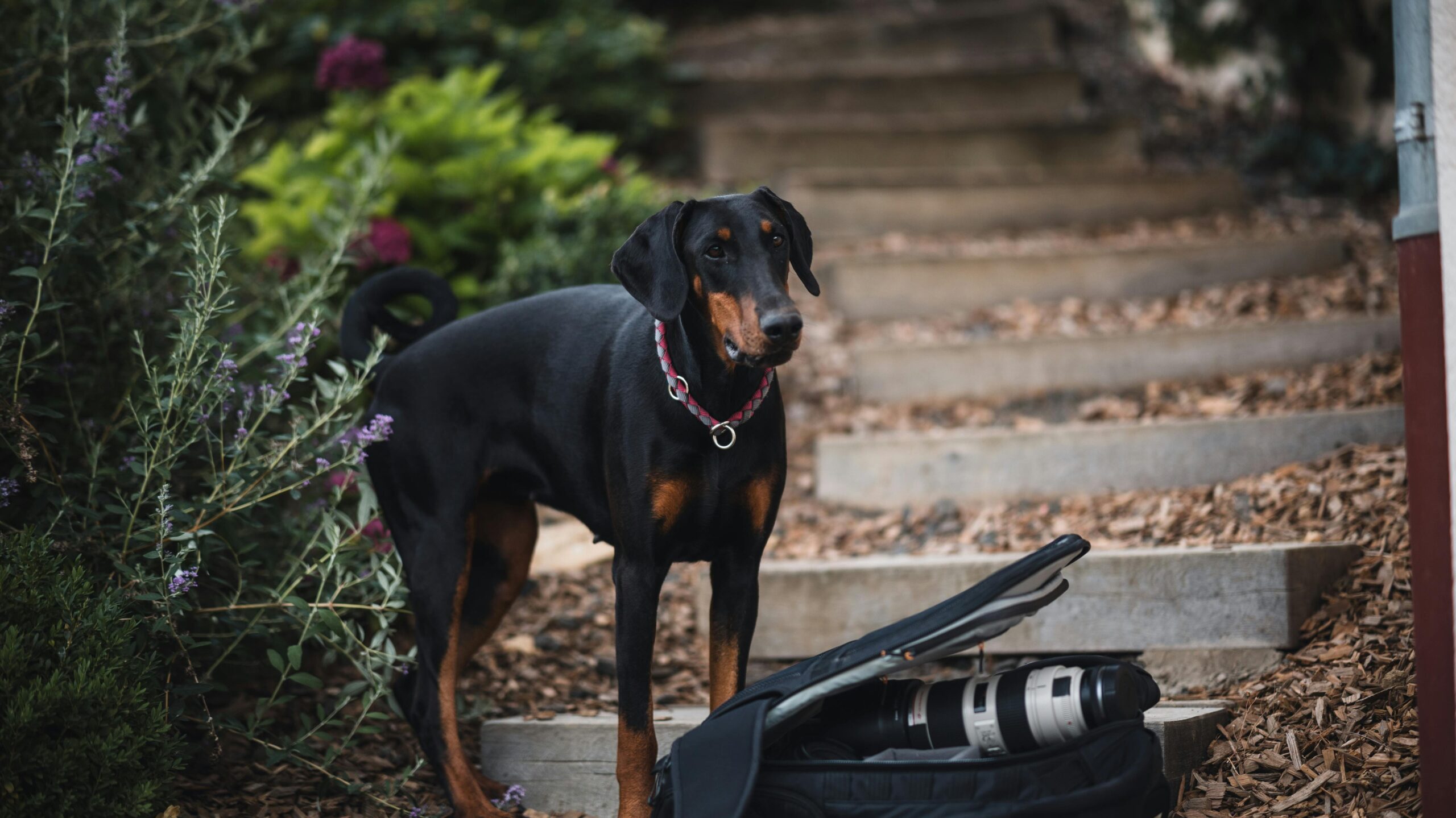
Surprisingly, some of the most common dog enemies are other dogs. This does not mean dogs dislike their own species. It usually comes down to social dynamics.
Dogs may react negatively to other dogs because of:
Territorial behaviour
Resource guarding such as food or toys
Poor early socialisation
Fear based aggression
Past negative encounters
Two dogs in the same home can even develop rivalry if boundaries are unclear. This does not make them enemies in a human sense, but to the dog, the other animal may feel like a constant challenge.
Wild Animals as Real Dog Enemies
In outdoor settings, dog enemies can be very real and dangerous. Depending on the region, dogs may face threats from wild animals.
Examples include:
Coyotes and foxes that may see small dogs as prey
Snakes that can bite when startled
Large birds of prey that target puppies
Wild boars or deer that attack when threatened
These animals are not aggressive without reason. Encounters usually happen when dogs wander unsupervised or explore unfamiliar areas. In these cases, the term dog enemies refers to genuine survival risks.
Human Related Dog Enemies
Humans can also become dog enemies, although this is one of the saddest realities. Dogs that experience neglect, harsh handling, or abuse may develop fear responses toward certain people.
A dog may react aggressively to:
People wearing uniforms
Strangers of a specific gender
Anyone carrying objects like sticks
People who approach too quickly
This behaviour is rooted in fear, not malice. The dog is protecting itself from what it believes is a threat. Understanding this helps owners work toward healing rather than punishment.
Related reads:
How to Raise a Friendly Dog – 2025
Fear and Trauma as Invisible Dog Enemies
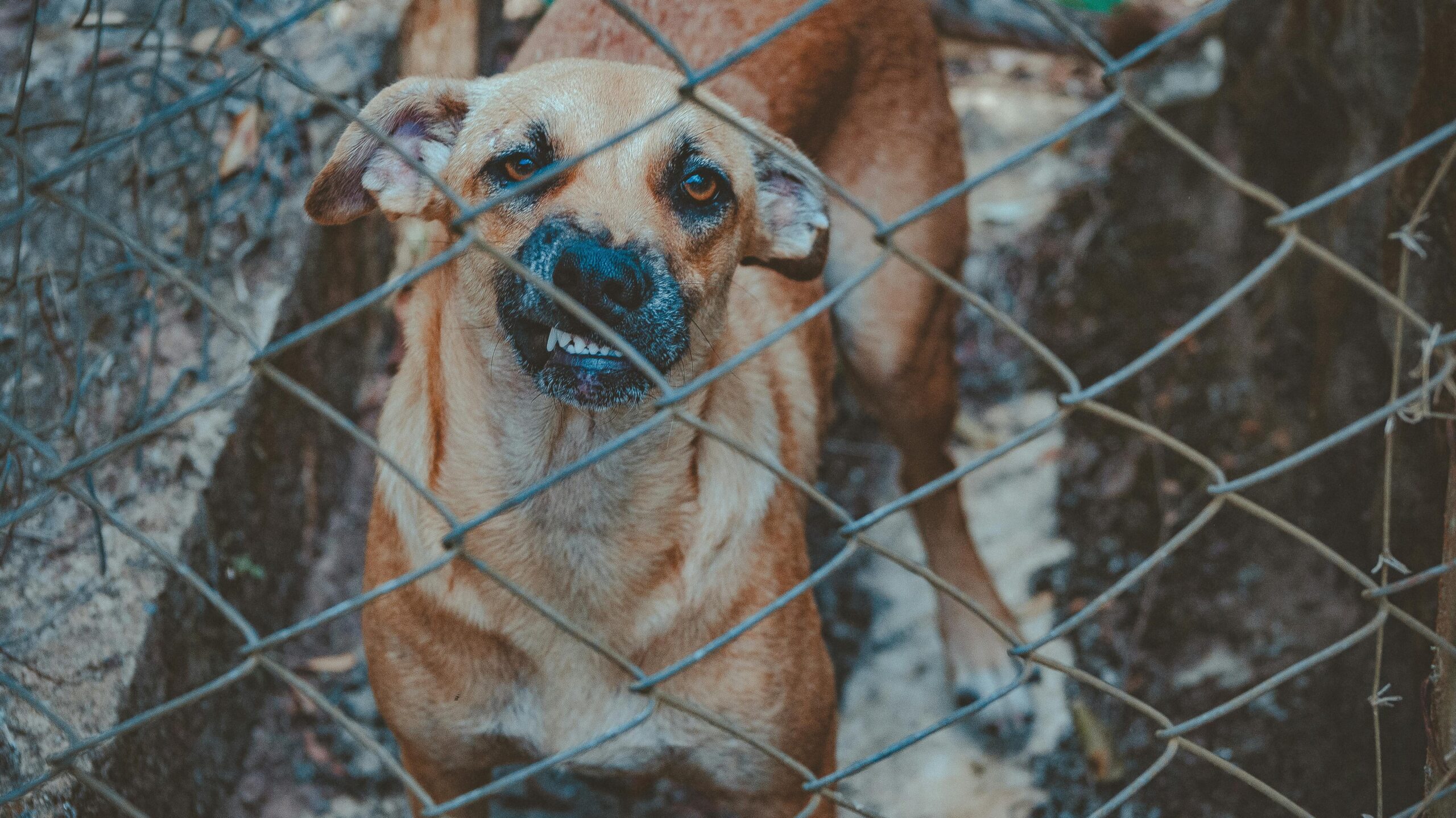
Not all dog enemies have a physical form. Fear itself can become an enemy. Loud noises, unfamiliar environments, and sudden changes can cause stress reactions.
For example, a dog that was once attacked by another dog may react defensively to all dogs afterward. The enemy is not the other dogs but the memory linked to danger.
These invisible enemies often go unnoticed, yet they shape behaviour more strongly than visible threats.
Miscommunication Creates Dog Enemies
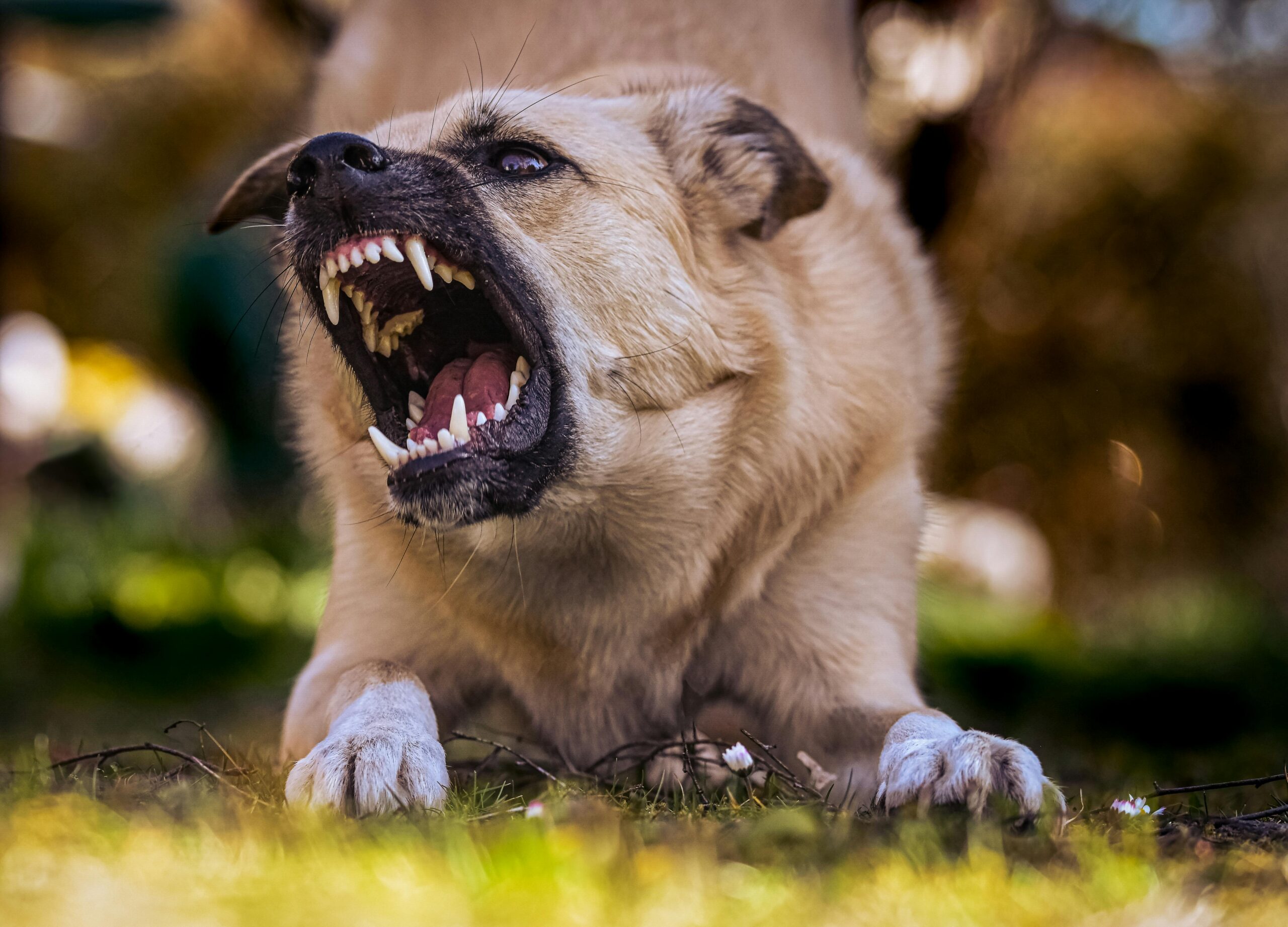
Dogs rely heavily on body language. When signals are misunderstood, conflict follows. A wagging tail does not always mean friendliness. Stiff posture, direct eye contact, or raised hackles can signal discomfort.
When another animal or human ignores these signals, the dog may escalate its response. This is how neutral situations turn into encounters with perceived dog enemies.
Learning to read canine body language reduces these misunderstandings and prevents unnecessary tension.
Are Small Animals Dog Enemies?
Smaller animals like squirrels, rabbits, or birds are not true dog enemies, but they often trigger prey drive. Chasing does not mean hatred. It is an instinctive behaviour rooted in a dog’s ancestry.
Problems arise when owners assume the dog is being playful and allow unsafe interactions. A small animal may bite or scratch in self defense, leading to injury.
Here, the danger comes from misjudging instincts rather than real hostility.
Can Training Reduce Dog Enemies?
Yes. Training plays a huge role in reducing perceived dog enemies. Proper socialisation teaches dogs how to respond calmly to new situations.
Key areas that help include:
Early exposure to different animals and people
Positive reinforcement training
Controlled introductions
Consistent routines
Mental stimulation
Training does not remove instincts, but it teaches dogs how to manage them safely.
How Owners Can Protect Dogs from Dog Enemies
Protection starts with awareness. Owners should understand their dog’s triggers and avoid situations that push the dog into fear or aggression.
Supervision outdoors, leash control, and safe fencing reduce encounters with real dog enemies. Inside the home, calm leadership and structure prevent rivalry.
The goal is not to eliminate threats completely but to help dogs navigate them safely.
Do All Dogs Have Dog Enemies?
No. Some dogs are remarkably adaptable and rarely show signs of hostility. Others are more sensitive and reactive. Breed traits, upbringing, and individual personality all influence how dogs respond to the world.
The presence of dog enemies does not mean a dog is aggressive or poorly trained. It often means the dog needs understanding and guidance.
The Positive Side of the Story
While this article focuses on dog enemies, it is important to remember that dogs are also excellent at forming bonds. Dogs can build friendships across species, with humans, cats, livestock, and even wildlife in some environments.
When trust replaces fear, enemies turn into neutral presences or companions. This transformation is one of the most rewarding aspects of responsible pet care.
Wrapping Up
The idea of dog enemies is less about hostility and more about perception. Dogs react to what feels unsafe, unfamiliar, or threatening. Sometimes those threats are real, and sometimes they exist only in memory or instinct.
By understanding behaviour, respecting boundaries, and providing proper training, owners can greatly reduce conflict. Most dogs do not want enemies. They want safety, clarity, and connection.