What Breed Puppy Should I Get?

Bringing home a new puppy is one of the most exciting milestones in a dog lover’s life. But before you get swept up in cuddles and squeaky toys, there’s one major question you need to answer: what breed puppy should I get? Choosing the right breed isn’t just about looks – it’s about finding a dog that fits your life, energy, and routine. Every breed puppy comes with its own personality, needs, and quirks, and understanding those differences is key to building a strong, lasting bond.
Factors to Consider Before Choosing a Puppy
While it may be tempting to pick the first fluffy face you see, selecting the right puppy takes careful thought. Consider your daily habits, home environment, and expectations from a dog. The goal is to choose a puppy that fits seamlessly into your life – not one that requires you to completely rearrange it.

Your Living Space and a Puppy’s Needs
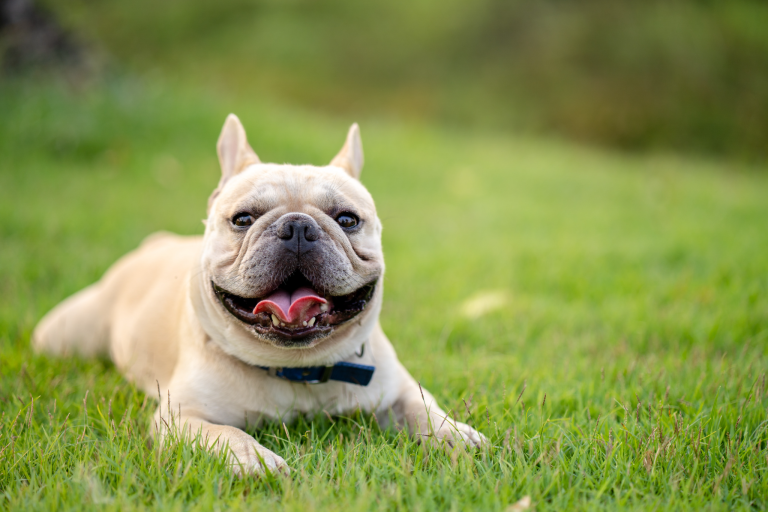
Do you live in a city apartment or a home with a big backyard? Some puppies, like Chihuahuas or French Bulldogs, are perfectly content with smaller spaces. Others like Dalmatians, Australian Shepherds, or Golden Retrievers – need plenty of room to move. Getting a high-energy breed puppy in a small apartment with little activity can lead to boredom and destructive behavior.
Energy Levels and Exercise Demands by Breed
Dogs like Border Collies, Siberian Huskies, and Belgian Malinois are athletic and thrive on daily mental and physical stimulation. If you live an active lifestyle, these puppies might suit you. But if your idea of a workout is a short walk after dinner, a calmer puppy like a Basset Hound or Cavalier King Charles Spaniel may be better.
Time Commitment and Grooming Needs of a Breed Puppy
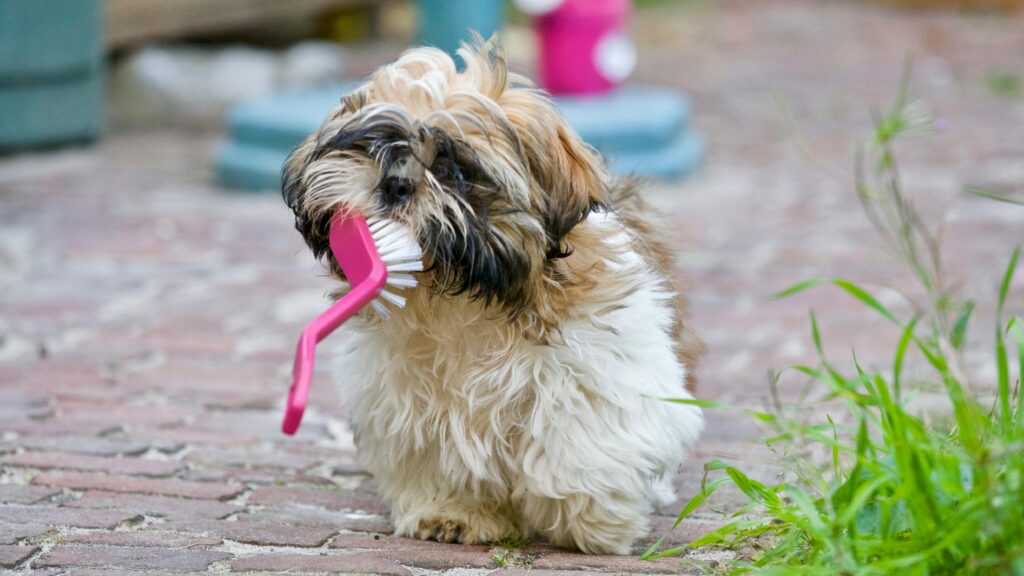
Every breed puppy requires some level of grooming, but some demand more than others. Poodles and Shih Tzus need frequent brushing and professional trims. On the other hand, Beagles or Boxers are lower-maintenance in terms of coat care. Ask yourself how much time (and money) you’re willing to spend on grooming before choosing your puppy.
Related reads:
10 Best High-Energy Dog Breeds for Active People
Popular Family-Friendly Breed Puppy Options
If you have kids at home or are looking for a pet the whole family can enjoy, some dog breeds stand out for their patience, gentleness, and trainability.
Labrador Retriever – The Classic Choice

Loyal, friendly, and playful—Labradors are among the most popular puppies in the world. They’re great with children, easy to train, and known for their loving temperament.
Golden Retriever – Loyal and Gentle
Slightly more mellow than Labradors, Golden Retrievers make amazing family companions. This breed puppy thrives on affection and is known for being gentle and intelligent.
Poodle – Smart and Hypoallergenic
Poodles (and their mixes) are not only brilliant but also have low-shedding coats. If allergies are a concern, this puppy is a smart and stylish choice.
Cavalier King Charles Spaniel – Small and Adaptable
These sweet-tempered dogs are perfect for families living in apartments or smaller homes. They’re affectionate, adaptable, and don’t need intense exercise.
Looking for a Guard Dog? Consider These Breed Puppies
If you’re seeking a companion who doubles as a protector, some breed puppies come with strong protective instincts and a deep loyalty to their owners.
German Shepherd
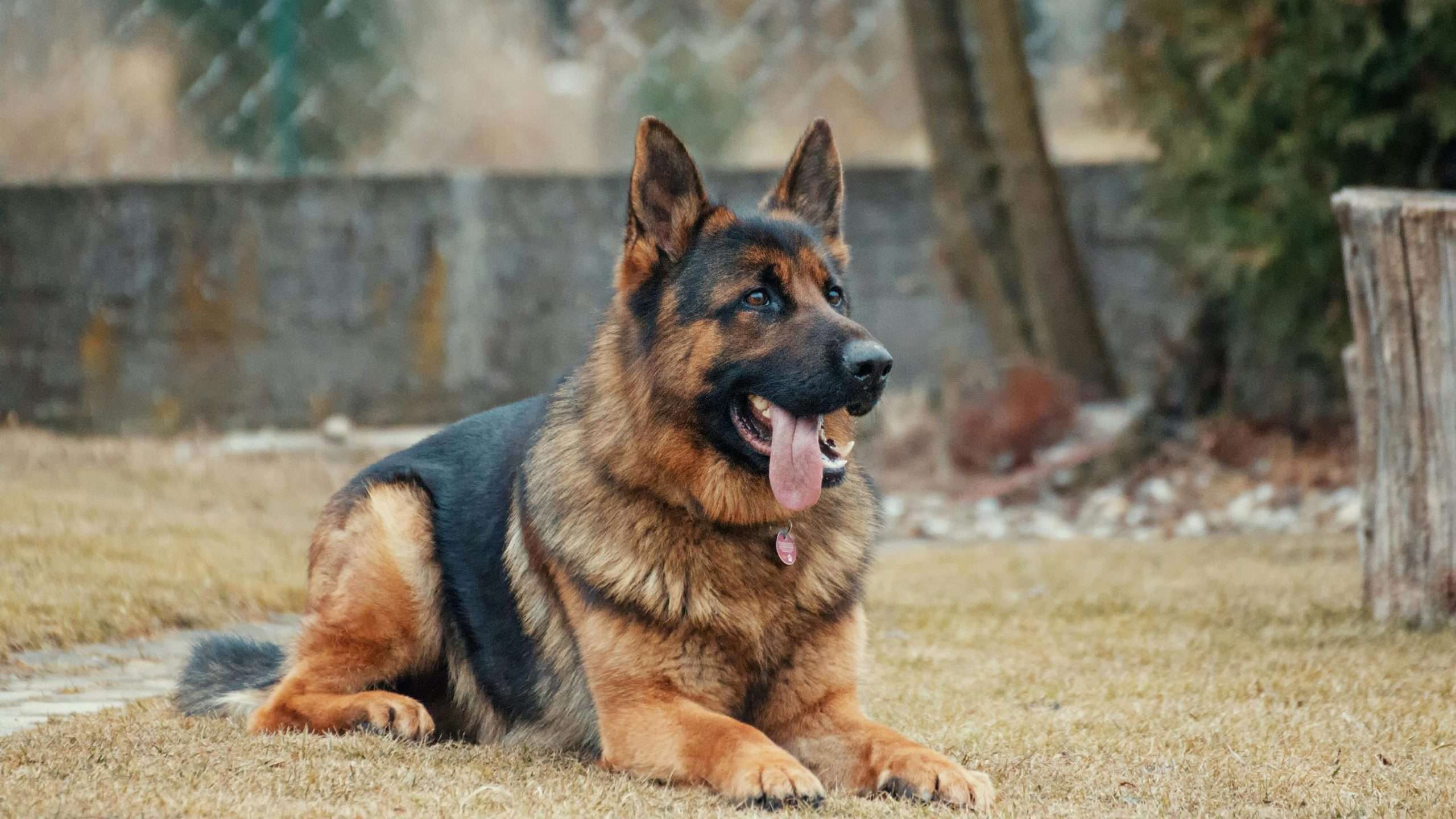
This breed puppy is one of the most versatile dogs you can find. German Shepherds are confident, obedient, and protective without being overly aggressive—making them a favorite for law enforcement and family protection alike.
Doberman Pinscher
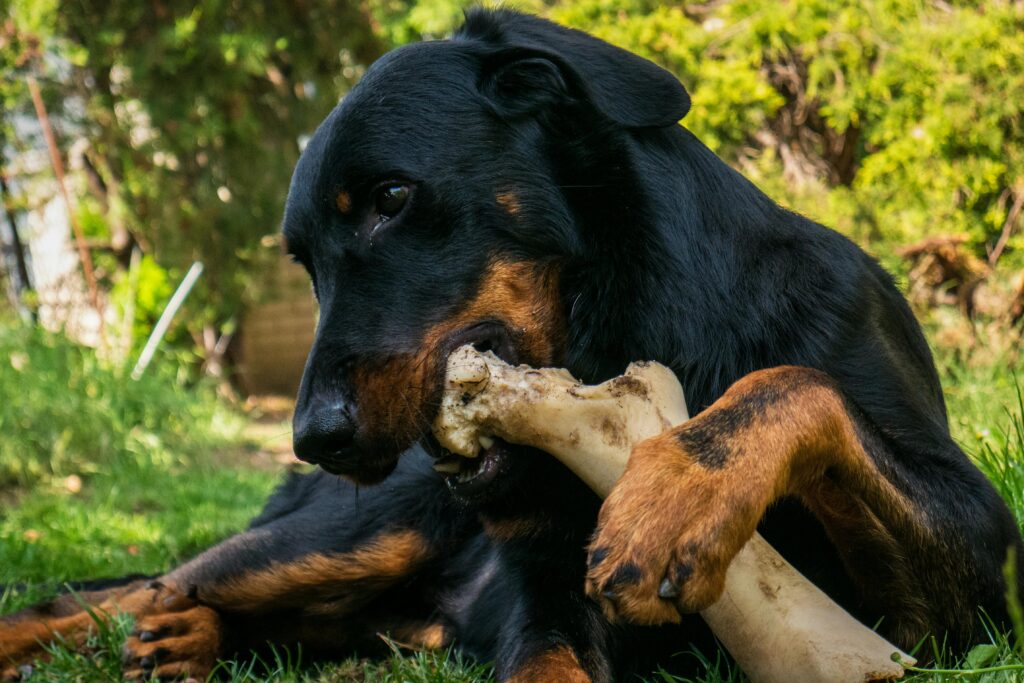
Sleek, intelligent, and fearless, the Doberman is a powerful guard breed puppy for experienced owners. With early training and socialization, they can be loving family pets too.
Best Low-Shedding and Allergy-Friendly Breed Puppy Picks
Shedding can be a deal-breaker for some pet parents. Whether it’s due to allergies or just a preference for a cleaner home, these breed puppies are worth considering.
Shih Tzu

Despite their long hair, Shih Tzus don’t shed much and are relatively allergy-friendly. They make affectionate lap dogs who love indoor life.
Basenji
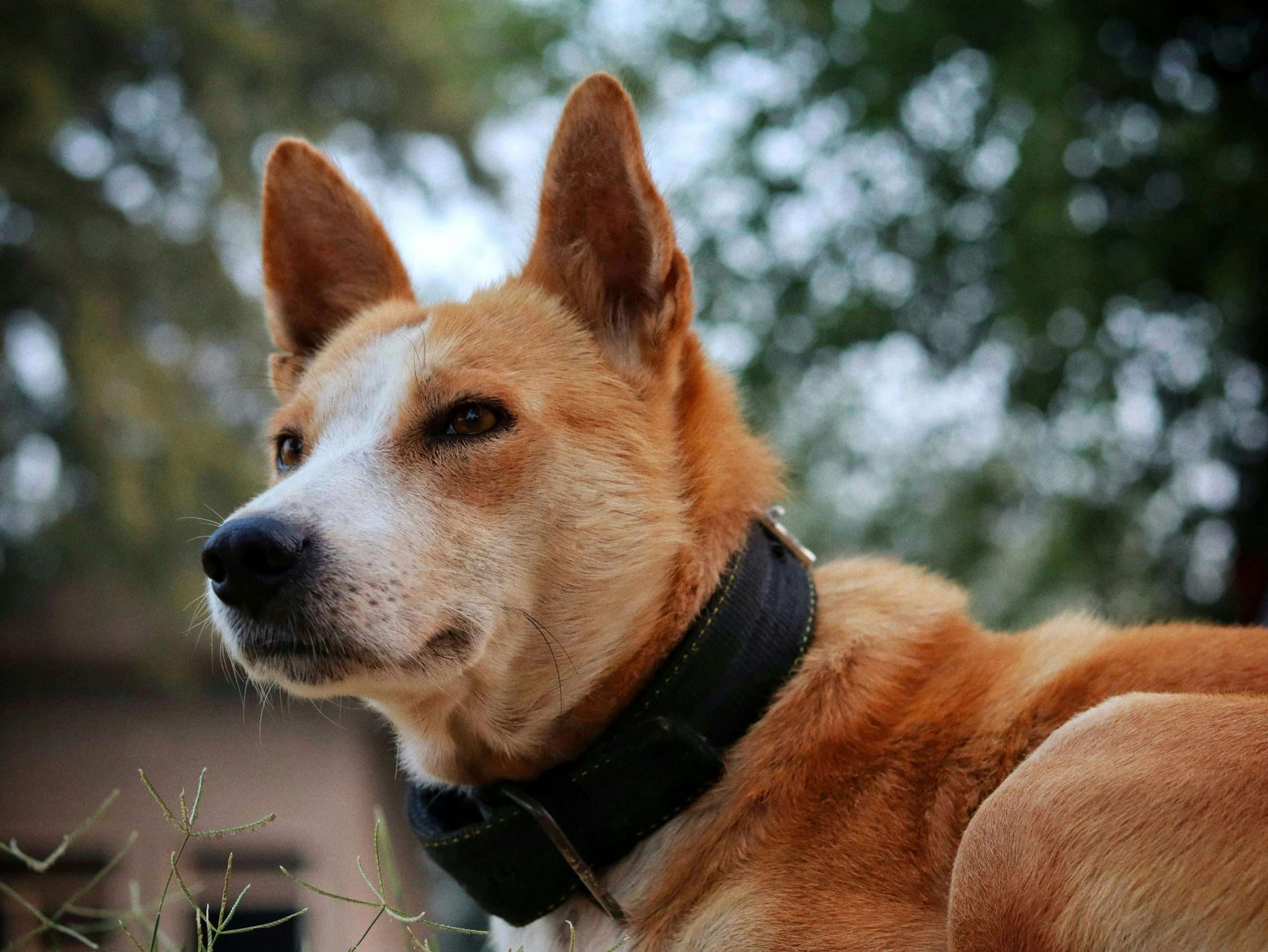
Often called the “barkless dog,” the Basenji is a unique and independent breed puppy with a short coat, minimal odor, and very little shedding. They do have a stubborn streak but can be a great match for the right owner.
How to Research and Meet a Breed Puppy Before Committing
Reading online articles is helpful, but nothing compares to meeting a breed puppy in person. Visiting breeders, rescue shelters, or adoption centers allows you to get a sense of each puppy’s personality.
Ask the Right Questions
Always ask about the puppy’s health history, parents, and expected temperament. Reputable breeders should be transparent about any known medical issues related to that breed puppy.
Observe Energy and Temperament
Spend time with different puppies to see how they react to people, touch, and sounds. This interaction can reveal whether a breed puppy is naturally shy, outgoing, energetic, or calm—and which type suits you best.
Mistakes to Avoid When Choosing a Breed Puppy
Choosing a dog is a commitment that can last 10–15 years or more. Avoid these common missteps:
- Falling for looks alone: That Instagram-famous breed puppy might not fit your lifestyle.
- Ignoring breed traits: If you live alone and work long hours, a clingy or high-energy breed puppy could struggle.
- Overestimating your schedule: Some breeds need more attention, training, and exercise than many new dog parents expect.
Do your homework, and remember—what works for one family may not work for another.
Final Thoughts: Your Perfect Breed Puppy Is Out There
Choosing the right puppy is less about finding the “cutest” and more about finding the “right” fit. Every breed puppy has its strengths, and when matched correctly with your lifestyle, they can become a loving companion for years to come. Take your time, ask questions, and follow your instincts—but make sure those instincts are backed by solid research.
FAQs
What’s the easiest breed puppy to train for beginners?
Labrador Retrievers and Poodles are great beginner breeds. Both are highly intelligent, eager to please, and respond well to training.
Are mixed-breed puppies better than pure breed puppies?
Not necessarily better—just different. Mixed-breed puppies can have fewer health problems due to genetic diversity, but you might get less predictability in size and temperament.
Q: How do I know if a breed puppy will get along with my current pet?
A: Research the breed’s social traits. Some breeds are more territorial, while others are naturally friendly. Early socialization and supervised meetings help too.


![What to Know About Doberman Pinschers [2024]](https://100dogbreeds.com/wp-content/uploads/2024/07/dobberman-featured-scaled-e1721154989478-768x384.jpg)