6 Effective Ways To Treat Minor Pet Wounds At Home

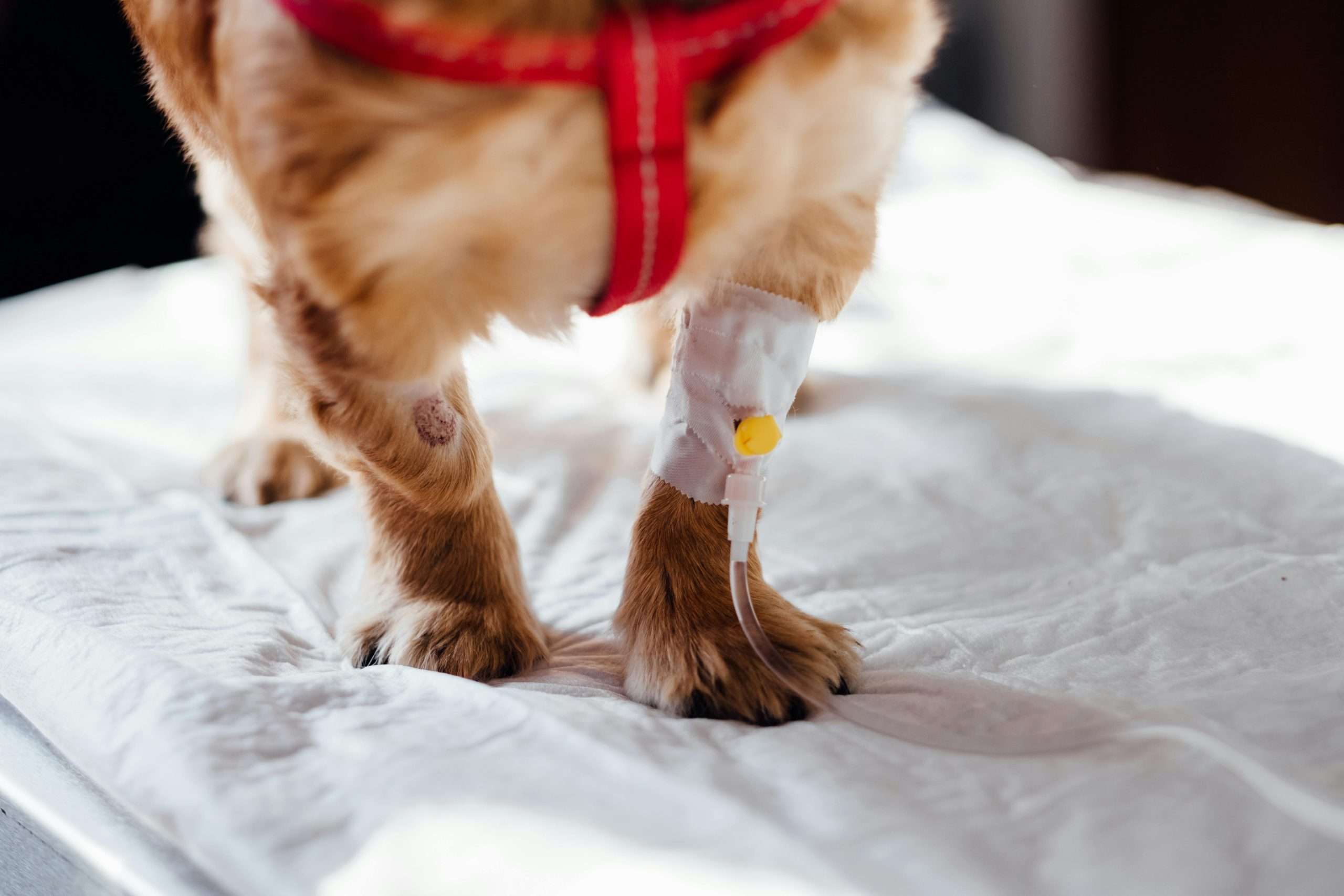
Accidents happen, even to our furry friends. Whether it’s a small cut, a scrape, or a paw injury, knowing how to care for minor pet wounds at home can make a big difference in your pet’s recovery and comfort. While some injuries require professional veterinary care, many minor wounds can be safely treated with the right steps, a little preparation, and a calm approach.
In this guide, we’ll walk you through six effective ways to treat minor pet wounds at home and help you recognize when it’s time to call the vet.

Be Prepared: Essential First Aid Tips for Minor Pet Wounds
Before you find yourself dealing with a pet emergency, it’s a good idea to have a basic pet first aid kit ready. Being prepared helps you act quickly and efficiently when your pet gets hurt. A proper kit for treating Minor Pet Wounds should include:
- Sterile bandages
- Clean towels
- Tweezers
- A saline solution or pet-safe wound cleanser (like diluted betadine)
- Antibacterial ointment made for pets
- Scissors and elastic bandage tape
Having these supplies on hand ensures you can manage small injuries without panic. It’s also helpful to practice gentle handling and basic first aid techniques before an actual emergency strikes.
Step 1: Safely Restrain Your Pet Before Treating Minor Wounds
When your pet is injured, even the gentlest animal can become anxious, frightened, or reactive. Pain can cause unexpected movements, which can make treating minor pet wounds tricky. Always prioritize safety first.
If possible, have someone help you by holding your pet gently but firmly. If you’re alone, use a soft cloth or towel to create a makeshift restraint. In some cases, a muzzle may be necessary – especially if your pet is in significant pain. Never assume your pet won’t bite or scratch when they’re hurt.
Stabilizing your pet before you begin will help you treat the wound more effectively and reduce further stress for both you and your furry friend.
Step 2: Control the Bleeding of Minor Pet Wounds
Stopping the bleeding is the first major step. For most minor pet wounds, applying gentle, firm pressure with a clean cloth or sterile gauze is enough to control the bleeding.
Hold the cloth against the wound for several minutes without lifting it repeatedly to check – this gives the blood time to clot. If the bleeding continues after 10 minutes or seems heavy, it’s time to seek veterinary care immediately. Persistent bleeding may indicate that the wound is deeper or more serious than it appears.
For very small wounds, raising the injured area above the heart level can also help slow the bleeding.
Related reads:
Open Wounds in Dogs – Symptoms, Causes, Diagnosis
Step 3: Clean Minor Pet Wounds Gently and Thoroughly
Even tiny cuts can become infected if not cleaned properly. Cleaning minor pet wounds is essential to remove dirt, bacteria, and debris.
Use warm water or a saline solution to gently flush the wound. You can make a simple saline rinse at home by mixing one teaspoon of salt into two cups of warm water. A spray bottle can help direct the flow gently onto the wound.
Avoid using alcohol, hydrogen peroxide, or human antiseptics unless your veterinarian specifically advises you to do so. These can damage healthy tissue and delay healing.
Be patient while cleaning, and ensure that you remove visible dirt around the area without scrubbing harshly.
Step 4: Remove Foreign Objects Carefully
Sometimes debris like small splinters, tiny stones, or glass fragments can be embedded in a wound. After cleaning minor pet wounds, inspect them closely under good lighting.
If you see something lodged in the wound and it’s easily reachable, use clean tweezers to gently pull it out. Always be cautious – if the object is deeply embedded or difficult to remove, leave it in place and contact your vet immediately. Forcing removal could worsen the injury.
After removing any debris, rinse the wound again briefly to ensure it’s clean.
Step 5: Disinfect and Protect Minor Pet Wounds
Disinfection is key to preventing infection and promoting faster healing. After cleaning, apply a pet-safe antiseptic such as diluted betadine or chlorhexidine to the wound area.
Avoid heavy ointments unless recommended by your vet. Light antibacterial gels made for pets are generally safe for minor pet wounds and provide a layer of protection without suffocating the injury.
Once disinfected, allow the wound to air dry for a few minutes before dressing it to ensure the antiseptic works effectively.
Step 6: Cover and Protect Minor Pet Wounds for Faster Healing
Covering a wound protects it from licking, scratching, and further contamination. Use a piece of sterile gauze, gently secured with pet-safe elastic bandage tape – not too tight, to avoid cutting off circulation.
An e-collar (Elizabethan collar) can be very helpful, especially for dogs and cats who won’t leave the area alone. Licking can introduce bacteria and reopen the wound, delaying healing and risking infection.
Check the bandage daily. Replace it with a fresh one if it becomes dirty or wet. Also, watch for signs of irritation, swelling, or unpleasant odors, which may indicate infection.
When to Seek Veterinary Care for Minor Pet Wounds
Although many minor pet wounds can be treated at home, some signs should never be ignored. Contact your veterinarian if you notice:
- Excessive swelling, redness, or warmth around the wound
- Persistent bleeding after applying pressure
- Pus or foul-smelling discharge
- Sudden changes in your pet’s behavior (lethargy, loss of appetite)
- Foreign objects deeply embedded in the tissue
When in doubt, it’s always better to have a professional evaluation. Treating wounds properly from the start can prevent bigger health issues later on.
Final Thoughts
Knowing how to treat minor pet wounds at home empowers you to act quickly and provide immediate comfort to your pet. With preparation, patience, and careful attention, most minor injuries can be managed safely without a trip to the vet.
However, never hesitate to seek professional help when something doesn’t look right. Your quick action and care can help your furry family member recover faster and get back to their playful, happy self.
Remember, a little first aid knowledge goes a long way when it comes to protecting those we love – paws and all.

![How to Clean Dog Ears: At Home Edition [2024]](https://100dogbreeds.com/wp-content/uploads/2024/09/Dog-ears-e1725473739176-768x384.jpg)