10 Effective Ways to Help Your Dog Live Longer

Every dog owner shares a universal heartache: our beloved dogs simply don’t live long enough. The average dog lives between 10 to 13 years, a painfully short period for such loyal and loving creatures. However, with dedicated care and strategic approaches, you can significantly improve your dog’s chances of living a longer, healthier, and more vibrant life.
In this article, let’s cover 10 ways to help your dog live longer.

Selecting the Perfect Companion for Longevity
Choosing the Right Dog for Longevity begins with understanding that not all breeds are created equal when it comes to lifespan and health potential. When selecting a dog, consider more than just adorable looks or immediate connection. Research breed-specific health traits, genetic predispositions, and lifestyle compatibility. Some breeds naturally live longer than others, and matching a dog’s energy level and health characteristics with your living situation can dramatically impact their longevity.
Your Dog’s Medical History
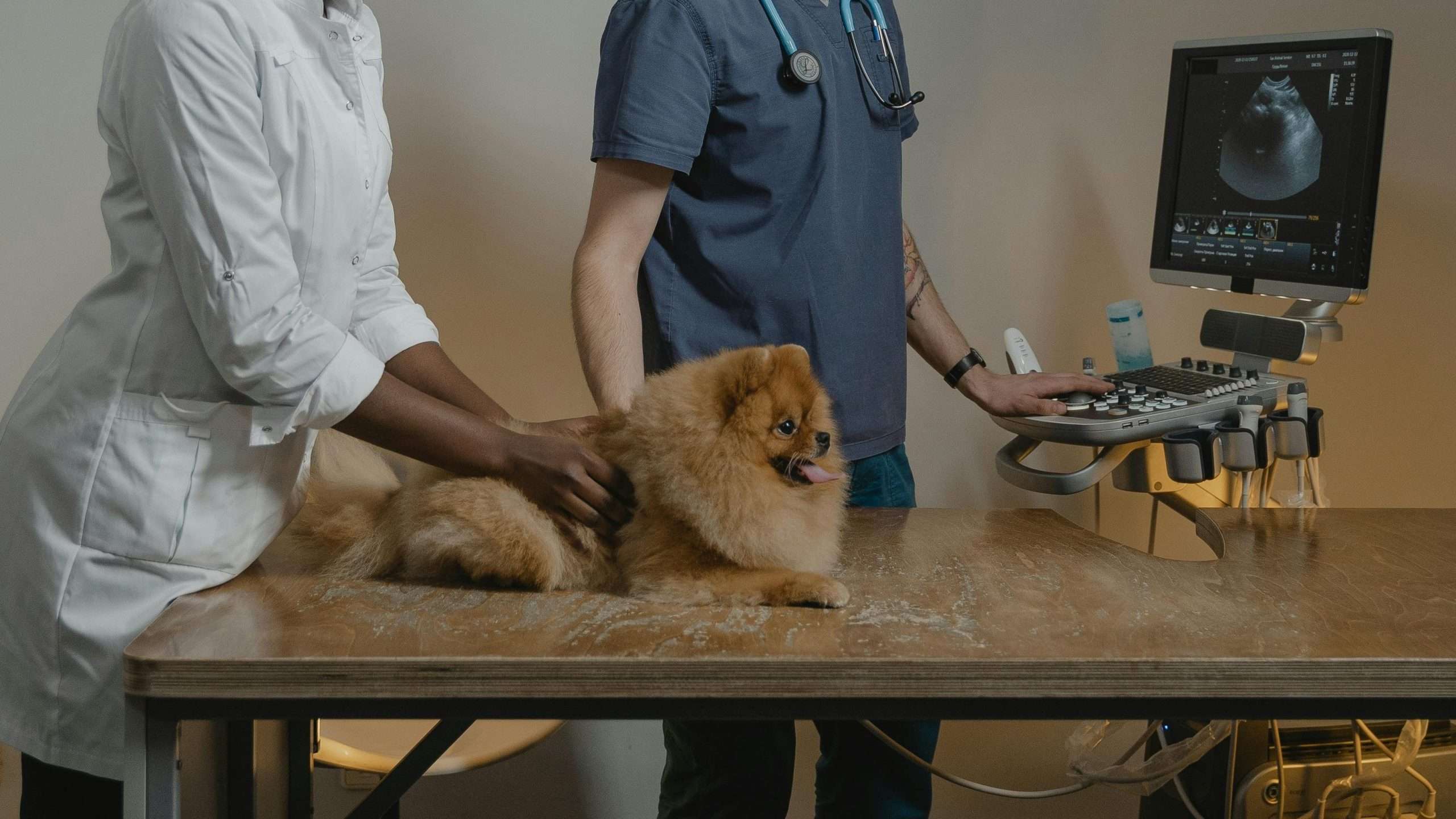
Understanding your dog’s background is crucial in predicting and preventing potential health issues. Whether you’re working with a reputable breeder or adopting from a rescue organization, gather comprehensive information about the dog’s genetic history, previous medical records, and early care experiences. Reputable breeders conduct thorough health screenings and can provide insights into potential hereditary conditions.
Nutrition’s Role
Nutrition plays a fundamental role in helping your dog live longer. A balanced, high-quality diet tailored to your dog’s specific life stage is paramount. Puppies, adult dogs, and senior canines have distinctly different nutritional requirements. Avoid generic, mass-produced foods and instead focus on premium nutrition rich in proteins, essential fatty acids, and necessary vitamins.
Protein should form the foundation of your dog’s diet, with carefully selected carbohydrates and healthy fats. Consider incorporating fresh, whole foods and supplements recommended by veterinarians. Omega-3 fatty acids, for instance, can support joint health, reduce inflammation, and promote a healthy coat. Probiotics and digestive enzymes can further enhance your dog’s overall nutritional absorption and immune function.
Dental Health: The Overlooked Lifeline
Dental health is often an overlooked yet critical factor in a dog’s overall well-being. Poor oral hygiene can lead to serious systemic health problems, including heart disease and organ damage. Bacteria from dental infections can enter the bloodstream, causing potentially life-threatening complications. Regular teeth brushing, dental treats, and professional cleanings can prevent plaque buildup, gingivitis, and potentially life-threatening bacterial infections.
The Power of Physical and Mental Stimulation
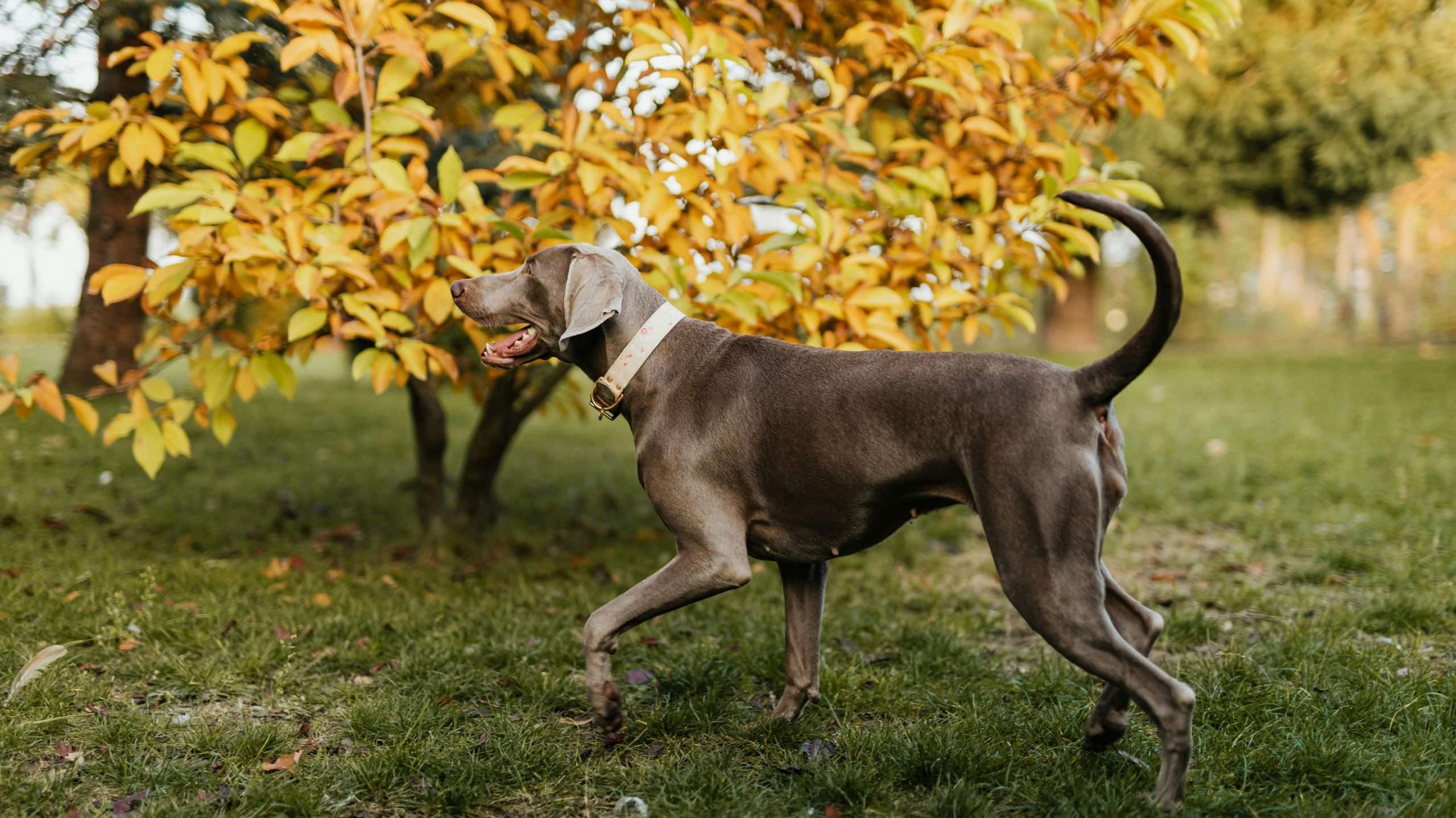
Physical exercise and mental stimulation are essential components of helping your dog live longer. Adult dogs typically require 30 minutes to two hours of daily activity, depending on breed and age. Regular exercise not only maintains a healthy weight but also strengthens cardiovascular systems, reduces stress, and improves overall mood.
Mental enrichment is equally crucial. Puzzle toys, training sessions, and interactive games can prevent cognitive decline and keep your dog mentally sharp. Vary their activities to provide both physical and mental challenges. This holistic approach to stimulation can significantly contribute to your dog’s overall well-being and longevity.
Preventative Veterinary Care: Your Dog’s Health Shield
Preventative veterinary care cannot be overstated in the quest to extend your dog’s life. Regular check-ups, typically twice annually for younger dogs and potentially more frequently for seniors, allow early detection of potential health issues. Comprehensive screenings can identify breed-specific diseases, monitor ongoing conditions, and ensure your dog receives timely interventions.
Related reads:
The Ultimate First Time Dog Owner Checklist [2024]
Emotional Well-being
Emotional well-being plays a significant role in a dog’s overall health and longevity. Chronic stress can suppress immune function and accelerate aging. Creating a stable, loving environment with consistent routines, positive reinforcement, and meaningful interactions helps maintain your dog’s mental health. Strong caregiver-dog bonds enable you to quickly recognize subtle changes in behavior or movement that might indicate underlying health concerns.
Going Through the Senior Years with Grace
As your dog ages, care requirements evolve. Senior dogs need specialized attention, including orthopedic beds, modified exercise routines, and potentially alternative therapies like acupuncture or water therapy. Supplements recommended by veterinarians can help manage age-related conditions, maintain joint health, and improve overall comfort.
The Most Difficult Decision: Compassionate Farewell

Perhaps the most challenging aspect of responsible dog ownership is knowing when to say goodbye. Despite our best efforts to help our dogs live longer, there comes a time when quality of life takes precedence over quantity. Regular consultations with your veterinarian can help assess your dog’s overall well-being, pain levels, and ability to enjoy daily activities.
Saying Goodbye – A Lifetime of Love
Ultimately, helping your dog live longer is about creating a holistic approach to care that addresses physical, mental, and emotional needs. It requires commitment, observation, and unconditional love. While we cannot control every aspect of our dog’s lifespan, these strategic interventions can significantly improve their chances of living a fuller, healthier life.
Hope this article on ‘how to help your dog live longer was helpful’. Do checkout our other blogs too.
Frequently Asked Questions About Dog Longevity
How long do most dogs typically live?
Most dogs typically live between 10 to 13 years, depending on their breed and overall health management. Smaller dog breeds tend to have longer lifespans, often reaching 15 or even 16 years with proper care. Large breed dogs generally have shorter lifespans, averaging around 8 to 12 years due to more rapid aging and breed-specific health challenges.
What’s the most important factor in helping a dog live longer?
Comprehensive preventative healthcare is the most crucial factor in extending a dog’s life. This includes maintaining a balanced, high-quality diet, providing regular exercise, ensuring consistent veterinary check-ups, and addressing both physical and mental health needs. A holistic approach that combines nutrition, mental stimulation, dental care, and proactive medical monitoring can significantly improve a dog’s chances of living a longer, healthier life.
At what age is a dog considered senior?
Dogs are typically considered senior around 7 to 10 years old, with the exact age varying by breed and size. Smaller dogs tend to age more slowly and may not be considered seniors until 10 or 11 years old. Larger breeds often enter their senior years earlier, around 6 to 7 years old, due to their faster aging process and more significant health challenges.
Can diet really impact my dog’s lifespan?
Diet plays a critical role in determining a dog’s overall health and potential lifespan. A high-quality, nutritionally balanced diet tailored to your dog’s specific life stage can prevent obesity, support immune function, and reduce the risk of various health conditions. Proper nutrition provides essential nutrients, supports organ function, and can help manage or prevent many age-related health issues that could potentially shorten a dog’s life.
How often should I take my dog to the vet?
Healthy adult dogs should have annual comprehensive check-ups to monitor their overall health and catch potential issues early. Senior dogs or those with existing health conditions may require veterinary visits twice a year for more frequent monitoring and preventative care. Puppies need more frequent visits for vaccinations, spaying/neutering, and initial health screenings, typically every few weeks during their first few months of life.




![5 Most Common Dog Digestive Issues – [With Remedies]](https://100dogbreeds.com/wp-content/uploads/2024/06/dog-digestive-issue-768x576.jpg)