Signs and Colors of an Unhealthy Dog Tongue

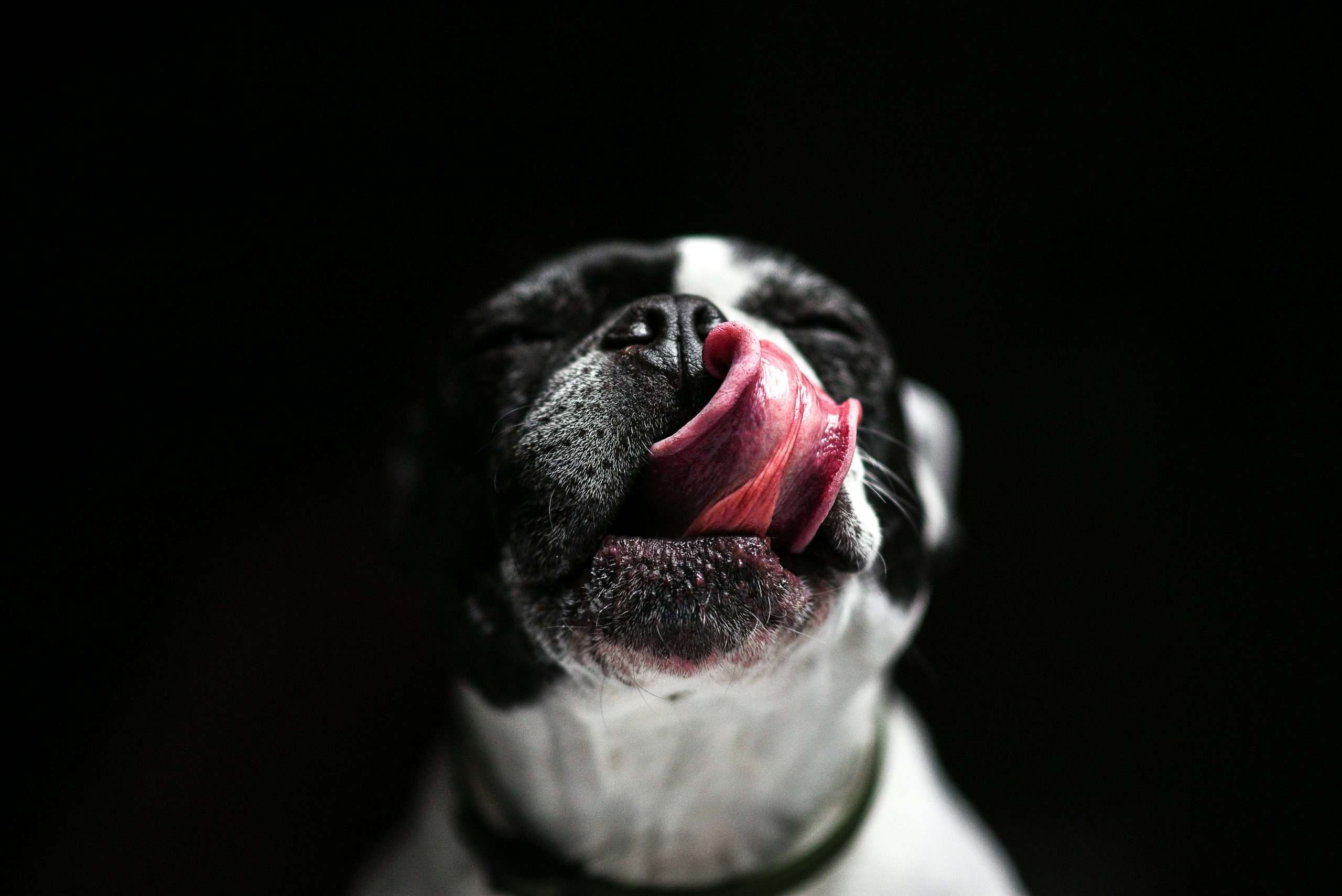
A dog’s tongue is more than a tool for licking and tasting. It’s also a reliable indicator of your pet’s overall health. While most dog owners know to check for signs like lethargy or appetite loss, not many regularly inspect the tongue. But changes in tongue color, texture, or appearance can be the first warning signs of deeper health issues. A healthy tongue should be moist and a vibrant pink. If you notice anything different, you may be looking at an unhealthy dog tongue, which could point to anything from mild dehydration to serious organ trouble.
Understanding what different tongue colors mean can help you detect potential problems early and know when to seek veterinary care.

What a Healthy Dog Tongue Looks Like
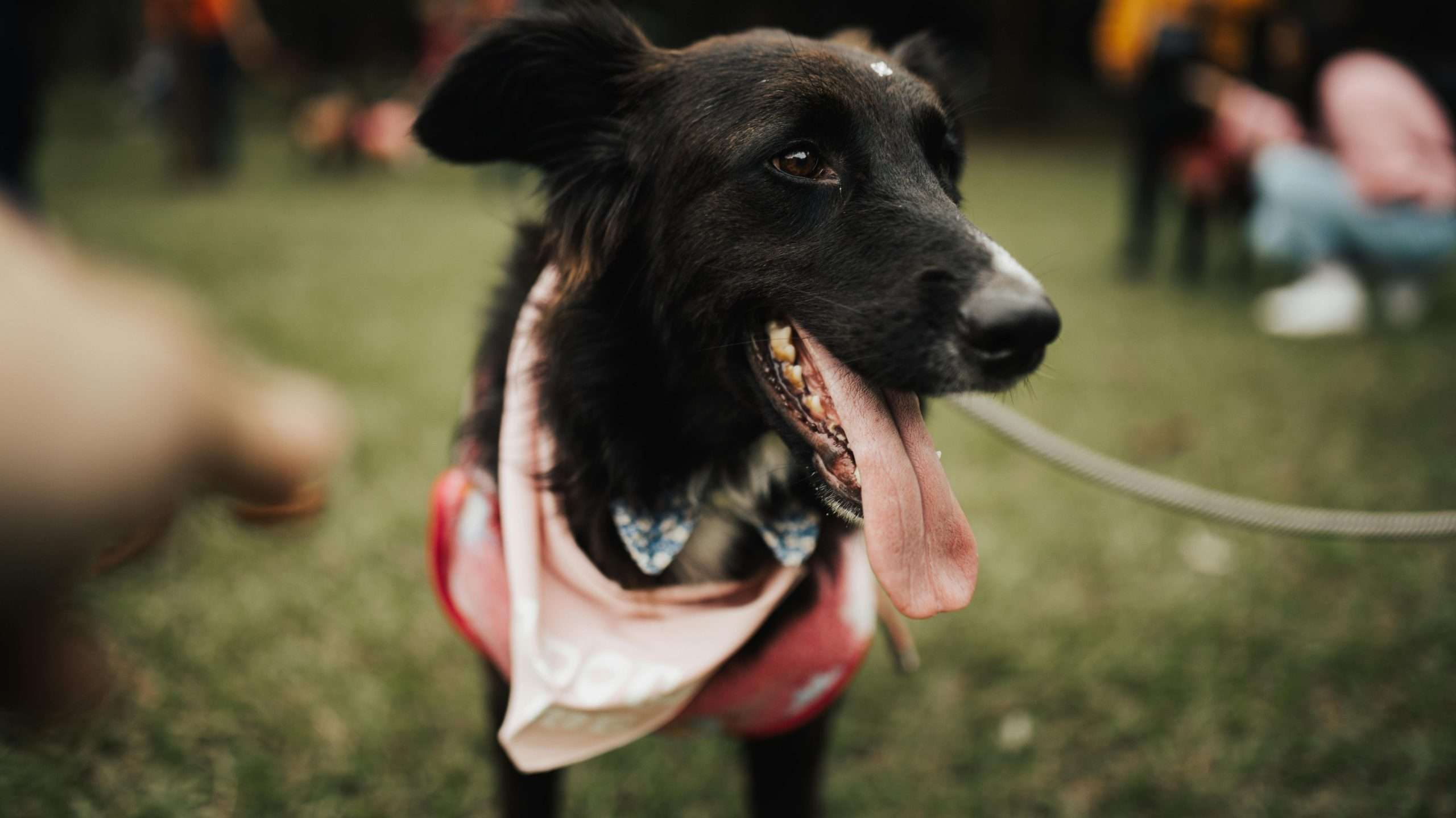
In a healthy dog, the tongue is typically pink, moist, and smooth, although slightly rough to the touch due to papillae. This pink color is due to well-oxygenated blood flowing just beneath the surface. Good circulation and proper hydration contribute to this normal hue.
Some breeds like the Chow Chow or Shar-Pei naturally have dark blue or purplish tongues. For these breeds, such pigmentation is normal. However, for most dogs, a sudden or sustained change from pink to another color can be a red flag indicating an unhealthy dog tongue.
The Meaning Behind Different Tongue Colors
Color changes in your dog’s tongue should never be dismissed. Each shade may point to a different underlying issue. Let’s explore what those colors could mean and why they matter.
White or Pale Tongue: Poor Circulation or Anemia
One of the most alarming signs of an unhealthy dog tongue is a pale or white appearance. This typically signals that your dog isn’t getting adequate blood flow or oxygen, possibly due to:
- Dehydration: Dogs who are severely dehydrated often show pale tongues and gums. This happens when blood flow to peripheral tissues is reduced to conserve circulation to vital organs.
- Anemia: A deficiency in red blood cells or hemoglobin can cause the tongue to turn white. Anemia can be caused by internal bleeding, parasites, autoimmune disorders, or poor nutrition.
- Shock or trauma: In emergency situations, shock can restrict blood supply to the tongue and extremities.
- Certain medications: Some drugs, including chemotherapy agents and antibiotics, may cause tongue discoloration as a side effect.
If your dog’s tongue remains white or pale for more than a few hours, seek veterinary attention immediately. This symptom suggests that your dog may be in serious distress.
Related reads:
Why Your Dog Keeps Licking Lips: 7 Common Causes
Blue or Purple Tongue: Lack of Oxygen

Another critical sign of an unhealthy dog tongue is a blue or purple discoloration. This is often due to a condition known as cyanosis, where tissues aren’t receiving enough oxygen. Possible causes include:
- Respiratory problems: Conditions like asthma, pneumonia, or bronchitis may impair oxygen intake.
- Heart disease: When the heart isn’t pumping efficiently, it may fail to circulate oxygenated blood, especially to extremities like the tongue.
- Choking or airway obstruction: Objects stuck in the throat can block airflow and rapidly lead to a bluish tongue.
- Poisoning: Certain toxins interfere with the body’s ability to transport oxygen, turning the tongue a bluish hue.
Any sudden change to a blue or purple tongue should be treated as an emergency. It means your dog’s oxygen levels are dangerously low.
Red or Inflamed Tongue: Irritation or Infection
A bright red tongue might seem healthy at a glance, but in many cases, it can signal inflammation or irritation. This too can be a sign of an unhealthy dog tongue. Here’s what might be going on:
- Infections: Bacterial, viral, or fungal infections can cause swelling, redness, or ulcers on the tongue.
- Allergic reactions: If your dog eats something they are allergic to, redness and swelling may occur.
- Injuries: Chewing on sharp or rough objects may cause cuts or abrasions that result in a red, painful tongue.
- Autoimmune diseases: Conditions like lupus or pemphigus can affect the tongue and oral tissues.
- Exposure to heat or toxins: Burns from hot surfaces, chemicals, or electrical cords can lead to inflammation.
A red, swollen, or sore tongue is often accompanied by other signs such as drooling, reluctance to eat, or pawing at the mouth.
Yellow Tongue: Possible Liver Trouble
Though not as common, a yellow tongue is another potential sign of an unhealthy dog tongue. Yellowing usually results from a buildup of bilirubin in the bloodstream, often linked to liver or gallbladder dysfunction. Conditions that may cause this include:
- Jaundice: The most well-known cause, resulting from liver failure or bile duct obstruction.
- Leptospirosis: A bacterial infection that can damage the liver and kidneys.
- Certain medications or toxins: Some chemicals processed through the liver can result in yellow discoloration if they damage the organ.
You may also notice yellowing in the whites of the eyes or inside the ears. These signs indicate a vet visit is necessary.
Tongue Texture and Other Warning Signs
Color is not the only change to look for. Texture and moisture levels can also reveal health issues. A dry, cracked, swollen, or coated tongue can point to:
- Fever or heatstroke
- Dehydration
- Oral infections
- Vitamin deficiencies
- Digestive system issues
A tongue that appears overly dry or coated in white or yellow residue is often part of a larger picture of illness. Taken together, these symptoms strongly suggest an unhealthy dog tongue.
When to See a Vet About Tongue Changes

Not all tongue discolorations are emergencies, but some definitely are. Here’s when you should take your dog to the vet:
- The tongue changes color suddenly and doesn’t return to pink within a few hours.
- Your dog shows other symptoms like weakness, vomiting, panting, coughing, or collapse.
- There’s visible injury or swelling in the mouth.
- The discoloration is accompanied by bleeding, drooling, or bad breath.
Your vet may use tools like a tongue color chart, complete blood count (CBC), oxygen saturation monitoring, or x-rays to determine the cause. These tools can help confirm the presence of an unhealthy dog tongue and guide treatment.
How to Monitor Your Dog’s Tongue at Home
You don’t need to obsessively check your dog’s tongue every day, but regular observation helps. Try the following:
- Check the tongue color and moisture during grooming or brushing.
- Look at the tongue if your dog is acting “off” or not eating.
- Note any changes in color, texture, swelling, or behavior.
- Take pictures if you’re unsure whether the color is normal.
Keeping an eye on these changes can help you catch an unhealthy dog tongue before it signals a serious health crisis.
Final Thoughts
Your dog’s tongue is more than a wagging pink appendage. It’s a clear signal to what’s happening inside your pet’s body. From anemia and dehydration to liver issues and heart problems, changes in color, texture, or appearance can reveal important clues. Don’t ignore the warning signs. A pale, blue, red, or yellow tongue often points to a deeper problem and should be taken seriously.
Knowing how to spot an unhealthy dog tongue gives you the power to act fast and ensure your pet gets the help they need. Regular monitoring and timely vet visits could make all the difference in keeping your dog safe, healthy, and happy.

![The Ultimate First Time Dog Owner Checklist [2024]](https://100dogbreeds.com/wp-content/uploads/2024/07/first-time-dog-owner-768x512.jpg)