Understanding Dog Years: Calculate Your Dog’s Age

Dogs bring joy, loyalty, and love to our lives, but they also grow up much faster than humans. While the popular belief is that one human year equals seven dog years, the truth is more nuanced. Understanding how dog years work is essential to caring for your furry friend throughout their life stages. This blog explores how to calculate your dog’s age, the factors that influence it, and the distinct stages of a dog’s life.
The Myth of “One Year Equals Seven Dog Years”
The idea that one human year equals seven dog years has been passed down for generations. However, this simple formula doesn’t accurately reflect the aging process of dogs. Dogs mature much faster in their early years, meaning their first year is equivalent to about 15 human years. By the time they are two years old, they are approximately 24 in human years. After that, the aging rate slows, varying by size, breed, and overall health.

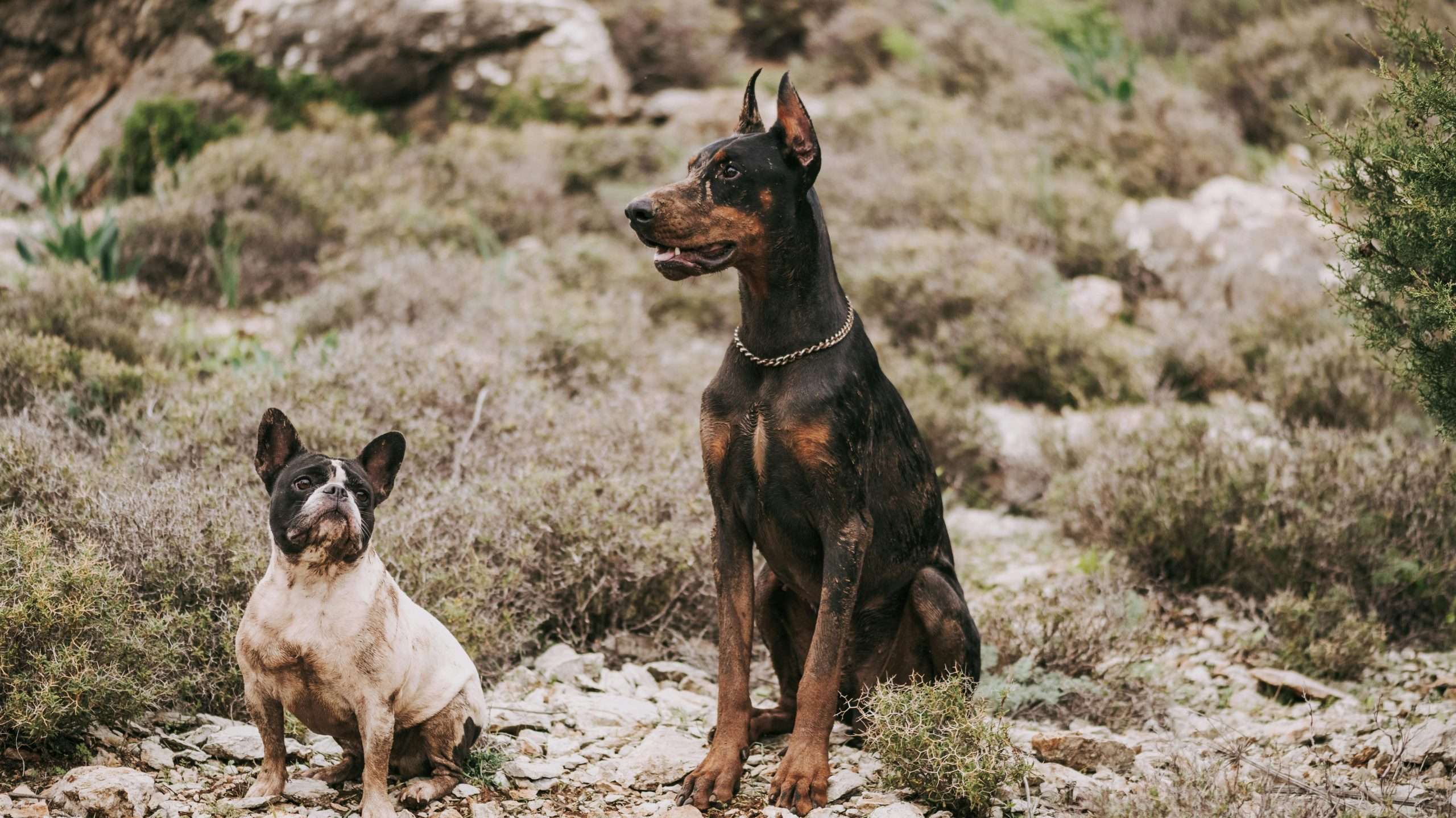
This disparity arises because dogs of different sizes and breeds age differently. For example, smaller breeds tend to live longer and age more slowly, while larger breeds age faster and have shorter lifespans. So, how do we calculate dog years more accurately?
How to Calculate Your Dog’s Age in Human Years
Researchers have developed more precise methods to calculate dog years, taking into account size, breed, and even DNA changes. Here’s a helpful chart to give you an idea of how dogs of different sizes age:
| Years of Age | Small Dogs (20 lbs and under) | Medium Dogs (21–50 lbs) | Large Dogs (51–100 lbs) | Giant Dogs (100+ lbs) |
| 1 Year | 15 Human Years | 15 Human Years | 15 Human Years | 12 Human Years |
| 2 Years | 24 Human Years | 24 Human Years | 24 Human Years | 22 Human Years |
| 5 Years | 36 Human Years | 36 Human Years | 45 Human Years | 45 Human Years |
| 10 Years | 56 Human Years | 60 Human Years | 66 Human Years | 79 Human Years |
| 15 Years | 72 Human Years | 78 Human Years | 88 Human Years | 107 Human Years |
This table demonstrates that a dog’s size significantly impacts how quickly they age. Smaller dogs remain “younger” for longer, while larger breeds reach middle age and senior years much sooner.
Factors Influencing Dog Years
1. Size and Breed
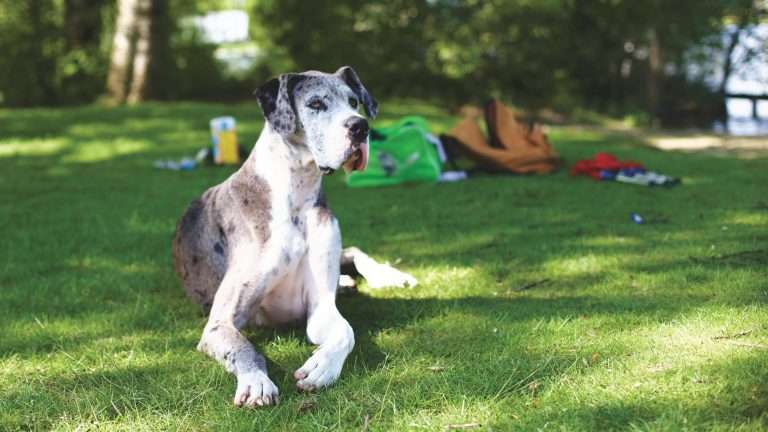
Smaller breeds like Chihuahuas or Dachshunds typically live 12–16 years, while larger breeds like Labrador Retrievers or German Shepherds live 8–12 years. Giant breeds, such as Great Danes, may only live 6–8 years. This difference is due to the strain larger dogs experience on their organs, joints, and overall systems.
2. Genetics
A dog’s breed plays a crucial role in its lifespan. Breeds prone to genetic health issues, such as hip dysplasia or heart disease, may have shorter lifespans. Mixed-breed dogs often benefit from genetic diversity and may live longer than their purebred counterparts.
3. Lifestyle
A dog’s lifestyle directly affects how quickly they age. Proper nutrition, regular exercise, preventive healthcare, and a safe environment contribute to a longer, healthier life. Overweight dogs or those with sedentary lifestyles may age faster.
The Five Stages of a Dog’s Life
Dogs, like humans, go through distinct life stages. Understanding these stages helps you cater to their needs at every phase of their life. Here’s a breakdown:
1. Puppyhood (Birth to 6 Months)
Puppyhood is a period of rapid growth and learning. During this stage, puppies are curious, energetic, and eager to explore their surroundings. Socialization and basic obedience training are vital during this time, as it lays the foundation for their behavior as adults.
2. Adolescence (6 Months to 2 Years)
Adolescence is the “teenage” phase of a dog’s life. They may test boundaries, display bursts of energy, and become sexually mature. This stage requires patience, consistent training, and plenty of exercise to manage their energy and behavioral challenges.
3. Young Adulthood (2–5 Years)
Young adulthood is when dogs reach physical and emotional maturity. They are typically more settled and less rebellious than during adolescence. This is an ideal time to strengthen your bond with your dog through regular activities and advanced training.
4. Middle Age (5–8 Years for Small Dogs, 3–5 Years for Large Dogs)
Middle age varies significantly depending on the dog’s size. During this stage, they may start to slow down and show early signs of aging, such as reduced stamina or weight gain. Regular veterinary check-ups and adjustments to their diet and exercise routine are essential to keep them healthy.
5. Senior Years (8+ Years for Small Dogs, 5+ Years for Large Dogs)
The senior years are marked by reduced activity levels, gray fur, and potential health issues. Senior dogs often require more frequent veterinary visits, special diets, and accommodations for mobility challenges. Despite these changes, they continue to offer companionship and unconditional love.
Related reads:
Large Dog Breeds: What You Need to Know
Signs of Aging in Dogs
Aging in dogs manifests in various ways. Common signs include:
- Cloudy eyes or vision problems
- Graying fur, especially around the muzzle
- Stiffness or difficulty moving
- Changes in weight
- Behavioral changes, such as increased barking or confusion
- Loss of hearing or dental issues
Recognizing these signs early allows you to provide the care and support your senior dog needs.
Why Understanding Dog Years Matters
Knowing your dog’s age in dog years helps you provide appropriate care throughout their life. Puppies and young dogs need different diets, exercise routines, and training methods than senior dogs. Tailoring your care to their life stage ensures they remain happy and healthy.
For example, younger dogs benefit from high-protein diets to support their growth, while senior dogs may need joint supplements and low-calorie diets to prevent obesity. Similarly, regular dental care is crucial for all dogs but becomes especially important as they age.
Tips for Extending Your Dog’s Lifespan
While dog years remind us that our pets age quickly, there are ways to ensure they live long, fulfilling lives:
- Provide a Balanced Diet
High-quality dog food tailored to your pet’s size and age is essential for their overall health. - Regular Exercise
Keep your dog active with daily walks, playtime, and mental stimulation. Exercise prevents obesity and keeps their joints and muscles strong. - Preventive Healthcare
Stay up-to-date on vaccinations, flea and tick prevention, and regular vet visits. - Maintain a Healthy Weight
Obesity is a leading cause of health issues in dogs, including joint problems and diabetes. Work with your vet to maintain a healthy weight for your dog. - Address Aging Needs
As your dog enters their senior years, make adjustments to their environment, such as providing orthopedic beds or ramps for easier access to furniture.
Final Thoughts
Dogs enrich our lives in countless ways, and understanding dog years helps us take better care of them at every stage of their lives. From playful puppies to wise seniors, each phase brings unique joys and challenges. By learning how to calculate your dog’s age, recognizing the signs of aging, and tailoring their care, you can ensure your beloved pet enjoys a long, happy life.
Whether you’re figuring out how old your dog is or looking for ways to improve their quality of life, understanding dog years is the key to being the best pet parent you can be.