Fever in Dogs: Tips to Comfort Them [2024]

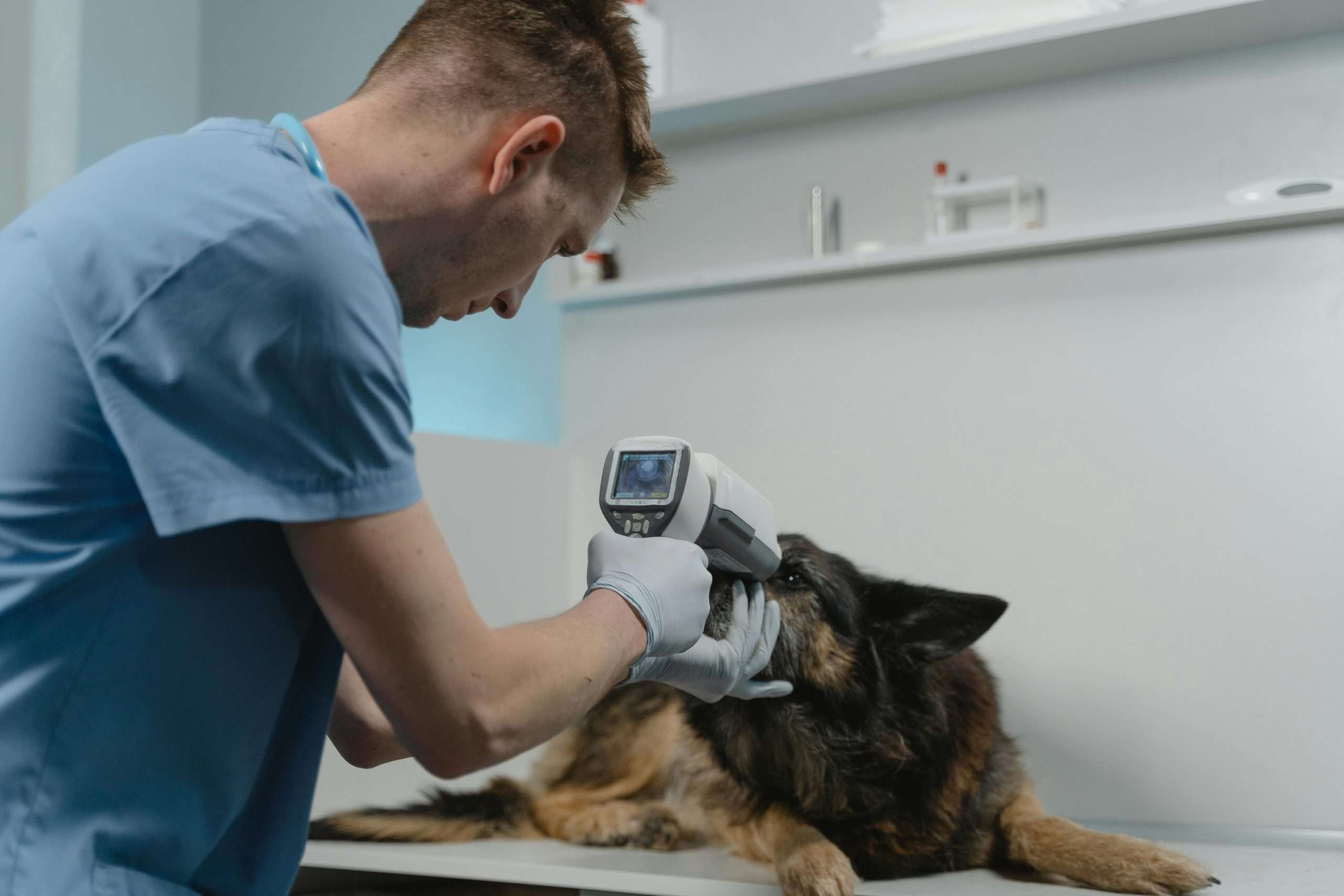
When your beloved pet isn’t feeling well, it can be distressing for both you and your furry friend. Understanding how to recognize and comfort a dog with fever is crucial for every pet parent. Let’s explore everything you need to know about fever in dogs and how to provide the best care for your companion.
Understanding Canine Fever
Unlike humans, dogs naturally maintain a higher body temperature. A normal dog temperature ranges from 101 to 102.5°F (38.3 to 39.2°C), while a fever in dogs is typically considered when their temperature rises above 103°F (39.4°C). It’s essential to understand that fever is the body’s natural defense mechanism against infection or inflammation.

Signs and Symptoms of Fever in Dogs

Recognizing the symptoms of fever in dogs early can help ensure prompt treatment. Watch for these common signs:
- Lethargy or decreased energy
- Warm ears and nose
- Shivering or trembling
- Red or glassy-looking eyes
- Loss of appetite
- Decreased water intake
- Coughing
- Vomiting
- Nasal discharge
- Panting excessively
- Depression or unusual behavior
Common Causes of Fever in Dogs
Dogs with fever may be experiencing various underlying conditions:
Infections
- Bacterial infections
- Viral infections
- Fungal infections
- Ear infections
- Urinary tract infections
- Infected wounds or cuts
Other Causes
- Recent vaccinations
- Immune system disorders
- Inflammatory conditions
- Ingestion of toxic substances
- Cancer
- Fever of Unknown Origin (FUO)
How to Check Your Dog’s Temperature
The only accurate way to determine if your dog has a fever is by taking their temperature rectally. Here’s how to do it safely:
- Use a digital thermometer specifically designated for pets
- Lubricate the tip with petroleum jelly
- Have someone hold your dog still or keep them calm
- Carefully insert the thermometer about 1 inch into the rectum
- Wait for the thermometer to beep (usually 60 seconds)
- Clean and disinfect the thermometer after use
Note: The old myth about a dry, warm nose indicating fever in dogs is unreliable. Always use a thermometer for accurate readings.
Comforting Your Dog During a Fever
When your dog has a fever, providing comfort is essential. Here are effective ways to help them feel better:
Create a Comfortable Environment
- Set up a quiet, draft-free space
- Provide soft, clean bedding
- Keep room temperature moderate
- Minimize noise and stress
Hydration Support

- Ensure fresh water is always available
- Encourage small, frequent sips
- Consider ice chips if they’re reluctant to drink
- Monitor water intake
Cooling Methods for Dogs with Fever
- Apply cool (not cold) water to ears and paws
- Use fans to circulate air gently
- Place cool, damp towels on their body
- Monitor temperature regularly
Related reads:
Bacterial Infections in Dogs – Different Types and Treatment
When to Seek Emergency Care
Certain situations require immediate veterinary attention. Rush your dog to the emergency vet if:
- Temperature exceeds 106°F (41.1°C)
- Fever persists for more than 24 hours
- Multiple symptoms occur simultaneously
- Your dog appears severely distressed
- Difficulty breathing
- Severe lethargy or unresponsiveness
Home Care Tips for Dogs with Fever
While waiting for veterinary care or managing a mild fever, consider these home care strategies:
- When your dog is experiencing a fever, providing proper comfort and care becomes crucial for their recovery. Creating an ideal environment starts with setting up a quiet, draft-free space in your home. Choose a room away from high-traffic areas where your dog can rest undisturbed. Layer their bed with soft, clean blankets or towels that can be easily changed if they become soiled or too warm. The room temperature should be moderate – not too warm or cold – to help your pet regulate their body temperature naturally.
- Hydration plays a vital role when dogs have fever. Unlike humans, dogs can’t simply tell us when they’re thirsty, and fever can quickly lead to dehydration. Keep fresh, clean water available at all times, placing multiple water bowls near their resting area if necessary. If your dog seems reluctant to drink, try offering water from your hand or using a clean turkey baster to gently squirt small amounts of water into the side of their mouth. Ice chips can also be an effective way to maintain hydration, as some dogs may find them more appealing than regular water when feeling unwell.
- When it comes to cooling methods for dogs with fever, it’s essential to use gentle, gradual approaches. Apply cool – never cold – water to your dog’s ears and paws using a soft cloth. These areas help regulate their body temperature naturally. You can also use fans to circulate air gently around your pet, but avoid pointing them directly at your dog as this could cause chilling. If using damp towels, ensure they’re not too wet and monitor your dog’s temperature regularly to prevent overcooling.
- Creating a stress-free environment extends beyond just finding a quiet space. Minimize visitors and keep other pets away if possible. Your dog needs rest to recover, and too much activity or excitement can exacerbate their condition. Pay attention to your own energy levels too – dogs are sensitive to their owners’ emotions, so maintaining a calm, reassuring presence can help them feel more secure.
- When providing home care, it’s crucial to avoid certain common mistakes. Never attempt to treat your dog’s fever with human medications like acetaminophen or ibuprofen, as these can be deadly for dogs. Additionally, avoid using alcohol baths or very cold water to reduce fever, as these methods can cause shock and make the situation worse. Instead, focus on gentle cooling methods and proper hydration while following your veterinarian’s specific instructions.
Preventing Future Fevers
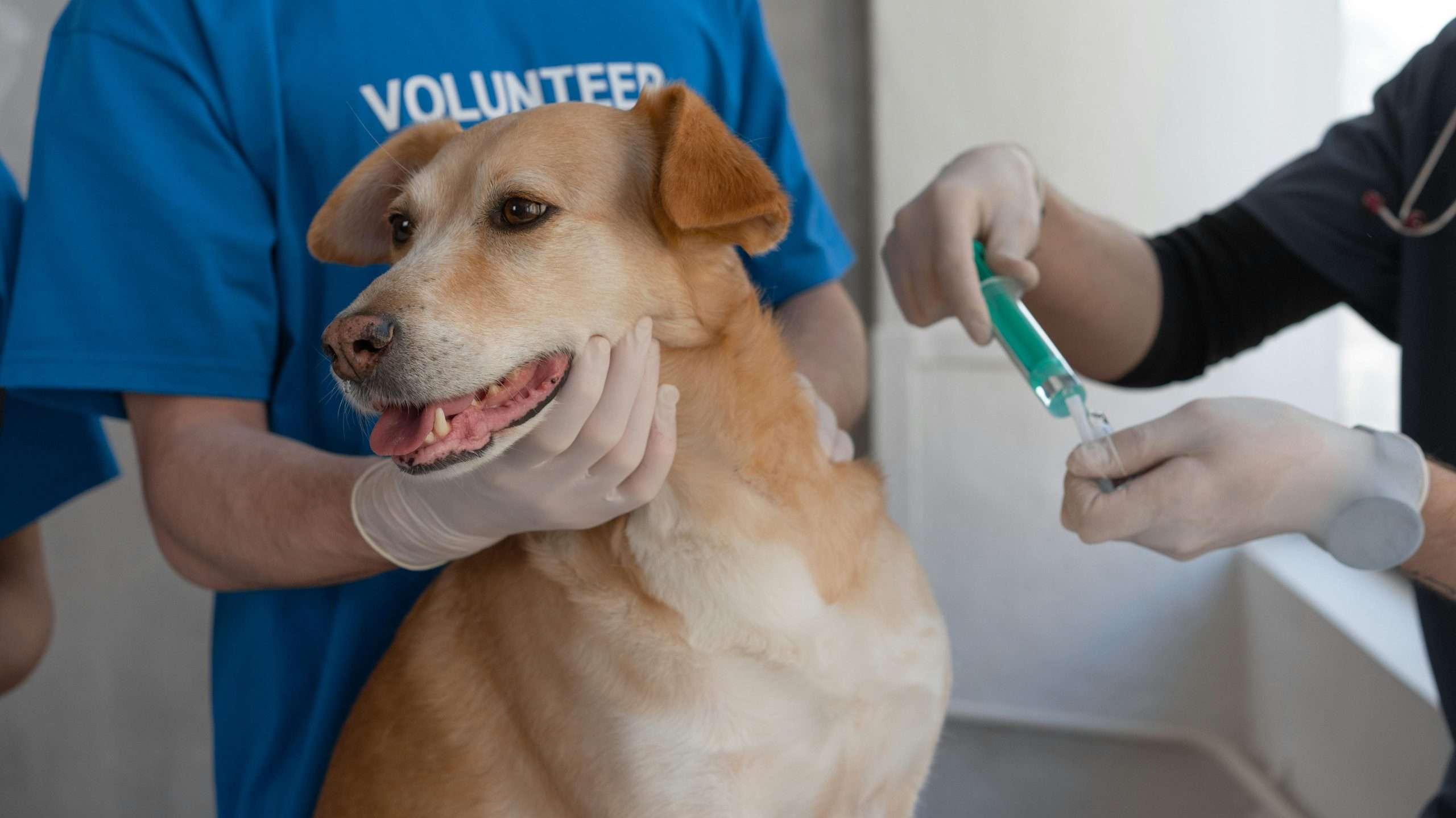
While not all fevers are preventable, these steps can help reduce the risk:
- Maintain regular veterinary check-ups
- Keep vaccinations current
- Practice good hygiene
- Prevent access to toxic substances
- Address injuries or infections promptly
- Maintain a clean living environment
Saying Goodbye!
Managing fever in dogs requires attention, care, and often professional medical intervention. By understanding the signs, causes, and appropriate responses to canine fever, you can provide better care for your furry friend during illness. Remember that while comfort measures are important, proper veterinary care is essential for treating the underlying cause of the fever.
FAQs About Fever in Dogs
How often should I check my dog’s temperature during a fever?
Monitor every 1-2 hours for high fevers, or as directed by your veterinarian.
Can I give my dog human fever medication?
No, never give human medications as they can be toxic to dogs.
How long can a fever in dogs last?
Fevers should not persist longer than 24 hours without veterinary attention.