10 Easy Tricks to Teach Your Puppy Early

Getting a new puppy is exciting and a little overwhelming. Amid the cuddles, playtime, and house training, one thing that’s often overlooked is trick training. But here’s the good news: you don’t need to wait until your dog is older. You can teach your puppy simple and fun tricks from the very beginning.
Starting early helps build your puppy’s focus, boosts confidence, and strengthens your bond. Plus, it’s a great way to use their energy in a positive and rewarding way. Let’s explore how to get started and 10 easy tricks you can try today.

What You Need Before You Start to Teach Your Puppy
Before you jump into trick training, a few basics will make your sessions smoother.
First, set the stage. Choose a quiet, distraction-free spot like your living room or kitchen. Have a stash of small, soft treats your puppy loves. You’ll also need patience, consistency, and a cheerful attitude – puppies respond best when learning feels like a game.
You don’t need any fancy tools to teach your puppy tricks. A clicker can help mark good behavior more clearly, but even saying “yes!” in an enthusiastic voice works fine. Keep sessions short (5 to 10 minutes), and always end on a positive note.
Foundational Skills That Help You Teach Your Puppy
Before moving into actual “tricks,” some foundational behaviors make learning easier.
Name Recognition
Your puppy should consistently respond to their name. This helps them stay focused when you give cues.
Marker Words or Clicker Use
Choose a sound or word (like “yes!”) to mark the exact moment your puppy gets it right. This gives clear feedback.
Eye Contact
Teaching your puppy to make eye contact builds trust and attention. Reward any time they look at you during training.
These basics lay the groundwork so you can confidently move forward and teach your puppy with better results.
10 Easy Tricks to Teach Your Puppy in the First Few Months
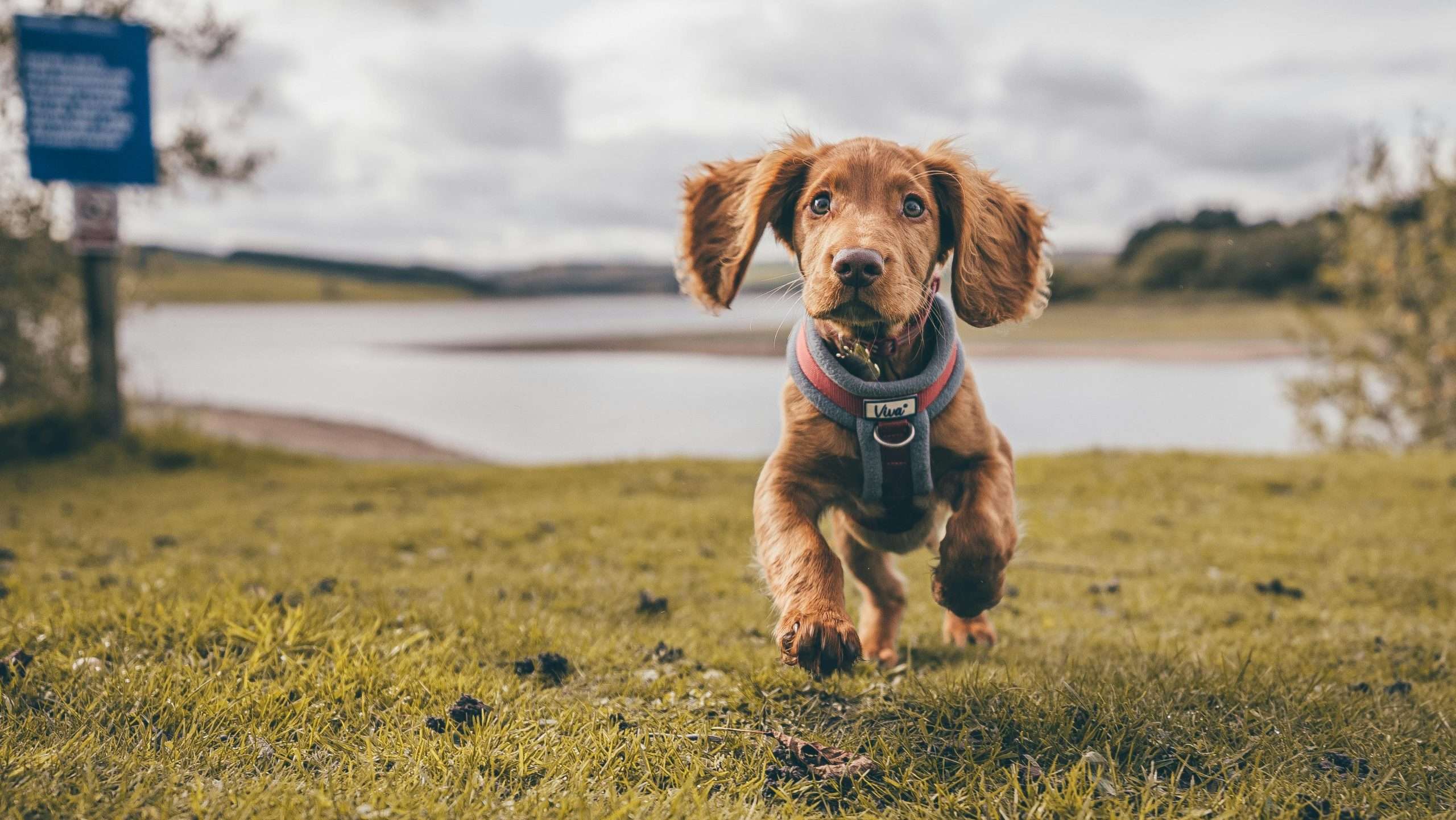
Let’s get into the fun part! These 10 tricks are beginner-friendly and build on each other over time.
1. Sit
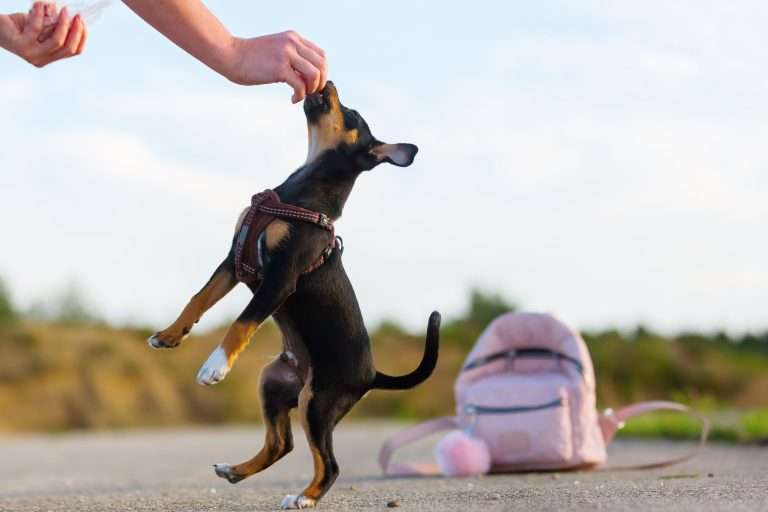
Almost every pet parent starts with this. To teach your puppy to sit, hold a treat close to their nose and slowly move your hand upward. Their bottom should naturally lower. The moment it touches the ground, say “yes!” and reward.
2. Stay
Ask your puppy to sit. Then, hold your palm up like a “stop” sign and say “stay.” Step back a little—if they don’t move, reward and praise. Gradually increase the time and distance. When you teach your puppy to stay, you also build their patience.
3. Come
With a happy tone, call your puppy’s name followed by “come!” You can crouch, clap, or cheer them on. When they run to you, give a treat and lots of praise. It’s an essential cue to teach your puppy for safety and recall.
4. Shake or Paw
Hold out your hand. If your puppy naturally paws at it, say “shake” and reward. If not, gently lift their paw yourself a few times while saying the cue, and then reward. This trick builds interaction and trust.
5. Roll Over
Have your puppy lie down. Move a treat from their nose toward their shoulder and over their back. They’ll naturally roll to follow it. Praise when they roll fully. This is a fun and slightly advanced trick to teach your puppy once they’re comfortable on the ground.
6. Spin
Hold a treat in front of your puppy’s nose and guide them in a circle. Once they follow all the way around, say “spin” and reward. Spin is energetic and easy to teach your puppy with a bit of repetition.
7. Take a Bow
When your puppy is standing, lure a treat from their nose down between their front legs. This lowers their chest while their back stays up. Praise and say, “take a bow.” It’s an adorable trick to show off.
8. Kiss
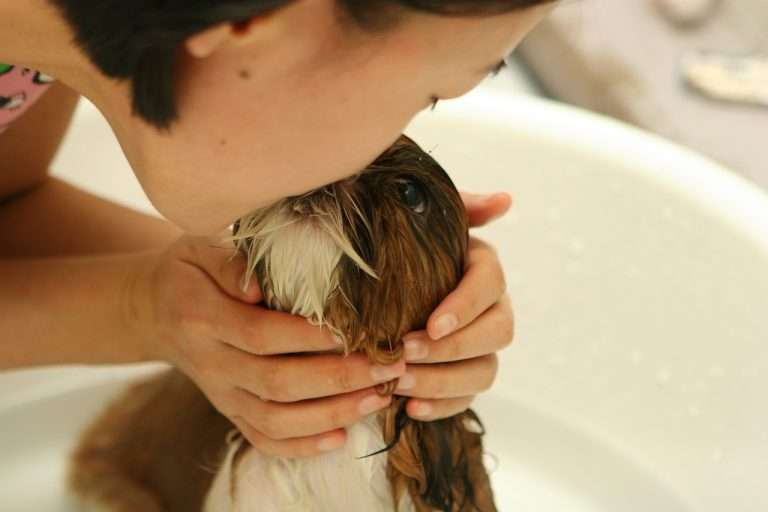
Whenever your puppy licks your face or hand, say “kiss” and reward. Eventually, they’ll associate the word with the action. Just be sure you’re okay with a little slobber when you teach your puppy this one!
9. Crawl
Have your puppy lie down, then slowly drag a treat forward on the floor. If they shuffle forward without getting up, praise and reward. This trick improves body awareness and focus.
10. Touch (Targeting)
Hold your palm out in front of your puppy’s nose. When they touch it, say “yes!” and give a treat. Say “touch” each time. This is great to teach your puppy for guiding them through more complex tricks later.
Related reads:
Master a Consistent Dog Training Routine: 10 Tips for Consistency
How Often Should You Teach Your Puppy New Tricks?
Start with one or two tricks and focus on mastering those. Repetition helps build memory. Train 2–3 times a day in short bursts, always ending on a positive note.
Don’t overload your pup by teaching too many tricks at once. Puppies have short attention spans. If your sessions feel like play, they’ll stay engaged and excited to learn more.
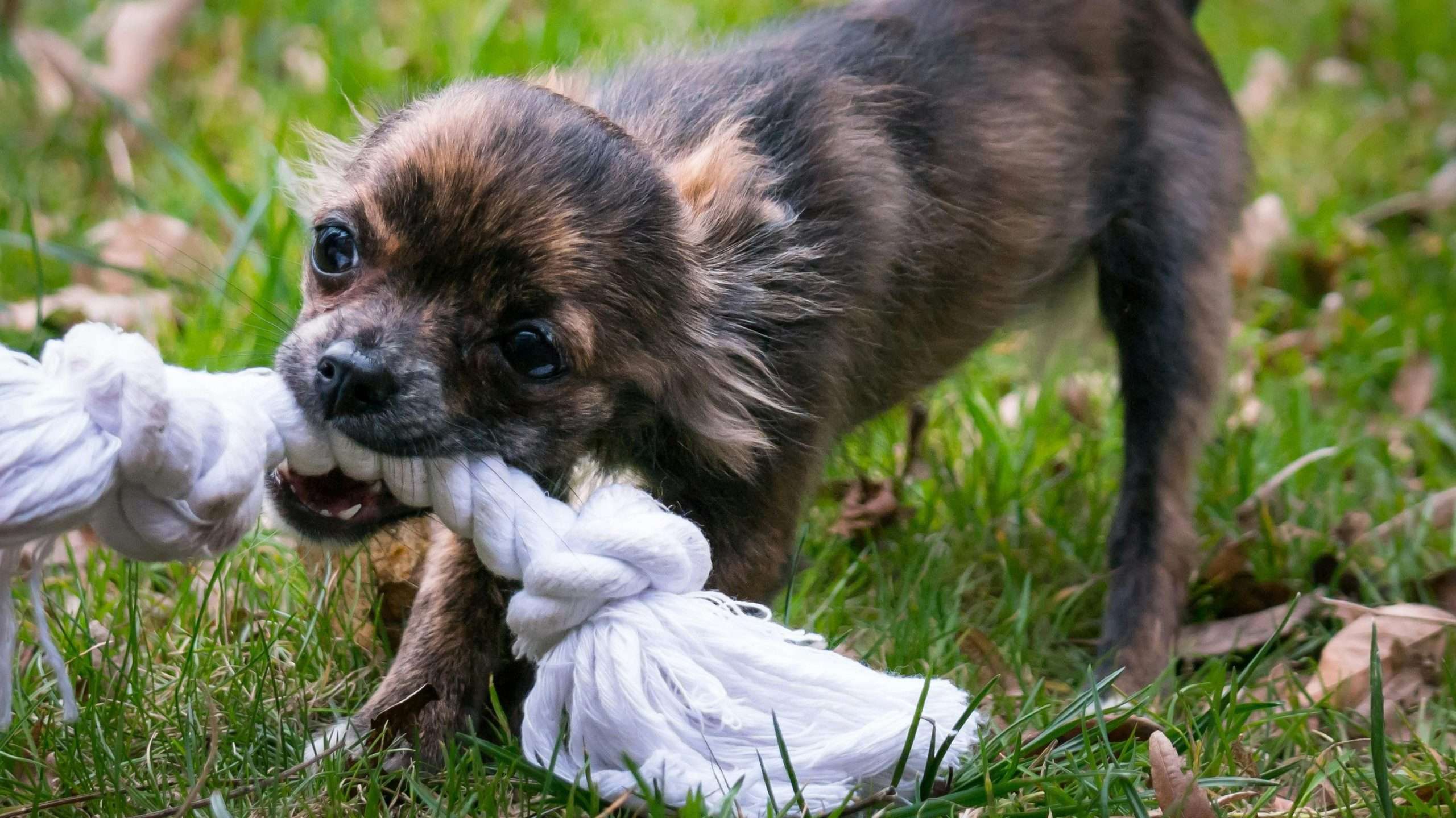
Mistakes to Avoid When You Teach Your Puppy Tricks
Everyone makes mistakes during training. The key is recognizing and correcting them early:
- Rewarding too late: Timing is everything. Your puppy needs to connect the treat with the correct action.
- Expecting too much too soon: Puppies forget. Be patient, and don’t expect perfection.
- Using treats forever: Once your puppy knows a trick, try using praise or a toy. Or fake them out with an “air treat.”
- Changing your tone too often: Puppies read your voice. Stay calm, encouraging, and consistent.
- Not making it fun: Trick training should feel like a game. If your puppy is bored or confused, stop and try again later.
What If Your Puppy Isn’t Interested?
Not every puppy will respond the same way. If yours seems distracted, they might be tired, full, or overstimulated. Take a break. Sometimes, even a short nap helps reset their mood.
Other times, it helps to switch up the reward. Some puppies prefer toys or affection over treats. Pay attention to what motivates your pup—when you find what clicks, it becomes easier to teach your puppy anything.
When to Try More Advanced Tricks
Once your puppy consistently follows basic cues, you can build on them. Tricks like “clean up,” “fetch specific toys,” or “ring a bell” can come next. Use the same positive methods, keep it light, and celebrate small wins. Let curiosity lead the way as you continue to teach your puppy.
Final Thoughts: Keep It Fun When You Teach Your Puppy
The joy of watching your puppy learn and grow is unmatched. Every trick they master is a step toward better communication, deeper bonding, and a happier home. Remember, the goal isn’t perfection—it’s progress and connection.
So grab some treats, clear a little space, and get ready to teach your puppy. You’ll both have a lot of fun along the way.