How to Take Care of a Basenji Dog

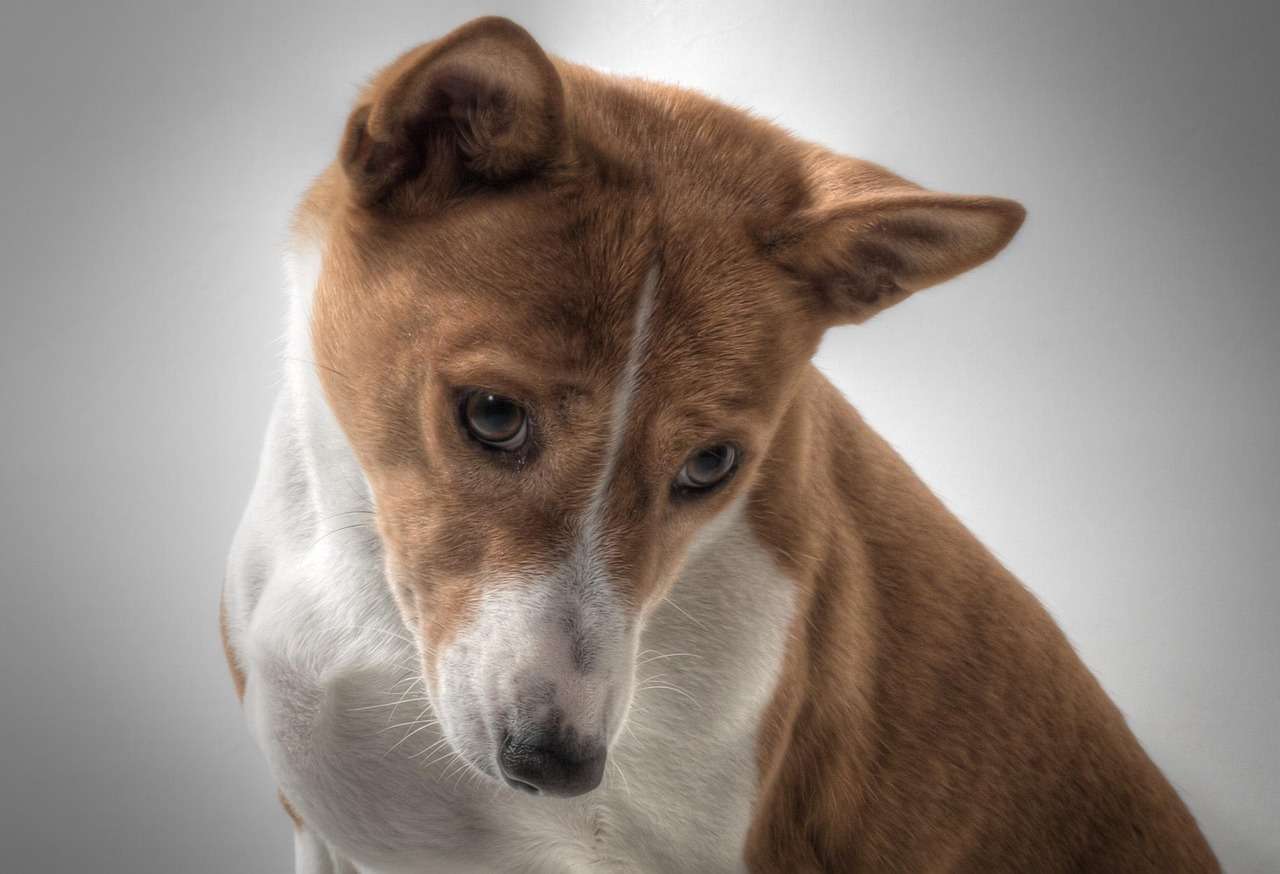
The Basenji dog is unlike any other breed. Sometimes called the “barkless dog of Africa,” this ancient breed has earned a reputation for its quiet nature, cat-like grooming habits, and clever, independent personality. But don’t let the silence fool you – this dog is full of energy, curiosity, and mischief.
Caring for this unique breed requires a balance of structure, activity, and understanding. If you’re thinking of bringing home a Basenji dog, or already have one trotting around your home, this complete care guide will walk you through everything you need to know; from feeding and grooming to behavior and health.

Understanding the Temperament of a Basenji Dog
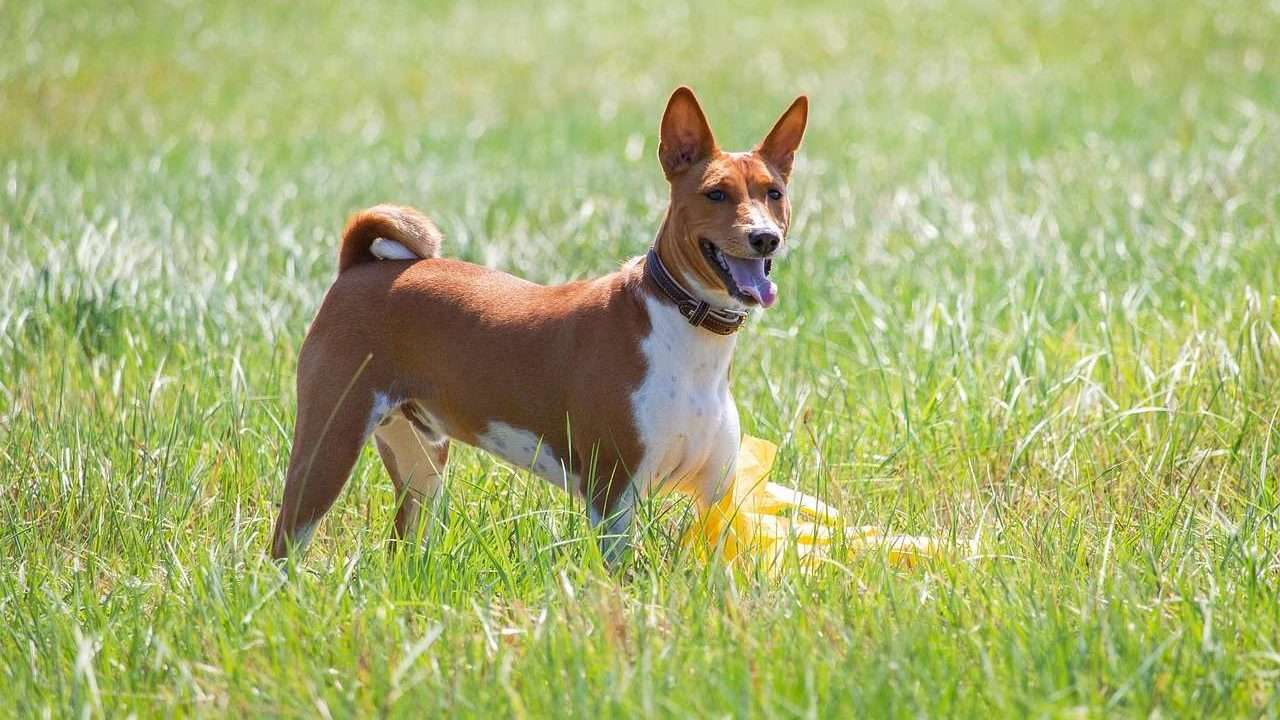
The Basenji dog is famously independent and clean – traits often associated with cats. While they form strong bonds with their humans, they tend to be aloof with strangers. They’re not lap dogs and don’t crave constant attention, but they do enjoy interaction and affection on their terms.
These dogs are energetic and smart, but also prone to boredom. Without enough physical and mental stimulation, a Basenji dog may entertain itself in less-than-ideal ways, like chewing, escaping, or excessive digging. That’s why consistency, daily routines, and enriched environments are crucial for their well-being.
Daily Care for a Basenji Dog
Exercise & Stimulation
The Basenji dog is a high-energy breed with strong hunting instincts. These dogs need at least one hour of exercise per day. Long walks, runs, and off-leash time (in fenced areas only) are ideal.
Mental stimulation is equally important. Use puzzle toys, scent-based games, and training sessions to keep their clever minds active. A bored dog of this breed is a destructive one — providing daily challenges helps keep them focused and happy.
Safe Spaces
Fences should be tall and secure – this breed is known for climbing and jumping. Basenjis should never be let off-leash in open areas. If you’re walking your Basenji dog in public, use a secure harness and leash.
Training Tips for a Basenji Dog
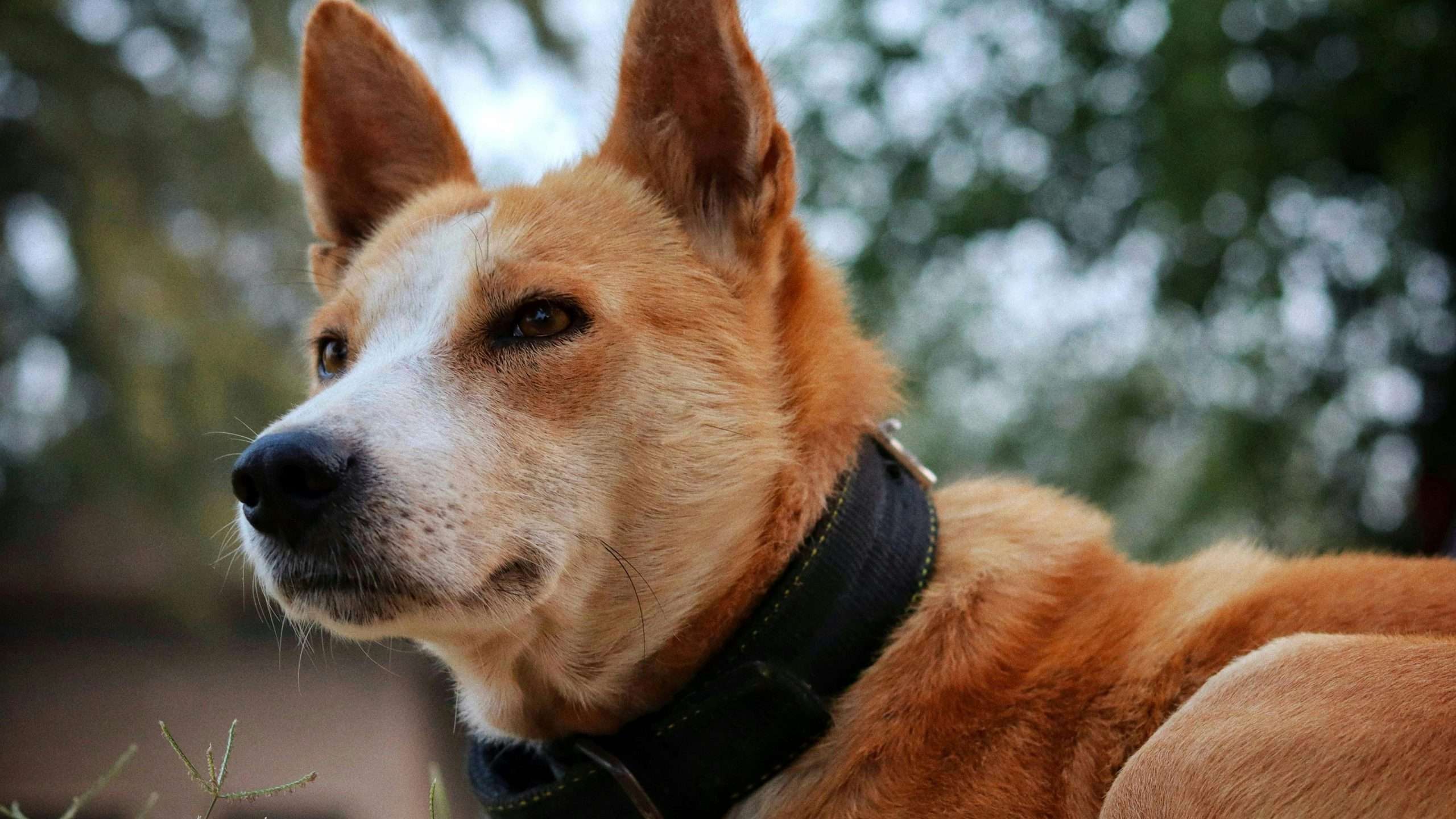
Training a Basenji dog can feel like trying to convince a cat to sit. They’re smart (sometimes too smart) and tend to question authority. Positive reinforcement is key: reward good behavior with treats, praise, or play.
Keep sessions short and engaging. Avoid repetition, as it can quickly bore them. Variety and fun are your best tools when training the dog.
Early socialization is crucial. Expose them to different people, sounds, and situations in their puppy stage to help reduce their natural wariness and build confidence.
Feeding Your Dog: Diet and Nutrition
What to Feed
Choose a high-quality commercial dog food approved by AAFCO. Whether you opt for dry kibble or wet food, make sure it meets your Basenji dog’s specific age, size, and energy needs. Puppies require a puppy-formulated diet until about 12 months of age.
How Much to Feed
Portion size depends on your dog’s weight, lifestyle, and health. A typical adult Basenji dog weighs around 20–24 pounds. Feeding guidelines on food labels are a good starting point, but your vet can give you a more tailored plan.
Feeding once or twice a day is ideal. Because this breed loves a challenge, try using puzzle feeders to make mealtime stimulating.
Treats and Supplements
Keep treats in moderation – extra calories add up quickly for a compact Basenji dog. Joint supplements containing glucosamine and chondroitin are commonly recommended, especially because Basenjis are prone to hip dysplasia.
Grooming Your Dog
If you’re not a fan of doggy odor or heavy shedding, you’re in luck — the Basenji dog is famously low-maintenance.
Coat and Skin Care
The short, fine coat requires minimal upkeep. Brush once a week to remove dirt and loose hair. They rarely need baths and often groom themselves like a cat.
Watch for skin irritation, especially in allergy seasons. Any signs of scabs, excessive scratching, or redness should be checked by a vet.
Eye and Ear Care
Clean your dog’s ears every 2–4 weeks using a vet-approved ear solution. Redness, discharge, or foul smell could signal infection.
Eyes are typically healthy, but if you notice cloudiness, redness, or squinting, get them examined promptly.
Dental Care
Brush their teeth several times a week to prevent tartar buildup. Dental chews are a helpful supplement, but not a full replacement for brushing.
Related reads:
7 Professional Dog Grooming Techniques You Can Do at Home
Common Health Concerns in a Basenji Dog
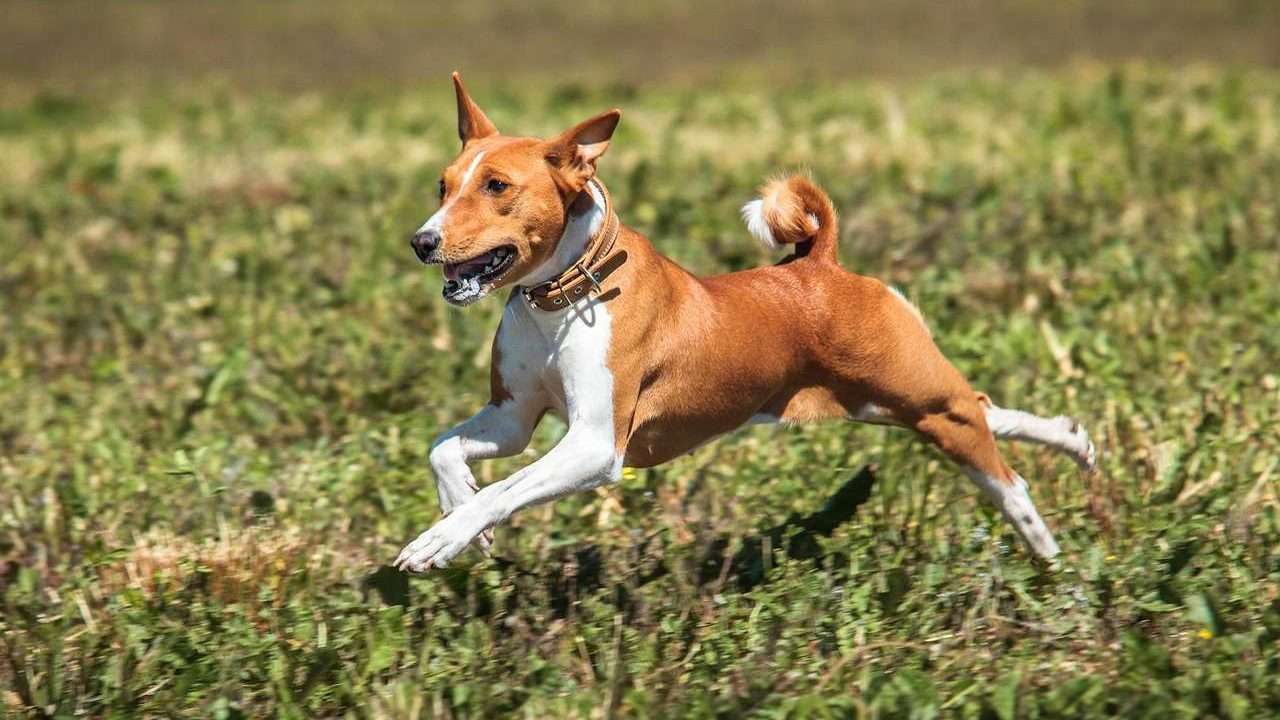
While generally healthy, the Basenji dog is prone to a few genetic and age-related conditions.
Fanconi Syndrome
This kidney condition affects the ability to retain nutrients. Early signs include excessive drinking or urination. A DNA test is available, and ethical breeders screen for this.
Hypothyroidism
Low thyroid hormone levels can cause lethargy, weight gain, and skin issues. It’s manageable with daily medication once diagnosed.
Progressive Retinal Atrophy (PRA)
This condition leads to gradual vision loss and, eventually, blindness. While untreatable, dogs can adapt to limited vision with time.
Hip Dysplasia
Though more common in large breeds, hip dysplasia affects the Basenji dog too. Early signs include stiffness or difficulty jumping. Regular vet checks and joint supplements can help manage symptoms.
Fun Activities for a Basenji Dog
To keep your Basenji dog happy and tired (the best kind of Basenji), try engaging activities like:
- Scent work or nose games
- Agility courses
- Lure coursing
- Hiking or trail runs
- Hide-and-seek with treats
- Interactive toys
Boredom is the enemy — the more variety you provide, the more balanced your Basenji dog will be.
Is the Basenji Dog Right for You?
Before adopting a Basenji dog, ask yourself:
- Can I commit to daily exercise and mental stimulation?
- Am I patient enough for independent, sometimes stubborn behavior?
- Do I have a secure, escape-proof outdoor space?
- Will the dog be alone for long hours during the day?
If you’re an active individual or family who values a clean, quiet, and smart companion – and you’re willing to invest time in consistent care – the Basenji dog can be an incredibly rewarding pet.
Final Thoughts
Living with a Basenji dog is a journey – one filled with intelligence, personality, and a bit of challenge. Their clean habits and low-shedding coat may fool you into thinking they’re easy, but their high energy and independence require dedicated care.If you’re ready to invest the time and attention a dog demands, you’ll gain a loyal, entertaining, and endlessly fascinating companion. Train consistently, keep them active, feed them well, and show patience; and your dog will thrive in your care.



![German Shepherd Dog Breed Health and Care[2024]](https://100dogbreeds.com/wp-content/uploads/2024/07/German-Shepherd-with-owner-scaled-e1719856225884-768x384.jpg)