Sleep Disorders in Dogs: 4 Tips to Improve their Sleep Environment


As pet owners, we often focus on our dogs’ nutrition, exercise, and medical care. However, one crucial aspect of dog’s health that sometimes gets overlooked is sleep. Just like humans, dogs need quality sleep to maintain their physical and mental well-being. Unfortunately, sleep disorders in dogs are more common than many pet owners realize.
This article will explore various sleep disorders in dogs, their impacts, and provide tips on how to improve your furry friend’s sleep environment.

Understanding Dog Sleep Patterns
Before diving into sleep disorders, it’s essential to understand normal sleep patterns in dogs. On average, adult dogs sleep between 12 to 14 hours per day, while puppies and senior dogs may sleep up to 18-20 hours. Dogs have different sleep cycles compared to humans, alternating between periods of wakefulness and sleep more frequently throughout the day and night.
Common Sleep Disorders in Dogs

Sleep disorders in dogs can manifest in various ways, affecting their overall health and behavior. Here are some of the most common sleep issues:
Dog Insomnia
Dog insomnia is characterized by difficulty falling asleep or staying asleep. While less common than in humans, dog insomnia can be caused by various factors such as anxiety, pain, or underlying medical conditions. Dogs suffering from insomnia may appear restless, pacing, or whining during normal sleep hours.
Narcolepsy
Narcolepsy is a neurological disorder that causes sudden sleep attacks. Dogs with narcolepsy may collapse and fall asleep unexpectedly, even during active periods. This condition is often genetic and more common in certain breeds.
REM Behavior Disorder
During normal sleep, dogs experience periods of rapid eye movement (REM) sleep, where they may twitch or move slightly. However, dogs with REM behavior disorder may act out their dreams more dramatically, potentially causing harm to themselves or others nearby.
Sleep Apnea
Sleep apnea occurs when a dog’s airway becomes blocked during sleep, causing brief pauses in breathing. This condition is more common in brachycephalic (flat-faced) breeds and overweight dogs. Symptoms include loud snoring and gasping for air during sleep.
Signs of Sleep Problems in Dogs
Recognizing the signs of sleep disorders in dogs is crucial for early intervention. Some common indicators include:
- Excessive daytime sleepiness
- Difficulty waking up
- Irritability or aggression
- Changes in appetite
- Disorientation or confusion
- Increased vocalization at night
If you notice any of these signs persistently, it’s important to consult with your veterinarian to rule out any underlying health issues.
Importance of Quality Sleep for Dogs
Quality sleep is vital for a dog’s overall health and well-being. Here are some key benefits of good sleep for dogs:
- Physical health: Sleep helps in tissue repair, immune system function, and hormone regulation.
- Mental health: Adequate sleep improves mood, reduces anxiety, and supports cognitive function.
- Behavioral improvements: Well-rested dogs are typically more responsive to training and less likely to exhibit problematic behaviors.
Tips to Improve Your Dog’s Sleep Environment
Creating an optimal sleep environment can significantly help in managing sleep disorders in dogs. Here are some tips to enhance your dog’s sleep space:
Create a Comfortable Sleeping Area
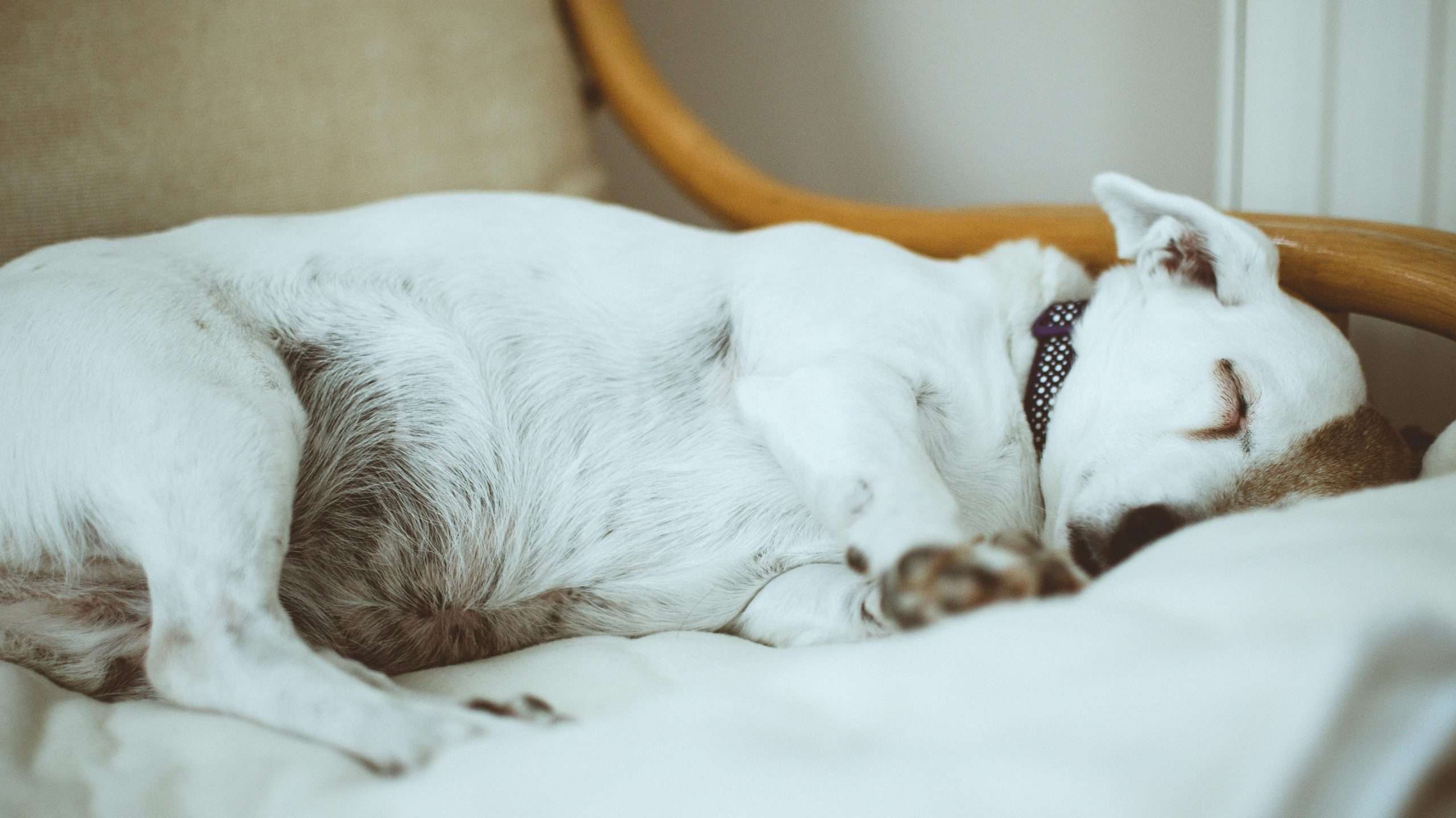
Designate a specific area for your dog to sleep, preferably in a quiet part of your home. Ensure the space is comfortable, with appropriate bedding that supports your dog’s size and any specific needs (e.g., orthopedic beds for older dogs).
Control Temperature and Lighting
Maintain a comfortable room temperature, typically between 65-75°F (18-24°C). Use curtains or blinds to control light levels, creating a darker environment during sleep times.
Reduce Noise and Distractions
Minimize disruptive noises and activities around your dog’s sleeping area. Consider using white noise machines or calming music to mask external sounds.
Choose the Right Dog Bed
Invest in a high-quality dog bed that suits your pet’s size, age, and any health conditions. Memory foam beds can be particularly beneficial for dogs with joint issues or those prone to dog insomnia.
Establishing a Healthy Sleep Routine
Consistency is key when it comes to managing sleep disorders in dogs. Here’s how to establish a healthy sleep routine:
Consistent Sleep Schedule
Try to maintain regular sleep and wake times for your dog, even on weekends. This helps regulate their internal clock and improve sleep quality.
Pre-sleep Rituals
Develop a calming bedtime routine, such as a short walk, gentle grooming, or quiet playtime. This signals to your dog that it’s time to wind down.
Exercise and Activity Timing
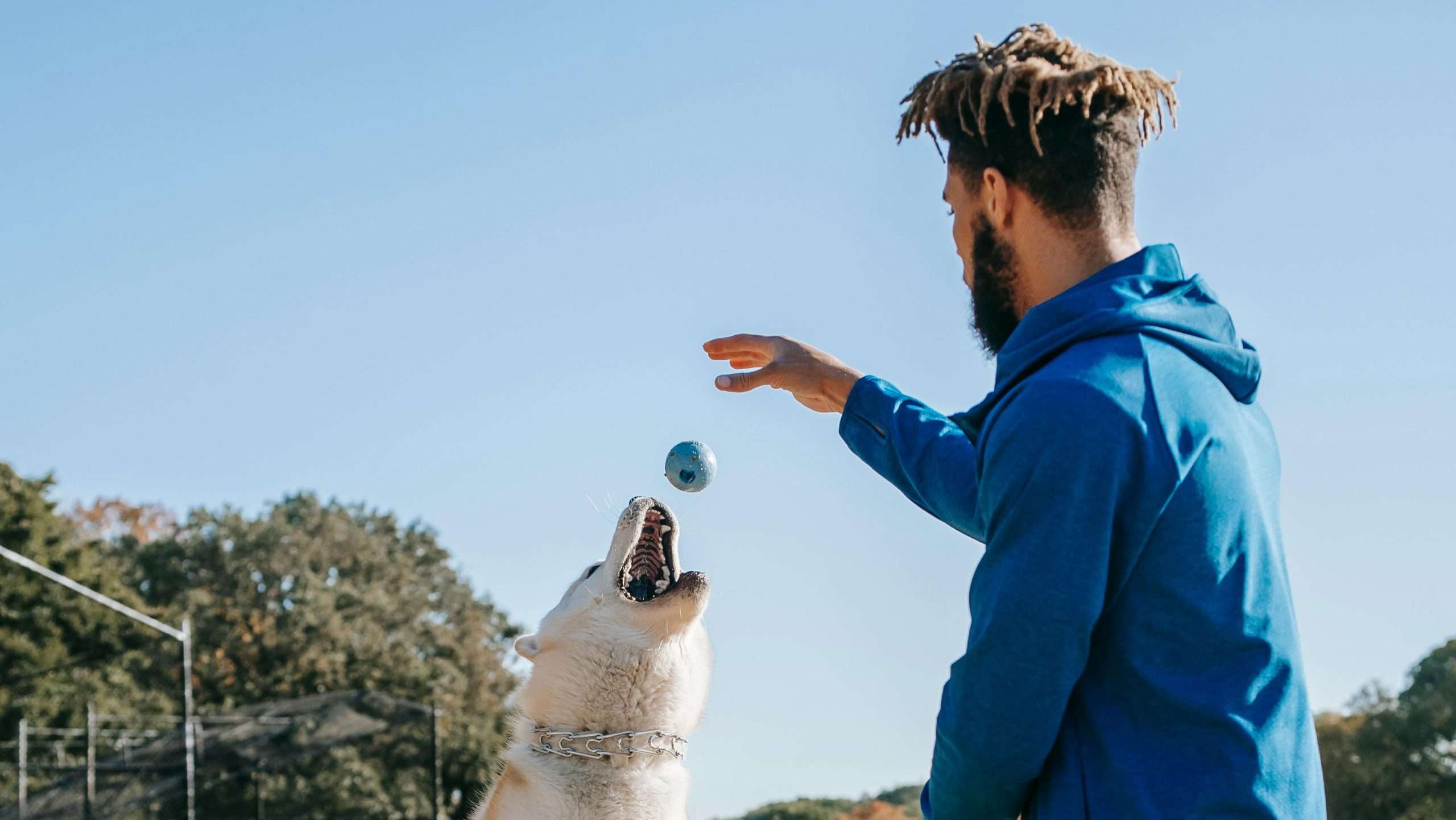
Ensure your dog gets adequate exercise during the day, but avoid vigorous activity close to bedtime. Aim to complete exercise sessions at least a few hours before sleep time.
Related reads:
The Ultimate Guide to Regular Exercise for Dogs: Benefits and Tips for a Healthy, Happy Pet
Diet and Nutrition for Better Sleep
What your dog eats and when can significantly impact their sleep quality. Consider the following:
- Feed balanced meals at consistent times each day.
- Avoid large meals close to bedtime.
- Limit water intake in the evening to reduce nighttime bathroom needs.
- Consider consulting with your vet about supplements that may aid sleep, such as melatonin (under veterinary guidance only).
Addressing Underlying Health Issues
Many sleep disorders in dogs can be symptoms of underlying health problems. If you suspect your dog is experiencing sleep issues:
- Consult with your veterinarian for a thorough check-up.
- Discuss any medications your dog is taking, as some can affect sleep patterns.
- Address any pain or discomfort your dog may be experiencing, as these can contribute to dog insomnia and other sleep problems.
Monitoring and Adjusting Sleep Strategies
Improving your dog’s sleep is often an ongoing process. Keep these points in mind:
- Observe your dog’s sleep patterns and behaviors regularly.
- Be patient – it may take time for new routines and environments to show effects.
- Be willing to make adjustments based on your dog’s responses.
- Consider keeping a sleep diary for your dog to track improvements or identify patterns.
Sleep Well!
Sleep disorders in dogs can significantly impact their health, behavior, and quality of life. By understanding these disorders, recognizing their signs, and implementing strategies to improve sleep environments and routines, pet owners can help ensure their furry companions get the rest they need. Remember, every dog is unique, and what works for one may not work for another. Patience, observation, and a willingness to adjust your approach are key to helping your dog achieve better sleep.
If you’re concerned about your dog’s sleep patterns or suspect they may be suffering from dog insomnia or other sleep disorders, don’t hesitate to consult with your veterinarian. With proper care and attention to their sleep needs, you can help your canine companion lead a happier, healthier life.
FAQs
Can dogs have insomnia like humans?
Yes, dog insomnia is a real condition, though it manifests differently than in humans. Dogs may have trouble falling asleep or staying asleep due to various factors such as anxiety, pain, or medical issues.
How much sleep do dogs need?
Adult dogs typically need 12-14 hours of sleep per day, while puppies and senior dogs may need up to 18-20 hours.
What are some signs of sleep disorders in dogs?
Signs can include excessive daytime sleepiness, difficulty waking up, irritability, changes in appetite, and increased nighttime vocalization.
Can a dog’s diet affect their sleep?
Yes, diet can significantly impact a dog’s sleep quality. Balanced meals at consistent times and avoiding large meals before bedtime can help improve sleep.
When should I consult a vet about my dog’s sleep issues?
If you notice persistent changes in your dog’s sleep patterns, excessive fatigue, or any of the signs of sleep disorders in dogs mentioned in this article, it’s best to consult with your veterinarian.

![Why Do Dogs Sleep So Much? [2024]](https://100dogbreeds.com/wp-content/uploads/2024/10/dog-sleep-featured-2-1-768x432.jpg)