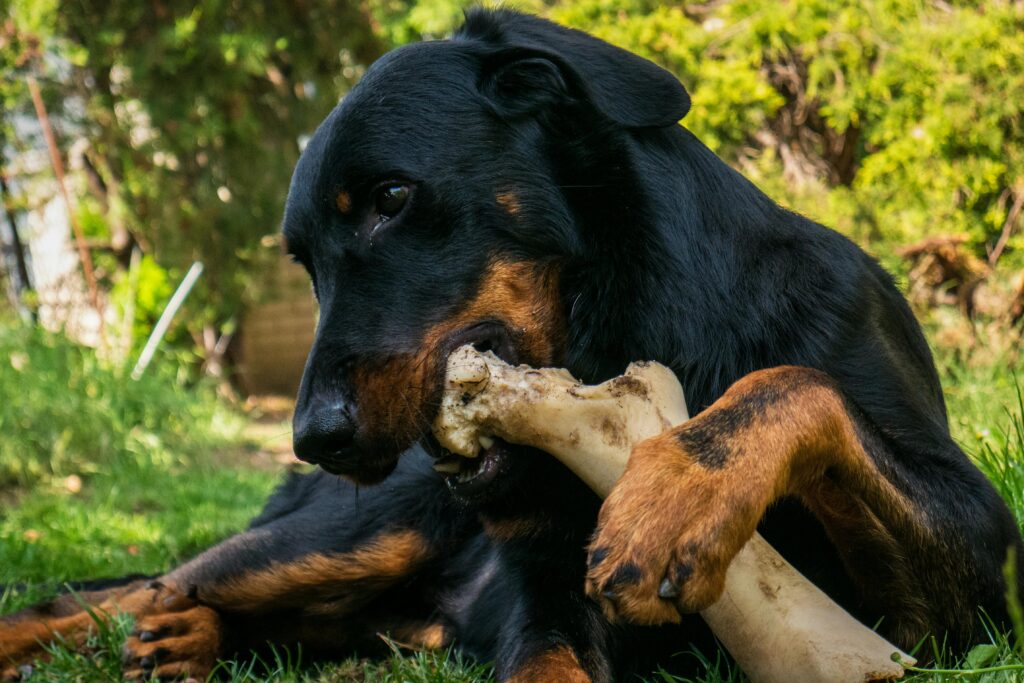
10 Signs Your Dog is Healthy – Must Know Signs


As devoted pet parents, we want our dog to stay healthy and happy. But unlike humans, dogs can’t vocalize when they’re feeling unwell. This leaves many of us struggling with doubts – are we missing crucial signs that our pup isn’t at their best?
The solution lies in educating yourself on the definitive signs your dog is healthy. From bright eyes and a lustrous coat to consistent stool quality and normal vital signs, this guide covers all the indicators of optimal canine health.

Equip yourself with the knowledge to identify these vital signs. Gain the confidence to ensure your beloved pup’s well-being, allowing you both to enjoy adventures together, worry-free.
10 Signs Your Dog is Healthy: Below is the List
Alert, Happy Attitude

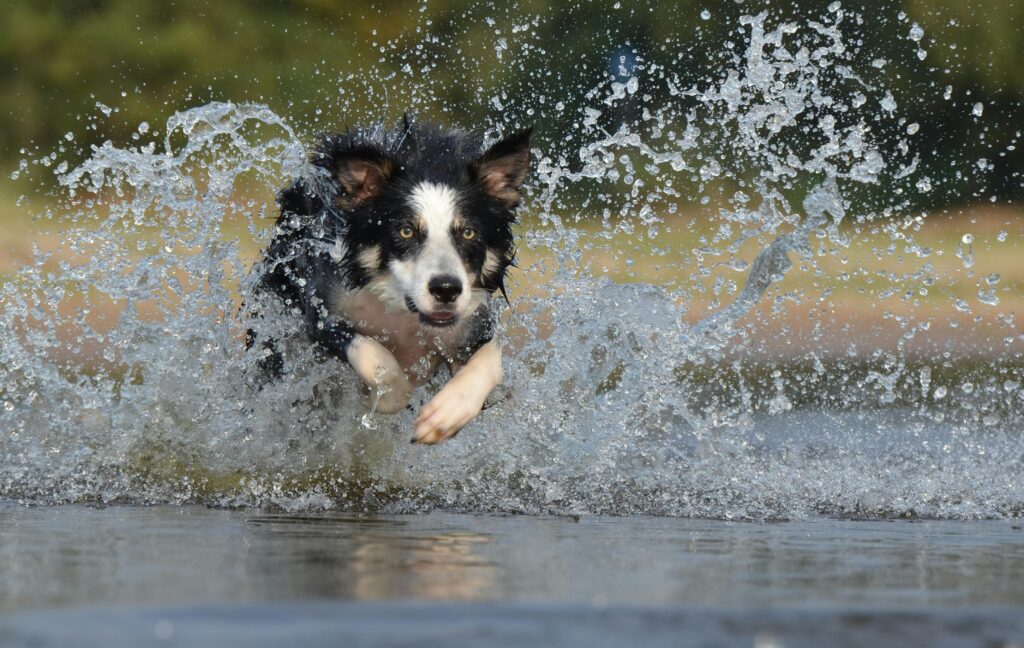
One of the most obvious signs your dog is healthy is an energetic, joyful demeanor. A healthy pup will hold their head high, with bright, alert eyes and a wagging tail that can barely contain their excitement for what adventures lie ahead. They should be inquisitive, enthusiastic about playtime and their favorite activities. If you notice a persistent shift in your dog’s mood or attitude, it could signal an underlying health concern that warrants further investigation.
Hearty Appetite
A healthy dog is typically a hungry dog – and a hearty appetite is undoubtedly one of the most telling signs your dog is healthy. Your four-legged friend should eagerly consume their meal within 10 minutes or less. In the case of particularly delicious, high-quality raw meals, they may even inhale their food in a matter of seconds! A sudden disinterest in food can often be one of the first indicators that something isn’t quite right, whether it’s a gastrointestinal issue, fever, or other illness. If your pup refuses food for more than 24 hours, it’s advisable to consult your veterinarian.
Shiny, Full Coat

Your dog’s coat is one of the most visible representations of their overall health and well-being. A lush, shiny coat free of bare patches or excessive shedding is an unmistakable sign your dog is healthy. On the other hand, a dull, dry, or sparse coat can often indicate poor nutrition or an underlying medical problem. One of the remarkable benefits of feeding a balanced, high-quality raw diet is that your pup’s coat will transform into a thick, lustrous work of art before your very eyes.
Clean, Odor-Free Ears
Healthy dog ears should be clean on the inside, with just a thin coating of protective wax – certainly not excessive buildup, discharge, or odor, as these can signify an infection or allergies. Maintaining clean, fresh-smelling ears is absolutely a sign your dog is healthy.
Clear, Bright Eyes
Have you ever noticed how a dog’s eyes just seem to sparkle when they’re feeling their best? Bright, clear peepers with no excessive discharge are definitely a sign your dog is healthy. Be watchful for any redness, cloudiness, color changes, or other abnormalities, as these could point to an eye infection or other ocular issues.
Fresh Breath and Healthy Mouth
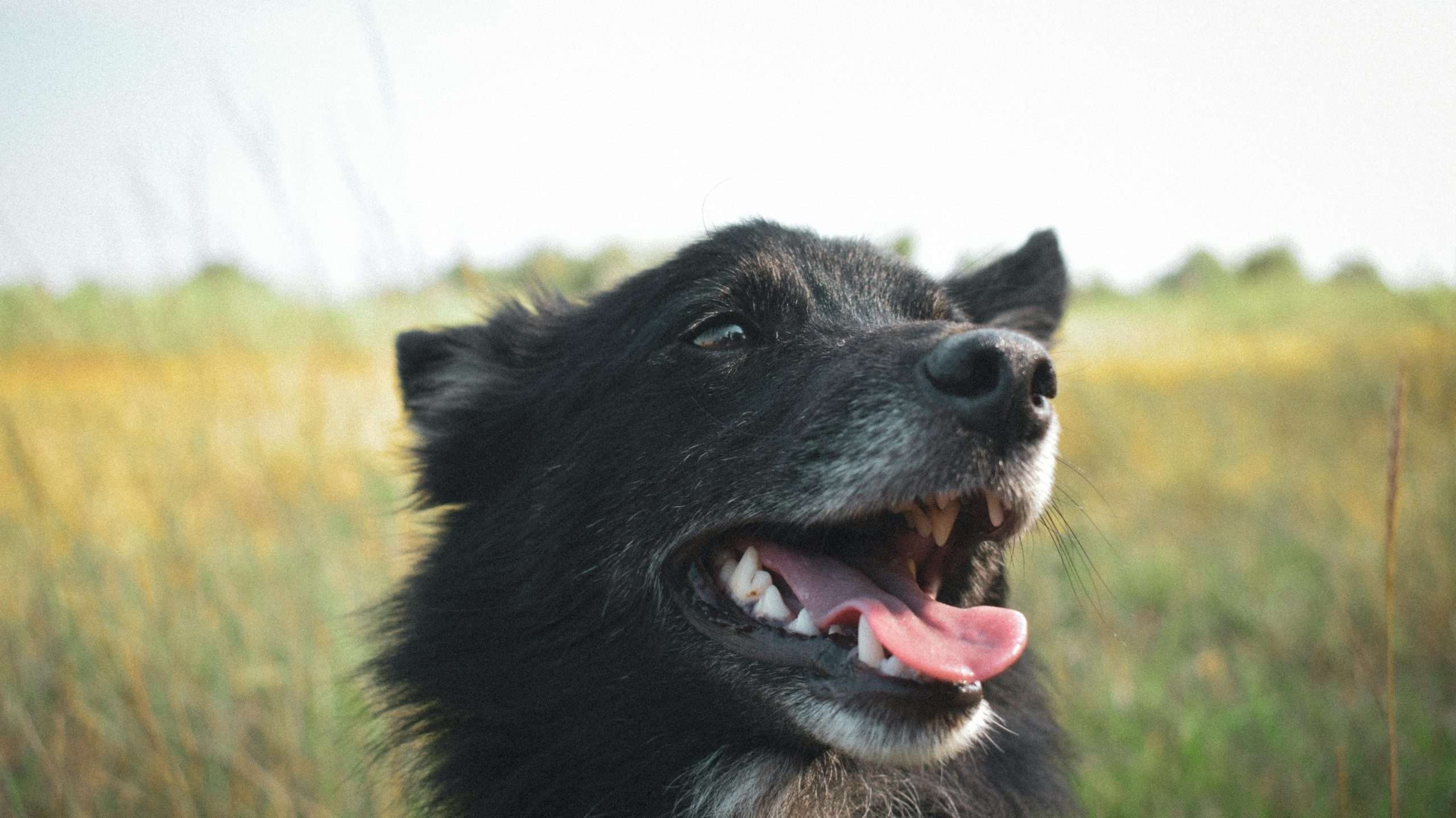
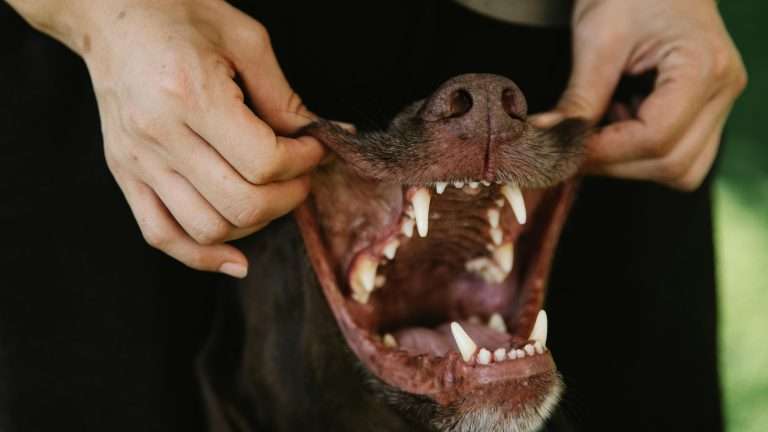
Open wide and let me check that doggy breath! While fresh breath may be setting the bar a bit high for our canine companions, excessively foul odors are not a good sign your dog is healthy. Coupled with clean teeth that reach all the way to the gum line and bright pink gums, relatively fresh breath can indicate good oral hygiene and overall health. Bad breath, excessive tartar buildup, or inflamed gums may signify dental disease or other serious conditions.
Normal Pulse
Checking your dog’s resting heart rate when you know they’re healthy can provide a valuable baseline for comparison when you suspect they may be ill. If your dog has a fever or is feeling pain, their heart rate will increase. To determine your dog’s heart rate, put your hand to their chest, count how many pulses you feel in 15 seconds, and then multiply by 4 to get the number of beats per minute.
Firm, Regular Stools
The color, consistency, and frequency of your dog’s bowel movements can tell you a lot about their overall health. A healthy dog’s stools should be firm and well-formed, not voluminous or excessively stinky. They can range in color depending on the foods they’re eating, from brown to red, green, orange, beige, and more. However, if you notice your dog’s stools are black in color, it may be a sign of gastrointestinal bleeding. Chronic diarrhea (lasting three days or more) is also a cause for concern and warrants a visit to the vet.
Related reads:
5 Effective Tips on How to Potty Train Your Dog or Puppy
Normal Body Temperature
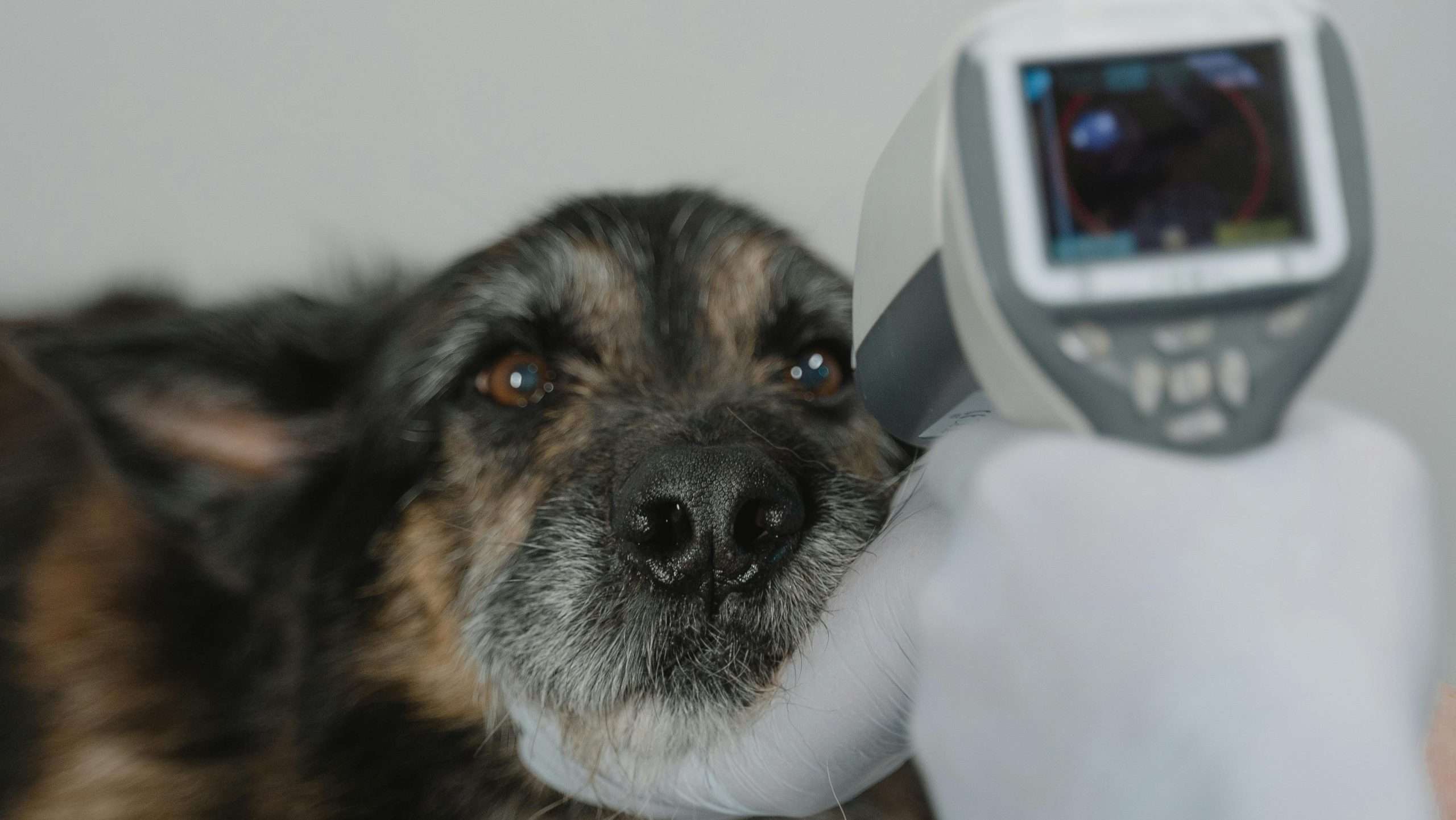
Taking your dog’s temperature when they are healthy and at rest can provide a useful baseline for comparison. A healthy dog’s temperature should range between 101°F and 102.5°F (38.3°C to 39.1°C). If your dog’s temperature reaches 103°F (39.4°C) or above, it is considered a fever, which could be the result of infections, vaccinations, toxins, or inflammation in the body. Temperatures reaching 106°F (41.1°C) or higher are very serious and could indicate heatstroke, which can be fatal if not treated immediately.
Moderate Weight
For many veterinarians, this is one of the most important factors in improving and maintaining your dog’s health. More and more dogs around the world are becoming obese, which can lead to a wide variety of health problems that can seriously affect the quality and length of your pet’s life. The best way to avoid these issues is to regularly check your pet’s weight and feed them a raw, species-appropriate diet that is not filled with preservatives and cheap fillers.
Final Thoughts!
In addition to the more outwardly visible signs, monitoring your pup’s vital signs can provide immense insight into their internal health. Establishing your dog’s normal resting heart rate, consistent stool quality, and baseline body temperature creates a foundation to identify any concerning irregularities promptly.
Maintaining an ideal weight for your dog’s breed and build is also crucial, as obesity can lead to a myriad of health issues from diabetes to joint problems and respiratory difficulties. A lean physique with a visible waist tucked behind the rib cage is certainly a sign your furry friend is in tip-top shape. By arming yourself with the knowledge of these critical signs your dog is healthy, you can take a proactive approach to safeguarding your beloved fur baby’s well-being.
FAQs
What are the top signs your dog is healthy?
The main indicators include a bright, energetic attitude, hearty appetite, shiny coat, clean ears and eyes, fresh breath and oral health, normal vital signs like pulse, temperature, and stool quality, plus a lean, ideal weight.
How can I keep my dog healthy and happy?
Feed a nutritious, balanced raw diet, ensure adequate daily exercise, stay up-to-date on annual wellness exams, be attentive to any changes in your dog’s appearance or behavior, and address concerns promptly.