Signs of Overheating in Dogs

When the temperature rises, our pets feel it more than we often realize. Dogs are not as efficient at cooling themselves as humans, which puts them at higher risk of heat stress and heatstroke. Recognizing the early and severe signs of overheating in dogs can make the difference between a safe recovery and a life-threatening emergency. For every dog owner, understanding the causes, symptoms, and prevention methods of heat-related issues is essential.
Why Overheating in Dogs Happens
Unlike humans who rely on sweat to regulate body temperature, dogs primarily cool themselves through panting. Panting allows moisture from the respiratory tract to evaporate and lower body heat. However, this method is less effective in humid weather or during extreme heat. This is why overheating in dogs happens more quickly than many owners expect.

Several common causes can lead to overheating:
- Prolonged exposure to high outdoor temperatures.
- Exercise during hot or humid conditions.
- Excitement or stress, which can raise body temperature.
- Illness or infections that naturally elevate internal temperature.
- Poor ventilation, such as being confined in a parked car or a closed room.
Humidity plays an important role as well. On hot and muggy days, evaporation is limited, which means panting cannot release enough heat. This makes overheating in dogs far more likely and dangerous.
Early Signs of Overheating in Dogs
Catching the symptoms early can save your dog’s life. When a dog first begins to overheat, the signs are subtle but noticeable if you know what to look for.
Panting and Excessive Drooling
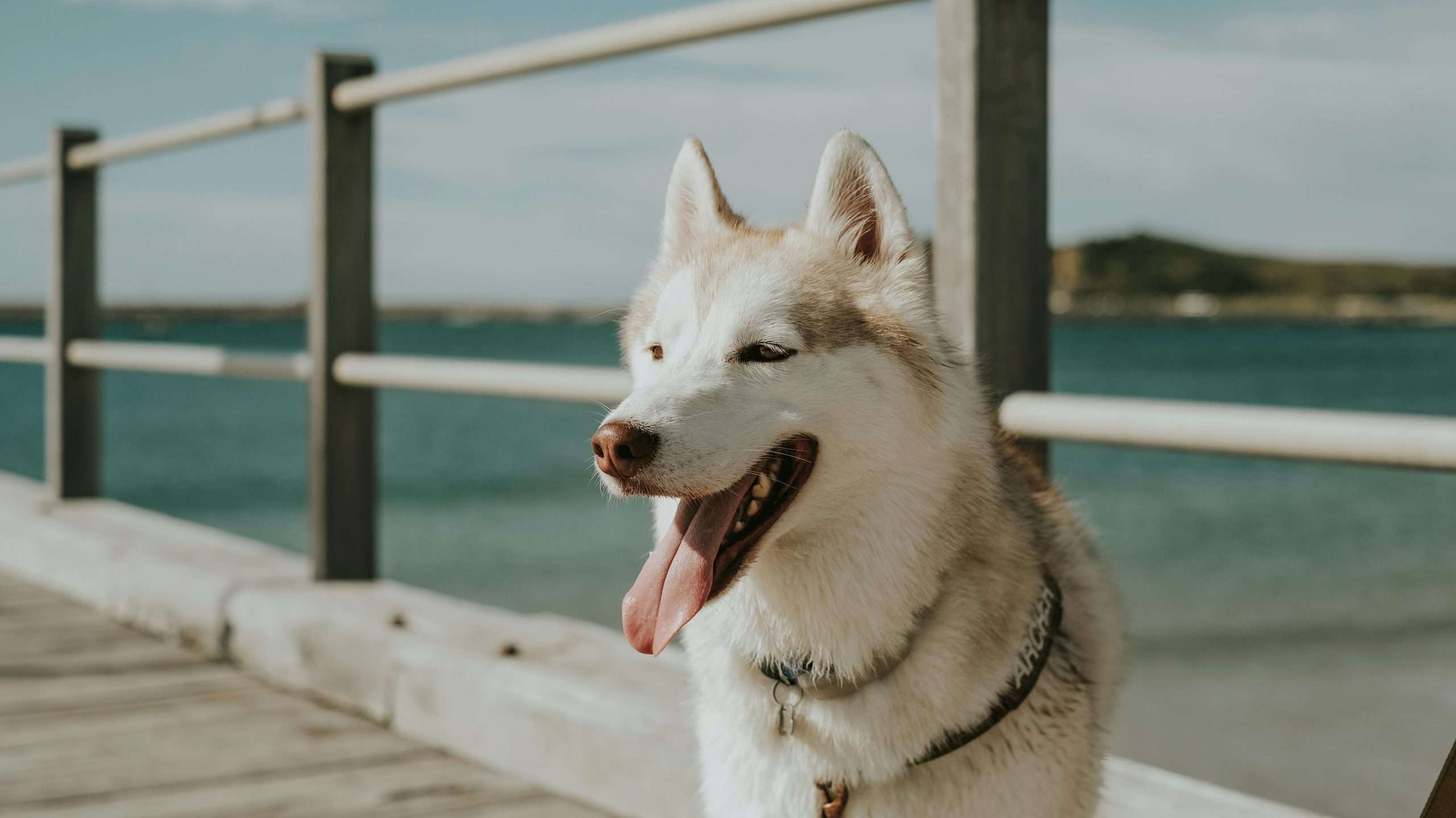
Panting is a natural cooling mechanism, but if your dog is panting more heavily than usual and producing thick drool, it may signal the start of overheating in dogs.
Red or Dark Gums and Tongue
As blood vessels expand to release heat, gums and tongue may become bright red. If the condition progresses, they may start to darken or even turn bluish.
Restlessness and Rapid Breathing
Dogs struggling with heat often appear restless. They may pace, have a faster breathing rate, and appear unable to settle.
Thickened Saliva and Dehydration
Saliva may become sticky, and signs of dehydration such as dry nose, sunken eyes, or lethargy may appear early in the process of overheating in dogs.
Related reads:
Tips to Prevent Dehydration and Heat Stroke in Dogs [2024]
Severe Signs of Overheating in Dogs
If the early signs are missed or ignored, the condition can quickly escalate to a dangerous stage. At this point, immediate action is critical.
Vomiting and Diarrhea
Heat stress can upset the digestive system, leading to vomiting or diarrhea. These symptoms contribute to further dehydration.
Weakness, Stumbling, or Collapse
A dog that begins to stagger, stumble, or collapse is experiencing a severe stage of overheating in dogs. This indicates the body is failing to regulate itself.
Seizures, Loss of Consciousness, or Coma
In the most critical cases, dogs may suffer seizures or lose consciousness. Without rapid veterinary intervention, heatstroke can lead to organ failure and death.
Whenever severe signs appear, it is no longer enough to cool your dog at home. Veterinary help is essential.
Which Dogs Are More Prone to Overheating
All dogs can overheat, but some are more vulnerable than others. Being aware of your dog’s breed, age, and health status is important in assessing risk.
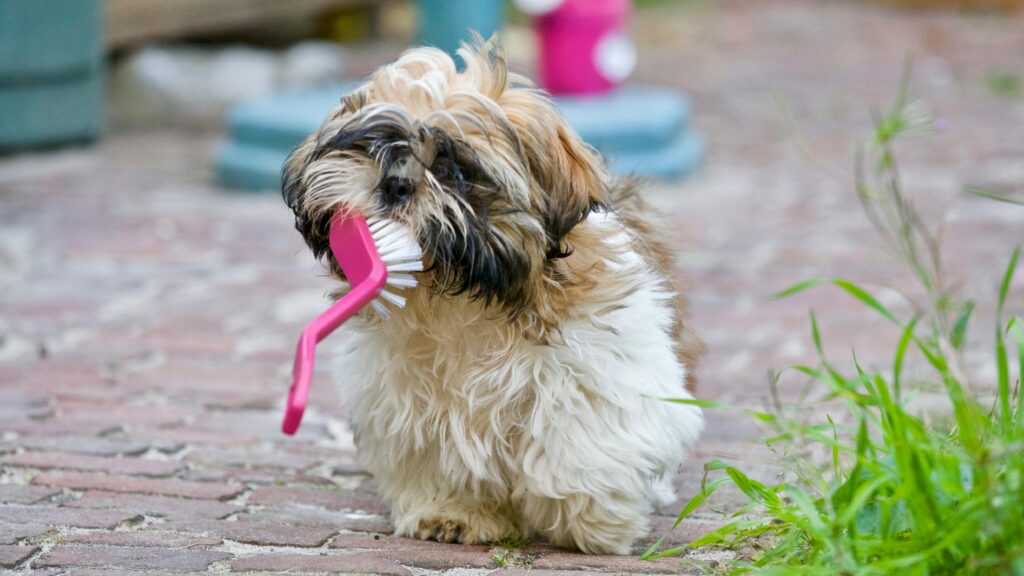
- Brachycephalic breeds such as Bulldogs, Pugs, and Shih Tzus have shorter airways that make breathing and cooling less effective.
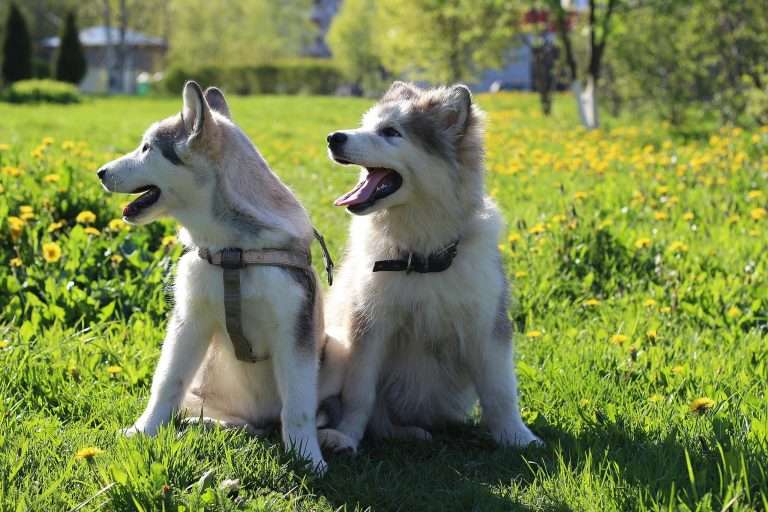
- Double-coated and dark-colored dogs can trap heat in their coats or absorb more heat from the sun.
- Overweight dogs carry excess fat that insulates body heat.
- Senior dogs are less adaptable to temperature changes and often have health conditions like heart or lung disease that worsen the effects of overheating in dogs.
Owners of these dogs must take extra care during hot days and avoid putting them in situations that increase heat exposure.
Emergency First Aid for Overheating in Dogs
If you notice your dog is overheating, act immediately. Quick intervention can lower the body temperature and prevent permanent damage.
- Move your dog to a shaded or air-conditioned space.
- Apply cool (not icy) water to the coat, focusing on the belly, paws, and armpits. Ice-cold water can constrict blood vessels and trap heat inside.
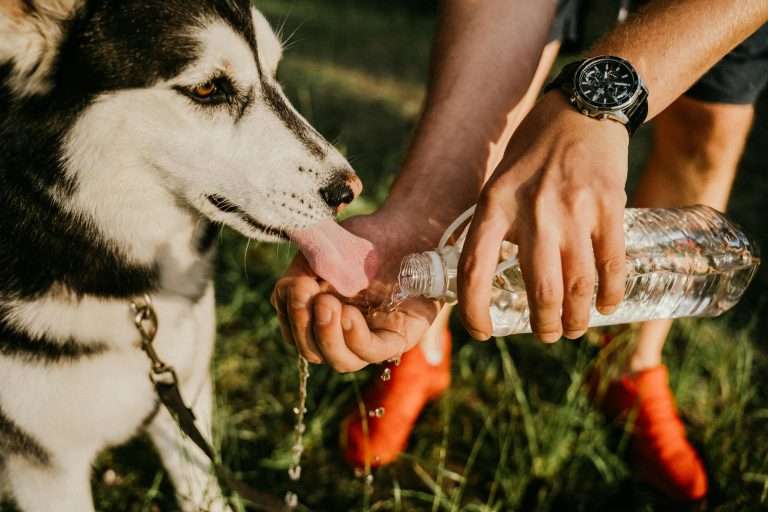
- Offer small amounts of fresh water. Avoid forcing large amounts at once, as it can cause choking.
- Use a fan or create airflow to speed up cooling.
- Place wet towels under your dog, but avoid covering them entirely, as it can trap heat.
Even if your dog begins to look better, it is crucial to seek veterinary care. Internal organ damage may still be present after overheating in dogs, and only a vet can properly assess and treat it.
How to Prevent Overheating in Dogs
Prevention is always safer than treatment. By making small adjustments to your dog’s daily routine, you can reduce the risk of heat-related issues.
- Provide constant access to clean water and shaded rest areas.
- Limit exercise to early mornings or late evenings when temperatures are cooler.
- Never leave a dog in a parked car, even with windows cracked. The temperature inside can rise dangerously within minutes.
- Use cooling aids such as mats, vests, or wraps to help lower body temperature.
- Acclimate your dog gradually to warmer weather. Do not suddenly increase exercise in heat.
- Keep your home cool with ventilation, fans, or air conditioning.
Consistent precautions can greatly reduce the chances of overheating in dogs and give your pet a safer summer.
When to See a Vet for Overheating in Dogs
If your dog shows persistent or severe symptoms, veterinary care should never be delayed. Warning signs include collapse, unresponsiveness, vomiting, or gum discoloration. A dog may seem to recover at home but still suffer hidden complications such as kidney or liver damage. A veterinarian can check for these risks and provide fluids, oxygen, and medications to stabilize your dog after a heat incident.
Final Thoughts
Understanding the signs of overheating in dogs is one of the most important responsibilities of pet ownership. From early symptoms like heavy panting to severe stages such as collapse, recognizing these cues quickly can save your dog’s life. While certain breeds, ages, and health conditions make some dogs more prone, every dog is at risk when temperatures rise. Prevention, quick response, and veterinary care are the best defenses against the dangers of overheating in dogs. By staying alert and prepared, you can ensure your companion stays safe and comfortable through the warmest days.