Senior Dog Care: 8 Ways to Keep Your Old Dog Thriving

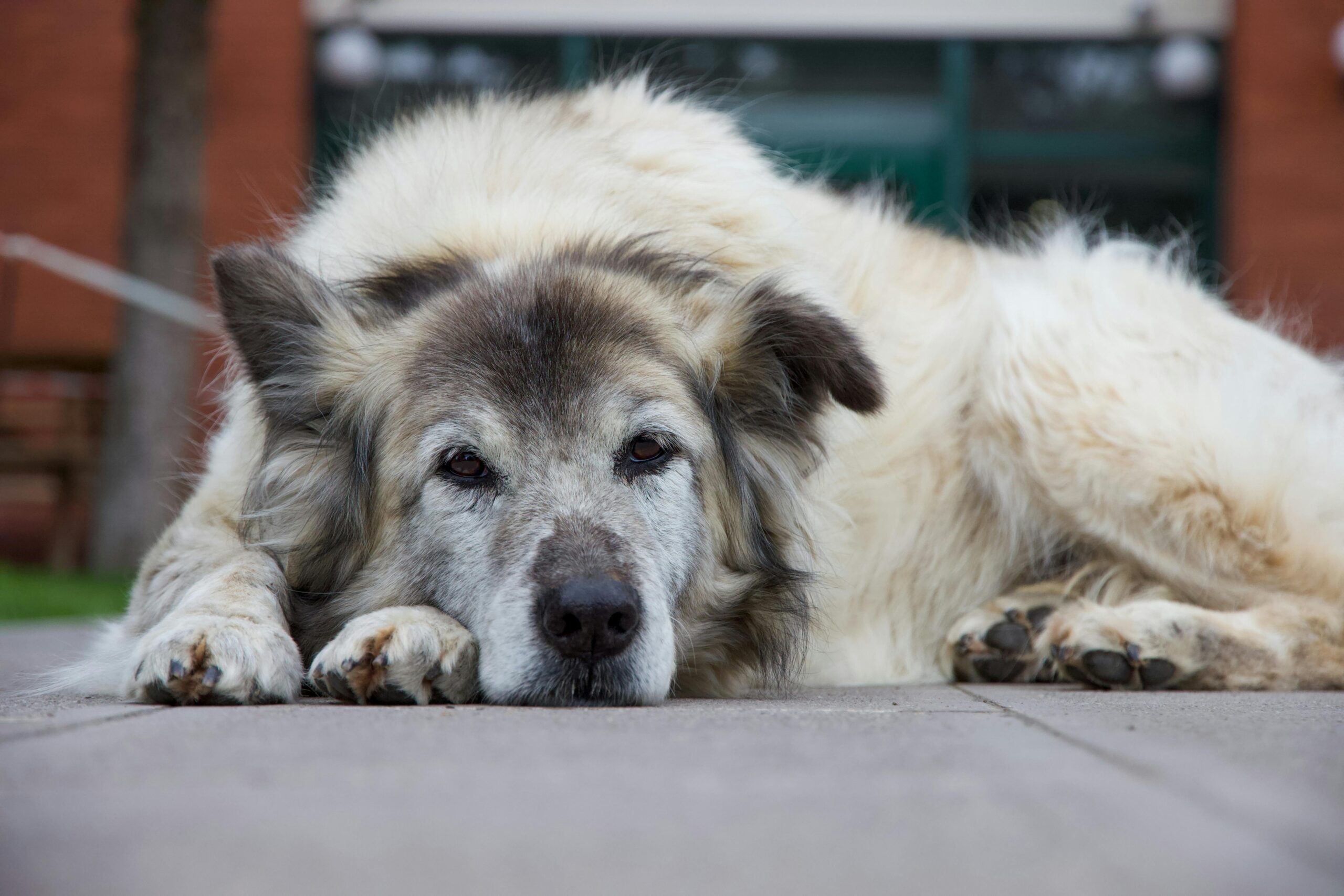
Watching your dog grow older is a quiet, emotional journey. One day they are racing you to the door, and before you know it, they are taking their time, choosing comfort over chaos. Aging is natural, but slowing down does not mean losing quality of life. With thoughtful senior dog care, older dogs can remain happy, comfortable, and deeply connected to their humans well into their golden years.
Senior dogs need care that respects their changing bodies, routines, and emotions. From food choices to home setup, small adjustments can make a lasting difference. This guide walks you through eight practical and realistic ways to support senior dog care so your old dog does not just age, but thrives.

Understanding What Senior Dog Care Really Means
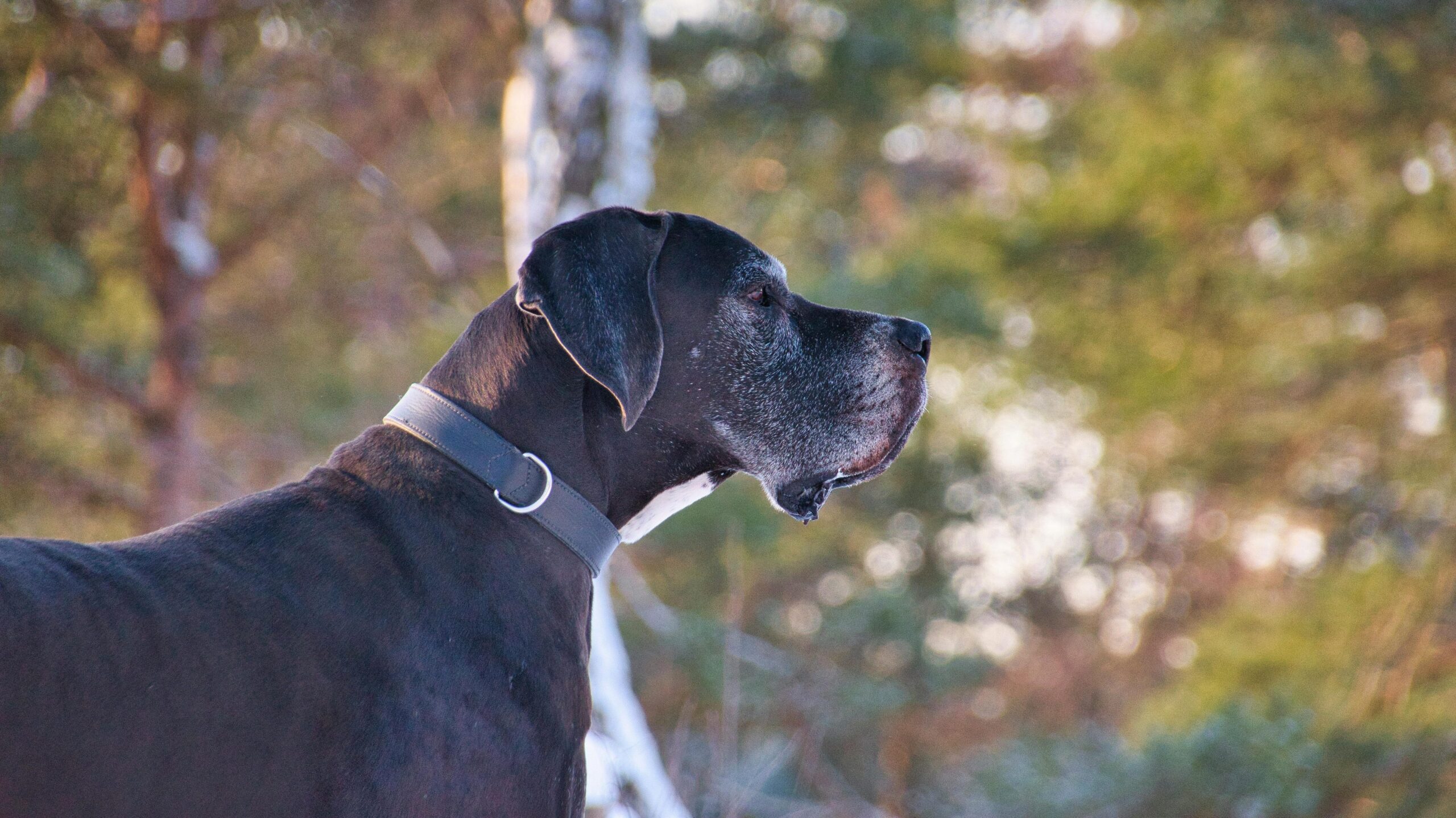
Before getting into routines and tips, it helps to understand what qualifies as a senior dog. Dogs are generally considered seniors between seven to ten years of age, depending on their size and breed. Larger dogs tend to age faster, while smaller breeds often remain active for longer.
Senior dog care focuses on prevention, comfort, and early support rather than reacting to problems later. It is about noticing subtle changes, respecting limitations, and making life easier without taking away joy or independence.
1. Make Regular Veterinary Visits a Priority in Senior Dog Care
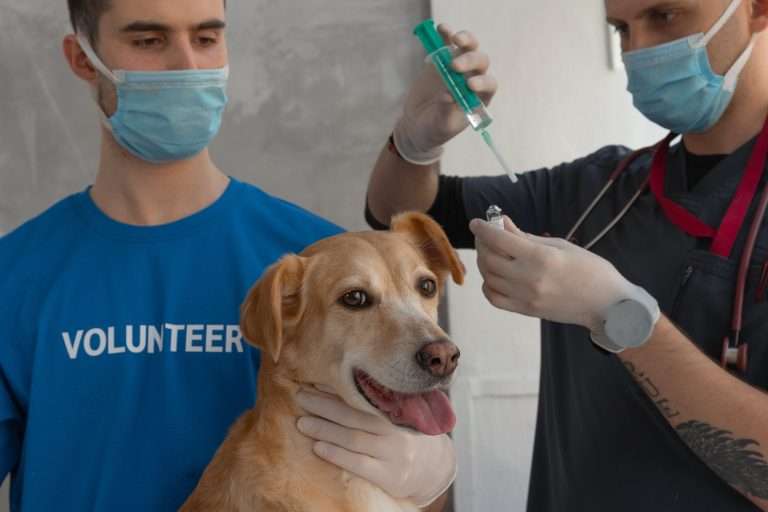
Routine vet visits become even more important as dogs age. While younger dogs may do well with annual checkups, senior dogs benefit from seeing the vet at least twice a year.
Regular checkups help identify early signs of arthritis, kidney issues, heart conditions, dental disease, and weight changes. Many age related conditions progress quietly, and early detection allows for better management and comfort.
As part of senior dog care, these visits also help adjust medications, supplements, and diets based on how your dog’s body is changing. Your vet can also guide you on mobility support, pain management, and behavioral changes that come with aging.
2. Adjust Nutrition to Support Senior Dog Care Needs
Aging affects how dogs process food. Metabolism slows down, muscle mass decreases, and digestive systems become more sensitive. Feeding an older dog the same food they ate in their prime often leads to weight gain or nutrient imbalance.
Good senior dog care starts with nutrition that supports joint health, digestion, immune function, and energy levels. Senior dog foods are usually lower in calories but richer in fiber, antioxidants, and easily digestible proteins.
Hydration also plays a bigger role as dogs age. Some seniors drink less water, which can impact kidney health. Adding moisture through wet food or warm water mixed into meals can help support hydration without forcing change.
Portion control matters just as much as food quality. Maintaining a healthy weight reduces pressure on joints and lowers the risk of chronic illness.
3. Support Joint Health and Mobility as Part of Senior Dog Care
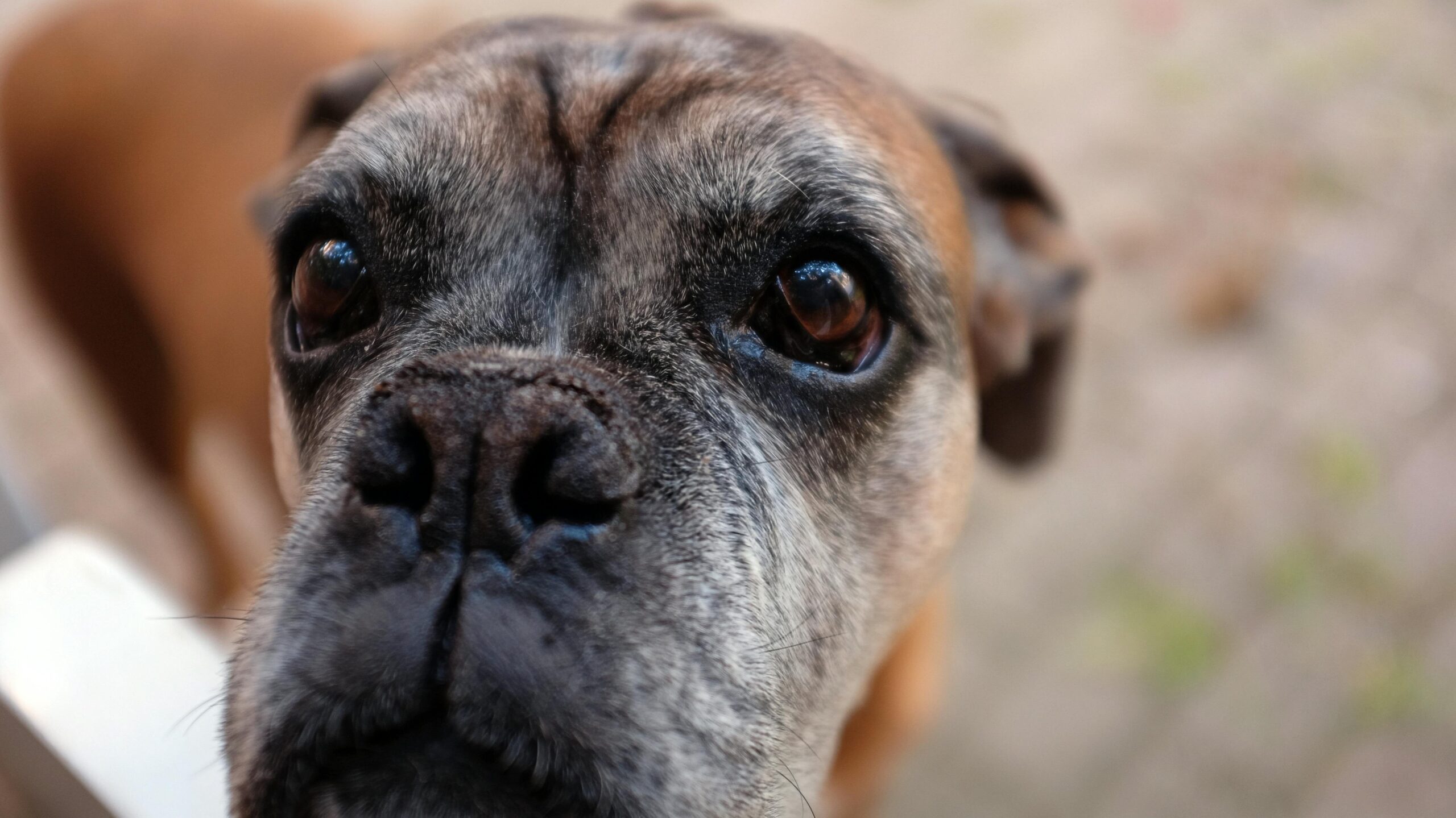
Joint stiffness is one of the most common challenges senior dogs face. You may notice slower movement, hesitation before climbing stairs, or difficulty standing up after rest.
Supporting mobility is a cornerstone of senior dog care. Joint supplements containing glucosamine and omega fatty acids often help maintain comfort. Low impact activities keep muscles strong without stressing aging joints.
At home, simple adjustments go a long way. Orthopedic beds support joints during sleep. Non slip mats help prevent falls on smooth floors. Ramps can replace stairs for beds, couches, and vehicles.
Movement should be encouraged but never forced. Let your dog set the pace and rest when needed.
4. Adapt Exercise Routines for Senior Dog Care
Exercise remains important throughout a dog’s life, but how they move matters more than how long. Senior dogs benefit from consistent, gentle movement that keeps muscles active and joints flexible.
Daily walks still matter in senior dog care, but they may be shorter and slower. Multiple short walks often work better than one long outing. Activities like light play, swimming, or gentle stretching can support circulation and mental well being.
Pay attention to signs of fatigue such as limping, heavy panting, or lagging behind. Rest is not weakness. It is recovery.
Keeping movement enjoyable rather than demanding helps senior dogs stay engaged without stress.
5. Mental Stimulation Is a Key Part of Senior Dog Care
Aging does not only affect the body. Cognitive changes are common in older dogs. You might notice confusion, disrupted sleep patterns, or reduced interest in activities they once loved.
Mental enrichment plays an important role in senior dog care. Simple puzzle toys, scent based games, or gentle training sessions help keep the mind active. Even small challenges can boost confidence and prevent boredom.
Routine also becomes more important with age. Feeding, walking, and sleeping around the same time each day helps senior dogs feel secure and oriented.
Mental stimulation does not need to be complicated. Sometimes a new smell, a quiet play session, or a short car ride is enough to brighten their day.
6. Create a Comfortable and Safe Home for Senior Dog Care
As dogs age, their environment should adapt to them. Comfort and accessibility become more important than novelty or aesthetics.
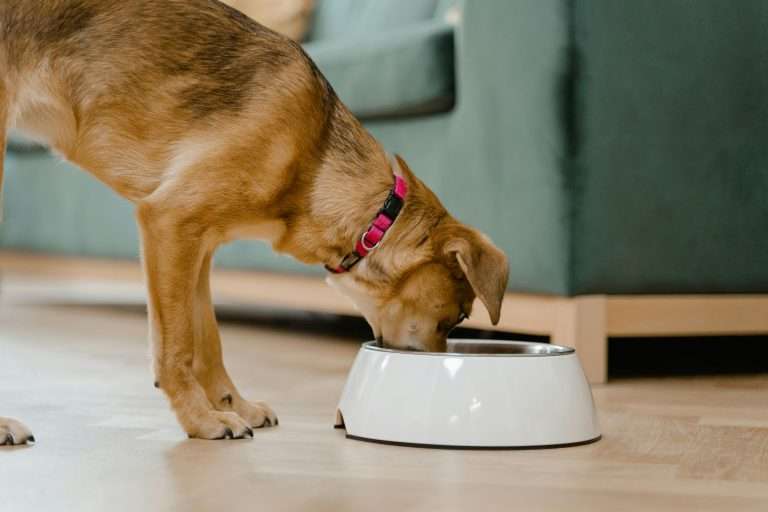
Good senior dog care includes thoughtful home setup. Food and water bowls should be easy to reach. Beds should be placed away from drafts and high traffic areas. Lighting helps dogs with reduced vision navigate at night.
Temperature sensitivity increases with age, so ensuring warmth during colder months and cooling relief during heat helps prevent discomfort.
Noise sensitivity may also increase. Providing quiet resting spaces helps senior dogs relax without constant stimulation.
7. Do Not Overlook Dental and Grooming Needs in Senior Dog Care
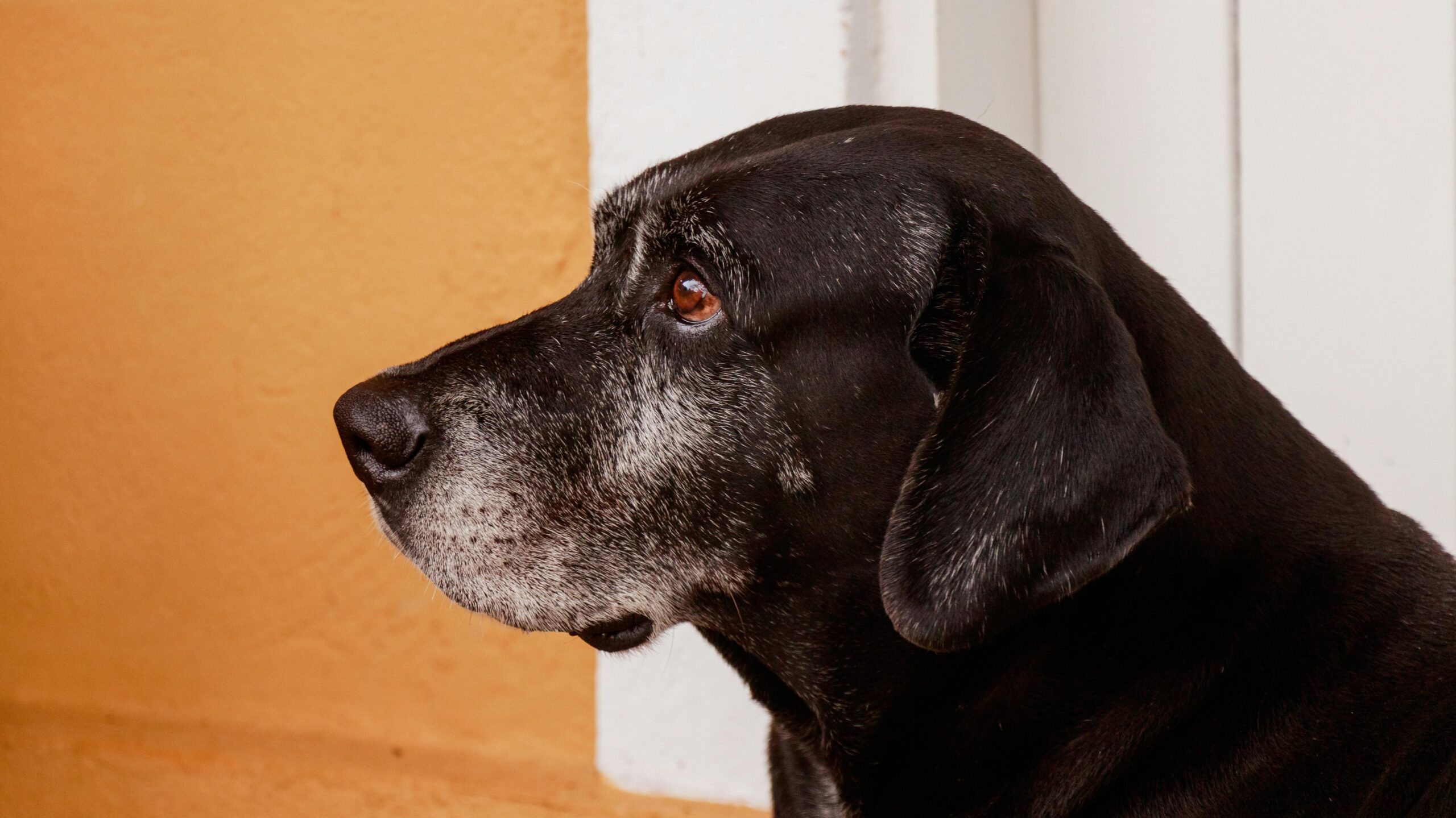
Dental health is often underestimated in older dogs. Gum disease, tooth loss, and oral infections cause pain that affects eating, mood, and overall health.
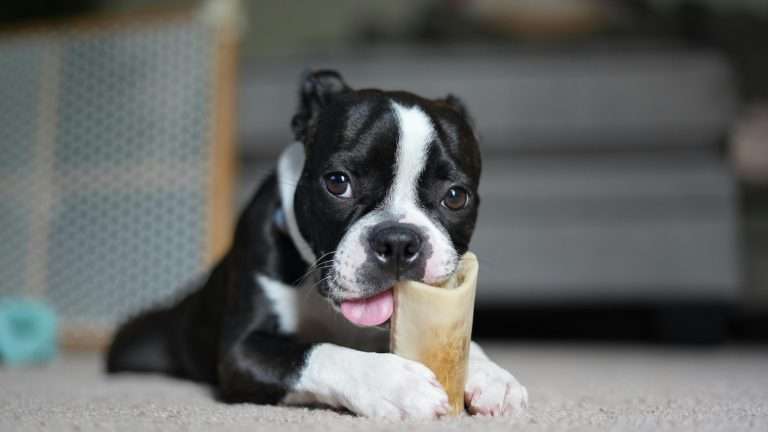
Regular brushing, dental treats, and professional cleanings are essential parts of senior dog care. Poor dental health can lead to infections that affect the heart and kidneys.
Grooming also becomes more than cosmetic. Regular brushing improves circulation and allows you to check for lumps, skin changes, or sensitivity. Nail trimming prevents joint strain, especially in dogs with mobility issues.
These routines also create bonding moments and allow you to notice small changes early.
Related reads:
Hidden Dental Pain in Pets: How to Spot It Before It Gets Serious
8. Monitor Health Changes Closely in Senior Dog Care
Older dogs communicate discomfort subtly. Changes in appetite, sleep, bathroom habits, or behavior often signal underlying issues.
Consistent observation is a major part of senior dog care. Sudden weight loss, increased thirst, confusion, or accidents indoors should never be ignored.
Pain does not always show as limping. Restlessness, irritability, or withdrawal can also indicate discomfort. Addressing these signs early helps preserve quality of life.
Keeping a simple health journal can help track changes and provide useful insights during vet visits.
Senior Dog Care Is About Quality, Not Just Longevity
Caring for a senior dog is not about extending life at all costs. It is about ensuring comfort, dignity, and joy in the years they have. Senior dog care means adapting expectations, celebrating small victories, and showing patience when things slow down.
Older dogs offer quiet companionship, deep loyalty, and moments of calm that younger dogs cannot. Supporting them through aging is not a burden. It is a privilege.