The Science of Dog Laughter: Do Dogs Really Laugh Like Humans?

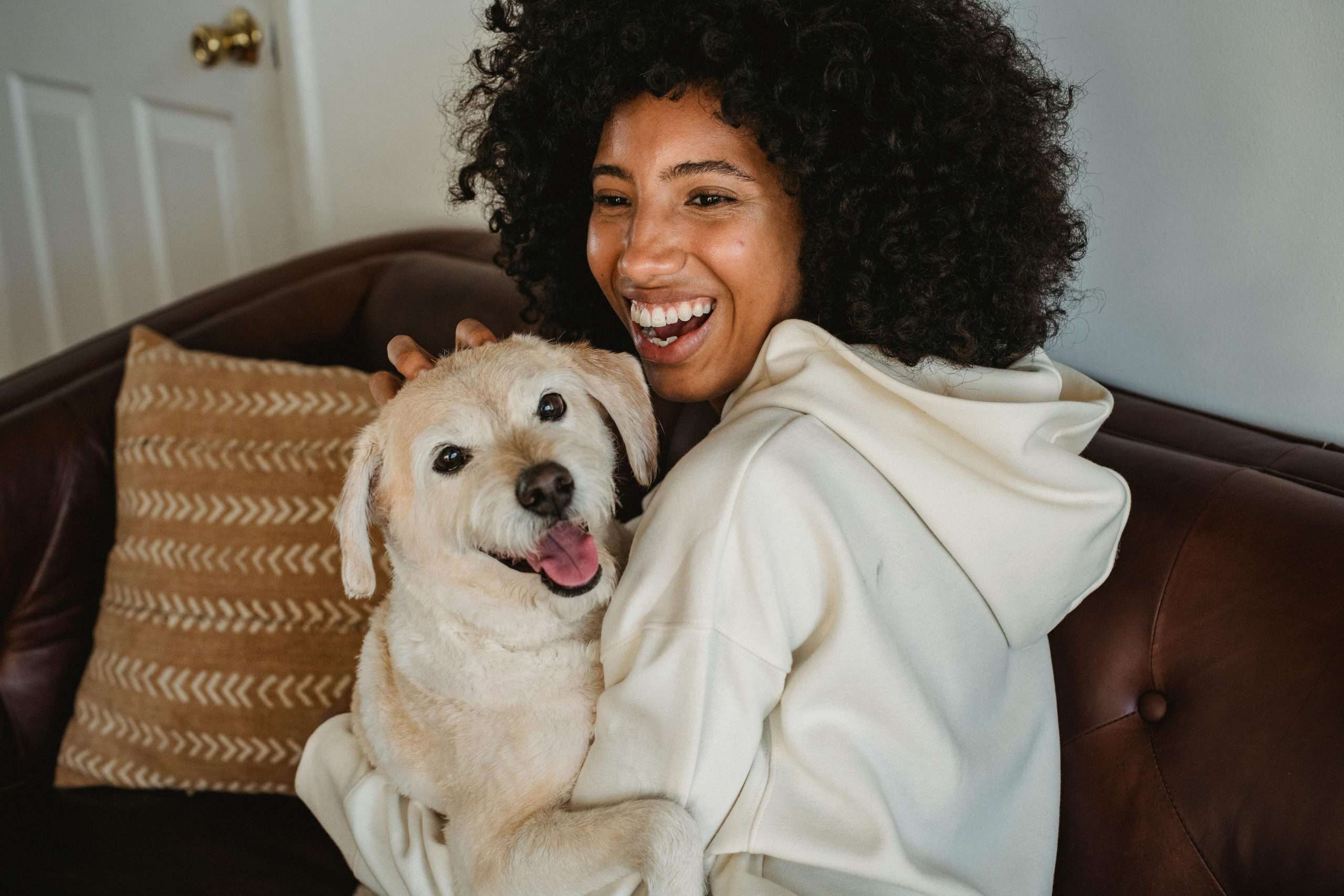
Laughter is often described as one of the most joyful and universal human behaviors. It breaks tension, builds connections, and signals happiness. But what about our four-legged companions? Dog owners often claim their pets laugh, especially when they are playful or joyful. This raises an interesting question: do dogs really laugh like humans, and what does science say about it? The science of dog laughter has intrigued researchers, veterinarians, and pet owners for decades, offering fascinating insights into how our pets communicate happiness.
Understanding the Science of Dog Laughter
To understand if dogs truly laugh, it helps to first look at laughter in humans. Human laughter is a complex physiological response involving vocal sounds, breathing patterns, facial expressions, and emotions. It often occurs in response to humor, joy, or even relief.

Dogs, on the other hand, do not laugh in the same sense. They do not chuckle or giggle, but they have their own version of laughter that scientists call the “play-pant.” This sound is different from regular panting. It is described as a rhythmic breathy sound that resembles a “hhuh-hhah” pattern. The science of dog laughter shows that this play-pant is not just noise but a social signal, used during play to invite fun and to let other dogs or humans know that the interaction is friendly.
Do Dogs Really Laugh Like Humans?
Dogs may not laugh at jokes or humor, but they do display a form of laughter that resembles joy. Humans produce laughter as vocalized sounds, often “ha-ha” or “ho-ho,” while dogs generate a forced breathy pant.
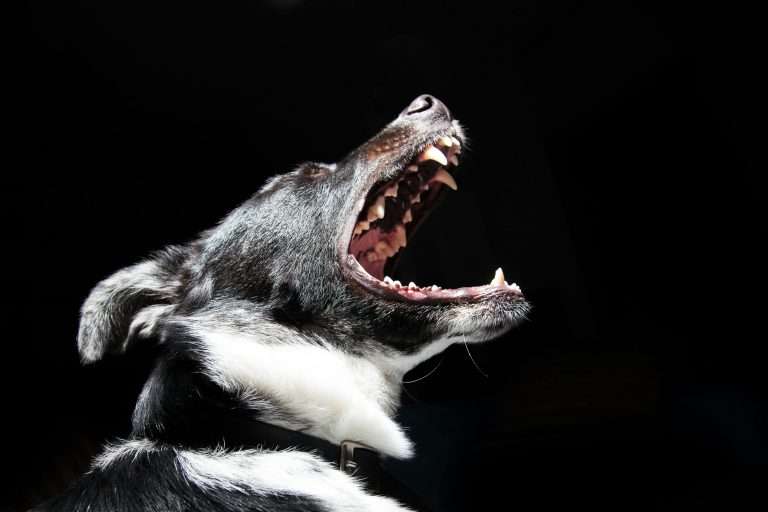
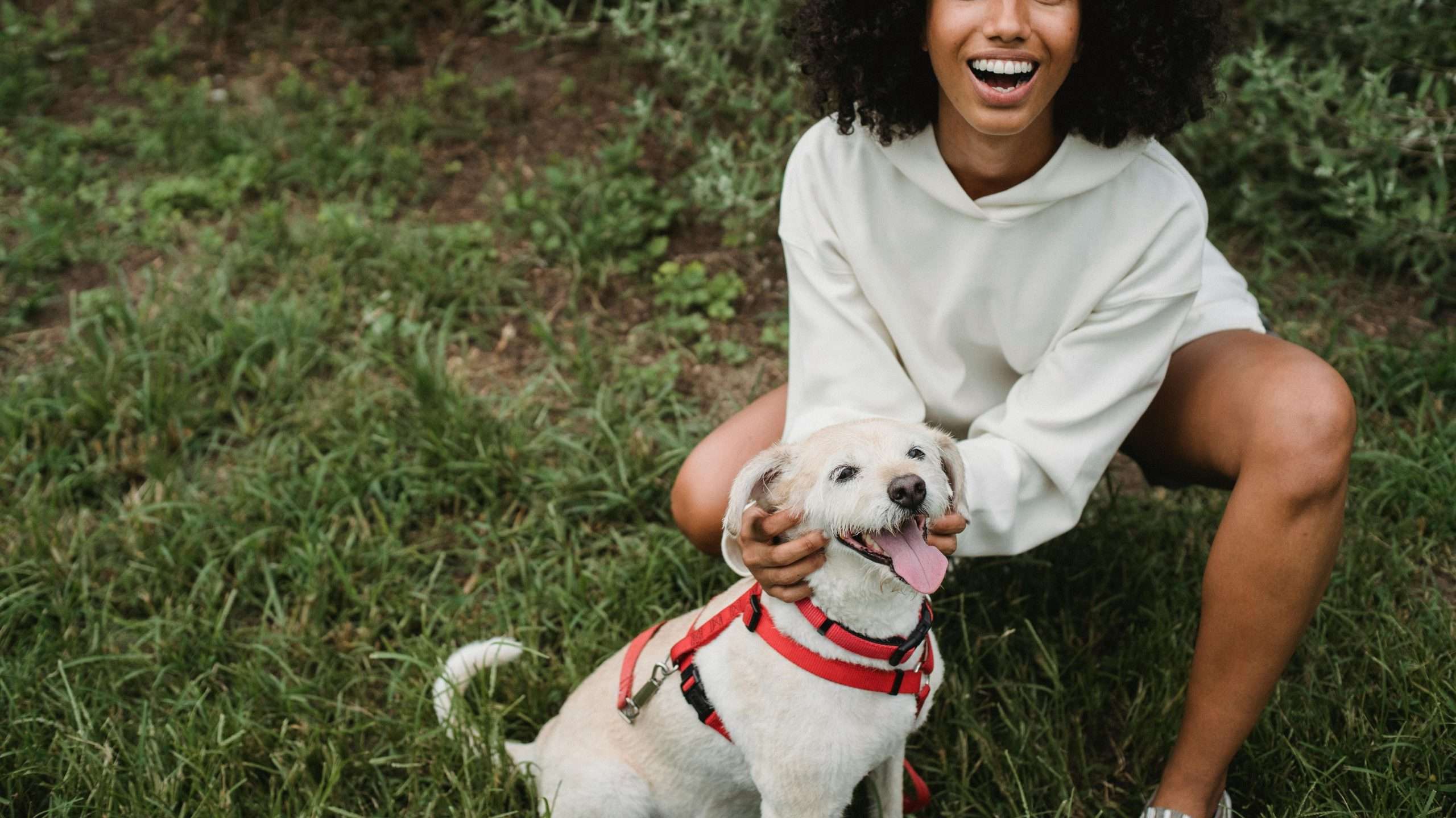
When a dog is happy and playful, their mouth opens wide, their tongue hangs loose, and they make the signature panting laugh sound. Alongside the sound, dogs use body language such as play bows, wagging tails, and bouncy movements. This combination creates what many owners interpret as laughter.
The science of dog laughter emphasizes that while dogs do not laugh in response to comedy, their version of laughter functions as a bonding tool and a clear sign of enjoyment.
The Role of Play-Panting in Canine Communication
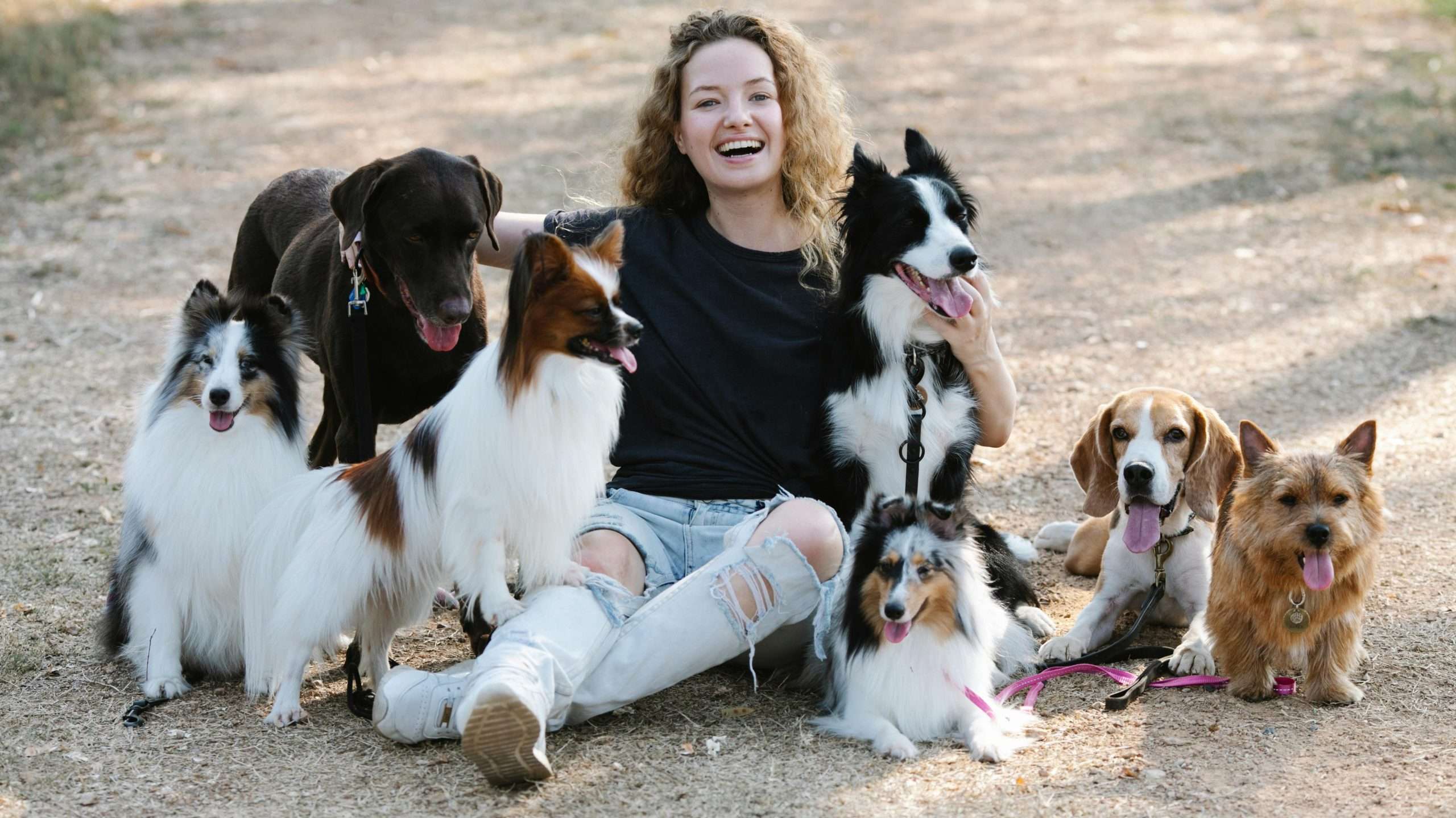
Play-panting is more than just a funny sound. It is a vital part of canine communication. Puppies first use it when learning to play with their littermates. It signals to others that rough-and-tumble behavior is meant in good spirit and not aggression.
As dogs grow, they continue to use this form of laughter to encourage interaction with humans and other dogs. During play, a dog that produces a laughter-like pant often encourages others to keep going. It sets the mood and helps prevent misunderstandings.
Researchers in the science of dog laughter field have even found that recordings of play-pants can calm anxious dogs in shelters and reduce stress in unfamiliar environments. This shows that the sound is deeply connected to emotional wellbeing.
Do Dogs Have a Sense of Humor?
One of the most intriguing parts of the science of dog laughter is the question of humor. Do dogs find things funny? While humor in humans is linked to complex social and cultural understanding, dogs seem to have a simpler version.
The American Psychological Association notes that dogs have the mental capacity of a two to two-and-a-half-year-old child. This explains their playful, sometimes mischievous nature. Charles Darwin was one of the first scientists to observe that dogs show signs of humor, particularly in their playful tricks.
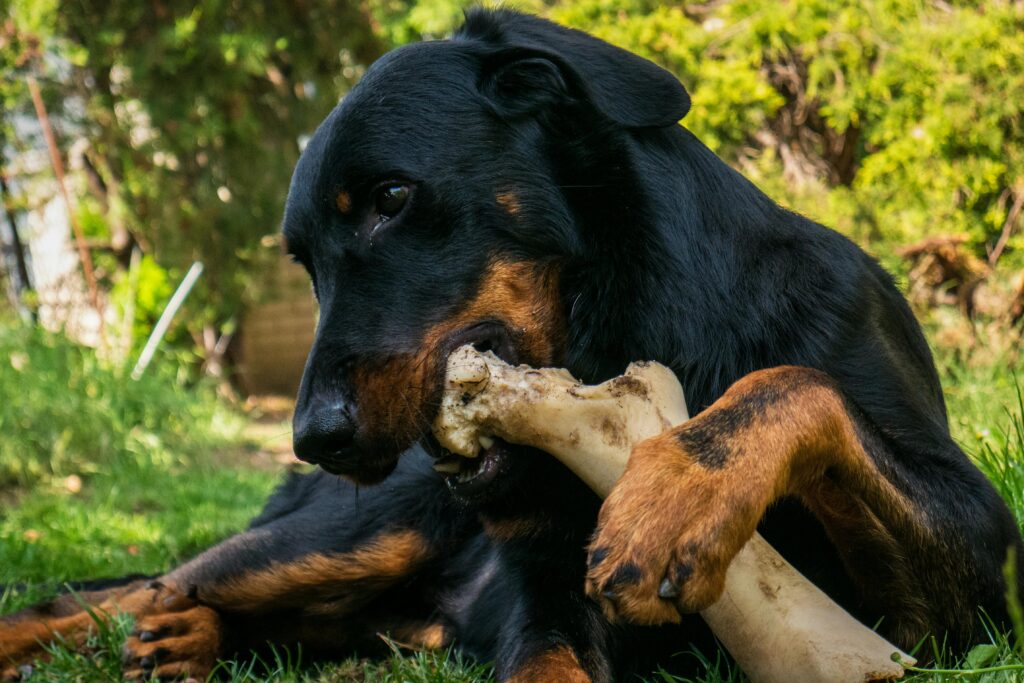
Studies suggest that some breeds are naturally more playful and humorous than others. Irish Setters, Miniature Schnauzers, and English Springer Spaniels are among those considered more likely to engage in clownish behaviors. On the other hand, breeds like Akitas or Rottweilers tend to display less humor.
The science of dog laughter connects humor and play, suggesting that while dogs may not laugh at jokes, they understand and participate in activities that spark joy.
Related reads:
5 Puppy Development Stages: From Birth to Adulthood
How Dogs Respond to Human Laughter
If you have ever laughed around your dog, you may have noticed their tail wagging faster or their ears perking up. Dogs are highly attuned to human emotions. A study conducted at Eötvös Loránd University in Hungary used brain imaging to show that dogs process happy sounds differently than sad ones.
This means dogs can distinguish laughter from crying, and they usually interpret laughter as positive. The science of dog laughter indicates that dogs use our laughter as a cue for safety, joy, and play. They may join in with playful gestures or mimic joy through panting, showing their ability to share in our happiness.
Do Dogs Try to Make Us Laugh?
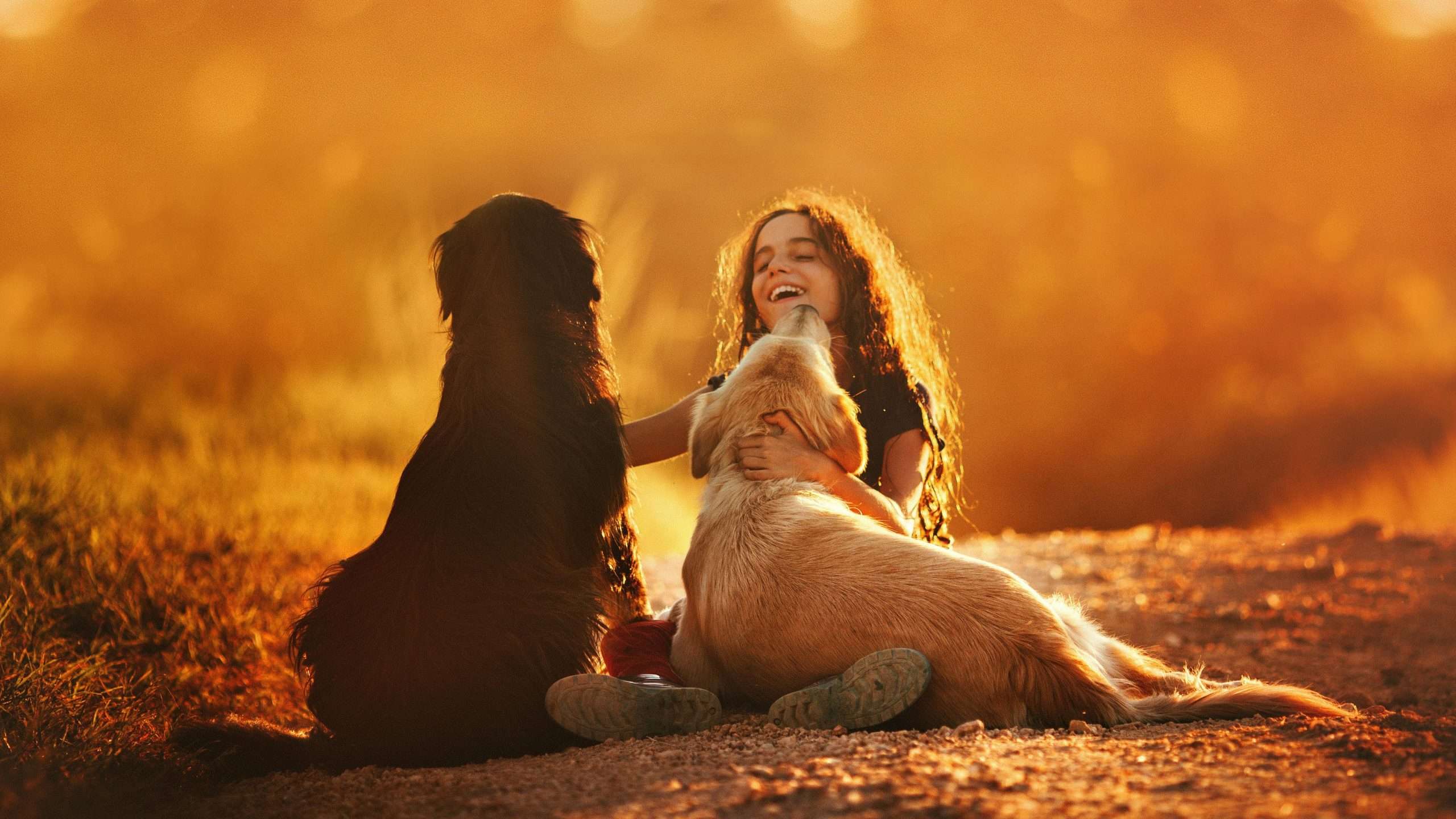
Many dog owners swear their pets do things just to get a reaction. A dog that rolls on its back, tilts its head in an exaggerated way, or repeatedly performs a silly trick is often rewarded with human laughter.
Dogs quickly learn that laughter equals attention and positivity. As a result, they may repeat the behavior. This playful attempt to amuse us is part of the deeper bond we share. The science of dog laughter explains that dogs recognize laughter as a positive feedback loop, reinforcing behaviors that connect them to their owners.
Can You Make Your Dog Laugh?
While you may not be able to crack jokes for your dog, you can actually make them “laugh.” Researchers have discovered that mimicking a dog’s play-pant can encourage relaxation and joy. This technique is especially helpful in shelters or new environments where dogs may feel nervous.
By imitating the breathy laugh sound, humans can promote trust and signal friendliness. Some shelters even play recordings of canine laughter to soothe stressed dogs.
This practical side of the science of dog laughter shows how understanding canine behavior can improve their wellbeing and strengthen the human-animal relationship.
Myths and Misconceptions About Dog Laughter
There are several myths surrounding dogs and laughter. One common belief is that dogs laugh at our mistakes or embarrassment. In reality, dogs do not have the social awareness to laugh at someone.
Another misconception is that dogs smile like humans. While some dogs display expressions that resemble smiling, these are usually signs of relaxation or panting, not laughter in the human sense.
The science of dog laughter clarifies that while dogs express joy, it should not be confused with complex emotional humor that humans experience.
Final Thoughts
Dogs may not laugh at jokes or comedy routines, but they do have their own version of laughter. Through play-pants, body language, and joyful behavior, they express happiness and connection. The science of dog laughter reveals that these sounds and signals are not random. They serve to build trust, reduce stress, and strengthen bonds with both humans and other dogs.
By understanding the science of dog laughter, owners can recognize when their pets are joyful, respond in positive ways, and even use laughter-like sounds to create comfort. In the end, while dogs may not laugh like us, their joyful expressions are just as powerful in reminding us of the special bond we share.