Safe Human Foods for Dogs: Know What You Can Share

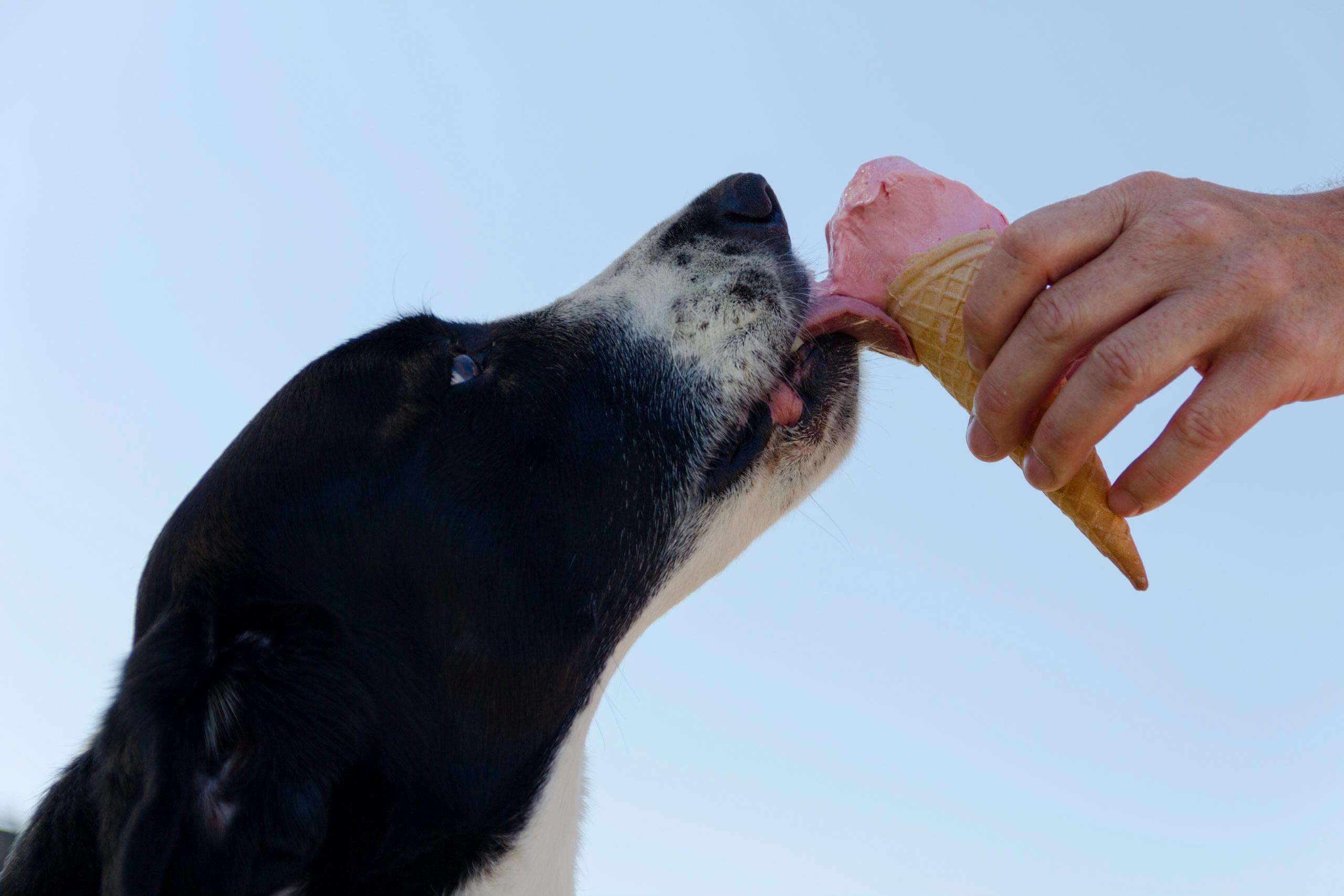
Ever caught your dog longingly eyeing your snack? You’re not alone. Many dog owners wonder, “Is this safe for my pup?”
Surprisingly, many human foods are actually safe for dogs. From fresh fruits and veggies to lean proteins, there’s a whole menu of safe human foods for dogs waiting to be explored.

But which foods are truly safe for dogs to eat, and which could be harmful? This guide will reveal the tasty world of human foods that are safe for dogs, helping you make informed choices about what to share with your furry friend. Ready to become your dog’s favorite chef? Let’s dig in!
Introduction to Safe Human Foods for Dogs
While dogs have specific dietary needs that are best met through balanced dog food, occasionally sharing safe human foods can be a fun way to bond with your pet and provide them with additional nutrients. However, it’s essential to know which foods are safe and which could potentially harm your dog.
Safe Human Foods for Dogs: Fruits
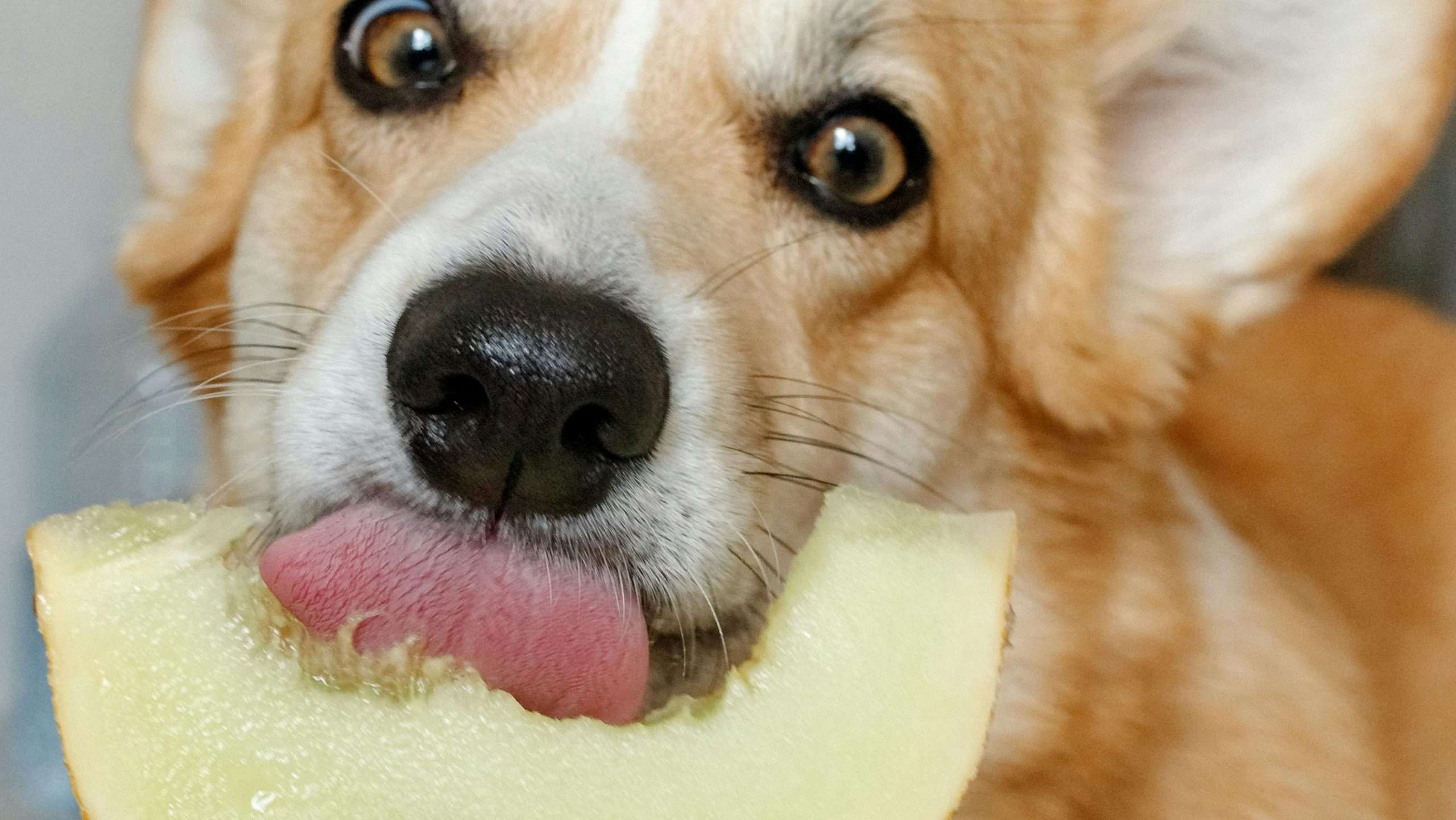
Many fruits can be healthy and enjoyable treats for dogs when given in moderation. Here are some safe human foods for dogs in the fruit category:
Apples
Apples are a great source of vitamins A and C, as well as fiber. They’re low in protein and fat, making them a good snack for senior dogs. Always remove the seeds and core before feeding apples to your dog, as these parts can be choking hazards.
Bananas
Rich in potassium, vitamins, biotin, fiber, and copper, bananas are a healthy snack for dogs. However, due to their high sugar content, they should be given sparingly.
Blueberries
Packed with antioxidants, blueberries can be a delicious and nutritious treat for dogs. They’re low in calories and high in vitamin C and fiber.
Watermelon
Watermelon is safe for dogs to eat, but remove the seeds and rind first. It’s a good source of vitamin A, B6, and C, as well as potassium.
Pineapple
Small amounts of raw pineapple are safe for dogs to eat. It contains vitamins, minerals, and fiber. However, avoid canned pineapple, which often contains added sugars.
Safe Human Foods for Dogs: Vegetables
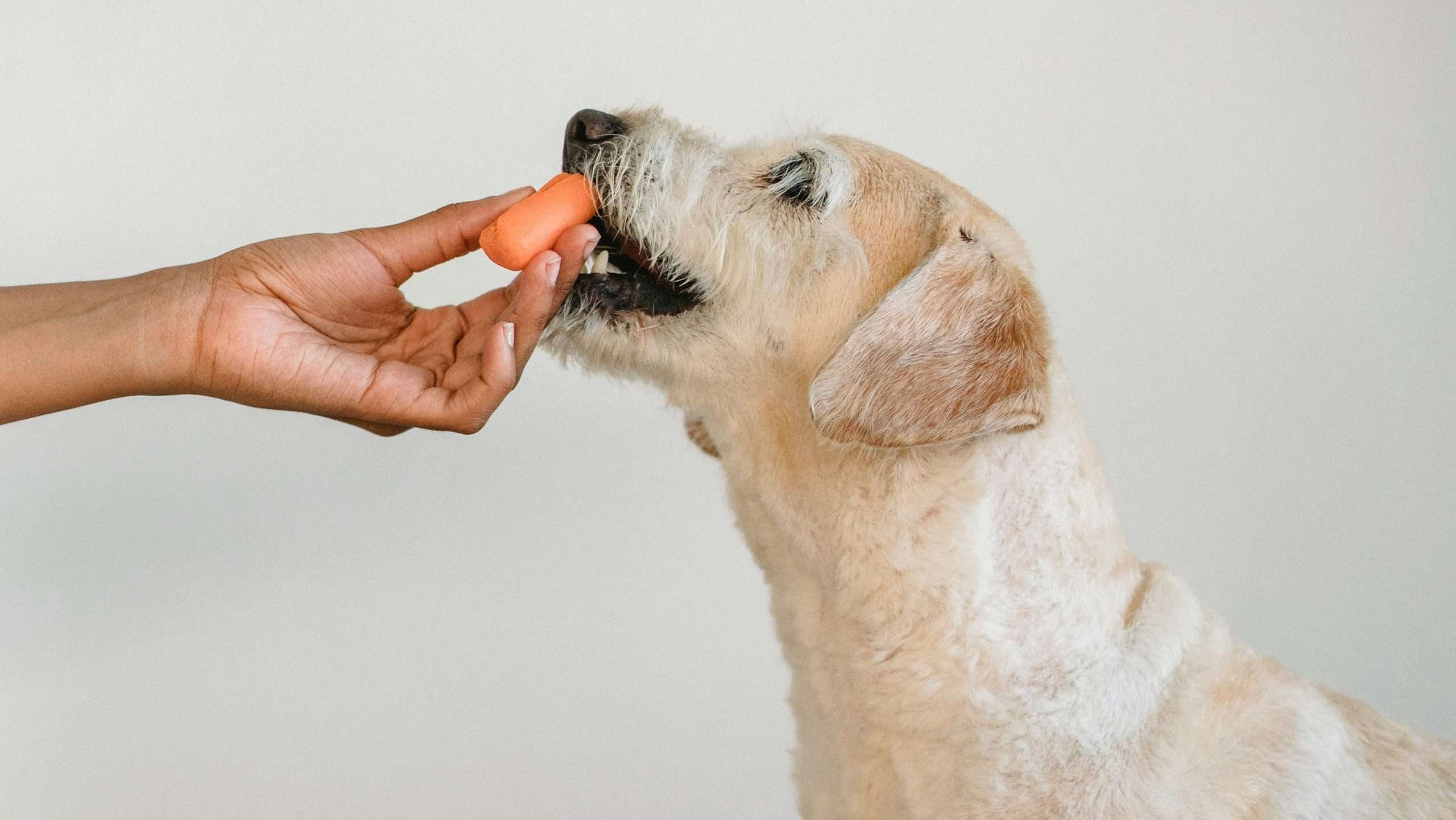
Vegetables can provide dogs with important nutrients and can be a low-calorie treat option. Here are some vegetables that are safe for dogs to eat:
Carrots
Carrots are low in calories and high in fiber and beta-carotene. They’re great for your dog’s teeth when served raw and crunchy.
Green Beans
Plain green beans are a good, healthful snack for dogs. They’re full of important vitamins and minerals and are low in calories.
Pumpkin
Plain, cooked pumpkin can help with digestive regularity in dogs. It’s high in fiber and low in calories.
Sweet Potatoes
Cooked sweet potatoes are a great source of vitamins A, B6, C, and other important nutrients. They should be peeled and cooked before feeding to your dog.
Broccoli
Small amounts of broccoli can be safe for dogs to eat. It’s high in fiber and vitamin C, but should be given in moderation as it can cause gas.
Safe Human Foods for Dogs: Proteins
Proteins are an essential part of a dog’s diet. Here are some protein-rich human foods that are safe for dogs:
Cooked Chicken
Plain, cooked chicken is a healthy food that is safe for most dogs to eat. It’s a good source of protein and is often used in commercial dog foods.
Lean Beef
Unseasoned, cooked lean beef can be a healthy protein source for dogs. It’s rich in nutrients that support muscle health and energy.
Cooked Eggs
Cooked eggs are safe for dogs to eat and are an excellent source of protein. They can help settle an upset stomach and can be a good meal addition for dogs who need to gain weight.
Fish
Fish like salmon and tuna (in moderation) can be beneficial for dogs. They’re good sources of omega-3 fatty acids, which can promote a healthy coat and skin.
Turkey
Plain, cooked turkey is safe for dogs to eat. It’s a good source of protein but should be given without skin or bones.
Safe Human Foods for Dogs: Grains and Other Foods
Some grains and other foods can be safely shared with dogs:
Rice
Plain, cooked rice can be good for dogs with an upset stomach. Both brown and white rice are safe for dogs to eat.
Oatmeal
Plain, cooked oatmeal can be a healthy addition to your dog’s diet. It’s high in fiber and contains numerous nutrients beneficial for dogs.
Peanut Butter
Most dogs love peanut butter, and it’s safe for dogs to eat in moderation. However, always check that it doesn’t contain xylitol, which is toxic to dogs.
Cheese
Most dogs can eat cheese in small amounts. It’s a good source of protein, calcium, and vitamins A and B12.
Plain Popcorn
Unsalted, unbuttered popcorn can be a safe treat for dogs. It contains minerals such as magnesium, phosphorus, and zinc.
Related reads:
How to Choosing the Right Dog Treats: Mastering the Art of Treat Selection
Foods to Avoid Feeding Your Dog
While many human foods are safe for dogs, some can be very dangerous. Here are some foods you should never feed your dog:
- Chocolate: Contains theobromine, which is toxic to dogs.
- Grapes and raisins: Can cause kidney failure in dogs.
- Onions and garlic: Can damage a dog’s red blood cells, potentially leading to anemia.
- Avocado: Contains persin, which can cause vomiting and diarrhea in dogs.
- Xylitol: This artificial sweetener can cause a rapid drop in blood sugar and liver failure in dogs.
Tips for Introducing New Foods to Your Dog’s Diet
When introducing new safe human foods for dogs, keep these tips in mind:
- Introduce new foods gradually to avoid digestive upset.
- Practice portion control. Even safe human foods for dogs should only make up a small part of their diet.
- Observe your dog for any adverse reactions when introducing new foods.
- Always consult with your veterinarian before making significant changes to your dog’s diet.
Final Thoughts
While many human foods are safe for dogs to eat, it’s important to remember that these should be given in moderation and should not replace a balanced dog food diet. Always introduce new foods gradually and watch for any adverse reactions. When in doubt about whether a food is safe for your dog to eat, consult with your veterinarian.
FAQs
Can dogs eat bread?
Plain white or whole grain bread is generally safe for dogs to eat in small amounts.
Is it safe for dogs to eat yogurt?
Plain, low-fat yogurt is safe for dogs to eat and can be a good source of protein and probiotics.
Can dogs eat tomatoes?
Ripe tomatoes are generally safe for dogs to eat in small amounts, but green parts of the plant contain solanine, which is toxic to dogs.
Can dogs eat nuts?
Some nuts like peanuts and cashews are safe for dogs to eat in small amounts, but others like macadamia nuts are toxic.

![Understanding and Preventing Hip Dysplasia in Dogs [2024]](https://100dogbreeds.com/wp-content/uploads/2024/07/Hip-Dysplasia-in-Dogs-768x512.jpg)