7 Safe and Fun Dog Run Ideas Perfect for Any Breed

Creating a dog run is a great way to ensure your dog gets the exercise they need while staying safe. Whether you have a small backyard or a large property, a well-designed dog run can provide mental and physical stimulation for your pet. This article will explore seven creative and safe dog run ideas suitable for any breed.
What Dog Run Materials Should You Consider?
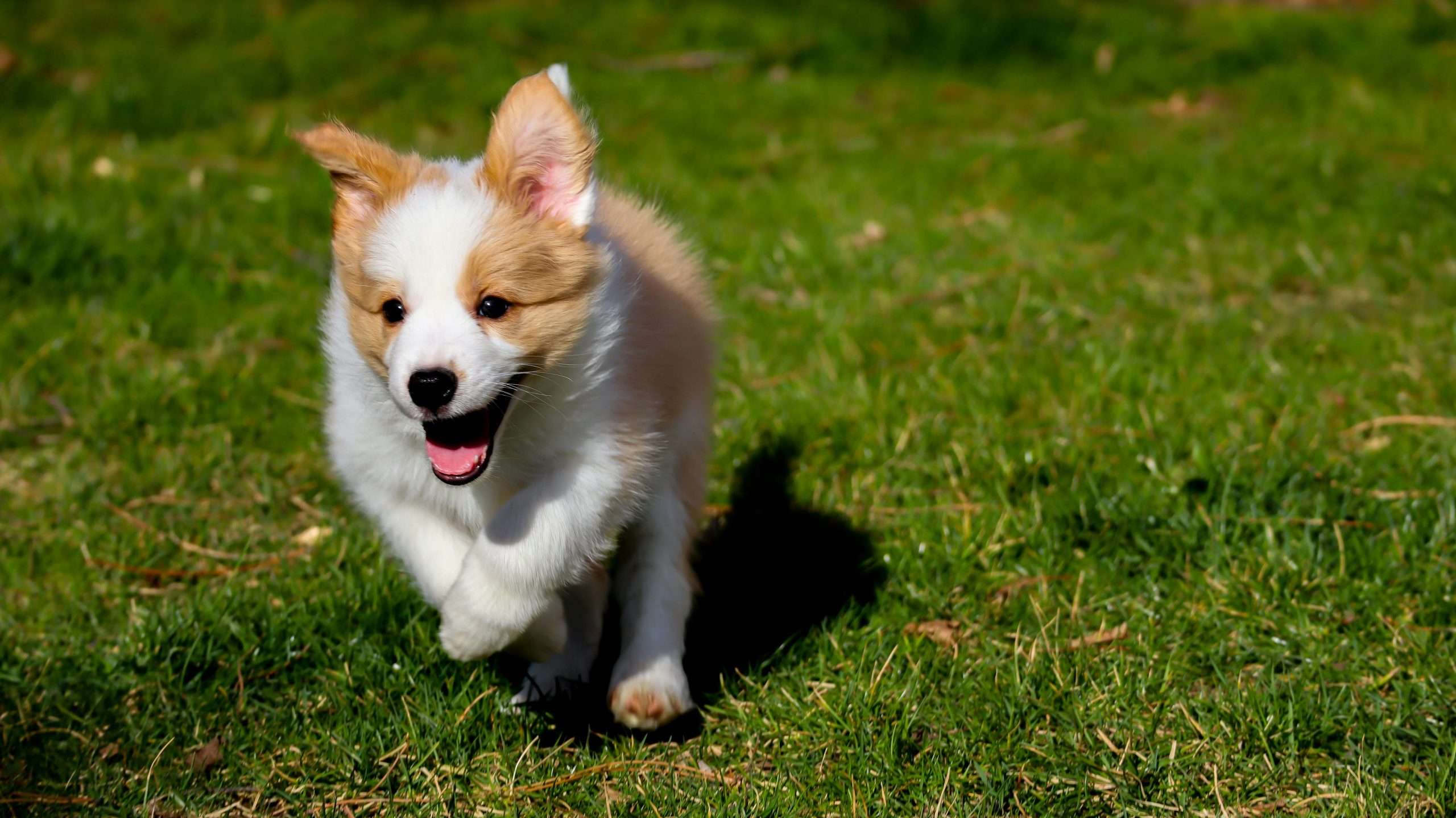
Before setting up a dog run, it’s important to consider the right materials. The flooring plays a significant role in keeping your pet comfortable and safe. Grass is a natural choice but may wear out quickly with frequent use. Many owners opt for artificial turf, gravel, or wooden flooring to create a durable and low-maintenance space. Fencing is also crucial – whether you choose wood, metal, or vinyl, ensuring it is tall enough to prevent escape is key.

Adding shade and water sources can make it more comfortable, especially in warm climates. Think about placing a dog house, canopy, or trees to provide relief from the sun. Accessories like toys, agility obstacles, and designated potty areas can make the space more functional and engaging for your pet.
1. Portable Dog Runs for Flexibility
A portable dog run is ideal for pet owners who need a temporary or mobile option. These setups are easy to assemble and typically made of wire mesh panels that can be configured in various shapes. Since they are lightweight and foldable, they are perfect for travel or rental properties. However, they work best for small to medium-sized dogs, as larger breeds may require a more robust enclosure.
2. A Simple Running Strip for Urban Spaces
For those with limited yard space, a running strip is a fantastic solution. This design consists of a narrow fenced-in pathway, typically along the side of a house or between structures. Owners can use concrete, paving stones, or synthetic grass to create a clean and low-maintenance area. This setup is especially useful for smaller breeds or dogs that need a dedicated potty area.
3. Obstacle Course type
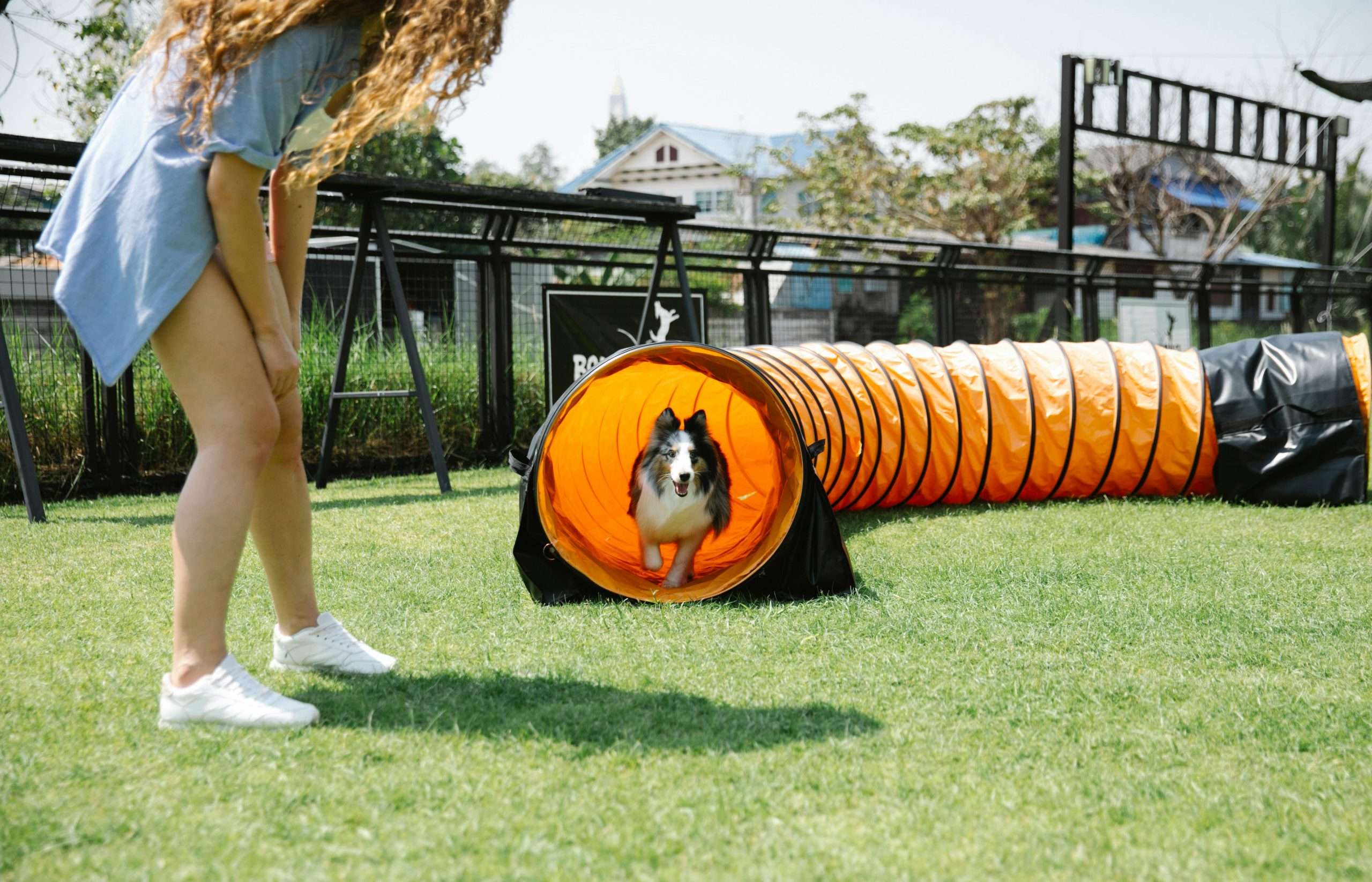
Adding agility features can keep active breeds engaged and entertained. Agility runs incorporate obstacles like tunnels, A-frames, and weave poles, providing both physical exercise and mental stimulation. Breeds like Border Collies, Labrador Retrievers, and German Shepherds thrive in environments that challenge their intelligence and energy levels. Constructing a DIY agility course can be as simple as using PVC pipes and tires or purchasing ready-made equipment.
4. Large Open type with Fencing
For larger breeds that require space to sprint, an unrestricted dog run is a great option. This involves enclosing a spacious area with fencing while keeping it free of unnecessary barriers. Adding a few features like shaded areas, resting spots, and water bowls will make the space more enjoyable. Regular supervision is important, especially in open-air designs, to ensure dogs stay safe and don’t develop unwanted behaviors like excessive digging.
5. Small Patio type
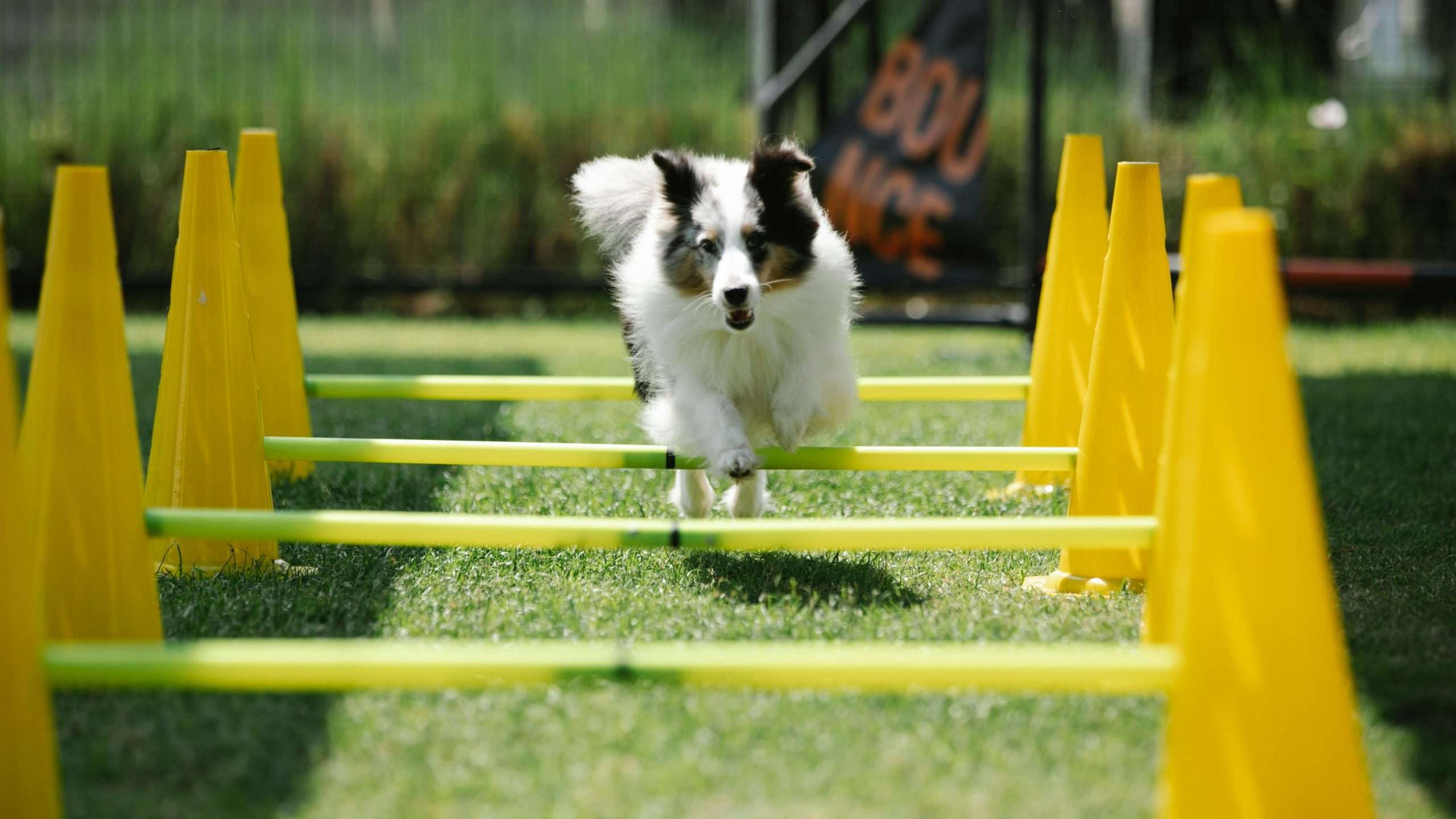
Apartment dwellers or those with limited yard space can transform their patios into effective dog runs. By installing artificial grass, decorative fencing, and essential accessories, pet owners can create a comfortable outdoor area for their dogs. This is especially beneficial in colder climates, where taking dogs out frequently might not be feasible. A well-designed patio type can provide a controlled and safe space for small dogs to enjoy fresh air and mild exercise.
6. Classic Picket Fence type
A picket fence dog run combines functionality with aesthetics. This type of enclosure blends seamlessly into most yards while offering a secure boundary. Modern picket fences are available in materials like vinyl, wood, or metal, allowing pet owners to choose an option that suits their budget and maintenance preferences. This style works well for medium-sized breeds that do not have strong escape tendencies.
7. Aerial type for Unique Spaces
An aerial dog run is an innovative solution for owners who want to give their pets freedom without installing a full enclosure. This setup involves a sturdy overhead cable with a leash attached, allowing the dog to move within a defined space. While this type of dog run works well for temporary exercise, it requires close supervision to prevent entanglement.
Also read:
Fun Tricks and Games to Bond With Your Dog: A Complete Guide
Creating the Perfect Dog Run for Your Pet
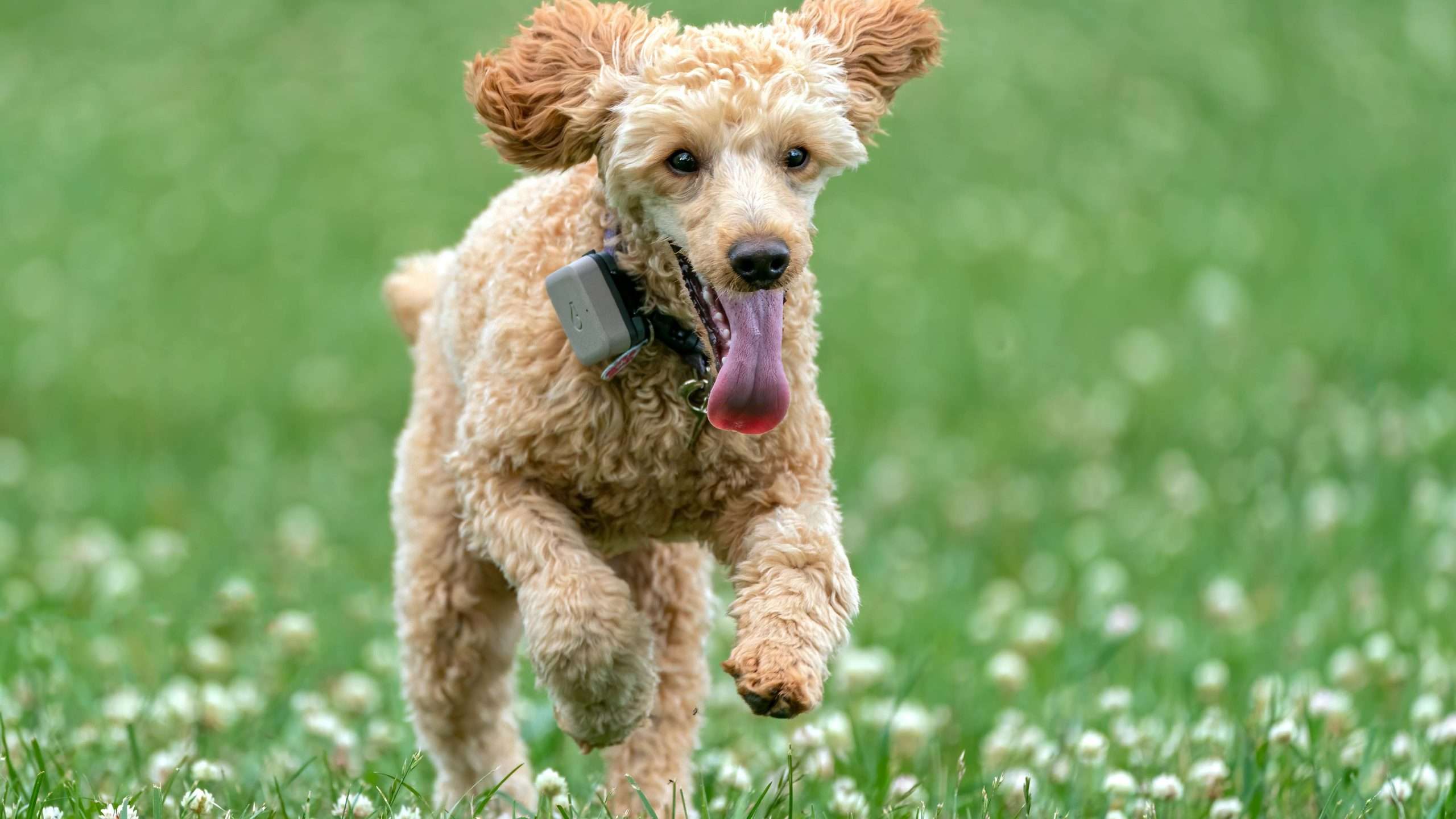
Designing a dog run that suits your pet’s needs requires careful planning. The available space, your dog’s breed, and local climate conditions all play a role in determining the best option. Portable and patio dog runs are ideal for small homes, while larger breeds benefit from open or fenced-in areas. Adding agility obstacles and shade structures ensures that your dog stays happy and healthy.
A well-thought-out one provides a safe environment for exercise and play while protecting your property from potential damage. Whether you opt for a simple running strip, an agility course, or a classic fenced area, choosing the right materials and layout will make all the difference. Investing time and effort into your dog run will result in a happier, healthier pet.
Frequently Asked Questions (FAQs)
1. What is the best surface for a dog run?
The best surface depends on your dog’s needs and your budget. Pea gravel, synthetic grass, and concrete are popular choices due to their durability and ease of maintenance.
2. How big should a dog run be?
The size depends on your dog’s breed and activity level. A small dog run for a toy breed may be just a few feet, while larger breeds require at least 10-15 feet of running space.
3. How can I make my dog run more engaging?
Adding tunnels, toys, and agility equipment keeps your dog entertained. Consider rotating toys and obstacles to keep the space stimulating.
4. Can I build a dog run in an apartment?
Yes! A patio dog run with artificial grass and fencing is a great solution for small spaces. Ensure it’s safe, clean, and comfortable for your pet.
5. What is the cheapest way to build a dog run?
Using existing fencing, natural dirt, and repurposed materials can help cut costs. Portable or DIY enclosures with budget-friendly materials like pea gravel are also economical options.
![How Much Exercise Does a Dog Need Every Day? [2024]](https://100dogbreeds.com/wp-content/uploads/2024/06/how-much-exercise-does-a-dog-need-everyday-768x530.jpg)