Root Canal for Dogs: Does My Dog Need a Root Canal?

Dental problems in dogs often go unnoticed until they start affecting daily life. A dog may still eat, wag its tail, and act normal while silently dealing with serious tooth pain. One of the most misunderstood treatments in canine dentistry is the root canal for dogs. Many pet parents assume it is extreme or unnecessary, but in the right situation, it can actually save a dog’s tooth and prevent long term discomfort.
If you have ever noticed a broken tooth, discoloration, or changes in how your dog eats, you might be wondering whether a root canal for dogs is really needed. This guide explains what the procedure involves, when it is recommended, and how to decide what is best for your dog.

What Is a Root Canal for Dogs?
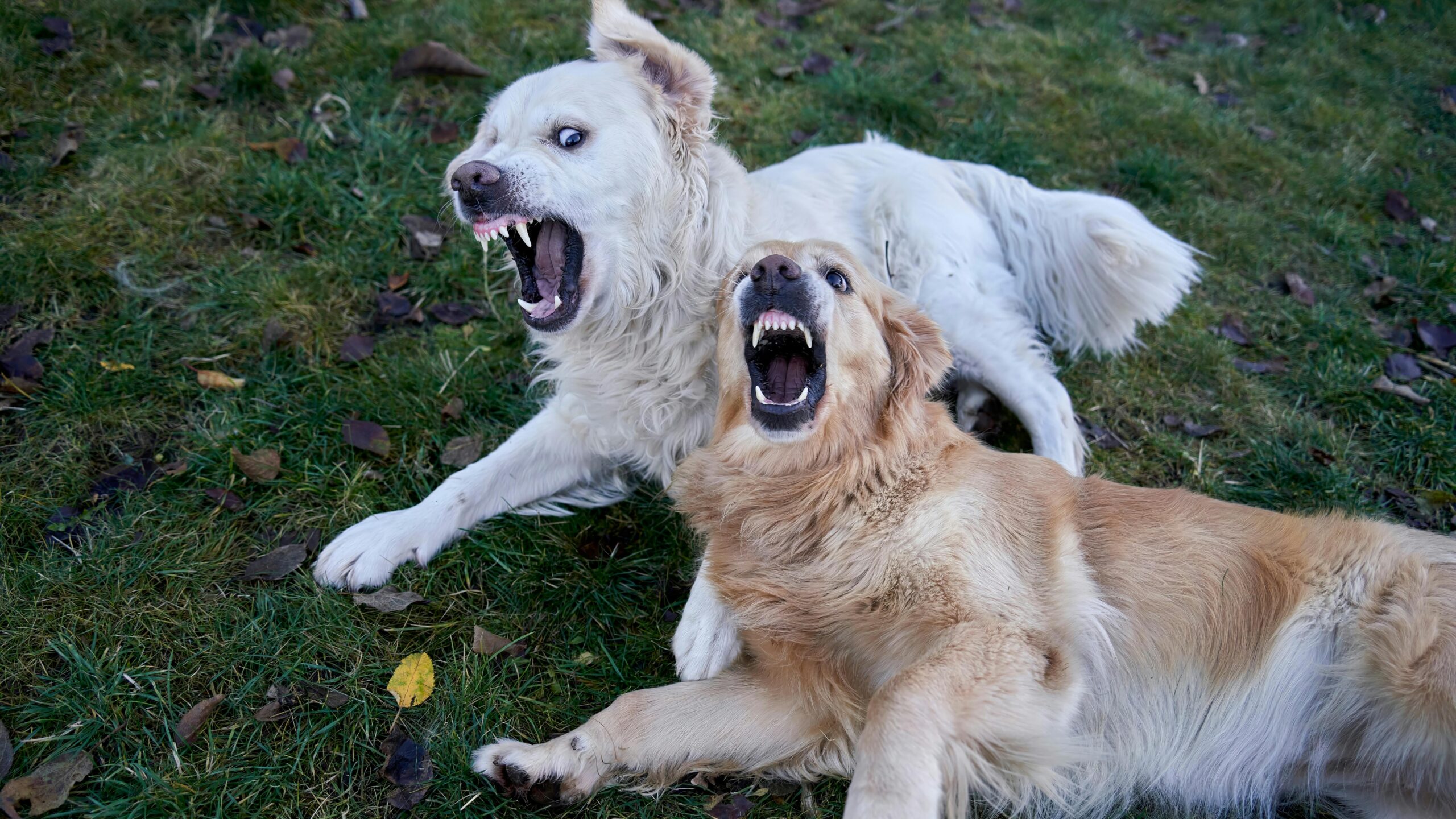
A root canal for dogs is a veterinary dental procedure used to treat a damaged or infected tooth while keeping the tooth intact. Inside every tooth is soft tissue called pulp. This pulp contains nerves and blood vessels. When the pulp becomes exposed due to a crack, fracture, or deep wear, bacteria can enter and cause infection and pain.
During a root canal for dogs, the veterinarian removes the infected pulp, cleans and disinfects the inside of the tooth, and seals it to prevent further infection. The outer structure of the tooth remains in place, allowing your dog to continue using it normally.
Unlike routine dental cleanings, this procedure is considered advanced dental care and is often performed by veterinarians with specialized dental training.
How Does a Root Canal for Dogs Work?
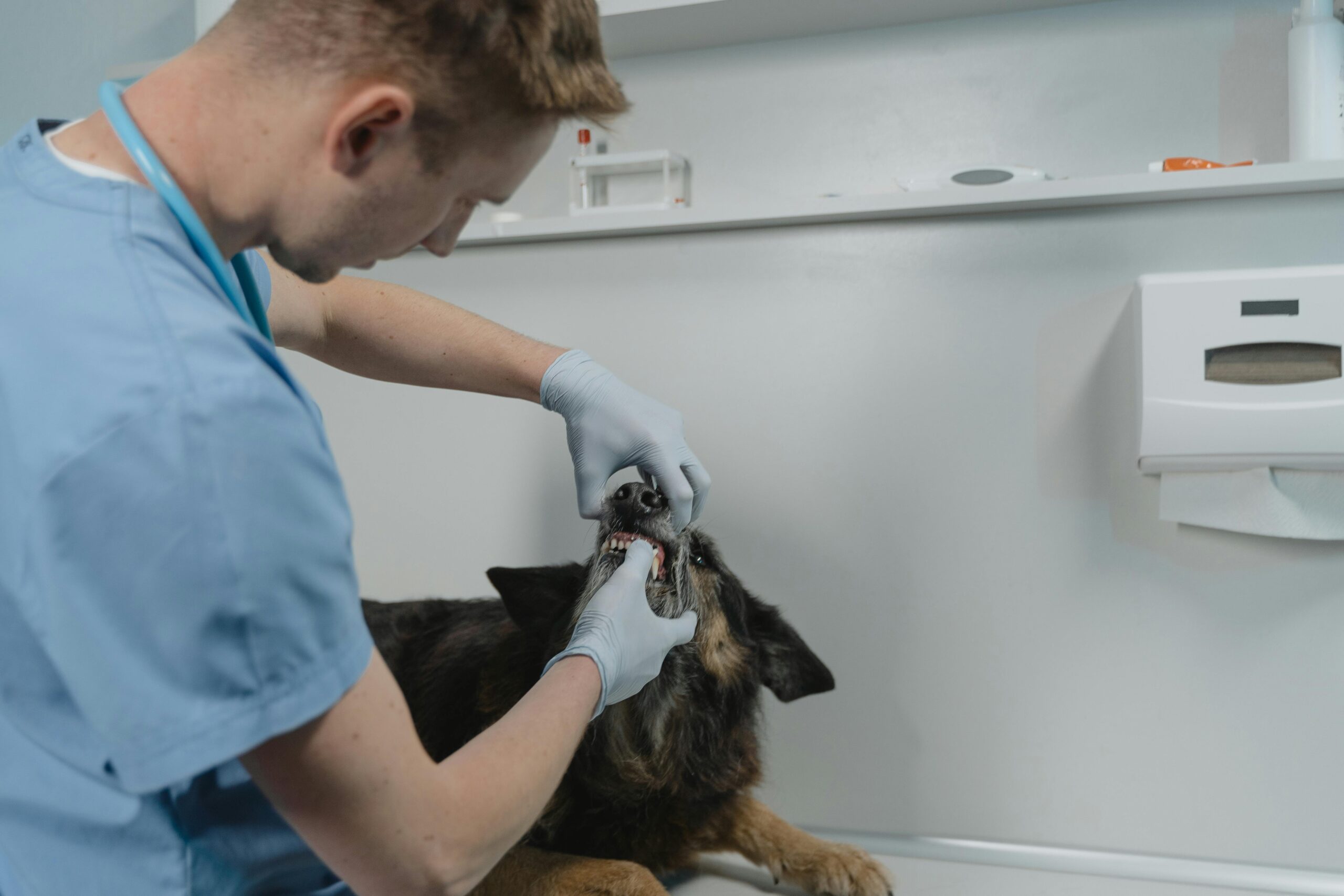
The process begins with a thorough dental examination. Dental X rays are taken to evaluate the tooth roots and surrounding bone. These images help the vet confirm whether a root canal for dogs is the best option or if extraction is necessary.
The procedure itself is done under general anesthesia. This ensures your dog feels no pain and remains still throughout treatment.
The steps usually include:
- Creating an opening in the tooth to access the pulp
- Removing the infected tissue
- Cleaning and shaping the canal
- Filling the canal with a dental material
- Sealing and restoring the tooth
In some cases, a crown may be placed over the tooth, especially for working dogs or dogs that put heavy pressure on their teeth.
Related reads:
Common Dental Problems in Dogs: Signs, Causes, and Prevention Tips
Signs Your Dog Might Need a Root Canal for Dogs

Dogs are experts at hiding pain, which makes dental issues easy to miss. Some signs are obvious, while others are subtle and develop slowly.
Visible signs include:
- A cracked or broken tooth
- A tooth that appears gray, purple, or dark yellow
- Swelling near the mouth or under the eye
- Bleeding from the gums near a specific tooth
Behavioral signs can include:
- Chewing on one side of the mouth
- Dropping food while eating
- Avoiding hard treats or toys
- Pawing at the face or mouth
- Bad breath that does not improve with cleaning
Even if your dog is still eating, pain can still be present. A root canal for dogs is often recommended before infection spreads deeper into the jaw or bloodstream.
Common Causes That Lead to a Root Canal for Dogs
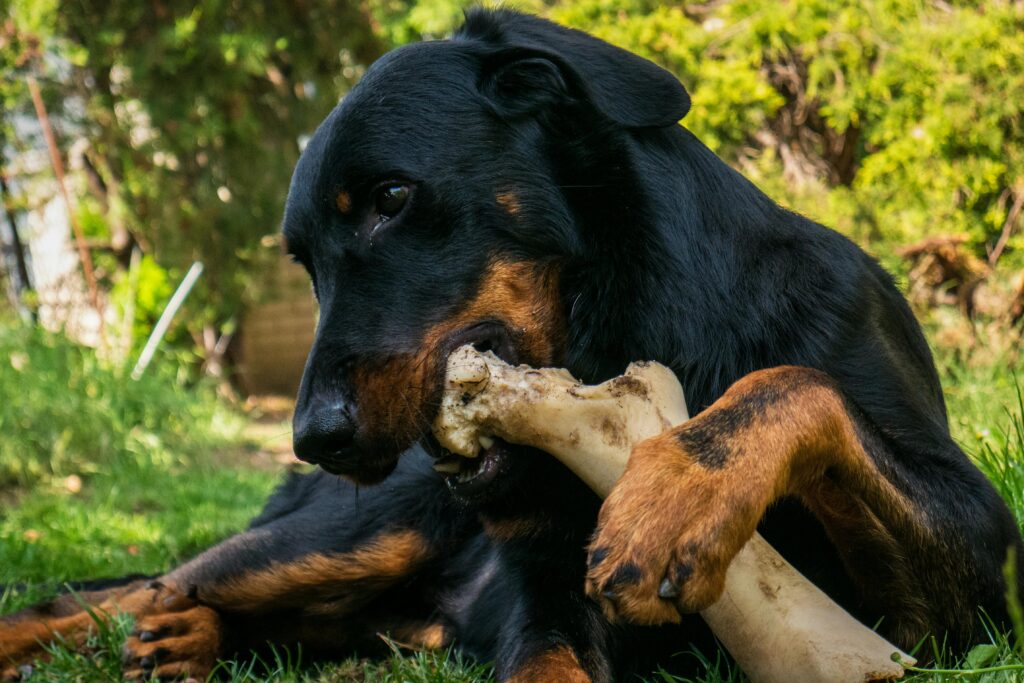
The most common reason dogs need this procedure is tooth fracture. Dogs love to chew, but some items are harder than their teeth can handle.
Hard bones, antlers, hooves, and very dense nylon toys are frequent causes of cracked teeth. Once the inner pulp is exposed, bacteria can quickly enter.
Other causes include:
- Trauma from accidents or falls
- Advanced dental disease
- Chronic wear from chewing hard objects
- Untreated cavities or pulp inflammation
In many cases, the damage is not visible above the gumline. Dental X rays play a major role in identifying when a root canal for dogs is needed.
Root Canal for Dogs vs Tooth Extraction
Pet owners often assume removing the tooth is the simplest solution. While extraction is sometimes necessary, it is not always the best option.
A root canal for dogs allows the tooth to stay in place, preserving its function. This is especially important for canine teeth and carnassial teeth, which are used for gripping and chewing.
Extraction may be recommended when:
- The tooth is severely damaged
- Infection has destroyed surrounding bone
- The tooth cannot be properly restored
However, extraction can be more invasive than a root canal for dogs, especially for large teeth. It may involve cutting bone and suturing gum tissue, leading to a longer recovery.
Benefits of Choosing a Root Canal for Dogs
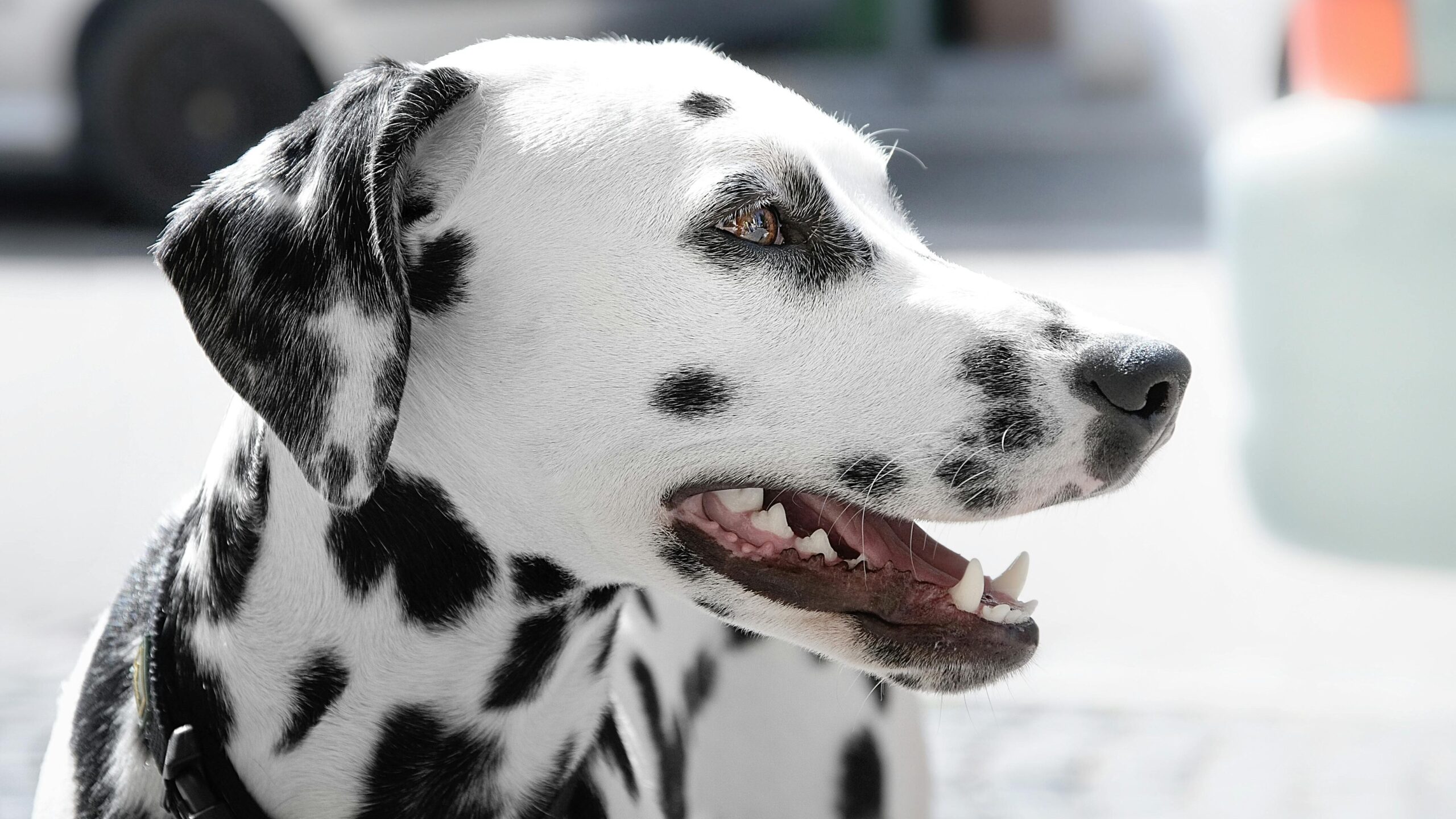
One major advantage of a root canal for dogs is pain relief without losing the tooth. Once the infected pulp is removed, the source of pain is gone.
Other benefits include:
- Preserving natural chewing ability
- Maintaining jaw strength and alignment
- Faster healing compared to some extractions
- Less disruption to eating habits
For active dogs, working dogs, and dogs that rely heavily on their teeth, saving the tooth can improve long term comfort and quality of life.
Risks and Limitations of a Root Canal for Dogs
While the procedure has a high success rate, it is not suitable for every case. If the infection has progressed too far, extraction may be the safer option.
Possible limitations include:
- Higher upfront cost
- Need for specialized veterinary care
- Follow up X rays to monitor healing
In rare cases, the treated tooth may develop complications later and still require extraction. This is why follow up care after a root canal for dogs is important.
Recovery and Aftercare Following a Root Canal for Dogs
Most dogs recover quickly after the procedure. They usually go home the same day and resume normal activity within a short time.
Aftercare typically includes:
- Pain relief medication
- Soft food for a few days
- Avoiding hard toys or chews
- Follow up dental exams
Your vet may recommend periodic X rays to ensure the tooth remains healthy. With proper care, a tooth treated with a root canal for dogs can last for years.
How Much Does a Root Canal for Dogs Cost?
The cost varies depending on location, tooth size, and whether a specialist is involved. Larger teeth and complex cases cost more due to longer procedure time and materials used.
While a root canal for dogs may seem expensive, it can be comparable to or even less than surgical extraction for large teeth. The long term comfort and preserved function are often worth the investment.
Pet insurance may cover part of the cost if dental illness or injury is included in the policy.
Preventing the Need for a Root Canal for Dogs
Prevention starts with smart chewing choices. If a toy is hard enough to hurt your fingernail, it is likely too hard for your dog’s teeth.
Other prevention tips include:
- Regular dental checkups
- Daily or frequent tooth brushing
- Avoiding cooked bones and antlers
- Addressing broken teeth early
Early intervention can prevent minor damage from turning into a situation where a root canal for dogs becomes necessary.
Final Thoughts on Root Canal for Dogs
A root canal for dogs is not an extreme or unnecessary treatment. In many cases, it is a thoughtful way to relieve pain while preserving your dog’s natural teeth. The key is early detection, proper diagnosis, and guidance from a qualified veterinarian.
If you notice changes in your dog’s mouth, eating habits, or behavior, a dental exam can make all the difference. Addressing the problem early may mean the difference between saving a tooth and losing it entirely.
Your dog may not be able to tell you when something hurts, but paying attention to dental health can help ensure a comfortable, pain free life.
![Can Dogs Eat Salt? Symptoms & Prevention [2025]](https://100dogbreeds.com/wp-content/uploads/2025/03/pexels-vero-andrade-10716903-12027296-768x512.jpg)