6 Reasons Your Dog Smells Bad and What It Really Means

If you have ever found yourself wondering why your dog smells bad even after a recent bath, you are not alone. Many dog parents assume that odor is simply part of having a pet. While mild dog scent is normal, a strong or persistent smell is often a sign that something deeper is going on.
A dog smells bad for specific reasons, and most of them are linked to health, hygiene, or daily habits. Understanding what causes the odor helps you fix the issue at the root instead of masking it with shampoos or sprays.

Reason 1: Skin Infections Are a Common Reason Your Dog Smells Bad
One of the most frequent answers to why a dog smells bad is skin trouble. Dogs can develop bacterial or yeast infections on their skin, especially in warm or humid climates.
These infections often create a musty, sour, or cheesy odor. You may notice the smell strongest around the paws, armpits, neck, or belly. Dogs with skin folds or thick coats are more prone to this problem because moisture gets trapped easily.
Skin infections are often triggered by allergies, poor grooming, or underlying health issues. Scratching, redness, flaky skin, or hair loss usually accompany the smell. If the odor returns quickly after bathing, that is another sign the issue is medical rather than cleanliness.
How Skin Issues Lead to Odor
When yeast or bacteria multiply on the skin, they release waste products that smell unpleasant. This is why a dog smells bad even when they look clean on the surface.
Reason 2: Ear Infections Can Make Your Dog Smell Bad
If the odor seems to come from your dog’s head or ears, ear infections could be the culprit. A dog smells bad when bacteria or yeast grow inside the ear canal.
Dogs with floppy ears or hairy ear canals are especially vulnerable because airflow is limited. Moisture from swimming or bathing also increases the risk.
The smell from infected ears is often described as yeasty or sour. You may also notice your dog shaking their head, scratching their ears, or showing sensitivity when touched.
Signs the Smell Is Coming From the Ears
A dog smells bad due to ear problems when there is visible redness, discharge, or frequent head shaking. Ignoring ear infections can lead to pain and hearing issues, so early attention matters.
Reason 3: Anal Gland Problems Are a Strong Cause of Bad Odor
Anal gland issues are one of the most unpleasant reasons a dog smells bad. These glands sit near the anus and release a scent during bowel movements. When they become blocked or infected, the smell becomes overpowering.
The odor is usually fishy and sharp, and it may appear suddenly. Dogs often scoot on the floor or lick their rear when experiencing anal gland discomfort.
Some dogs naturally express their glands without problems, while others need occasional help. Small breeds tend to face this issue more often.
Why Anal Gland Smell Is So Noticeable
When anal glands do not empty properly, the buildup produces an intense odor. This is why a dog smells bad even if the rest of the body seems fine.
Reason 4: Dental Disease Can Make Your Dog Smell Bad
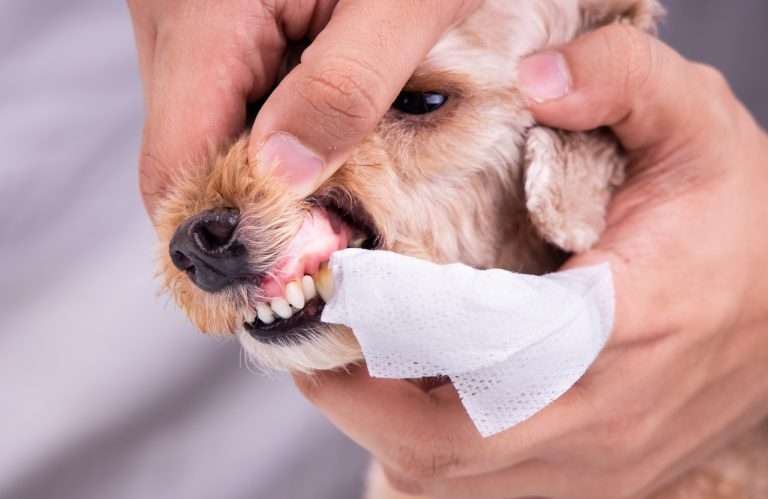
A dog smells bad not only from the outside but also from the mouth. Dental problems are a major source of odor that many dog owners overlook.
Plaque buildup, gum disease, and infected teeth cause strong bad breath. Over time, bacteria from the mouth can affect overall health, not just smell.
If your dog’s breath makes you recoil, dental hygiene may be the issue. Yellow or brown teeth, swollen gums, or reluctance to chew are common signs.
How Oral Health Affects Overall Smell
When bacteria thrive in the mouth, they release sulfur compounds. This makes a dog smells bad problem noticeable even from a distance.
Related reads:
Common Dental Problems in Dogs: Signs, Causes, and Prevention Tips
Reason 5: Diet and Digestive Problems Can Cause a Dog to Smell Bad
What your dog eats plays a bigger role in odor than many people realize. A dog smells bad when their digestive system struggles to process food properly.
Low quality food, sudden diet changes, or food intolerances can lead to gas, smelly stools, and body odor. You might notice the smell strongest around the rear or after meals.
Digestive imbalance also affects skin and coat health, which adds to the odor problem over time.
Diet Related Smell Clues
If a dog smells bad mainly due to digestive issues, you may also see loose stools, frequent gas, or itching linked to food sensitivities.
Reason 6: Moisture and Environment Can Make Your Dog Smell Bad
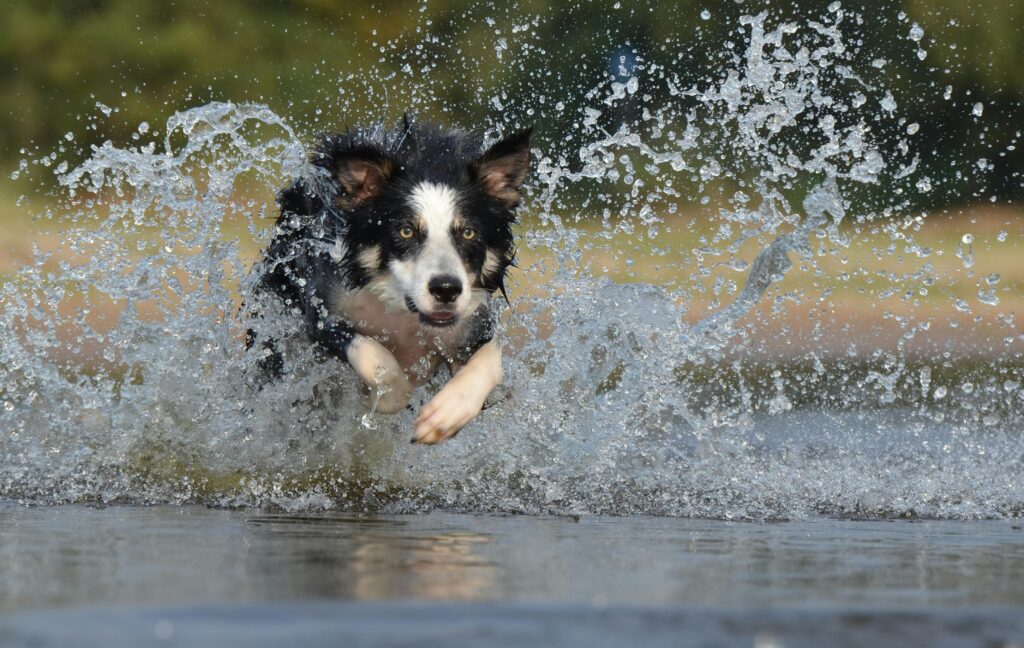
The classic wet dog smell is another reason a dog smells bad, even when they are otherwise healthy. When dogs get wet, water releases natural oils and bacteria trapped in the coat.
If the fur does not dry properly, moisture encourages bacterial growth. Dogs who swim often or live in humid areas experience this more frequently.
Environmental factors also matter. Rolling in dirt, garbage, or animal remains instantly makes a dog smells bad situation worse.
Why Bathing Sometimes Makes Smell Worse
When a dog smells bad after a bath, it is often because the coat was not dried fully. Damp fur is the perfect breeding ground for odor causing bacteria.
When a Bad Smell Signals a Health Concern
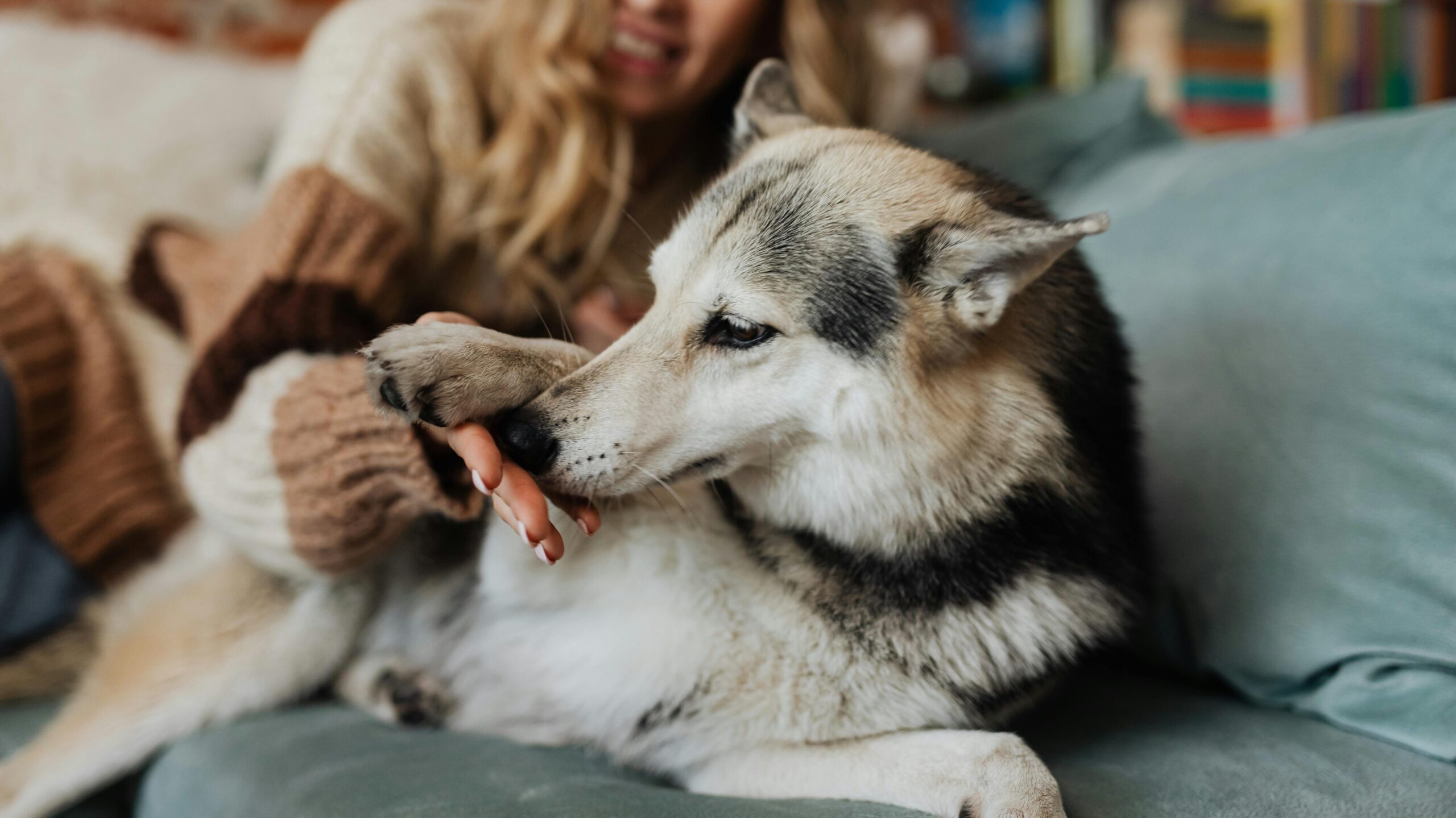
Sometimes a dog smells bad for reasons beyond hygiene or grooming. Certain medical conditions produce distinct odors.
For example, a sweet or fruity smell may point to diabetes, while ammonia like odor could indicate kidney issues. These smells are usually accompanied by changes in behavior, appetite, or energy.
Persistent odor that does not improve with care should always be checked by a veterinarian.
How to Prevent and Reduce Dog Odor Naturally
Preventing odor starts with understanding why your dog smells bad in the first place. Regular grooming, proper diet, and health checks make a big difference.
Bathing should be done as needed, not excessively. Overbathing strips natural oils and worsens skin problems. Ear cleaning, dental care, and coat drying are just as important.
When the root cause is addressed, the dog smells bad issue often resolves without constant deodorizing products.
Saying Goodbye
A dog smells bad for many reasons, but none of them should be ignored. From skin infections and ear problems to diet and dental health, odor is your dog’s way of signaling that something needs attention.
By observing where the smell comes from and how often it appears, you can identify the cause early. Most odor issues are manageable with the right care and professional guidance when needed.
Instead of masking the smell, focus on solving the reason your dog smells bad. Your dog will be healthier, more comfortable, and happier as a result.
![How to Clean Dog Ears: At Home Edition [2024]](https://100dogbreeds.com/wp-content/uploads/2024/09/Dog-ears-e1725473739176-768x384.jpg)