Raw Diet Transition Plan for Dogs Guide

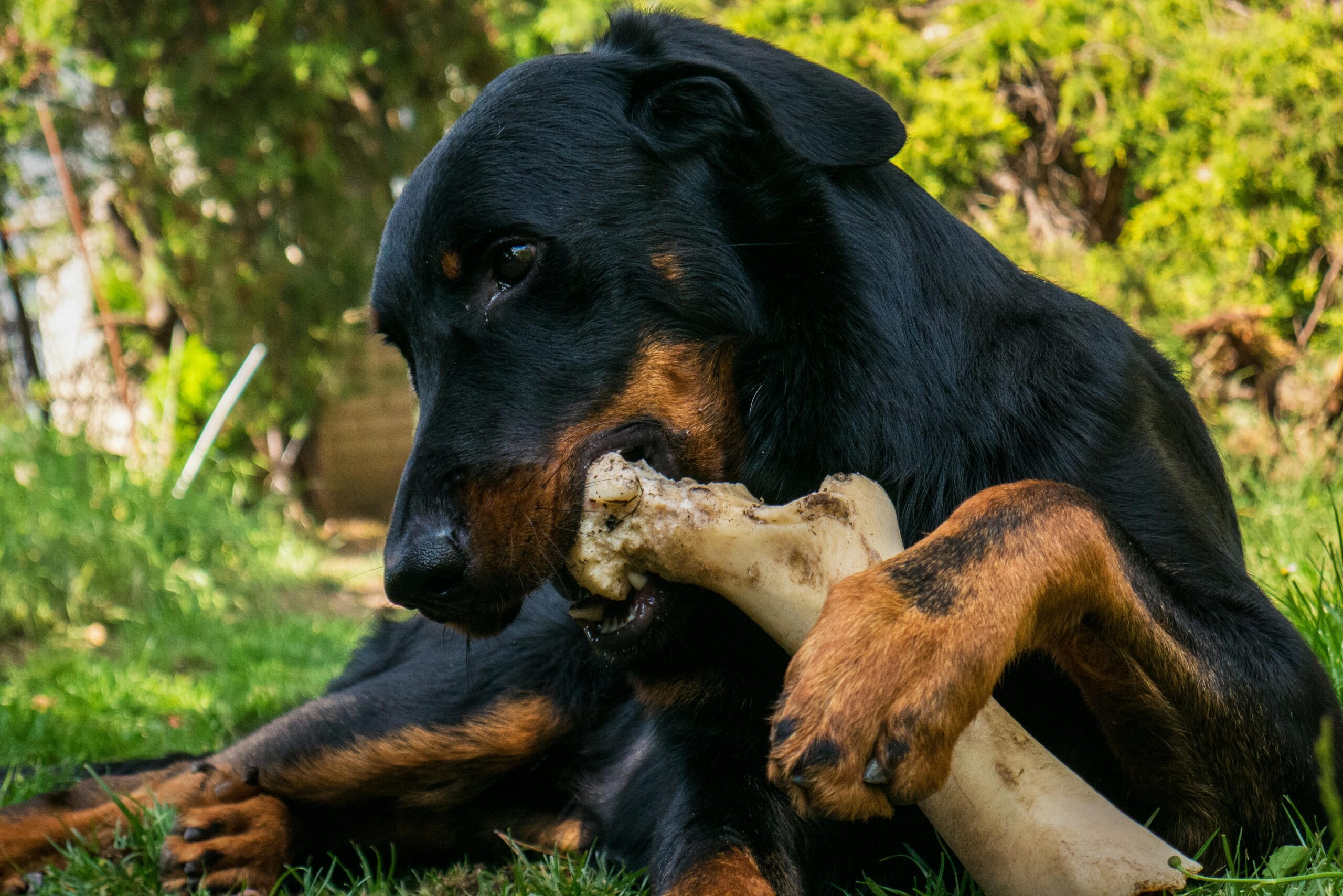
Switching a dog’s diet is never something to rush. Many pet owners today are exploring raw diet transition because they want meals that feel closer to what dogs naturally eat. Raw diets usually include fresh meat, bones, and organs instead of highly processed ingredients. While the idea sounds simple, the change needs to happen carefully.
Dogs that have eaten kibble for years have digestive systems that are used to that type of food. Suddenly introducing raw meat can lead to stomach upset if the body is not given time to adjust. This is where a structured diet transition becomes important. A gradual plan allows your dog’s digestive system to adapt slowly while reducing the chances of diarrhea, vomiting, or food refusal.

This guide explains how a raw diet transition works, how long it should take, and what dog owners should expect during the process.
What Is a Raw Diet Transition for Dogs?
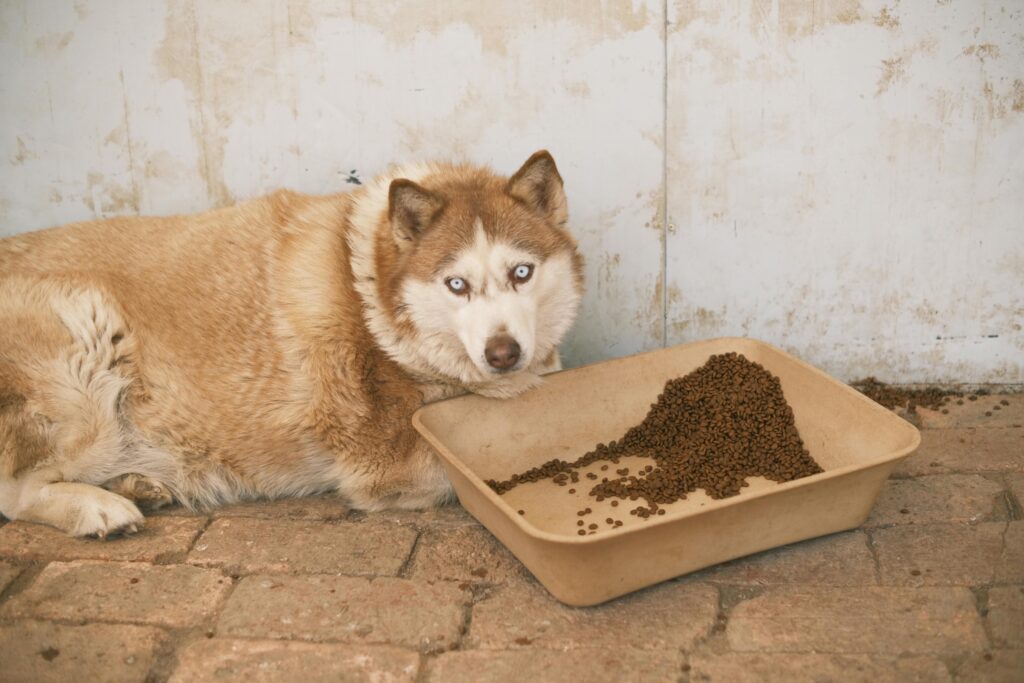
A diet transition is the process of slowly changing a dog’s meals from their current food to a raw food diet. Instead of switching overnight, the new food is introduced in small amounts and gradually increased over several days.
Dogs develop digestive enzymes and gut bacteria based on the food they regularly eat. A dog that has been eating kibble for years has a digestive system adapted to processed carbohydrates and cooked ingredients. When raw food is suddenly introduced, the digestive system may struggle to process it properly.
During a raw diet transition, raw ingredients such as fresh meat, raw bones, and organ meats are mixed with the dog’s existing food. The portion of raw food increases over time while the previous food slowly decreases. This step by step approach helps the body adjust to the new nutrients.
A typical raw diet includes muscle meat, edible bones, organs like liver or kidney, and sometimes small amounts of vegetables. The goal of a proper diet transition is to allow the dog’s digestive system to adapt comfortably to these ingredients.
Why a Slow Raw Diet Transition Is Important
Changing a dog’s diet too quickly can lead to digestive problems. Even healthy dogs can develop stomach upset when food changes suddenly. A slow raw diet transition helps avoid many of these issues.
One major reason for a gradual transition is digestive enzyme adjustment. Dogs produce specific enzymes based on what they eat regularly. When the diet suddenly changes, the body may not produce the right enzymes to break down the new food immediately. A structured diet transition gives the body time to adapt.
Gut bacteria also play an important role. The digestive tract contains beneficial bacteria that help process food and absorb nutrients. These bacteria change depending on diet. A gradual raw diet transition allows the microbiome to shift without creating digestive stress.
Another benefit is the ability to monitor food tolerance. When new foods are introduced slowly, it becomes easier to identify whether a dog reacts poorly to a specific ingredient.
Most experts recommend that a diet transition take around seven to fourteen days. Some dogs adapt faster, while others with sensitive stomachs may need a longer adjustment period.
Step by Step Raw Diet Transition Plan

Many dog nutrition guides recommend a gradual 10 to 14 day schedule for a raw diet transition. The idea is to slowly increase the amount of raw food while reducing the previous diet.
Days 1 to 3 of the Raw Diet Transition
During the first few days, introduce a small portion of raw food. Around twenty percent of the meal can be raw food, while the remaining eighty percent remains the dog’s current diet.
This stage helps the digestive system begin adapting to the new ingredients without overwhelming it.
Days 4 to 6 of the Diet Transition
Once the dog appears comfortable with the new food, the portion can increase to about forty percent raw food and sixty percent old food.
At this stage of the diet transition, it is important to monitor stool quality and appetite. If the dog appears comfortable and active, the transition can continue.
Days 7 to 9 of the Raw Diet Transition
The next step is increasing the raw portion to about sixty percent of the meal. The old food is reduced to forty percent.
Many dogs begin adjusting well by this stage of the raw diet transition, and digestive issues often settle as the body adapts.
Days 10 to 12 of the Diet Transition
At this stage, the meal can include around eighty percent raw food and twenty percent of the previous food. The digestive system should now be more comfortable handling the new diet.
Day 12 and Beyond in the Raw Diet Transition
After the transition period, dogs can begin eating a fully raw diet. By this point, the digestive system should be adjusted and able to process raw ingredients properly.
The raw diet transition may take longer for dogs with sensitive stomachs, and that is completely normal.
Related reads:
Safe Human Foods for Dogs: Know What You Can Share
Common Mistakes During a Raw Diet Transition

One of the most common mistakes is switching too quickly. Some owners replace the entire meal with raw food on the first day. This can overwhelm the digestive system and cause stomach upset.
A structured raw diet transition helps prevent these issues.
Another mistake is introducing multiple protein sources too early. Dogs should begin with one protein type during the early stages of the raw diet transition. Once digestion stabilizes, new proteins can be added slowly.
Feeding an unbalanced raw diet is another concern. A complete raw meal should include muscle meat, edible bones, and organ meat. Balance becomes particularly important once the raw diet transition is complete.
Tips to Make the Raw Diet Transition Easier
Some simple habits can make the raw diet transition smoother for both dogs and owners.
Mix the raw food thoroughly with the existing food so the dog eats both parts of the meal. This prevents selective eating.
Monitor stool quality throughout the raw diet transition. Changes in digestion can provide helpful information about how well the dog is adjusting.
Consistency also helps. Feeding meals at the same times each day can make the raw diet transition more predictable.
If digestive upset appears, slowing the transition can often resolve the problem.
Final Thoughts
Changing a dog’s diet requires patience and careful planning. A gradual raw diet transition gives the digestive system time to adjust while reducing the risk of stomach upset.
With the right ingredients, proper portions, and a slow introduction schedule, many dogs adapt successfully to raw feeding. Observing your dog closely during the raw diet transition can help ensure the process remains safe and comfortable.
When done correctly, the raw diet transition can help dogs move toward a fresh diet while maintaining digestive stability.

![5 Most Common Dog Digestive Issues – [With Remedies]](https://100dogbreeds.com/wp-content/uploads/2024/06/dog-digestive-issue-768x576.jpg)