Rabies in Dogs – Symptoms, Vaccine, & What You Should Do


When it comes to deadly diseases that affect our pets, rabies in dogs stands out as one of the most serious. Despite being preventable through vaccination, this viral infection still poses a threat to unvaccinated dogs and their owners. Knowing the symptoms, understanding the importance of timely vaccination, and taking the right steps if you suspect exposure can make all the difference.
What is Rabies?
Rabies in dogs is caused by a virus that attacks the central nervous system. It spreads through the saliva of infected animals, often via bites or scratches. Wild animals like bats, raccoons, foxes, and skunks are the most common carriers, but any mammal can contract or spread the disease—including humans.

Once the virus enters a dog’s body, it travels through the nerves toward the brain, where it causes swelling, dysfunction, and eventually, death. The condition is nearly always fatal once symptoms begin, making prevention critical.
How Do Dogs Get Rabies?
A dog can contract rabies if it is bitten or scratched by an infected animal. The virus enters through broken skin and travels slowly toward the brain. You might not see symptoms immediately—this period between exposure and signs of illness is known as the incubation period.
Depending on the location of the bite and the dog’s immune system, symptoms can appear within a few weeks or take several months. That’s why even a minor bite from wildlife should never be taken lightly.
Incubation Period and Transmission
Most dogs will show symptoms of rabies in dogs within 2 to 8 weeks after exposure, though it can sometimes take up to six months. During this period, the virus silently travels through the dog’s body without obvious signs. However, once symptoms appear, the disease progresses rapidly and is almost always fatal.
Notably, a dog with rabies can begin to transmit the virus before showing visible symptoms—typically up to 10 days prior. This is why health officials often require a 10-day quarantine for dogs that have bitten a person, even if the dog seems healthy at the time.
Symptoms of Rabies in Dogs
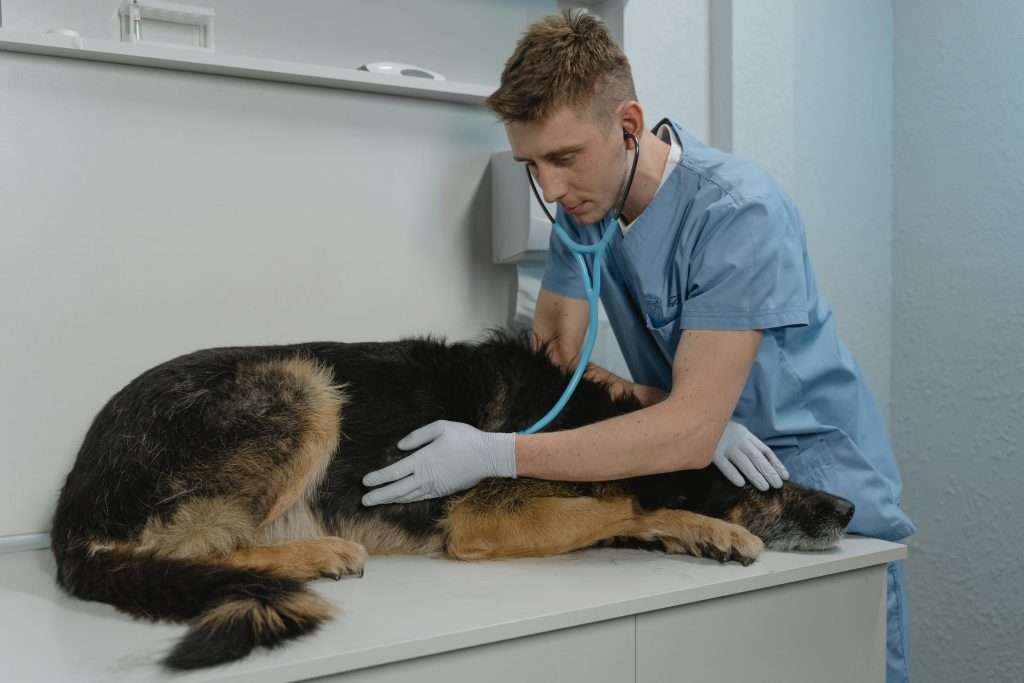
The symptoms of rabies in dogs can vary depending on the stage of infection. The disease typically progresses through three stages:
1. Prodromal Stage (First 2-3 Days)
In this early stage, changes in behavior are often the first clue. Dogs may appear anxious, nervous, or unusually affectionate. Some signs include:
- Fever
- Subtle changes in temperament
- Excessive licking at the bite site
- Avoiding food or water
2. Furious Stage
This is the stage most commonly associated with rabies in dogs. It’s characterized by heightened aggression, disorientation, and sensitivity to light and sound. Dogs may:
- Snap at people, animals, or inanimate objects
- Become hyperactive and restless
- Bark in a high-pitched or strange tone
- Lose coordination and stumble while walking
3. Paralytic Stage
Eventually, the virus causes paralysis, starting at the back legs and moving forward. Dogs may:
- Drool excessively due to trouble swallowing
- Appear to choke or gag
- Become weak or completely immobile
- Fall into a coma and die
Once a dog reaches the final stage, death typically occurs within a few days.
Related reads:
Dog bites: How to Prevent or Treat Them
How is Rabies Diagnosed?
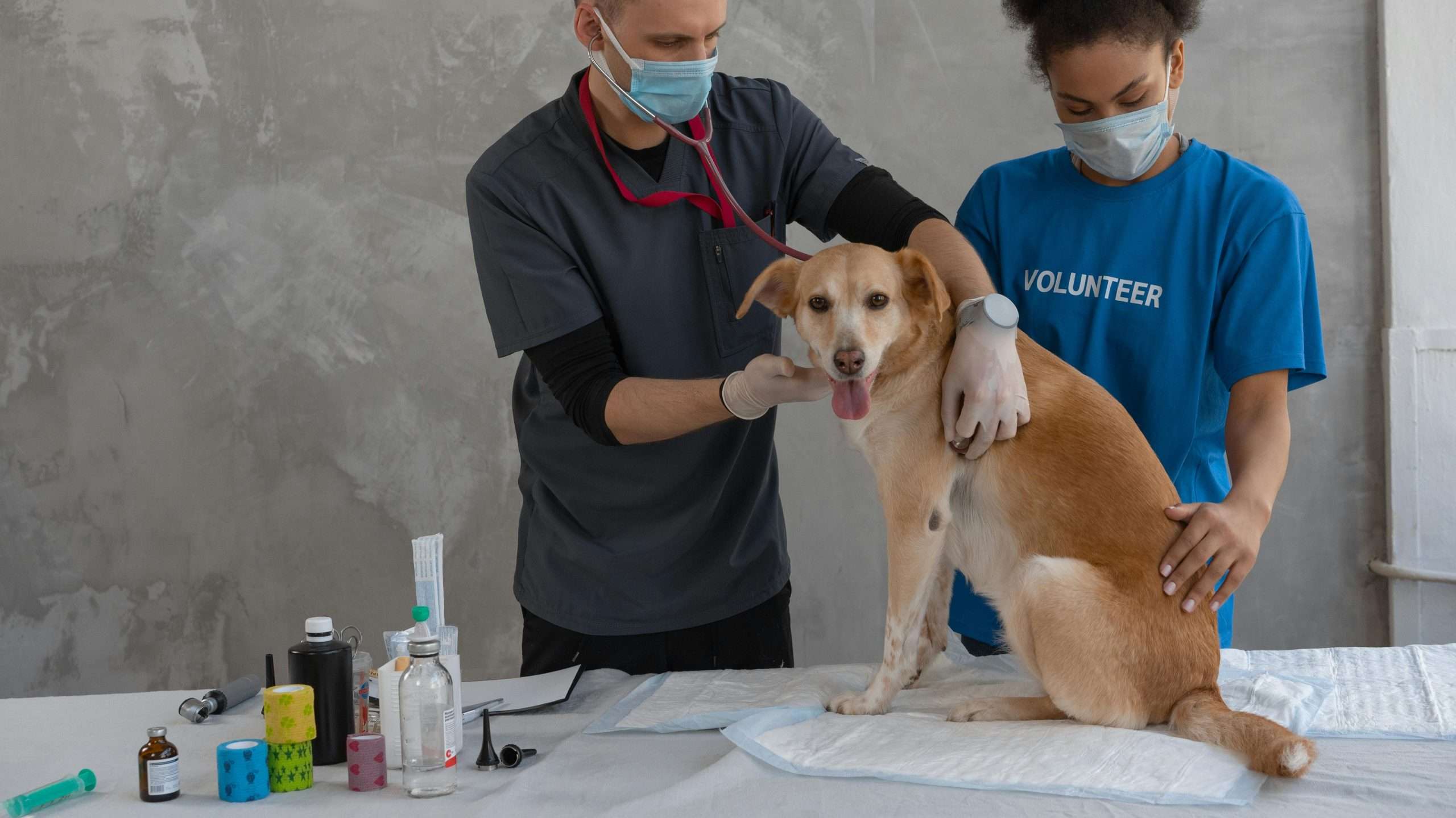
There is no reliable test for rabies in live animals. Unfortunately, a definitive diagnosis requires examining brain tissue, which can only be done after the dog has passed away. That’s why prevention and prompt action are essential when dealing with potential exposure.
What to Do If You Suspect Rabies
If your dog is bitten by a wild animal, don’t wait for symptoms to appear. Here’s what you should do immediately:
- Avoid direct contact with saliva or the wound. Wear gloves and handle your dog carefully.
- Call your veterinarian and inform them about the situation.
- Report the incident to your local animal control or public health department.
- Check your dog’s vaccination status. If their rabies shot is up to date, your vet may administer a booster and place your dog under observation.
- Quarantine may be required for several days or weeks, depending on vaccination history and local laws.
If your dog is unvaccinated, the options are limited and heartbreaking—often leading to euthanasia to prevent the spread of the disease.
Rabies Vaccine for Dogs
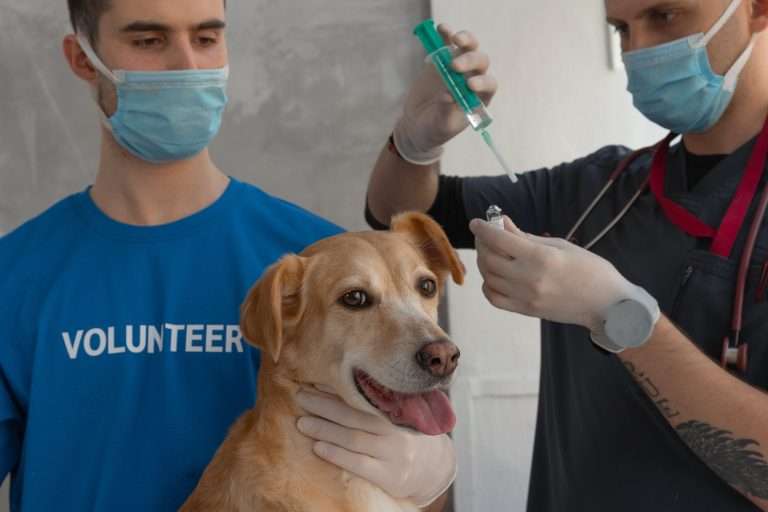
Vaccination is the most effective way to protect your pet. In fact, widespread rabies vaccination in pets has helped significantly reduce human rabies cases.
When Should Dogs Get the Rabies Vaccine?
Puppies typically receive their first rabies vaccine between 12 to 16 weeks of age. After the initial shot, a booster is required at one year, followed by revaccination every 1 to 3 years depending on the vaccine type and local regulations.
Is the Vaccine Safe?
Yes. Rabies vaccines are well-tested and considered safe. Some dogs may experience mild side effects such as:
- Tiredness
- Mild fever
- Soreness at the injection site
- Loss of appetite
These effects usually resolve within a day or two. In rare cases, more severe reactions like facial swelling, vomiting, or hives may occur. If that happens, contact your vet immediately.
Can Vaccinated Dogs Still Get Rabies?
Though highly effective, the vaccine isn’t 100% foolproof. However, the chances of a vaccinated dog contracting rabies are extremely low. Keeping boosters up to date ensures maximum protection.
Even if a vaccinated dog is bitten, the vaccine greatly reduces the risk of developing the disease and usually allows for a less drastic post-exposure protocol (like a simple booster and monitoring, instead of euthanasia or extended quarantine).
Can a Vaccinated Dog Spread Rabies?
It’s highly unlikely for a vaccinated dog to transmit the virus, but local health laws may still require quarantine after any incident involving a bite. Authorities want to err on the side of caution, especially since rabies in dogs can be fatal to humans if transmitted.
Legal and Public Safety Implications
In many areas, having your dog vaccinated against rabies is not just smart—it’s the law. Failing to comply can lead to legal consequences, especially if your dog bites someone. Additionally, without proof of vaccination, a dog might be subject to mandatory quarantine or even euthanasia.
What Happens if a Dog Bites Someone?
If your dog bites a person, even if you believe the bite was minor or justified, you must:
- Confine your dog immediately
- Report the incident to local animal control
- Present proof of up-to-date rabies vaccination
In most cases, the dog will be observed for 10 days. If no symptoms of rabies in dogs develop during this time, the risk of transmission is considered very low.
Final Thoughts
Rabies in dogs is a serious, fatal disease that no pet owner wants to face. While modern veterinary medicine has made it largely preventable through vaccination, exposure risks still exist – especially in areas where wildlife is common.
By recognizing the symptoms, understanding how the disease spreads, and keeping your dog’s vaccinations current, you’re not only protecting your pet but also your family and community.
It only takes one bite for everything to change—so stay informed, stay cautious, and most importantly, keep your dog’s rabies shots up to date.