Puppy Socialization: How to Raise a Happy & Confident Dog!

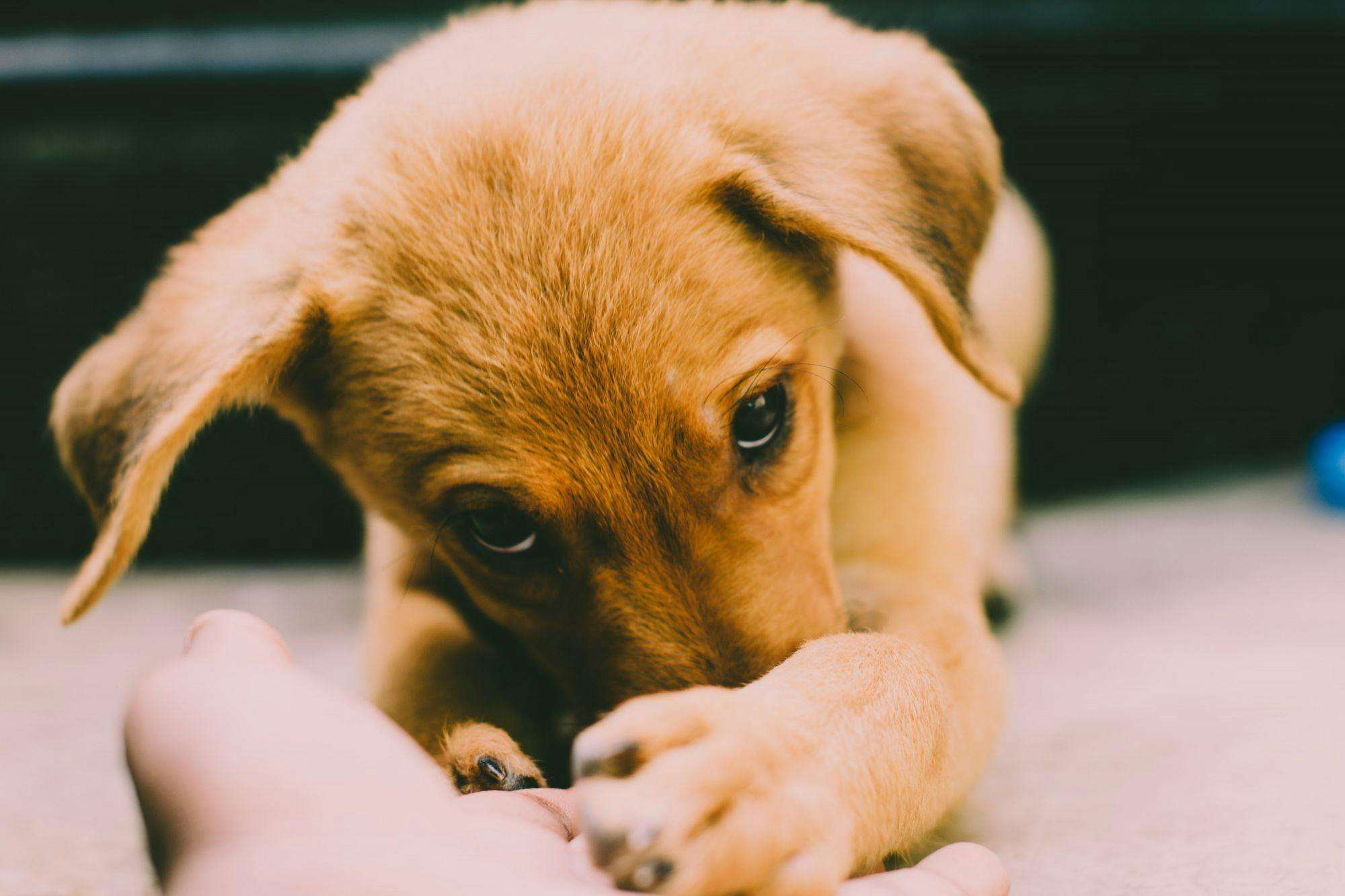
Bringing a puppy home is exciting – but it’s also the start of one of the most important phases in a dog’s life. Between all the cuddles and new routines, there’s one thing you should never overlook: puppy socialization. When done correctly, puppy socialization lays the foundation for raising a well-adjusted, confident, and happy dog.
In this guide, we’ll explore what puppy socialization really means, why it’s so important, and how you can do it right at every stage of your pup’s early development.

Understanding Puppy Socialization

Puppy socialization refers to the process of gently exposing your puppy to a variety of people, environments, sights, sounds, smells, and other animals – while ensuring each experience is positive. This process helps puppies learn that the world is a safe and exciting place, not something to be afraid of.
The critical period for puppy socialization typically spans from 3 weeks to 16 weeks of age. During this stage, puppies are like little sponges, absorbing everything around them. Their brains are rapidly developing, and new experiences leave long-lasting impressions. It’s a short window, but the influence of this phase can shape your dog’s personality and confidence for life.
Why Early Puppy Socialization is Critical
You might think obedience training is the first step in raising a well-behaved dog – but in truth, puppy socialization comes even before that. Here’s why this stage is so essential:
1. It Shapes Lifelong Behavior
Positive interactions during the puppy socialization period help dogs grow into calm, confident adults. Puppies that are well-socialized are more likely to be friendly with strangers, handle stressful situations better, and adapt well to new environments.
On the other hand, puppies that miss out on early socialization may become fearful, anxious, or reactive. These issues can be much harder to fix later.
2. It Influences Temperament
Just like kids, puppies are heavily influenced by what they experience early in life. If your pup meets lots of different people and hears a variety of sounds during the socialization window, they’re more likely to be confident in adulthood.
Studies have even shown that puppies deprived of human interaction before 14 weeks of age may struggle to bond with people later on. So, puppy socialization isn’t just a bonus – it’s a necessity.
The Right Way to Approach Puppy Socialization
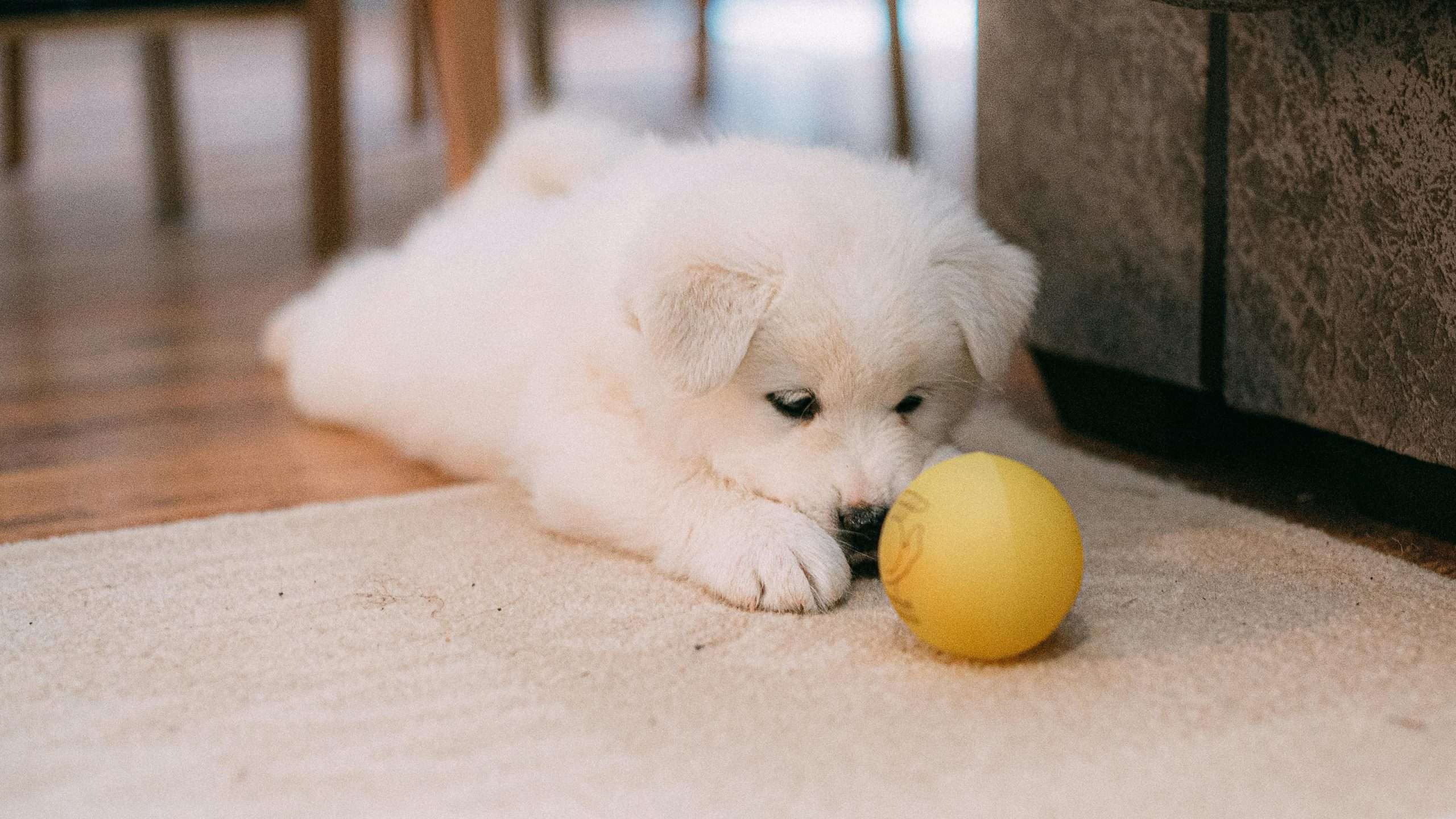
Now that we know how important it is, let’s talk about how to get it right.
Successful puppy socialization isn’t about throwing your dog into overwhelming situations. It’s about creating safe, positive experiences that engage all five senses – sight, sound, smell, touch, and taste.
Aim to spend at least an hour every day on socialization activities, especially during the first few months. But remember: go at your puppy’s pace. If they show signs of fear or stress, slow things down and try again later in a gentler way.
Socializing Indoors: Safe Starts at Home
During the early weeks, especially before vaccinations are complete, your home can be a great playground for socialization.
Try the following:
- Introduce new people: Invite friends or family over – people of different ages, sizes, and appearances. Ask them to interact gently with your puppy.
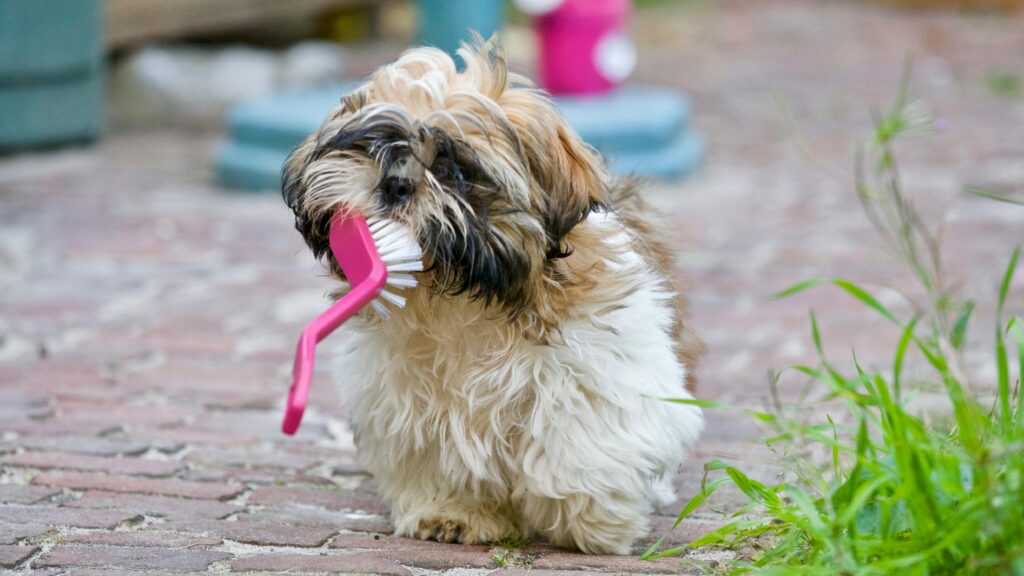
- Gentle handling: Touch your puppy’s ears, paws, tail, and underbelly regularly. Use your hands and a soft brush to mimic grooming. This makes future vet visits and grooming sessions much easier.
- Exposure to sounds: Play household noises like vacuum cleaners, doorbells, kitchen appliances, and music at a low volume. Gradually increase the volume over time.
- Try new textures: Let your puppy walk on tiles, rugs, wooden floors, and cushions to get used to different surfaces.
- Use toys and enrichment tools: Play games that introduce different smells and textures. Treat-dispensing puzzles are a great way to combine food and stimulation.
- Create visual exposure: Carry your pup to the balcony or open a window and let them observe cars, people, and animals from a safe distance.
These small experiences go a long way in making your puppy more adaptable.
Creative Outdoor Socialization (Before Vaccinations Are Complete)
Even before your vet gives you the green light for outdoor walks, you can still introduce your puppy to the outside world safely.
Some ideas:
- Go for car rides: Park near a busy area and let your puppy watch the world go by from inside your car. This exposes them to new sights and sounds from a protected space.
- Take them in your arms: Carry your puppy through noisy streets, parks, or stores. They’ll get used to different smells, sounds, and sights without coming into direct contact with other dogs or dirty surfaces.
- Visit pet-friendly places: Go to a friend’s house, a clean café, or even your workplace (if allowed). Let your pup interact with new people and surroundings indoors.
This way, you can keep your puppy socialization efforts going even before vaccinations are done.
Post-Vaccination Socialization: Expanding Their World
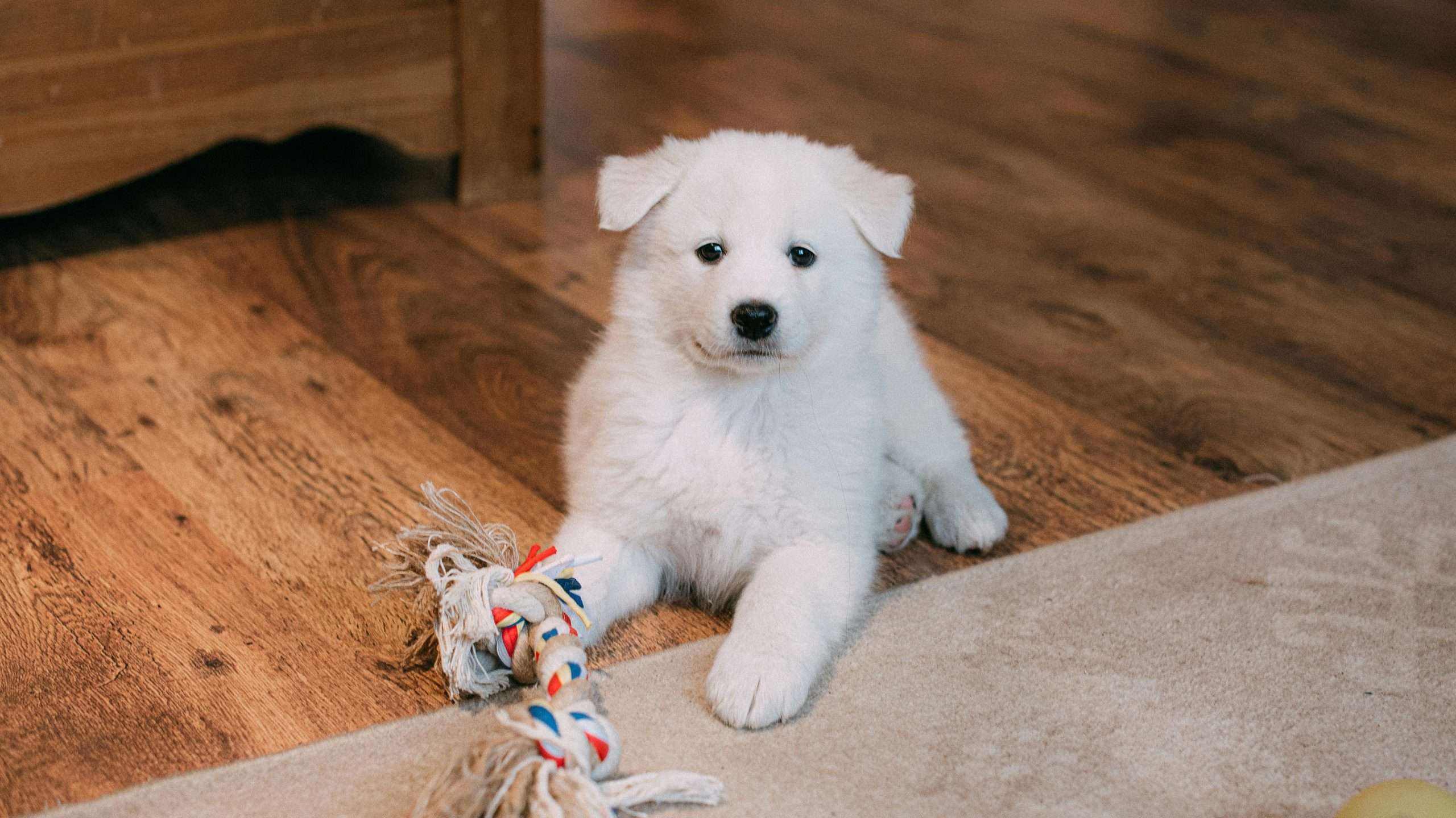
Once your vet confirms that your puppy is safe to go on walks, it’s time to level up your puppy socialization plan.
Here’s what to include:
- Daily walks: Introduce them to different terrains like grass, concrete, sand, gravel, and puddles. These new textures help improve their confidence.
- Dog introductions: Meet calm, friendly, and vaccinated adult dogs. Go on parallel walks before allowing face-to-face interaction. Supervised dog parks can also help if your puppy seems confident.
- Explore new places: Visit different neighborhoods, parks, cafés, or shops. Vary the time and setting to keep things interesting and diverse.
Each new outing helps your puppy build resilience and adaptability.
Related reads:
Dog Vaccinations: Everything You Need to Know [2024]
Tailoring Puppy Socialization to Your Lifestyle
Every household is different, so it’s important to think about your future lifestyle and start preparing your puppy for it early on.
Ask yourself:
- Do you have an active social life?
Let your puppy get used to guests, doorbells, and noise. Host puppy playdates and involve them in calm gatherings. - Are you a frequent traveler?
Get your puppy used to cars, elevators, luggage, and even public transport. Let them explore airports or stations (from a safe distance). - Do you live in a noisy neighborhood?
Normalize traffic, construction, loud music, or kids playing. Play recorded sounds if needed to simulate these environments at home. - Will your dog stay home alone sometimes?
Gradually introduce alone time. Start with 5 – 10 minutes and build it up to longer periods. Use enrichment toys to keep them engaged.
Personalizing your puppy socialization plan this way ensures your dog grows up confident in the specific environments they’ll be exposed to most often.
Final Tips for Raising a Well-Socialized Pup
- Go slow and steady: Don’t overwhelm your puppy with too many new experiences at once. Give them time to process and recover.
- Watch their body language: If your puppy seems scared (tail tucked, ears back, or trying to hide), ease up and try a gentler exposure next time.
- Keep interactions positive: Offer treats, praise, or play after every new experience to create happy associations.
- Seek professional help if needed: If your puppy shows signs of fear or aggression, consult a certified dog trainer or behaviorist early.
Final Thoughts
Puppy socialization is one of the most valuable investments you can make in your dog’s future. It builds confidence, strengthens your bond, and prevents many behavior problems down the line. With the right mix of patience, planning, and positivity, you’ll be well on your way to raising a happy, balanced, and outgoing companion.
Start early, go at your puppy’s pace, and enjoy the process – it’s not just training, it’s the beginning of a lifelong friendship.

![The Responsibility of Raising Kids and Dogs Together [2025]](https://100dogbreeds.com/wp-content/uploads/2025/04/pexels-jenny-uhling-2262740-17807527-768x512.jpg)