7 Ways to Protect Your Dog’s Hearing

Dogs are known for their sharp senses, and among them, hearing stands out as one of the most powerful. A dog’s ability to hear high-frequency sounds far surpasses that of humans. This heightened sense helps them navigate the world, detect potential dangers, and even communicate. But just like humans, dogs are vulnerable to hearing damage. That is why it’s crucial to understand how to protect your dog’s hearing and take simple steps to keep their ears healthy for life.
Understanding How Dogs Hear
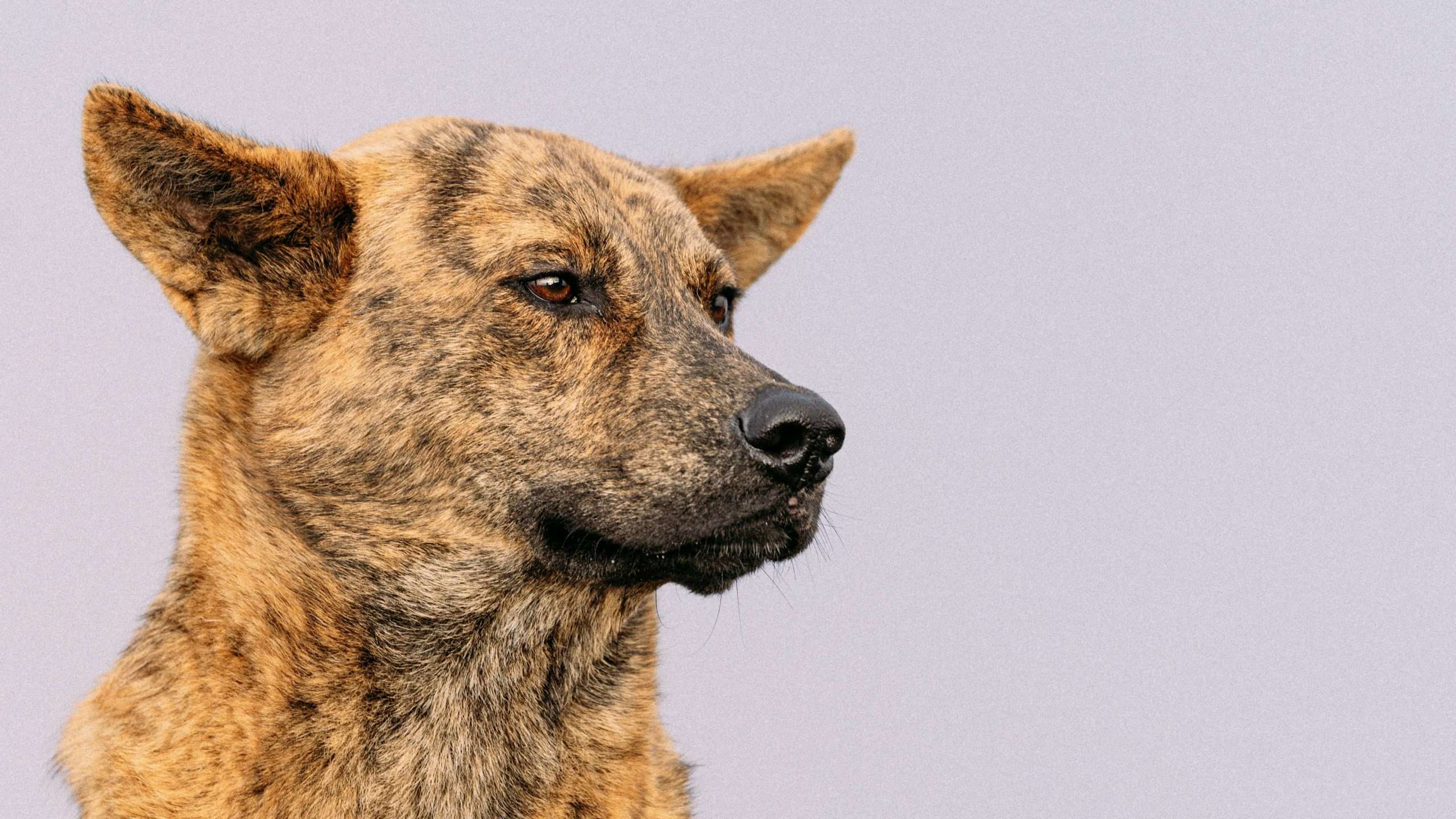
Dogs can hear frequencies ranging from 40 Hz to 60,000 Hz, compared to humans who can hear between 20 Hz and 20,000 Hz. They also have 18 or more muscles in their ears, allowing them to rotate, tilt, and move their ears independently to better capture sounds. Some breeds are naturally more prone to hearing issues than others. For example, dogs with long floppy ears or those with narrow ear canals (like Poodles or Cocker Spaniels) are at a higher risk of developing ear infections and other problems.

Given how vital hearing is to a dog’s awareness and safety, every dog parent should learn how to protect your dog’s hearing starting from a young age.
Common Causes of Hearing Loss in Dogs
Several factors can lead to hearing loss in dogs:
- Loud noises such as fireworks, concerts, or construction work
- Chronic ear infections or untreated inflammation
- Age-related degeneration, particularly in senior dogs
- Head trauma or injury to the ears
- Toxic medications or exposure to ototoxic substances
- Genetic conditions, especially in certain breeds
While some of these causes are unavoidable, many are preventable with proper care and awareness.
1. Limit Exposure to Loud Noises to Protect Your Dog’s Hearing
Sudden or constant exposure to loud noises is one of the leading causes of noise-induced hearing loss in dogs. Everyday situations like turning up the TV volume too high, blasting music, or using loud appliances like vacuum cleaners can strain your dog’s ears over time.
To protect your dog’s hearing, consider the following:
- Avoid playing loud music around your pet
- Keep your dog indoors during fireworks or thunderstorms
- Limit trips to loud environments like construction zones or crowded parades
- Close windows during noisy outdoor events
These changes may seem small, but over time, they can significantly reduce the risk of hearing damage.
2. Use Ear Protection in Noisy Settings
Just like humans wear earplugs at concerts or on planes, dogs can benefit from ear protection too. Specially designed ear muffs or noise-reducing wraps made for dogs can help muffle loud sounds and protect your dog’s hearing during high-noise events.
Situations where dog ear protection can help:
- Attending large outdoor events with speakers or loud music
- Traveling in airplanes or loud vehicles
- Accompanying owners to shooting ranges or hunting trips
- Living near frequent construction or heavy traffic
These protective accessories are safe, reusable, and comfortable when properly fitted.
3. Schedule Regular Ear Checkups
Routine veterinary checkups are crucial to early detection of hearing or ear issues. Your vet will check for infections, blockages, mites, and other problems that can interfere with sound transmission.
To consistently protect your dog’s hearing, make sure:
- Your dog has a full ear examination during each annual wellness visit
- You report any signs of itching, head shaking, or discharge early
- You follow treatment plans if your dog is prone to chronic ear infections
Some dogs may need more frequent checks, especially breeds with hair inside the ear canal or history of infections.
Related reads:
Protecting Your Dog from Fleas, Ticks, and Heartworm: A Comprehensive Guide to Preventative Measures
4. Keep Ears Clean and Dry
Moisture and wax buildup in a dog’s ears can block sound waves, lead to infections, and potentially damage hearing. Cleaning your dog’s ears regularly is a simple way to protect your dog’s hearing and avoid painful complications.
Tips for safe ear care:
- Use vet-approved ear cleaning solutions
- Avoid inserting cotton swabs deep into the ear canal
- Dry your dog’s ears thoroughly after baths or swimming
- Trim excessive hair around the ear canal if needed
Signs of trouble include redness, foul odor, scratching, or head tilting. If you notice any of these, consult your vet before attempting to clean the ears yourself.
5. Train Your Dog to Stay Calm During Loud Events
Some loud situations are unavoidable. Thunderstorms, holiday fireworks, and emergency sirens can all trigger stress and cause physical harm to your dog’s ears. The best way to protect your dog’s hearing in these cases is to prepare in advance.
Desensitization training can help. By exposing your dog to recorded versions of loud sounds at low volume and gradually increasing it while offering treats, you can reduce their anxiety response.
Other calming tactics:
- Create a safe, quiet space in your home
- Use calming sprays or anxiety wraps
- Distract your dog with toys or puzzles during noise events
A calm dog is less likely to panic and injure their ears through excessive shaking or scratching.
6. Feed a Balanced Diet That Supports Ear Health
Nutrition plays an indirect but important role in ear health. A well-balanced diet rich in essential nutrients helps maintain healthy tissues and nerve function, which in turn helps protect your dog’s hearing.
Important nutrients include:
- Omega-3 fatty acids to reduce inflammation
- Antioxidants like Vitamin E to protect cells
- Zinc for tissue repair and immune support
Feeding your dog high-quality food as per your vet’s recommendation not only benefits their ears but also boosts their overall wellbeing.
7. Supervise Children Around Your Dog’s Ears
Kids love to play with dogs, but without supervision, they may unknowingly harm your dog’s ears. Inserting small objects into a dog’s ear, pulling on ears, or shouting too close can cause trauma and lead to long-term damage.
Teach children to:
- Never poke anything into a dog’s ears
- Use gentle voices around pets
- Respect the dog’s space when it’s resting
Being mindful during playtime helps ensure that your family does everything possible to protect your dog’s hearing.
Signs Your Dog May Be Losing Hearing
Some early signs of hearing loss in dogs include:
- Ignoring verbal commands
- Startling easily when touched
- Not reacting to doorbells, whistles, or toys
- Barking more than usual or appearing confused
If you suspect hearing issues, consult your veterinarian. Some forms of hearing loss can be temporary or treated when caught early.
Can Hearing Loss Be Treated?
Temporary hearing loss from infections or wax buildup can often be reversed with medical treatment. Permanent loss due to age, trauma, or genetics usually cannot be cured, but your dog can still live a happy life.
Solutions include:
- Hand signal training
- Vibration collars (not shock collars)
- Maintaining consistent routines
In rare cases, hearing aids for dogs are also available, but they can be expensive and aren’t suitable for every dog.
Final Thoughts
Hearing is one of your dog’s most powerful senses, and preserving it is part of responsible pet care. From avoiding loud environments and regular vet visits to proper ear hygiene and nutrition, each small step you take helps protect your dog’s hearing for the long haul. With the right attention and care, your dog can enjoy a lifetime of sharp hearing and a greater quality of life.