Probiotics for Dogs: Do They Work?


The link between gut health and overall well-being isn’t just true for humans; it matters for dogs, too. In recent years, many dog owners and veterinarians have shown growing interest in probiotics for dogs, especially when it comes to managing digestion, boosting immunity, and helping dogs bounce back from illness. But with mixed opinions and research findings, one common question remains: do they actually work?
This article breaks down what probiotics for dogs are, when they’re helpful, what types exist, and what science says about their effectiveness.

What Are Probiotics for Dogs?

At a basic level, probiotics for dogs are live beneficial microorganisms – mostly bacteria and some yeasts – that naturally reside in a dog’s gastrointestinal tract. These healthy microbes play a vital role in keeping the gut ecosystem balanced.
A well-functioning digestive system relies on a mix of these good bacteria to:
- Break down food
- Absorb and produce certain nutrients and vitamins
- Defend against harmful pathogens
- Support immune health
- Communicate with the brain through the gut-brain axis
Dogs already have billions of these microbes in their system, but sometimes their balance can shift, which is when supplements might help.
How Do Probiotics for Dogs Work?
When you give your pet probiotics for dogs, you’re adding more of the good bacteria into their digestive system. These bacteria help restore balance, especially when the natural gut flora has been disturbed.
They work by:
- Crowding out harmful bacteria
- Producing enzymes that aid digestion
- Regulating inflammation in the intestines
- Enhancing immune responses
- Supporting mental calmness by influencing serotonin and other neurotransmitters through the gut-brain connection
Although each strain may work differently, the goal is generally to maintain or restore healthy gut function.
Prebiotics vs. Probiotics for Dogs: What’s the Difference?
It’s easy to confuse prebiotics with probiotics for dogs, but they serve different purposes.
- Probiotics are the live beneficial bacteria.
- Prebiotics are fibers or food sources that nourish the probiotics already present in the gut.
Feeding your dog a prebiotic-rich diet helps create an environment where probiotics for dogs can thrive and work more efficiently. While they can be taken together, probiotics are often used more directly for managing digestive upsets or recovering from illness.
When Do Dogs Need Probiotics?
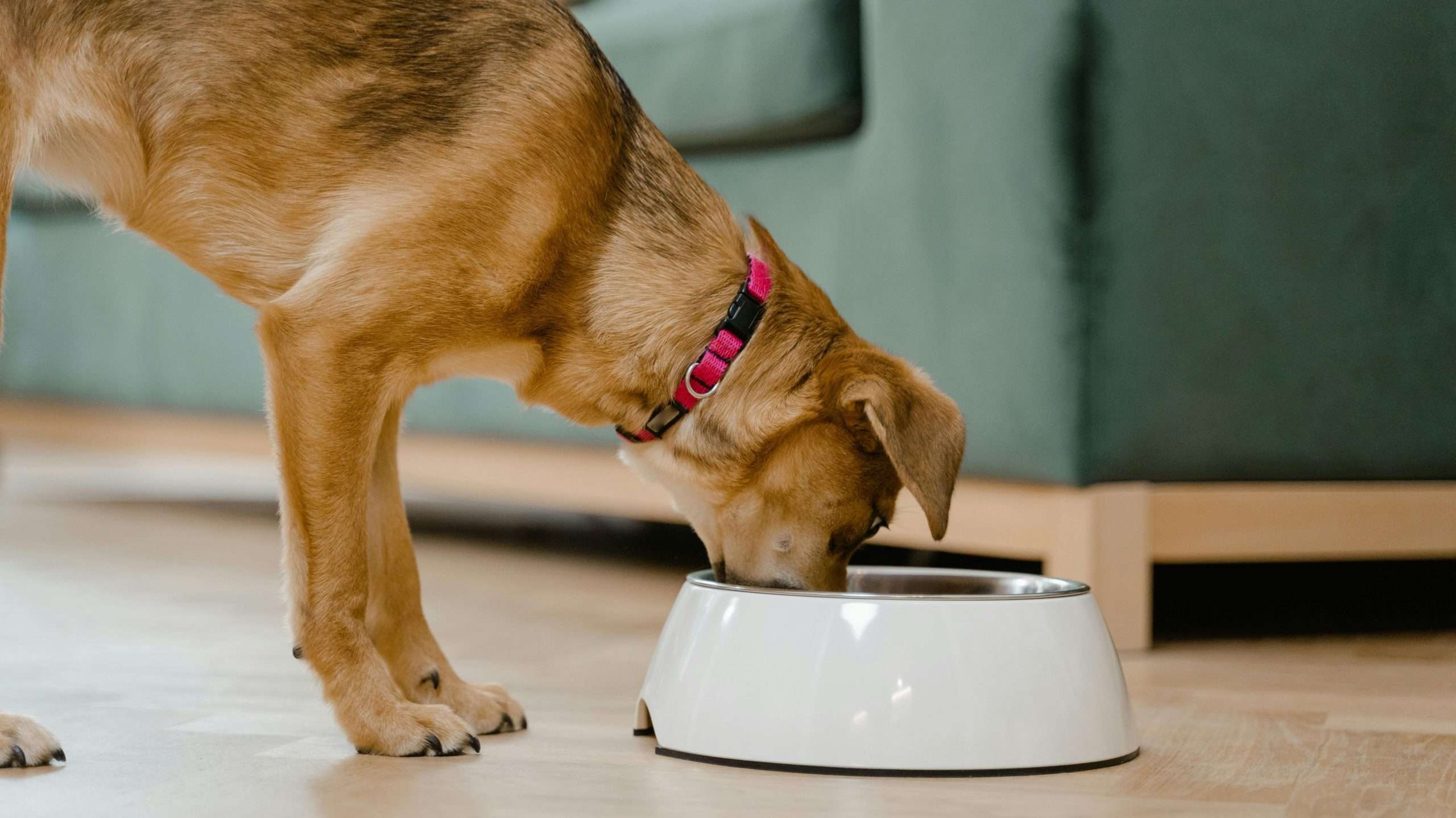
A healthy dog may not need daily supplements if its gut flora is balanced. But certain situations can lead to disruptions in this delicate system. In such cases, probiotics for dogs may help restore stability.
Some common reasons to consider probiotics include:
- Stress from boarding, traveling, or loud environments
- Illness or infection
- Recovery after surgery
- Side effects from antibiotics
- Sudden changes in diet
- Food sensitivities or allergies
- Diarrhea or constipation
Many dog owners notice positive changes in stool consistency, appetite, and mood when they start probiotics for dogs during these times.
Related reads:
How to Improve Dog Gut Health Naturally – 5 Ways
Types of Probiotics for Dogs
There are different types and delivery forms of probiotics for dogs, and choosing the right one depends on your pet’s needs.
Common forms include:
- Chews or soft treats
- Powders that can be mixed with food
- Capsules
- Probiotic-enhanced dog food (although dosages may be lower)
Specific strains that are often used in probiotics for dogs include:
- Lactobacillus acidophilus
- Lactobacillus rhamnosus
- Bifidobacterium animalis
- Bifidobacterium longum
- Enterococcus faecium
- Bacillus coagulans
Each strain can target a different health issue – from easing diarrhea to calming anxious behavior.
Benefits of Probiotics for Dogs

Multiple studies and anecdotal reports support the benefits of probiotics for dogs. While results may vary based on the strain and the dog’s condition, potential advantages include:
- Improved digestion: Helps with nutrient absorption and food breakdown.
- Better stool quality: Firms up loose stools and may reduce constipation.
- Support during antibiotic use: Restores balance after antibiotics kill off both good and bad bacteria.
- Boosted immune function: Probiotics may reduce the frequency of infections.
- Reduction in allergies: Some strains reduce inflammation linked to food or seasonal allergies.
- Mental calmness: The gut-brain axis connection plays a role in managing stress and anxiety.
Owners often see improvements in their dog’s energy, coat quality, and bathroom habits after consistent use of probiotics for dogs.
Do Probiotics for Dogs Help With Diarrhea?
Yes, one of the most common reasons veterinarians recommend probiotics for dogs is to treat diarrhea. Whether it’s caused by stress, sudden diet changes, or antibiotic treatment, probiotics can help restore gut balance and shorten the duration of symptoms.
Specific strains like Enterococcus faecium and Lactobacillus rhamnosus have been studied for their ability to reduce both acute and chronic diarrhea in dogs.
Are Probiotics Safe for Puppies?
Yes, puppies can safely take probiotics for dogs. In fact, establishing a healthy gut early on can be especially beneficial during key growth stages.
Probiotics can:
- Help build a resilient immune system
- Reduce the risk of early-life diarrhea
- Improve digestion during the transition from milk to solids
- Support healthy stool and regularity
It’s still important to follow dosage guidelines specific to puppies, as their digestive systems are more sensitive than those of adult dogs.
Can Dogs Take Human Probiotics?
Technically, yes. Human probiotics are not toxic to dogs. However, they may not be as effective.
Dogs have a different gut microbiome compared to humans. The strains and dosages in human supplements aren’t tailored to a dog’s system. That’s why probiotics for dogs are recommended, as they contain species-specific strains and concentrations that better suit canine digestion.
Can Dogs Eat Probiotic Foods?
Some human foods, such as plain yogurt, kefir, or fermented vegetables, contain live cultures and may offer some benefits. But not all dogs tolerate dairy or new food additions well.
If you’re using food as a probiotic source:
- Choose unsweetened, plain yogurt
- Avoid xylitol and artificial sweeteners
- Start with small amounts:
- 1 tsp/day for small dogs
- 2 tsp/day for medium dogs
- 3 tsp/day for large dogs
- 1 tsp/day for small dogs
Still, supplements remain a safer and more reliable way to provide effective probiotics for dogs in consistent doses.
Do Probiotics for Dogs Have Side Effects?
Most dogs tolerate probiotics for dogs very well. But as with any supplement, side effects are possible, especially when starting out or using high doses.
Potential side effects include:
- Gas
- Bloating
- Loose stool
- Temporary changes in appetite
- Mild digestive discomfort
These effects usually go away as the dog’s system adjusts. If symptoms persist or worsen, consult your veterinarian.
Final Thoughts
So, do they work? The answer is often yes. Probiotics for dogs have shown promise in supporting digestion, immunity, and overall health. While they aren’t a cure-all, they can play a valuable role when used in the right context and dosage. Whether your dog is bouncing back from antibiotics or dealing with an upset stomach, probiotics for dogs might just help restore balance from the inside out.
As always, it’s best to talk to your vet before starting any new supplement, especially if your dog has a medical condition or is on medication.

![How to Choose Healthy Food for Your Dog [2024]](https://100dogbreeds.com/wp-content/uploads/2024/07/dog-healthy-food-768x512.jpg)