Low Blood Oxygen in Dogs: Symptoms, Causes, and Treatment


Dogs rely on oxygen just as much as humans do. Every organ, tissue, and cell in a dog’s body depends on a steady supply of oxygen to function properly. When oxygen levels in the blood drop, the results can be serious and sometimes life-threatening. This condition is known as low blood oxygen in dogs, or hypoxemia.
When a dog’s blood does not carry enough oxygen, their brain, heart, and other vital organs may begin to fail. Even short periods of oxygen deprivation can lead to irreversible damage. Recognizing the warning signs and getting immediate veterinary care can make all the difference.

What is Low Blood Oxygen in Dogs?
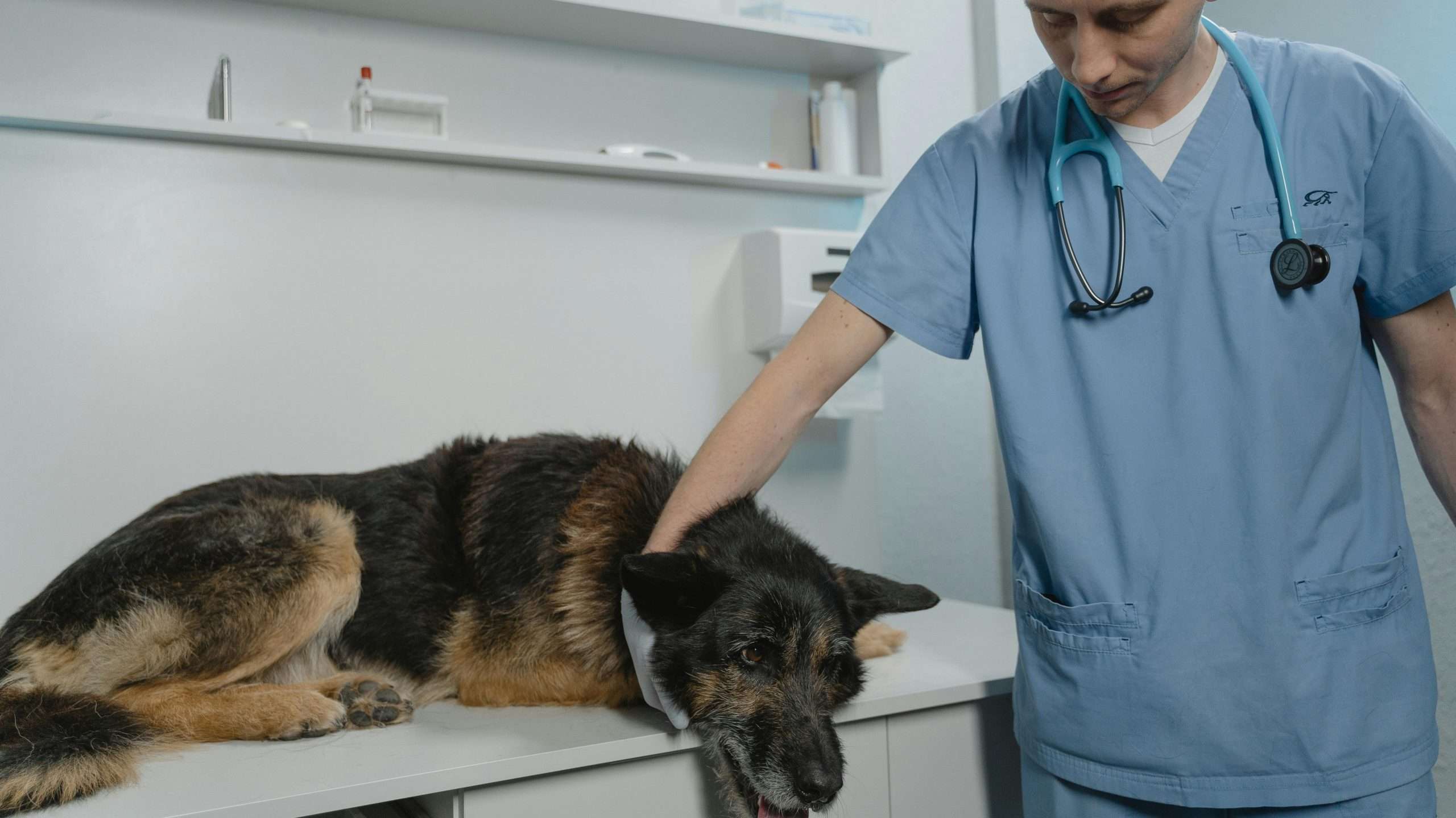
Low blood oxygen in dogs refers to a condition where the amount of oxygen circulating in the bloodstream falls below normal levels. The medical term for this condition is hypoxemia. Oxygen travels from the lungs into the blood, where it binds to red blood cells and is carried to tissues throughout the body. If this process is disrupted, either due to a problem with the lungs, the heart, or another underlying cause, oxygen levels drop.
When this happens, the dog may struggle to breathe, tire easily, or collapse. If left untreated, low oxygen levels can cause organ failure and death. This makes it one of the most urgent veterinary emergencies.
Symptoms of Low Blood Oxygen in Dogs
Recognizing symptoms early can save a dog’s life. Signs of low blood oxygen in dogs can vary depending on how severe the condition is, but common symptoms include:
- Rapid breathing or difficulty breathing
- Coughing or gagging
- Shortness of breath, even at rest
- Open-mouthed breathing or gasping
- Rapid heartbeat (tachycardia)
- Weakness or exercise intolerance
- Blue or pale gums and tongue
- Collapse or fainting
- Signs of anxiety or restlessness
- In severe cases, seizures or unconsciousness
If your dog shows any of these symptoms, they should be taken to a veterinarian immediately. Waiting to see if they improve on their own can be extremely risky.
Causes of Low Blood Oxygen in Dogs
There are many possible causes of low blood oxygen in dogs. Some are sudden and severe, while others may be linked to long-term health conditions.
- Respiratory conditions: Pneumonia, asthma, or blockages in the airway can reduce oxygen intake.
- Heart disease: Dogs with weak hearts may not pump enough oxygenated blood to the body.
- Lung disease: Conditions such as chronic bronchitis or pulmonary fibrosis can interfere with lung function.
- High altitude: Dogs living or traveling at very high elevations may experience temporary oxygen shortages.
- Anesthesia complications: Dogs under anesthesia sometimes develop reduced oxygen levels if not carefully monitored.
- Trauma or injury: Accidents that affect the lungs or chest can lower oxygen absorption.
- Age-related conditions: Senior dogs with weakened hearts or lungs are at higher risk.
Because the causes are so varied, a proper veterinary diagnosis is essential.
Risk Factors for Low Blood Oxygen in Dogs

Not every dog has the same risk of developing oxygen-related problems. Certain factors increase the likelihood:
- Breed: Brachycephalic dogs such as Bulldogs, Pugs, and Shih Tzus have shorter airways and may struggle with breathing issues.
- Age: Older dogs are more vulnerable, especially if they already have heart or lung disease.
- Pre-existing conditions: Dogs with chronic illnesses like heart murmurs, collapsed trachea, or lung disorders face higher risks.
- Lifestyle and environment: Overexertion, extreme stress, or living at high elevations can worsen symptoms.
Knowing these risks can help owners be more proactive in spotting problems early.
Diagnosis of Low Blood Oxygen in Dogs
Veterinarians use several methods to confirm low blood oxygen in dogs. The process usually begins with a thorough physical examination and a review of the dog’s medical history.
Common diagnostic tools include:
- Blood gas analysis: Measures oxygen and carbon dioxide levels directly from blood samples.
- Pulse oximetry: A non-invasive test that estimates oxygen saturation levels.
- Chest X-rays: Reveal lung diseases, infections, or injuries.
- Echocardiograms: Ultrasounds of the heart to check for cardiac disease.
- Endoscopy or lung biopsy: Used in rare cases when standard tests do not provide clear answers.
These tests help pinpoint whether the problem is with the lungs, the heart, or another underlying issue.
Related reads:
Tips to Prevent Dehydration and Heat Stroke in Dogs [2024]
Treatment for Low Blood Oxygen in Dogs
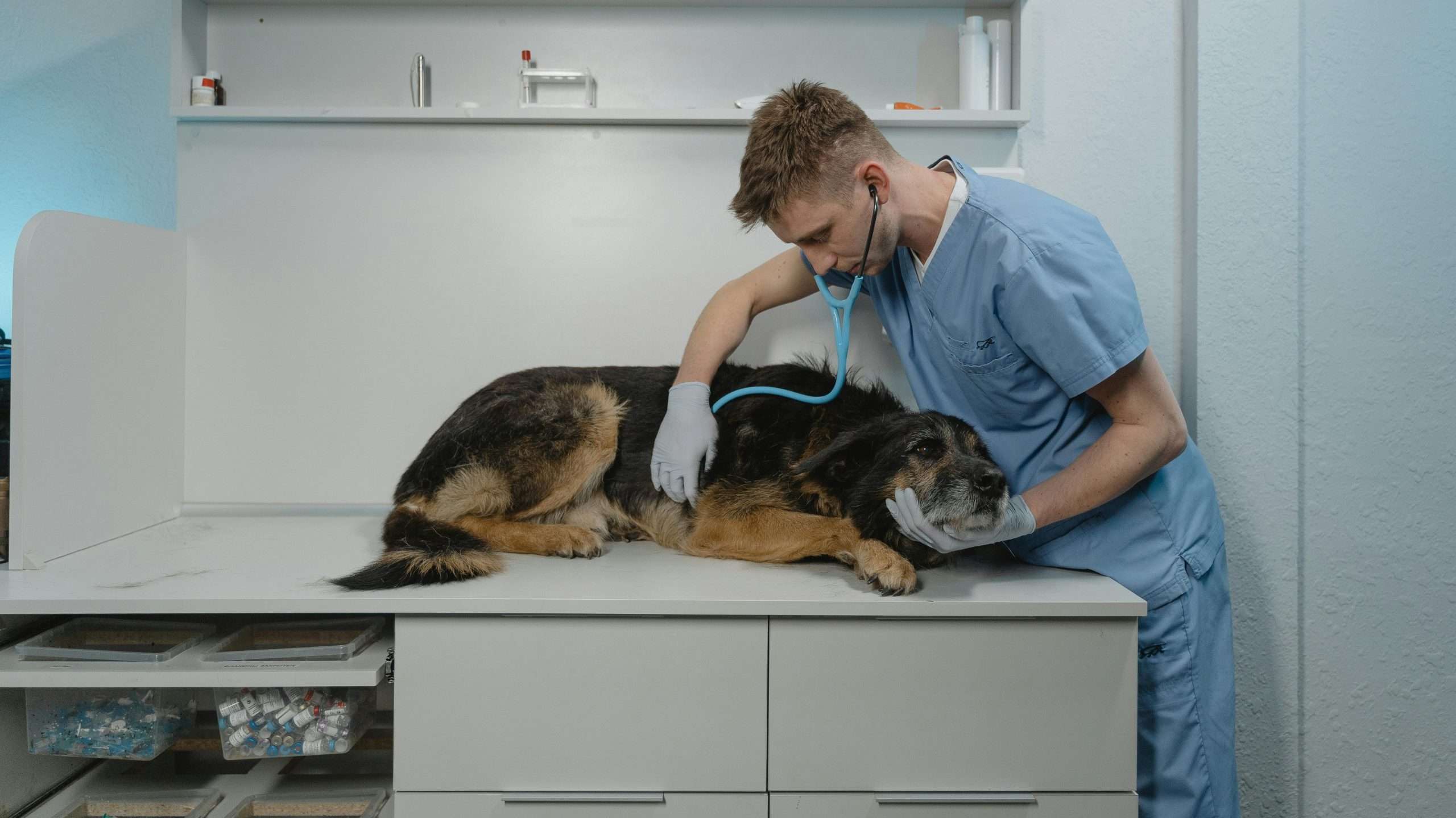
Treatment for low blood oxygen in dogs depends on the severity of the condition and its underlying cause. In most cases, immediate oxygen support is provided while the vet works to stabilize the dog.
- Oxygen therapy: Delivered through a face mask, nasal tube, or oxygen cage.
- Medications: IV drugs to strengthen the heart, diuretics to reduce fluid buildup, or antibiotics if an infection is present.
- Fluids: IV fluids may be used to stabilize blood pressure and improve circulation.
- Surgery or procedures: In cases of trauma or blockage, surgical intervention may be necessary.
- Hospitalization: Many dogs require monitoring in a veterinary hospital until oxygen levels are stable.
Some dogs respond quickly to treatment, while others with chronic conditions may need ongoing care.
Recovery and Management of Low Blood Oxygen in Dogs
Recovery depends heavily on the cause. For example, dogs with pneumonia often recover fully with proper treatment, while those with chronic heart failure may need lifelong management.
Owners can support recovery by:
- Monitoring breathing and energy levels at home.
- Attending all follow-up vet visits for oxygen level checks.
- Giving prescribed medications consistently.
- Limiting strenuous activity if the dog tires easily.
- Providing a calm, stress-free environment.
Dogs who have experienced low blood oxygen in dogs should never be ignored afterward. Even if they improve, the underlying condition may return without proper management.
Prevention of Low Blood Oxygen in Dogs
Not every case can be prevented, but owners can reduce risks:
- Schedule regular vet check-ups, especially for senior dogs.
- Manage chronic illnesses promptly.
- Keep dogs at a healthy weight to ease strain on the heart and lungs.
- Avoid overexertion in hot or humid weather.
- Be cautious with brachycephalic breeds in stressful situations.
- Ensure anesthesia is only performed by qualified professionals with proper monitoring.
These preventive measures can lower the likelihood of emergencies.
When to See a Vet Immediately
If your dog shows signs such as blue gums, rapid or labored breathing, sudden collapse, or fainting, seek veterinary care immediately. These are signs of critical low blood oxygen in dogs and should never be ignored.
Final Thoughts
Low blood oxygen in dogs is a medical emergency that can quickly become life-threatening. While symptoms may appear suddenly, they are often linked to underlying conditions that need long-term care. By understanding the causes, recognizing the signs, and acting quickly, owners can give their pets the best chance of recovery. Regular check-ups and close monitoring are key in keeping dogs safe and healthy.