Large Dog Breeds: What You Need to Know


When it comes to choosing a dog, size matters for many people. Some love the idea of having a large dog breed, known for their imposing presence and loyal companionship. But owning a giant dog isn’t for everyone, as they come with unique needs and challenges. Whether you’re considering adopting one or just curious about these towering canines, here’s what you need to know about large dog breeds.
What Are Large Dog Breeds?
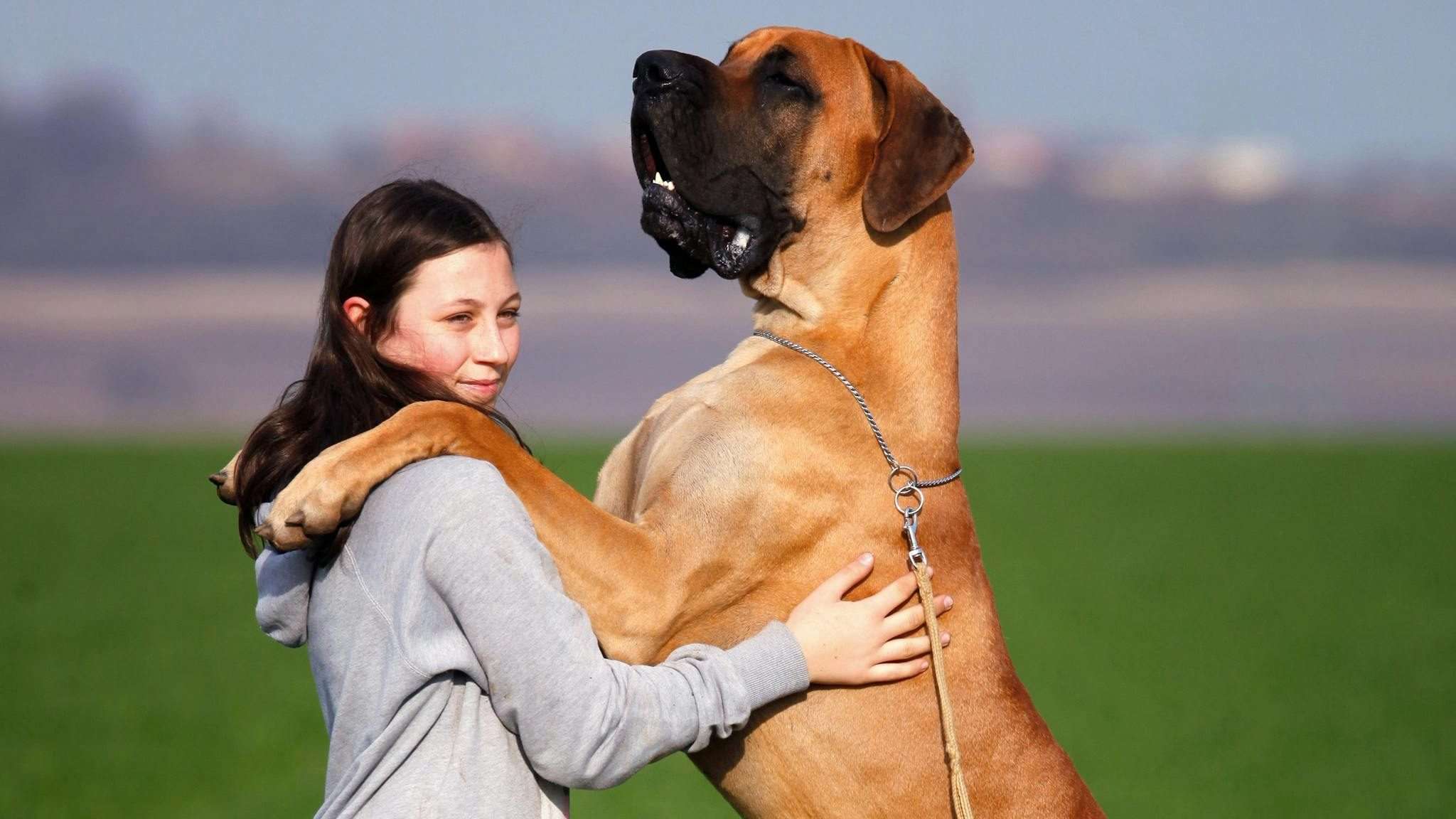
Large dog breeds are typically those that weigh over 50 pounds. However, there are some breeds that surpass even that, growing to well over 100 pounds when fully mature. These breeds are known for their impressive size, strength, and often gentle temperament, making them both awe-inspiring and highly sought after as pets. But while they might seem imposing, many of these dogs are affectionate, gentle giants.

Key Characteristics of Large Dog Breeds
Large dog breeds share several traits, but they also come with their own set of characteristics that potential owners should consider.
- Size: Naturally, large dog breeds are big in size, often requiring more food, space, and care than their smaller counterparts. Their sheer size makes them stand out and can be both a joy and a challenge for owners.
- Health Needs: The larger the dog, the greater the risk for certain health problems, like hip dysplasia or joint issues. Regular check-ups and a healthy diet are essential to ensure they remain in good shape.
- Training: Given their size and strength, training is especially important for large dog breeds. What might seem like cute behavior in a small dog, such as jumping up or pulling on the leash, can be overwhelming when your dog weighs over 100 pounds.
Factors to Consider Before Getting a Large Dog
Owning a large dog breed requires more than just a love for big dogs. Before deciding to add a giant dog to your family, consider the following factors:
Space Requirements
Large dogs need space to stretch out, play, and simply exist comfortably. If you live in a small apartment or house, a giant dog may not be the best fit. Some large dog breeds are adaptable to smaller spaces, but generally, they thrive in homes with yards or open spaces.
Financial Requirements
Owning a large dog breed can be expensive. The cost of food, veterinary care, and grooming supplies will be significantly higher than for smaller dogs. Additionally, large dogs tend to have shorter life expectancies, meaning that veterinary bills can accumulate quickly.
Exercise
While large dog breeds are generally more relaxed than smaller, more energetic dogs, they still need regular exercise and mental stimulation. Training is also a must. Starting early and focusing on positive reinforcement is key, as these dogs can be difficult to manage if left untrained.
The Largest Dog Breeds: A Closer Look
Let’s dive deeper into some of the most famous and beloved large dog breeds that you might consider if you’re looking for a giant companion.
Great Dane
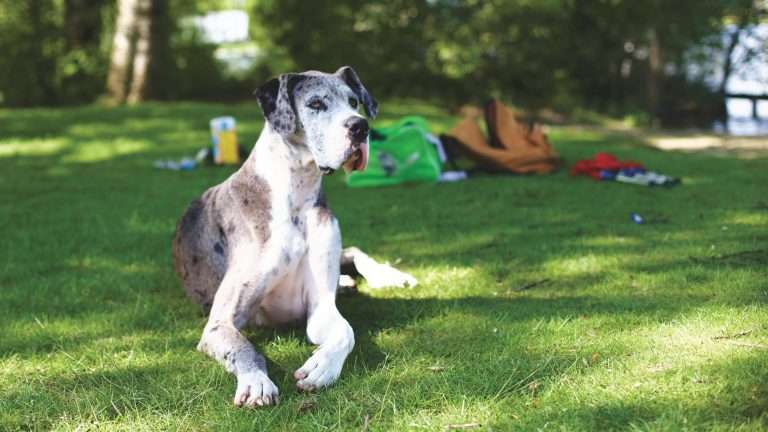
Often called the “Apollo of dogs,” the Great Dane is known for its towering height. These gentle giants can reach up to 30 inches tall at the shoulder and weigh up to 200 pounds. Despite their imposing size, they are incredibly friendly and affectionate, making them wonderful family pets.
Saint Bernard
Made famous by the movie Beethoveen, the Saint Bernard is a massive breed with a heart as big as its frame. Originating in the Swiss Alps, these dogs were originally bred for rescue work. Their gentle nature and loyalty make them fantastic companions for families.
Newfoundland
Known for their love of water, Newfoundlands are excellent swimmers and were originally bred to help with water rescues. They have a thick, water-resistant coat and can weigh up to 150 pounds. Despite their large size, they are known for their calm and patient demeanor.
Irish Wolfhound
The Irish Wolfhound is the tallest dog breed in the world, standing at least 32 inches at the shoulder. These dogs were originally bred for hunting large game, but today, they are admired for their dignified and friendly nature.
Leonberger
With a mane that resembles that of a lion, the Leonberger is a noble and powerful dog that was originally bred as a companion to European royalty. These dogs can weigh up to 170 pounds and are known for their gentle and loving nature.
Mastiff
The English Mastiff is one of the heaviest dog breeds, often tipping the scales at over 200 pounds. These dogs are incredibly loyal and protective, making them excellent guard dogs. Despite their intimidating appearance, they are affectionate and good-natured with their families.
Related reads:
10 Friendliest Dog Breeds That Love People
Training and Raising Large Dog Breeds
Training is critical for large dog breeds, especially since their size can make untrained behavior overwhelming. It’s essential to start early and ensure that your dog understands basic commands. Socializing them from a young age helps prevent behavioral problems, such as aggression or territorial tendencies.
Positive reinforcement is the best method for training. Reward-based training works well, as these dogs thrive on praise and treats. Early socialization with other animals and people is also crucial to ensure they grow up to be well-adjusted and friendly companions.
Common Health Issues in Large Dog Breeds

With their size, large dog breeds are more prone to certain health issues, such as:
- Hip dysplasia: A genetic condition where the hip joint doesn’t develop properly, leading to pain and difficulty walking.
- Heart issues: Large breeds are at a higher risk for heart diseases due to their size and the strain it places on their bodies.
- Joint problems: Osteoarthritis is common among large dog breeds, particularly as they age.
Regular vet checkups, a healthy diet, and appropriate exercise can help mitigate some of these risks.
Saying Goodbye
Owning a large dog breed can be an incredibly rewarding experience, offering loyalty, companionship, and protection. However, it’s important to consider the time, space, and financial commitment involved in caring for these giants. Whether you’re drawn to the gentle nature of a Great Dane or the hardworking spirit of a Newfoundland, each large dog breed brings its own unique charm and challenges. If you’re ready to embrace the responsibility, one of these magnificent dogs may be the perfect fit for your family.
FAQs About Large Dog Breeds
What makes a dog breed “large”?
A large dog breed typically weighs over 50 pounds and is known for its strength and size. Some breeds, like the Great Dane or Mastiff, can weigh over 100 pounds.
Are large dog breeds good family pets?
Yes, many large dog breeds are excellent family pets, known for their loyalty and protective nature. They tend to be affectionate and gentle with children.
How much space do large dog breeds need?
Large dogs need more space to move around, especially in terms of exercise and resting areas. A yard or open space is ideal.


![Are Golden Retrievers Smart? [2024]](https://100dogbreeds.com/wp-content/uploads/2024/09/Golden-retriever-featured-768x512.jpg)