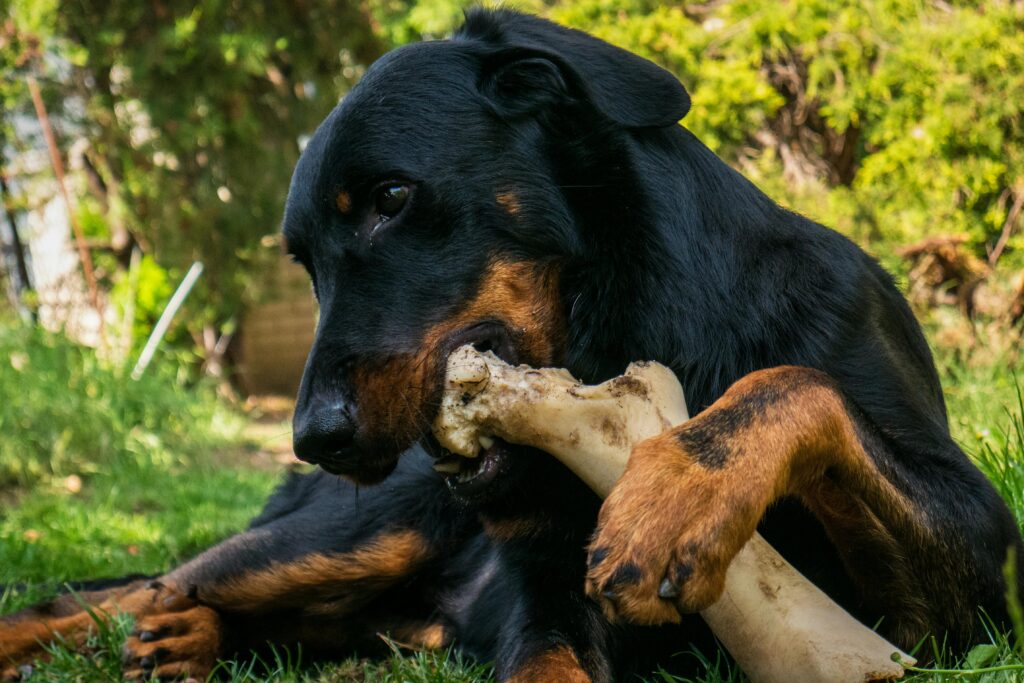
What to Know About Doberman Pinschers [2024]

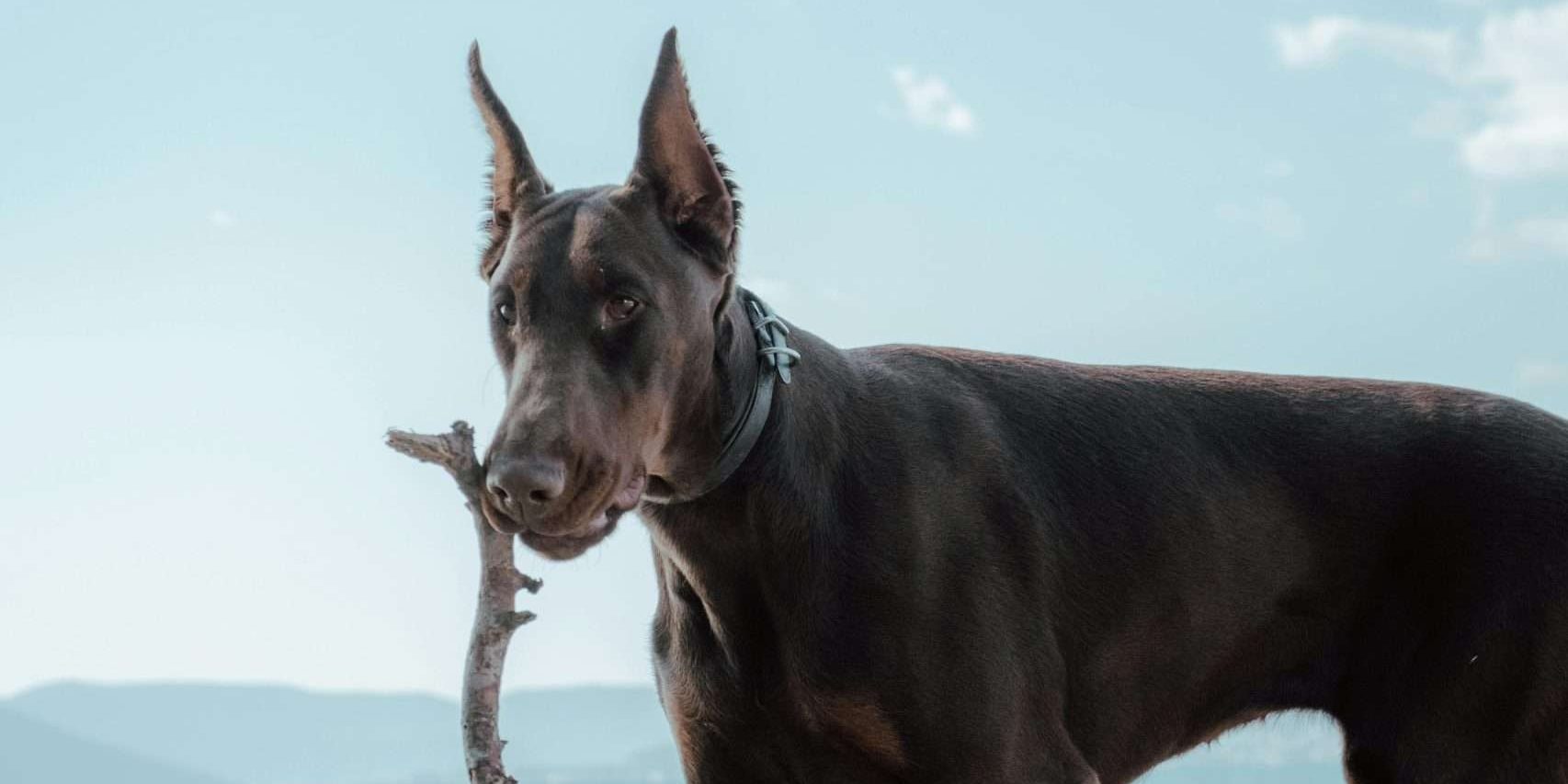
Looking for a dog that’s both a fierce protector and a loving companion? The Doberman Pinscher might be your perfect match. But before you commit, there’s plenty you should know about this intelligent and athletic breed.
Doberman Pinschers have been turning heads for over a century with their sleek looks and sharp minds. Despite changing trends, they’ve stayed popular. In fact, more than a decade after ranking 12th in AKC registrations in 2012, Dobermans remain one of America’s most sought-after breeds.

But what makes Dobermans so special? And are they right for you? Let’s dive in and find out.
Physical Characteristics of Doberman Pinschers
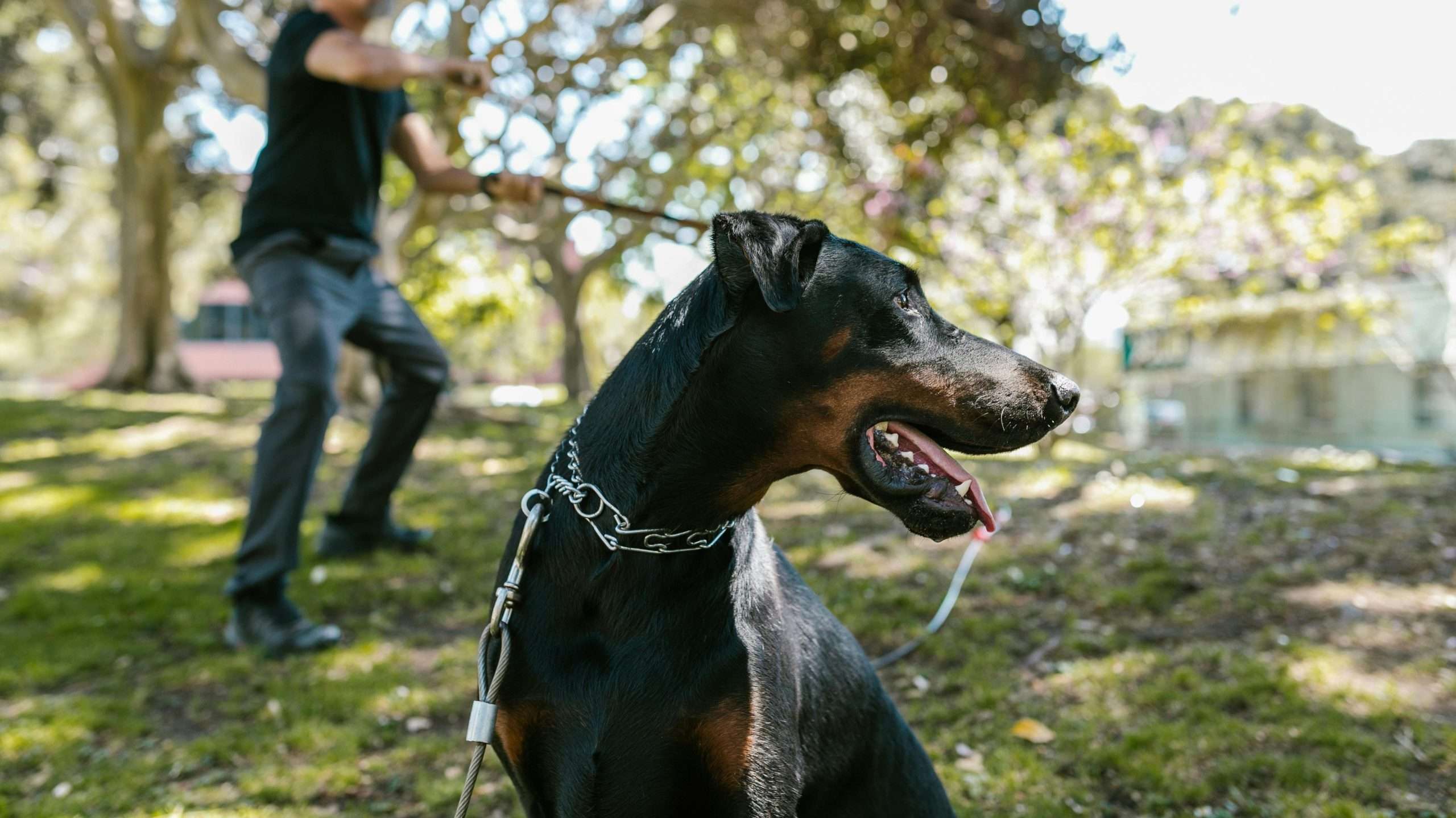
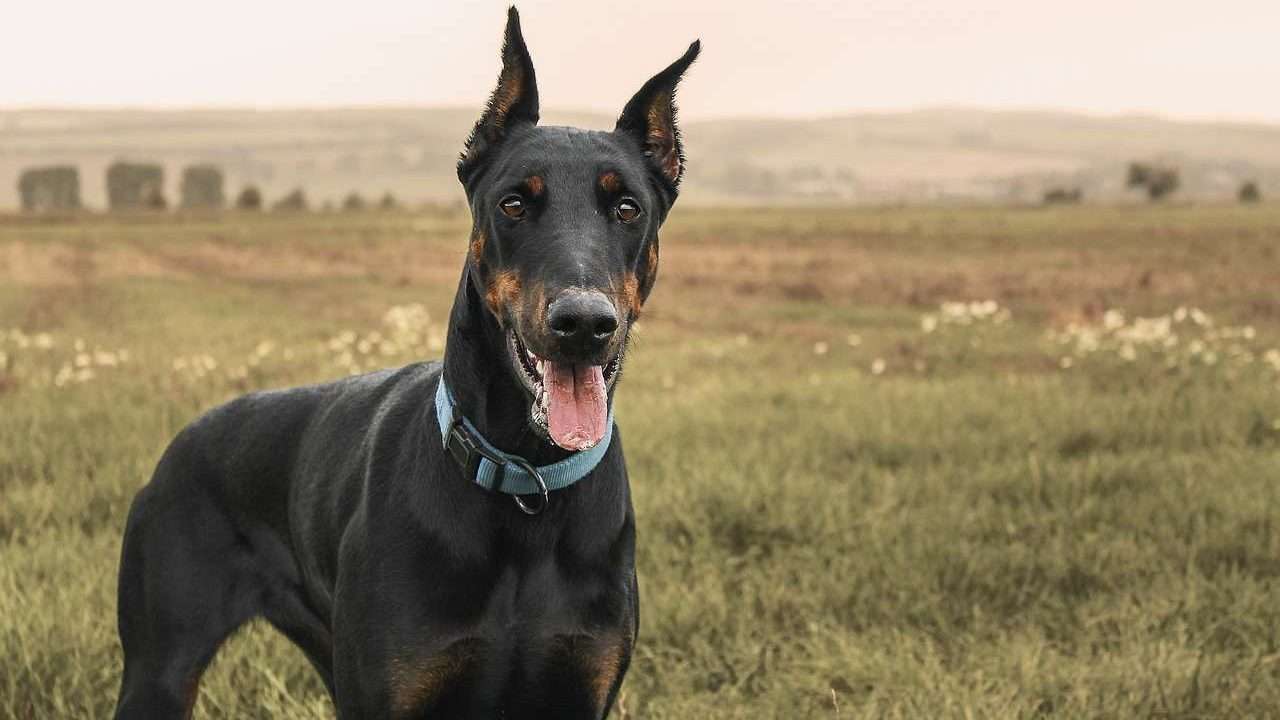
Dobermans are medium to large dogs with a muscular, compact build. Male Dobermans typically stand 26 to 28 inches tall at the shoulder, weighing between 75 and 100 pounds. Females are slightly smaller, standing 24 to 26 inches and weighing 60 to 90 pounds.
The breed’s coat is short, smooth, and close-lying, coming in colors such as black, blue, fawn, or red, always with rust markings. One of the most recognizable features of the Doberman Pinscher is its wedge-shaped head, often accentuated by cropped ears and a docked tail, though these practices are becoming less common and are even illegal in some countries.
Temperament and Personality of Doberman Pinschers
Doberman Pinschers are known for their intelligence, alertness, and loyalty. They are often described as “fearless and vigilant,” traits that make them excellent guard dogs. However, contrary to some misconceptions, well-bred and properly socialized Dobermans are not inherently aggressive.
These dogs form strong bonds with their families and are typically affectionate and protective of their loved ones. They are highly trainable and excel in various dog sports and working roles due to their keen intelligence and eagerness to please.
While Dobermans can be reserved with strangers, they should not be overly aggressive. Early socialization is crucial to ensure they develop into well-rounded adults who can distinguish between genuine threats and normal social interactions.
Care and Maintenance of Doberman Pinschers
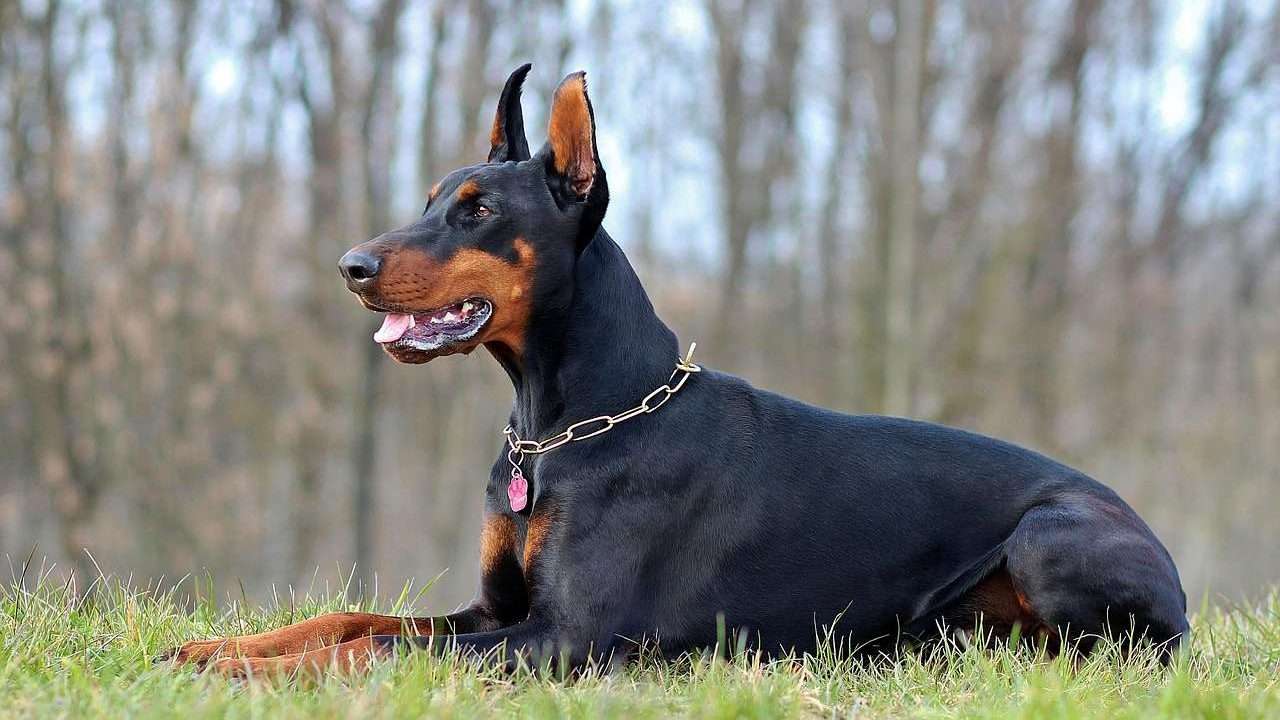
Doberman Pinschers are energetic dogs that require regular exercise to maintain their physical and mental well-being. They thrive on daily walks, jogs, or play sessions, and excel in activities like agility, obedience, and tracking.
Grooming needs for Dobermans are relatively low due to their short coat. Weekly brushing is usually sufficient to keep their coat in good condition, along with occasional baths. Regular nail trimming, teeth brushing, and ear cleaning should also be part of their grooming routine.
Nutrition is crucial for Doberman Pinschers. They require a balanced diet appropriate for their age, size, and activity level. It’s important to monitor their food intake to prevent obesity, which can exacerbate health issues common to the breed.
Health Concerns in Doberman Pinschers
While Dobermans are generally healthy dogs, they are prone to certain genetic health issues. One of the most serious concerns is dilated cardiomyopathy (DCM), a heart condition that is particularly prevalent in the breed. Regular cardiac screenings are crucial for early detection and management.
Other health issues that can affect Doberman Pinschers include:
- Wobbler’s syndrome (cervical vertebral instability)
- Von Willebrand’s disease (a blood clotting disorder)
- Hip dysplasia
- Hypothyroidism
- Bloat (gastric dilatation-volvulus)
The average lifespan of a Doberman Pinscher is between 10 to 12 years. Regular veterinary check-ups, a healthy diet, and proper exercise can help ensure your Doberman lives a long, healthy life.
Training and Socialization of Doberman Pinschers
Training a Doberman Pinscher should start early and be consistent throughout their life. These intelligent dogs learn quickly but can be strong-willed, so firm, positive reinforcement-based training methods work best.
Socialization is crucial for Dobermans. Exposing them to a variety of people, animals, and situations from a young age helps prevent fear and aggression issues later in life. Well-socialized Dobermans are confident, stable dogs that can adapt to various environments and social situations.
Doberman Pinschers excel in obedience training and can be trained for various specialized roles, including as service dogs, therapy dogs, and in search and rescue operations.
Doberman Pinschers as Family Pets
Despite their imposing appearance, Doberman Pinschers can make excellent family pets when properly trained and socialized. They are loyal, affectionate with their family members, and often good with children, especially when raised with them.
However, potential owners should consider the breed’s high energy levels and exercise needs. Dobermans are not well-suited to a sedentary lifestyle and require an active family that can provide plenty of physical and mental stimulation.
While Dobermans can adapt to apartment living if given sufficient exercise, they generally do best in homes with secure, fenced yards where they can play and burn off energy.
The Doberman Pinscher in Working Roles
Doberman Pinschers have a long history as working dogs. Originally bred for personal protection, they have since been employed in various roles, including:
- Police and military work
- Search and rescue operations
- Therapy and service dogs
- Competitive dog sports
Their intelligence, trainability, and physical capabilities make them versatile working dogs that excel in many fields.
Adopting or Buying a Doberman Pinscher
If you’re considering adding a Doberman Pinscher to your family, it’s important to choose a reputable source. Look for breeders who perform health tests on their breeding stock and can provide documentation. Alternatively, many Dobermans are available through breed-specific rescues and shelters.
When adopting or purchasing a Doberman, consider the long-term commitment. These dogs have a lifespan of 10-12 years and require consistent care, training, and attention throughout their lives.
Initial costs for a Doberman Pinscher can vary widely, but prospective owners should also factor in ongoing expenses for food, veterinary care, training, and potential health issues.
Final Thoughts
Doberman Pinschers are intelligent, loyal, and versatile dogs that can make excellent companions for the right owners. Their combination of strength, elegance, and trainability has made them popular both as family pets and working dogs. While they require consistent training, socialization, and exercise, the rewards of owning a Doberman are great for those who can meet their needs. As with any breed, potential owners should thoroughly research and consider their lifestyle before bringing a Doberman Pinscher into their home.
Related reads:
German Shepherd Dog Breed Health and Care[2024]
FAQs
Are Doberman Pinschers good with children?
Well-socialized Dobermans can be excellent with children, but supervision is always recommended.
How much exercise does a Doberman need?
Dobermans require at least an hour of vigorous exercise daily.
Are Doberman Pinschers aggressive?
Properly bred and socialized Dobermans are not inherently aggressive, but they are protective of their families.
Do Dobermans shed a lot?
Dobermans have short coats and are moderate shedders.
How often should I groom my Doberman Pinscher?
Weekly brushing and occasional baths are usually sufficient for Dobermans.

![What Can French Bulldogs Eat? A Detailed Guide [2024]](https://100dogbreeds.com/wp-content/uploads/2024/09/French-bulldog-eat-featured-768x432.jpg)