Best kibble for small breed dogs in 2026


Small dogs may be tiny, but their nutritional needs are anything but small. From fast metabolisms to delicate jaws, small breed dogs require food designed specifically for their size and energy levels. That is why choosing the right kibble for small breed dogs matters more than many owners realize.
Regular dog food may not always work well for smaller breeds. Large kibble pieces can be difficult to chew, and foods formulated for bigger dogs may not provide the right calorie density. The right kibble for small breed dogs is made with smaller pieces, balanced nutrition, and ingredients that support their unique needs. If you are planning your dog’s diet in 2026, understanding what makes good small breed kibble will help you make a smarter choice.

Why choosing the right kibble for small dog breeds matters
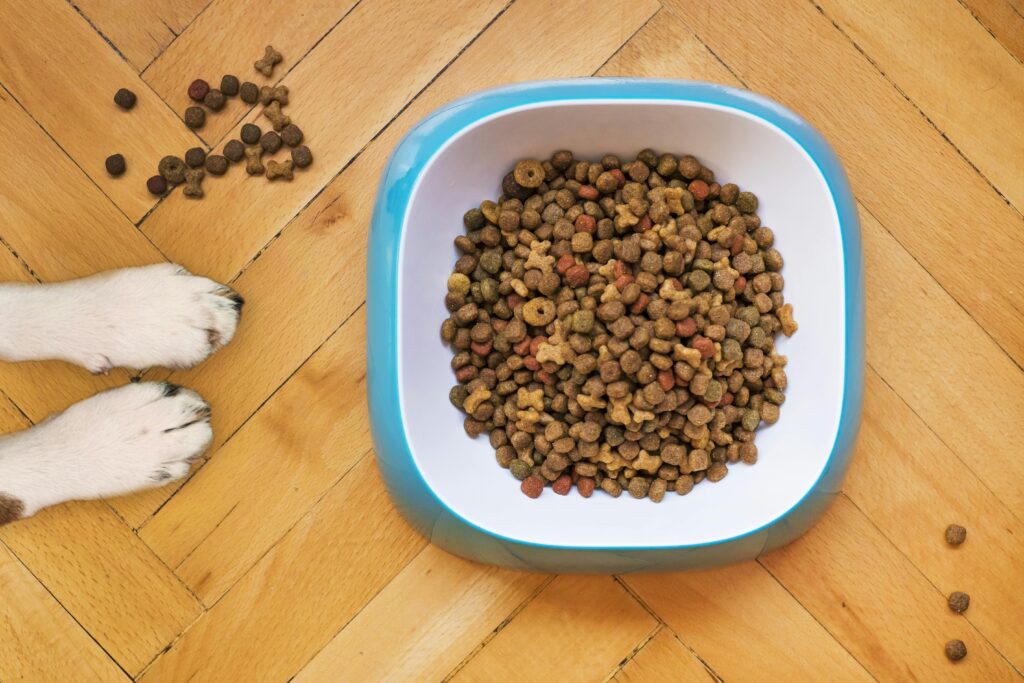
Small breed dogs such as Chihuahuas, Pomeranians, Shih Tzus, and Dachshunds have different dietary requirements compared to medium or large dogs. Their bodies process energy differently and they need food that matches their lifestyle.
Smaller jaws require specially sized kibble for smaller dogs
Small dogs have tiny mouths and teeth. Large kibble pieces can be difficult to chew and may even cause choking. Specially formulated kibble for small breed dogs is usually smaller and easier to bite. This encourages proper chewing and helps dogs enjoy their meals comfortably.
When dogs chew properly, they also produce saliva that aids digestion. Smaller kibble sizes make it easier for small dogs to chew and digest their food efficiently.
Higher metabolism and calorie needs
Small dogs often burn calories faster than larger breeds. Because of their quick metabolism, they need food that provides enough energy without requiring large portions. Quality kibble for small breed dogs usually contains a higher calorie density so dogs can get enough energy from smaller meals.
Dental health benefits
Many small breeds are prone to dental issues. The right kibble for small breed dogs can help reduce plaque buildup because chewing dry food gently scrapes the teeth. While kibble alone cannot replace dental care, it can contribute to better oral health when paired with regular brushing.
Nutritional needs of dogs eating kibble
Balanced nutrition is essential for small breed dogs. The best kibble for small breed diets are designed to support energy, digestion, coat health, and overall wellness.
High quality protein for muscle health
Protein is one of the most important ingredients in dog food. It helps maintain strong muscles and supports overall body functions. Good kibble for small breed dogs often contains protein sources like chicken, turkey, lamb, or fish.
Dogs need protein not just for muscle development but also for immune health and tissue repair.
Healthy fats for energy
Fats are another important part of kibble for small breed nutrition. Small dogs rely on fats as a concentrated energy source. Ingredients like fish oil and chicken fat provide omega fatty acids that help maintain healthy skin and a shiny coat.
Omega 3 and omega 6 fatty acids also support brain function and reduce inflammation.
Vitamins and minerals for immunity
Vitamins and minerals play a vital role in supporting immune health. Quality kibble for small breed dogs includes essential nutrients such as vitamin E, vitamin C, zinc, and selenium.
These nutrients help dogs fight infections and stay active.
Fiber for healthy digestion
Fiber supports digestion and helps regulate bowel movements. Ingredients such as pumpkin, beet pulp, or brown rice provide gentle fiber in kibble for small breed diets.
Proper digestion ensures dogs absorb the nutrients they need from their food.
Key ingredients to look for in kibble
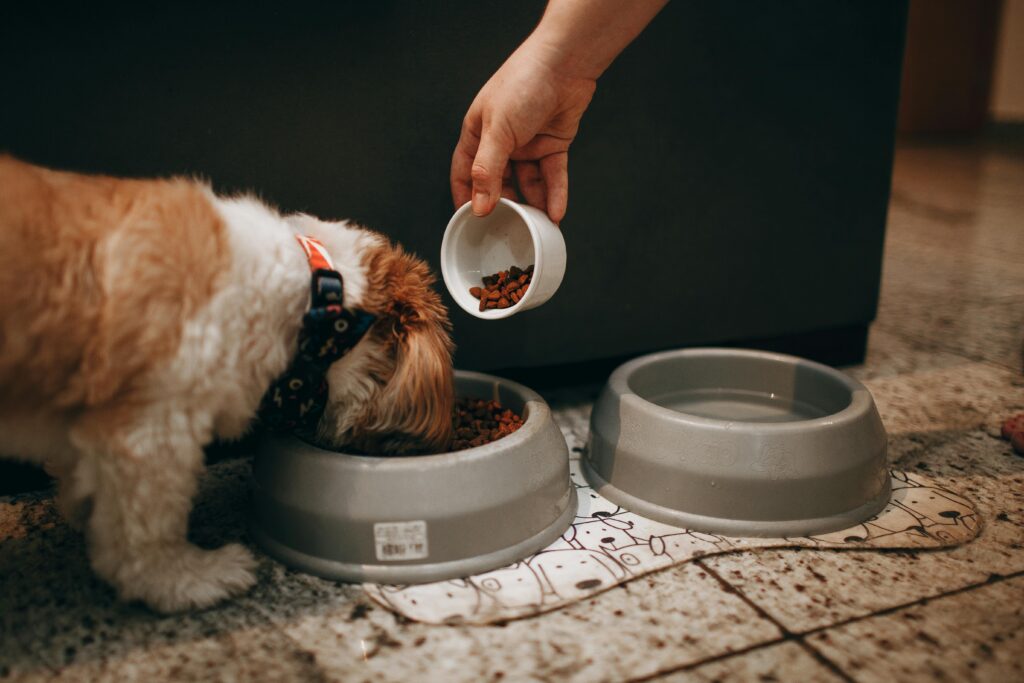
Not all dog food is created equal. When choosing kibble for small breed dogs, the ingredient list can reveal a lot about the food’s quality.
High quality kibble usually starts with real meat as the first ingredient. Chicken, lamb, or salmon should appear before fillers like corn or wheat.
Whole grains such as brown rice and oats can provide energy and fiber. Some formulas also include vegetables like sweet potatoes or peas, which add vitamins and antioxidants.
Another beneficial addition in kibble for small breed dogs is probiotics. These friendly bacteria support gut health and improve digestion. Some brands also add glucosamine and chondroitin to support joint health, especially in active dogs.
Also Read:
Dog Nutrition Myths Every Pet Parent Should Know
Ingredients to avoid in kibble for small breed dogs
Just as important as good ingredients are the ones that should be avoided. Certain ingredients may reduce the quality of kibble for small breed dog food.
Artificial preservatives such as BHA, BHT, and ethoxyquin are sometimes used to extend shelf life. While small amounts may be approved for use, many pet owners prefer natural preservatives instead.
Artificial colors and flavors are also unnecessary in kibble for small breed diets. Dogs do not care about the color of their food, and these additives do not provide any nutritional value.
Low quality fillers like excessive corn or soy may also reduce the nutritional value of kibble. These ingredients are sometimes used to bulk up food but may not provide balanced nutrition.
Ideal kibble size for kibble
Kibble size might seem like a small detail, but it plays a big role in a dog’s eating experience. Properly sized kibble for small breed dogs is usually small, round, or flat so that it is easy for tiny mouths to chew.
Small kibble pieces encourage dogs to chew their food rather than swallow it whole. Chewing helps break food down into smaller pieces and makes digestion easier.
If the kibble is too large, dogs may struggle to eat comfortably. That is why food designed specifically as kibble for small breed dogs tends to focus heavily on bite sized shapes.
How to choose the best kibble for small breed dogs in 2026
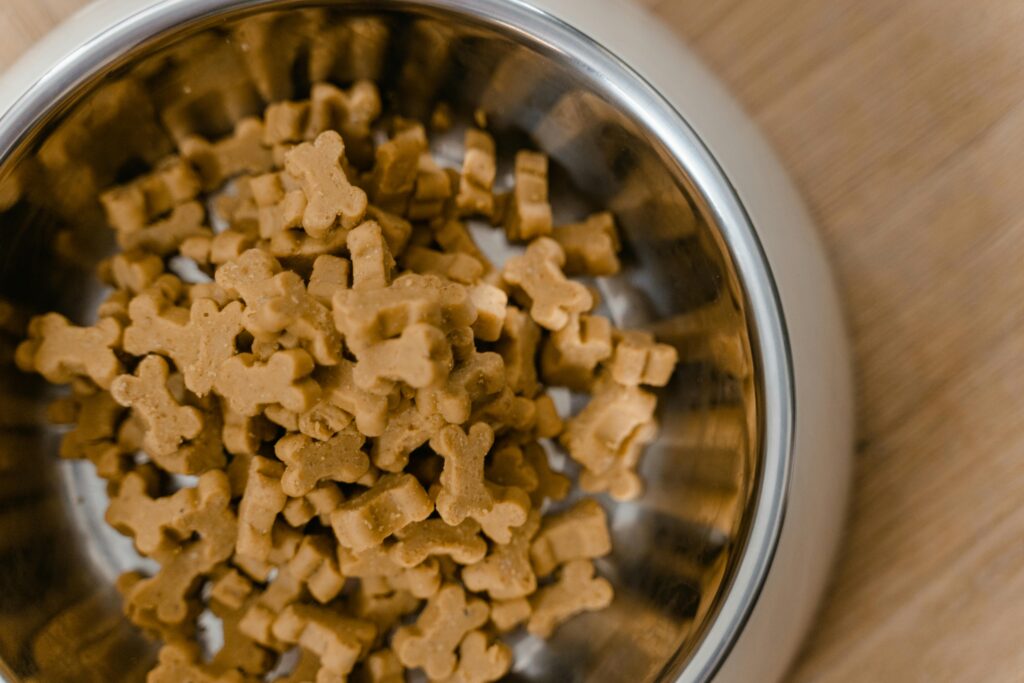
With so many brands available, choosing the right kibble for small breed dogs may feel overwhelming. A few key factors can help narrow down the options.
First, check the ingredient list. Real meat should appear near the top of the list.
Second, look for foods that meet AAFCO nutritional standards. These standards ensure that the kibble for small breed dogs provides complete and balanced nutrition.
Third, consider the kibble size and shape. Small breed formulas should have pieces that are easy for tiny mouths to chew.
Finally, read reviews and check brand reputation. Reliable brands usually have consistent quality and transparent ingredient sourcing.
Feeding tips when using kibble for small breed
Feeding small dogs properly helps maintain their health and energy levels. Even the best kibble for small breed dogs should be served in appropriate portions.
Portion control for small dogs
Because small dogs have small stomachs, they often need smaller meals spread throughout the day. Feeding the correct portion of kibble for small breed dogs helps prevent obesity.
Mixing kibble with wet food
Some owners mix wet food with kibble for small breed dogs to add moisture and flavor. This can encourage picky eaters to finish their meals.
Always provide fresh water
Dry food requires proper hydration. Fresh water should always be available when feeding kibble for small breed diets.
Common mistakes when buying kibble for small breed
Many dog owners make simple mistakes when choosing food. One common mistake is buying regular dog food instead of kibble for small breed dogs.
Another mistake is ignoring ingredient quality. The first few ingredients usually make up the majority of the food.
Feeding incorrect portions can also lead to weight gain or nutritional imbalance. Always follow the feeding guidelines for kibble for small breed dogs and adjust based on activity level.
![How to Choose Healthy Food for Your Dog [2024]](https://100dogbreeds.com/wp-content/uploads/2024/07/dog-healthy-food-768x512.jpg)