Is Coconut Safe for Dogs? Health Benefits and Precautions to Keep in Mind


When it comes to dog nutrition, pet owners are constantly looking for natural, healthy ingredients to include in their furry friend’s diet. One such popular food is coconut. You might’ve seen it in dog treats, shampoos, or even coconut oil supplements. But the big question remains: Is Coconut Safe for Dogs?
Let’s dive into what coconut offers, how it affects dogs, and the precautions every pet parent should know.

What Is Coconut and Why the Hype?
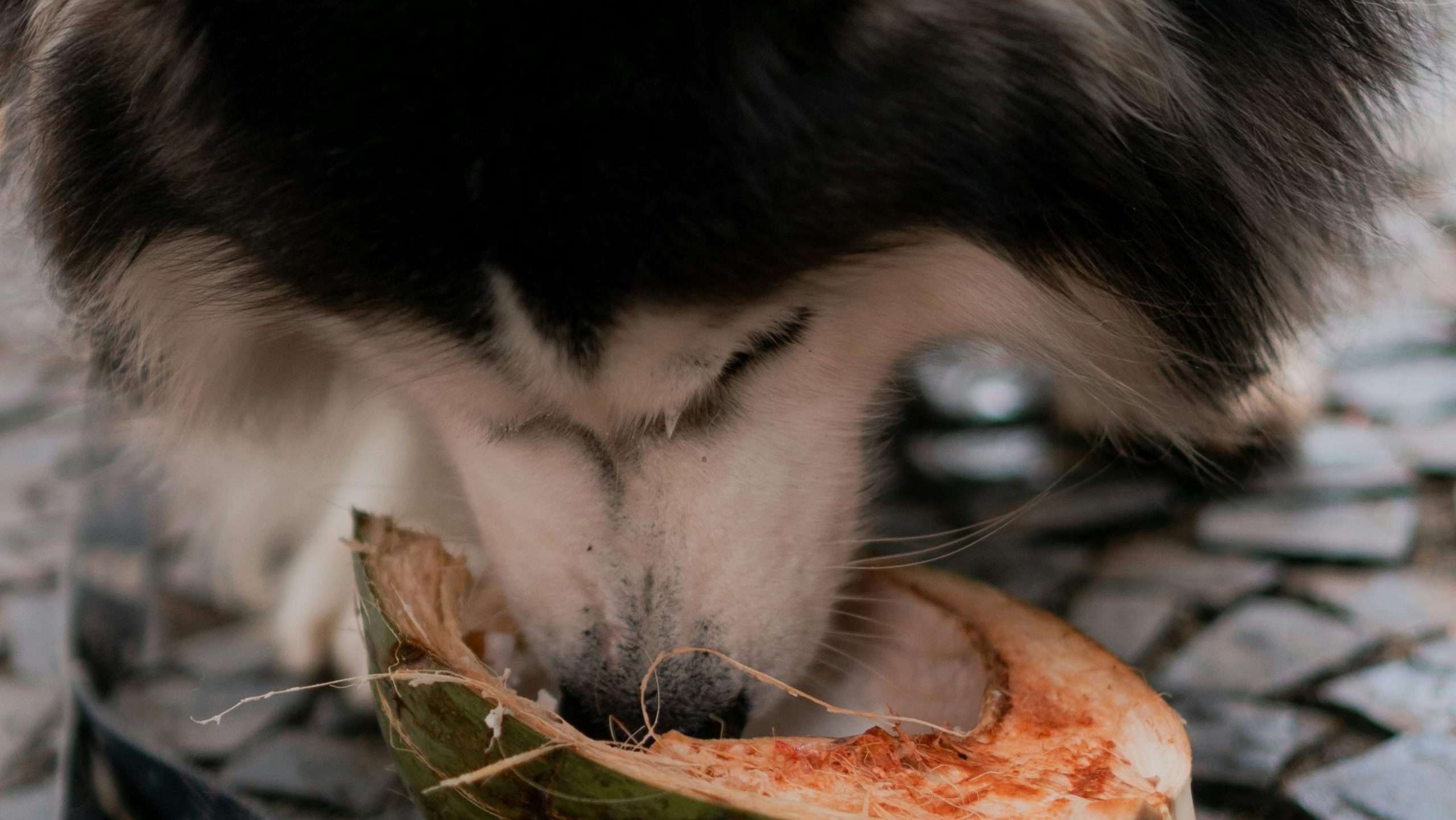
Coconut is a tropical fruit harvested from the coconut palm. It’s packed with nutrients like medium-chain triglycerides (MCTs), fiber, antioxidants, and essential minerals. Humans consume it in various forms—coconut water, milk, meat, and oil – for its touted health benefits.
Naturally, pet parents may wonder: if it’s good for humans, is coconut safe for dogs?
The answer is generally yes, but with important caveats.
The Nutritional Benefits of Coconut for Dogs
So, is coconut safe for dogs? Yes, in moderation, coconut can be a beneficial addition to your dog’s diet. Here’s how:
1. Anti-Inflammatory Properties
Coconut contains lauric acid, a type of MCT known for its anti-inflammatory, antibacterial, and antifungal effects. This may help dogs with arthritis or other inflammation-related conditions.
2. Supports Skin and Coat Health
Whether applied topically or consumed, coconut oil is known to improve skin hydration, reduce itchiness, and add shine to your dog’s coat. If your pup suffers from dry skin or allergies, a small amount of coconut oil might help.
3. Boosts Energy and Brain Function
MCTs found in coconut provide a quick source of energy. These fats can be beneficial for senior dogs with cognitive decline, potentially supporting brain function.
4. Aids in Digestion
The dietary fiber in coconut meat can help regulate bowel movements and support a healthy gut. However, overfeeding may cause loose stools, so moderation is key.

Coconut in Its Various Forms: What’s Safe?
Not all coconut products are created equal. If you’re wondering, is coconut safe for dogs? the answer can depend on the form it’s in:
Coconut Meat (Fresh or Dried)
Plain coconut meat, without added sugar or preservatives, is safe for dogs. You can offer small pieces as a treat or mix it into meals occasionally.
Coconut Oil
Used widely in pet care, coconut oil can be added to food or used on the skin. Start with a small amount (¼ teaspoon for small dogs, 1 teaspoon for large dogs) and observe how your dog reacts.
Coconut Water
While it’s rich in electrolytes and hydrating, coconut water also contains natural sugars. It’s not toxic, but it should be given sparingly, especially for diabetic dogs.
Coconut Milk
Often used in homemade dog treats, coconut milk is safe if it’s unsweetened and free of additives like xylitol (which is toxic to dogs).
Shredded Coconut
Unsweetened, desiccated coconut is okay in small amounts, but be cautious of sweetened or packaged varieties that may include harmful additives.
Coconut Shells
Never give dogs coconut shells. They’re hard, sharp, and can cause intestinal blockages or damage if swallowed.
How Much Coconut Can a Dog Have?
If you’ve made it this far, you likely feel reassured – but how much is too much?
Even though the answer to “is coconut safe for dogs?” is yes, it’s not meant to be a staple. Coconut should be treated like a supplement or an occasional treat, not a daily diet item.
Here are some general guidelines:
- Small dogs: ½ teaspoon of coconut oil or a few small coconut meat chunks per week.
- Medium dogs: Up to 1 teaspoon of coconut oil or a few more chunks.
- Large dogs: Up to 1 tablespoon per week, split over several days.
Always consult your veterinarian before introducing a new food into your dog’s diet, especially if they have existing health conditions.
Possible Side Effects and When to Avoid Coconut
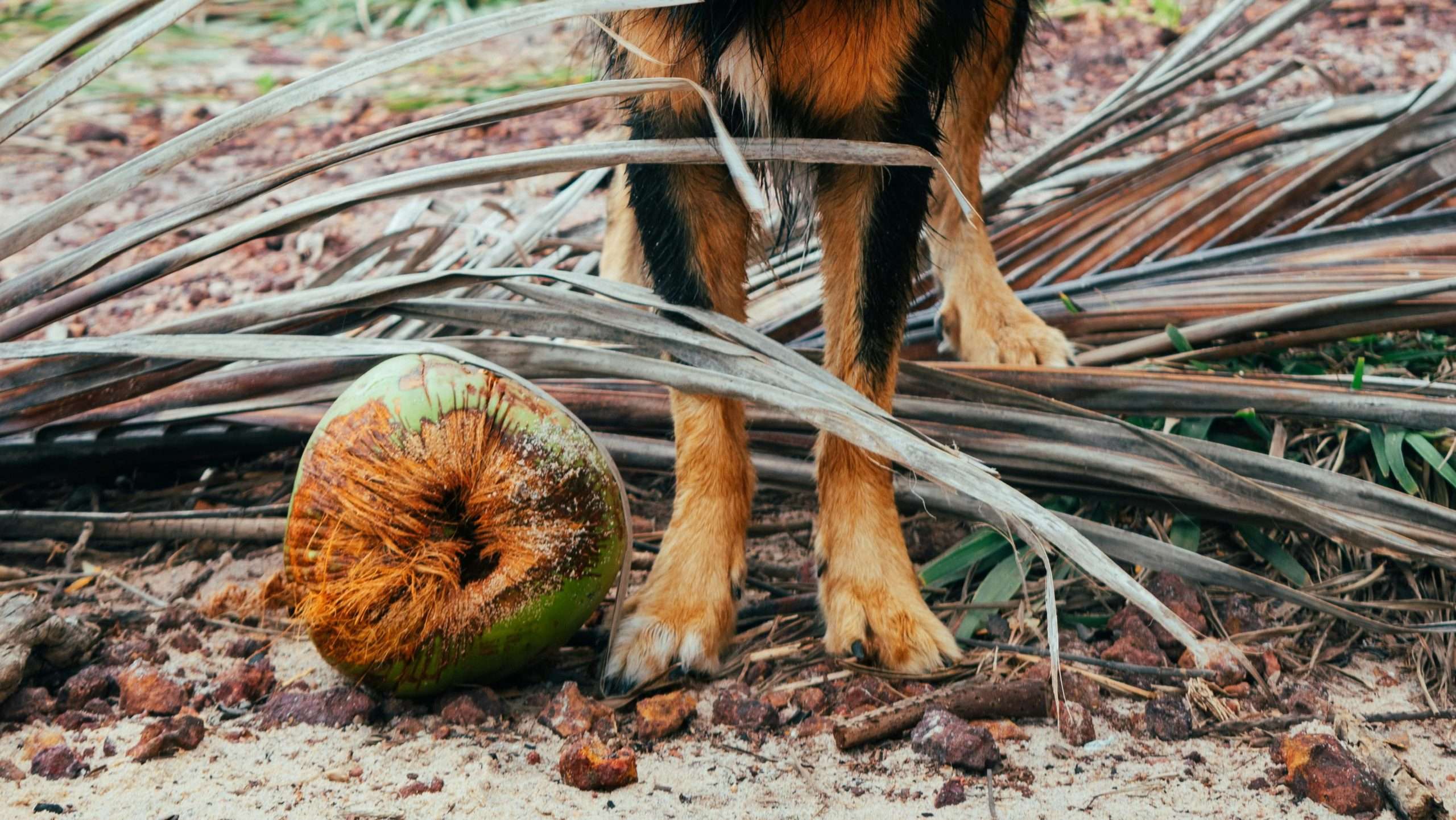
Even though we’ve established that the answer to “is coconut safe for dogs?” is mostly yes, there are risks to keep in mind:
1. Upset Stomach
Too much coconut (especially oil) can lead to diarrhea, greasy stools, or vomiting. Start with small amounts and observe your dog for signs of digestive discomfort.
2. Allergic Reactions
Rarely, dogs can be allergic to coconut. Symptoms may include itchiness, ear infections, or gastrointestinal issues. Discontinue use and consult your vet if symptoms appear.
3. High-Fat Content
Coconut and its oil are high in fat. While MCTs are generally healthy fats, overconsumption can contribute to obesity or worsen conditions like pancreatitis.
Dogs That Should Avoid Coconut
The question “is coconut safe for dogs?” doesn’t have a one-size-fits-all answer. Some dogs shouldn’t have coconut at all:
- Dogs with pancreatitis or a history of it should avoid fatty foods, including coconut oil.
- Overweight dogs may benefit more from low-fat snacks like carrots or green beans.
- Dogs with sensitive stomachs might not tolerate coconut well, even in small doses.
Again, your vet can offer guidance specific to your pet’s needs.
Related reads:
Can Dogs Eat Raisins?: A Comprehensive Guide to Raisin Toxicity in Canines
How to Introduce Coconut Safely
If you’re interested in offering your dog coconut, take a gradual approach:
- Start Small – Give a tiny amount first and monitor their reaction for 24–48 hours.
- Watch for Changes – Look out for symptoms like vomiting, itching, or loose stools.
- Choose the Right Form – Stick with unsweetened, plain coconut products.
- Don’t Replace Main Meals – Coconut is a supplement, not a meal replacement.
Fun Coconut Treat Ideas for Dogs
Want to make coconut a fun part of your dog’s treat rotation? Try these simple ideas:
- Frozen Coconut Oil Cubes: Mix coconut oil with a bit of unsweetened pumpkin puree. Freeze in silicone molds for a cooling snack.
- Coconut & Banana Cookies: Combine mashed banana, rolled oats, and a bit of shredded coconut. Bake at 350°F for 15–20 minutes.
- DIY Coconut Yogurt Pops: Blend plain Greek yogurt, unsweetened coconut milk, and blueberries. Freeze in small portions.
These treats are safe and simple, but still follow the “everything in moderation” rule.
Final Thoughts: Is Coconut Safe for Dogs?
So, circling back to the original question – Is Coconut Safe for Dogs? The answer is a cautious yes.
Coconut, in its natural and unsweetened forms, can provide some great health benefits like improved skin, increased energy, and better digestion. But it’s not risk-free. Dogs with certain health conditions should steer clear, and even healthy pups should only enjoy coconut in small amounts.
Always monitor your dog for any side effects and talk to your vet if you’re unsure. When used responsibly, coconut can be a tasty, nutritious way to treat your dog and they’ll likely love it, too.
![How to Clean Dog Ears: At Home Edition [2024]](https://100dogbreeds.com/wp-content/uploads/2024/09/Dog-ears-e1725473739176-768x384.jpg)




![Dog Vaccinations: Everything You Need to Know [2024]](https://100dogbreeds.com/wp-content/uploads/2024/10/dog-vaccinations-featured-768x512.jpg)