5 Dangerous Ingredients to Avoid in Dog Food

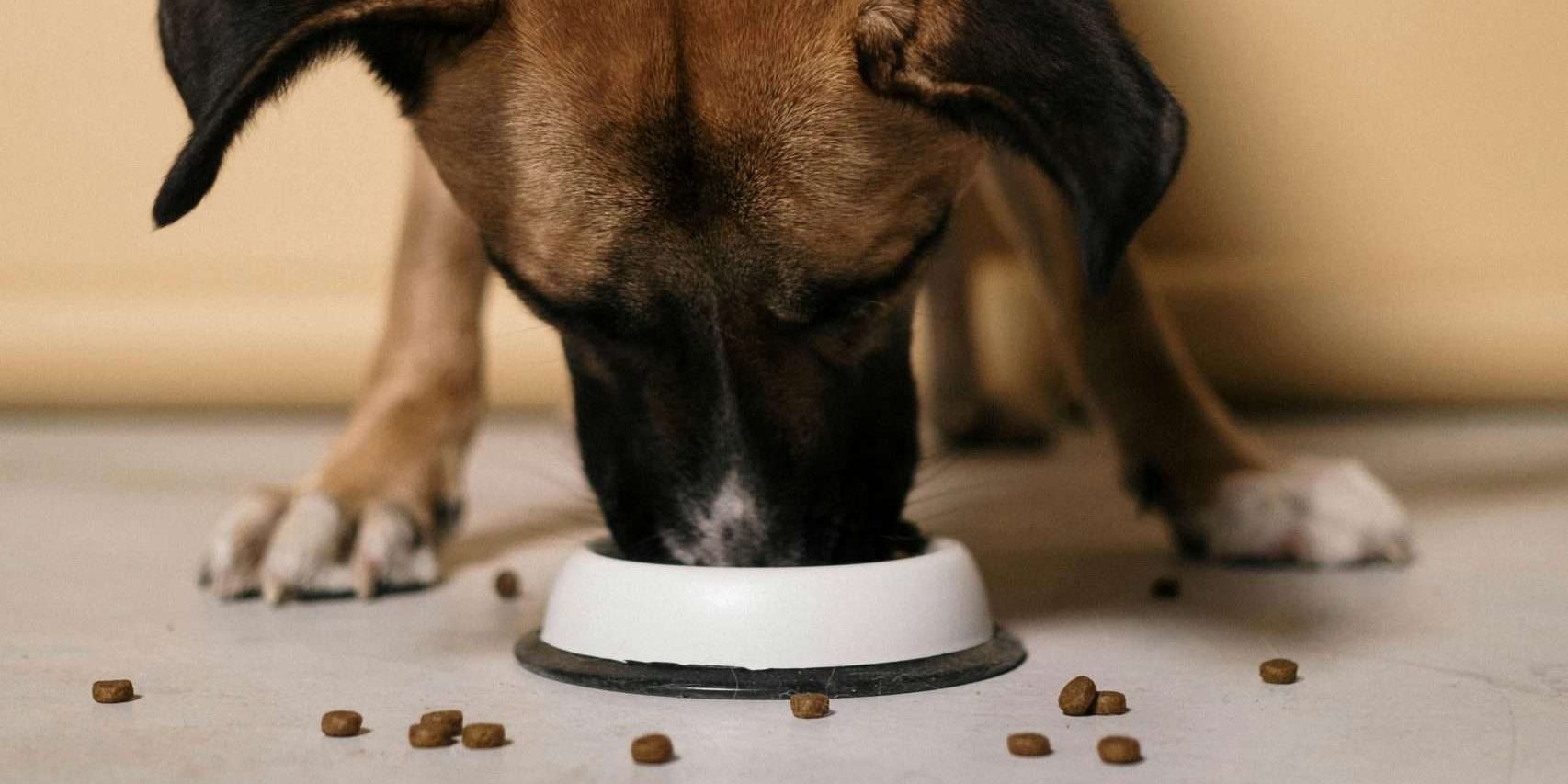
You love your dog, but could you be unknowingly putting them in harm’s way? The truth about what’s lurking in many dog food bowls is shocking.
Consider this: Butylated hydroxyanisole (BHA), a common preservative in dog food, is known to cause tumors in lab animals. It’s so dangerous that some countries have banned it entirely. Yet, it might be in your pet’s food right now. But BHA is just one of several ingredients to avoid in dog food. From cancer-causing preservatives to mystery meats, these hidden dangers could be sabotaging your furry friend’s health with every bite.

In this eye-opening guide, we’ll expose the top 5 ingredients to avoid in dog food.
Understanding Dog Food Labels
Before diving into specific ingredients, it’s essential to understand how to read and interpret dog food labels. Ingredients are listed in descending order by weight, meaning the first few ingredients make up the bulk of the food. Ingredients to avoid in dog food are often hidden behind complex names or vague terms, making it crucial to familiarize yourself with these potential red flags.
Related reads:
How to Choosing the Right Dog Treats: Mastering the Art of Treat Selection
5 Ingredients to Avoid in Dog Food
Artificial Preservatives
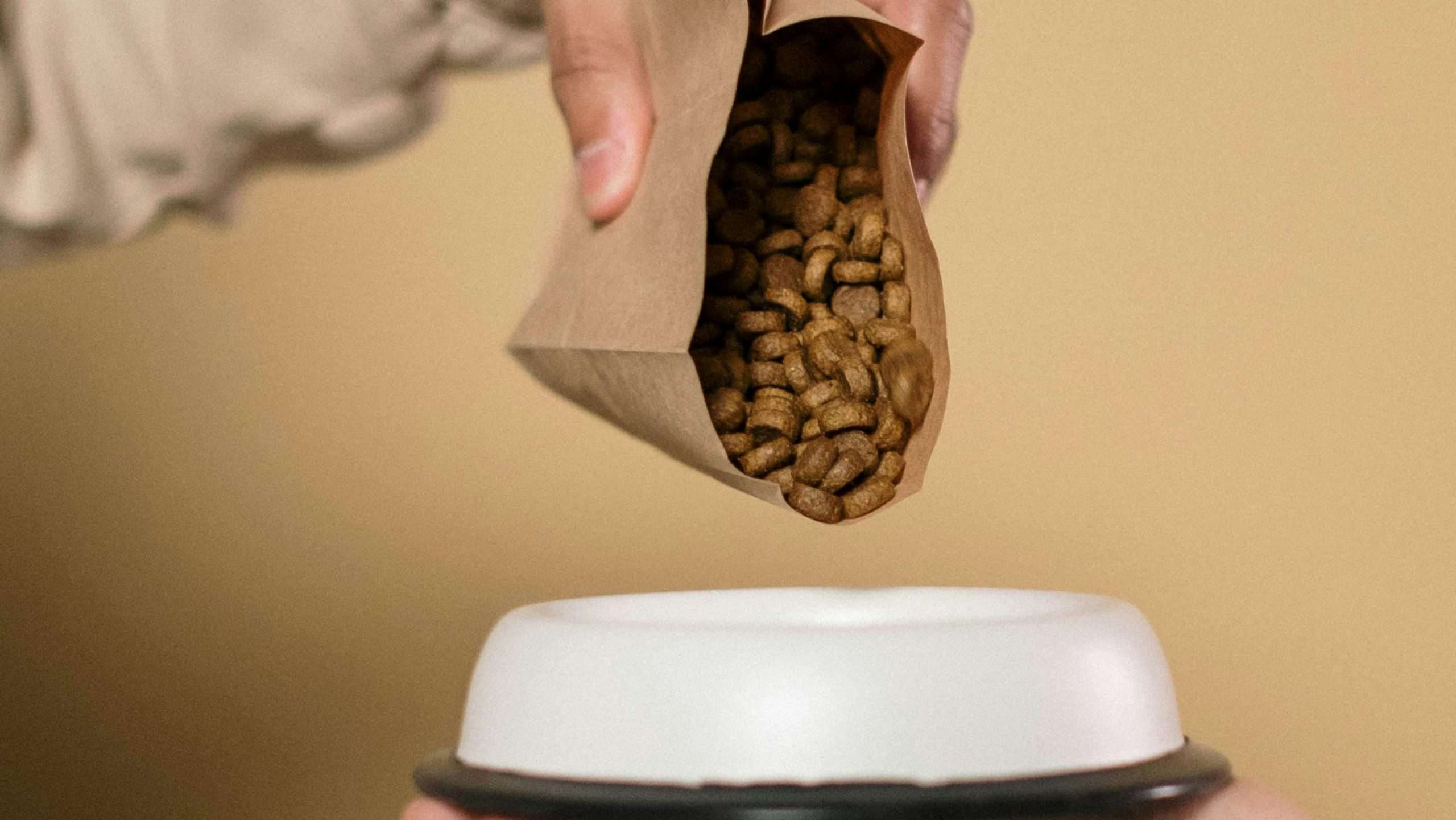
Artificial preservatives are among the most common ingredients to avoid in dog food. These chemicals are added to extend shelf life but can pose serious health risks to your pet. The most concerning preservatives include:
- BHA (Butylated Hydroxyanisole)
- BHT (Butylated Hydroxytoluene)
- Ethoxyquin
These preservatives have been linked to various health issues, including cancer, liver and kidney problems, and allergic reactions. The FDA has approved their use in small quantities, but many pet owners and veterinarians prefer to err on the side of caution.
Artificial Colors and Dyes
While colorful kibble might appeal to human eyes, dogs don’t care about the color of their food. Artificial colors and dyes are unnecessary ingredients to avoid in dog food that offer no nutritional value and may cause health problems. Common culprits include:
- Red 40
- Blue 2
- Yellow 5 and 6
These dyes have been associated with behavioral issues, allergies, and even cancer in some studies. Opt for dog foods that derive their color naturally from ingredients like carrots or beets instead.
Rendered Fats and Meat Meals
When you see vague terms like “meat meal” or “animal fat” on a dog food label, it’s a red flag. These ingredients are often low-quality protein sources derived from rendering – a process that can include various animal parts, including those from diseased animals or euthanized pets.
Rendered fats and meat meals can contain high levels of toxins, heavy metals, and harmful bacteria. Instead, look for named protein sources like “chicken,” “beef,” or “salmon” as the first ingredients.
Corn Syrup and Artificial Sweeteners
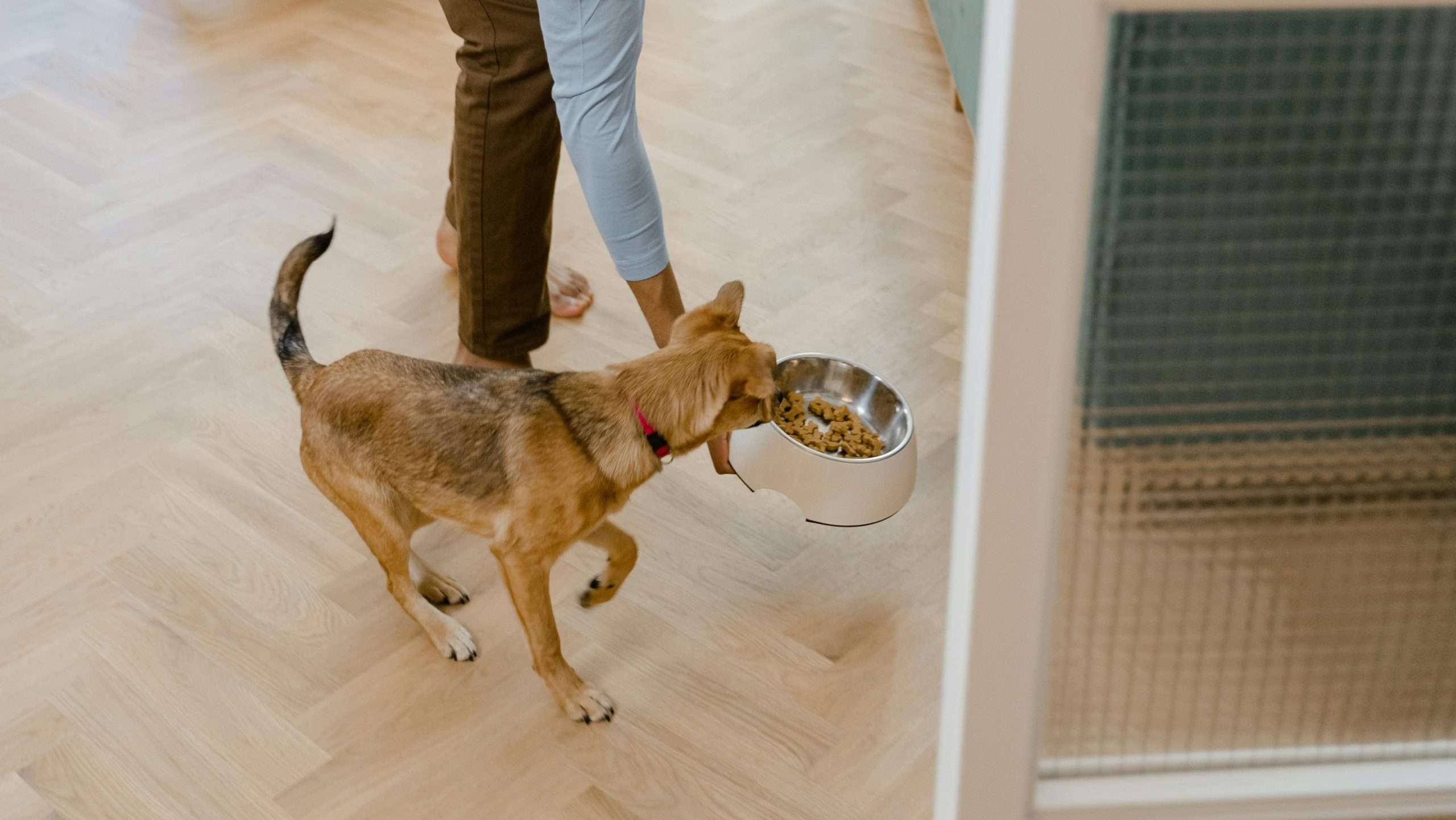
Dogs don’t need added sugars in their diet. Corn syrup and artificial sweeteners are the next red falg ingredients to avoid in dog food as they can lead to obesity, diabetes, and dental problems. Of particular concern is xylitol, an artificial sweetener that is highly toxic to dogs even in small amounts.
These sweeteners are often added to make food more palatable, but they provide no nutritional value and can harm your dog’s health in the long run.
Chemical Additives
Various chemical additives are used in dog food production for different purposes, but many of them are ingredients to avoid in dog food. Two particularly concerning additives are:
- Propylene Glycol: Used to keep semi-moist dog foods soft, this chemical is related to antifreeze and can cause skin irritations and other health issues.
- Melamine: This plastic compound was responsible for a major pet food recall in 2007. It’s sometimes illegally added to inflate the protein content of food.
Healthier Alternatives
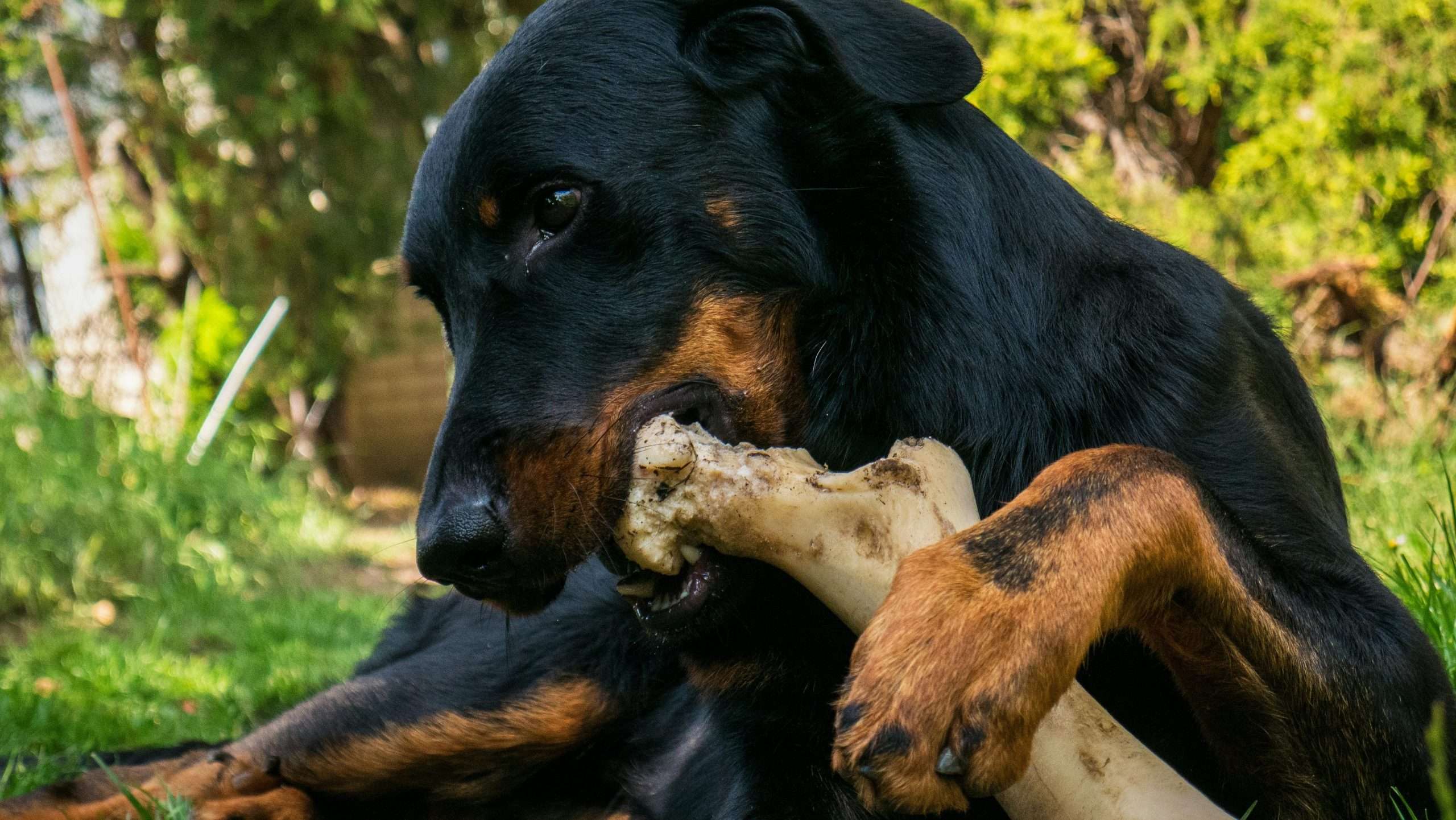
Now that you know which ingredients to avoid in dog food, let’s look at some healthier alternatives:
- Natural Preservatives: Look for dog foods preserved with vitamin E (mixed tocopherols), vitamin C (ascorbic acid), or rosemary extract.
- Whole Food Ingredients: Choose foods with real, named meat sources as the first ingredient, followed by whole grains, fruits, and vegetables.
- High-Quality Fats: Look for named fat sources like “chicken fat” or “salmon oil” instead of generic “animal fat.”
- Natural Flavors: Instead of artificial sweeteners, some high-quality dog foods use natural flavor enhancers like chicken or beef broth.
The Importance of High-Quality Dog Food
Feeding your dog a diet free from harmful ingredients to avoid in dog food can have numerous benefits:
- Improved digestion and nutrient absorption
- Healthier skin and coat
- Better weight management
- Increased energy and vitality
- Reduced risk of chronic diseases
Investing in high-quality dog food may cost more upfront, but it can save you money on veterinary bills in the long run and contribute to a longer, healthier life for your furry friend.
Tips for Choosing the Right Dog Food
- Read Labels Carefully: Always check the ingredient list and avoid foods containing the ingredients to avoid in dog food mentioned above.
- Consult Your Veterinarian: Your vet can provide personalized advice based on your dog’s age, breed, health status, and nutritional needs.
- Consider Your Dog’s Life Stage: Puppies, adult dogs, and seniors have different nutritional requirements.
- Look for AAFCO Statement: Ensure the food meets AAFCO (Association of American Feed Control Officials) standards for complete and balanced nutrition.
- Gradually Transition: When switching to a new food, do so gradually over 7-10 days to avoid digestive upset.
Stay Healthy!
Being aware of the ingredients to avoid in dog food is crucial for maintaining your pet’s health and well-being. By steering clear of artificial preservatives, colors, low-quality protein sources, unnecessary sweeteners, and harmful chemical additives, you can significantly improve your dog’s diet.
Remember, every dog is unique, and what works for one may not work for another. Always consult with your veterinarian when making significant changes to your dog’s diet, and monitor your pet for any changes in health or behavior when introducing new foods.
By taking the time to understand and avoid harmful ingredients, you’re taking a significant step towards ensuring a long, healthy, and happy life for your canine companion.
FAQs
What are the most common ingredients to avoid in dog food?
The most common ingredients to avoid in dog food include artificial preservatives (BHA, BHT, ethoxyquin), artificial colors, generic meat meals, corn syrup, and chemical additives like propylene glycol.
Can artificial preservatives in dog food cause cancer?
Some studies have suggested a link between artificial preservatives like BHA and BHT and cancer in animals. While more research is needed, many pet owners and veterinarians prefer to avoid these preservatives as a precaution.
Are grain-free dog foods always healthier?
Not necessarily. While some dogs benefit from grain-free diets, others do well with whole grains in their food. The quality of ingredients and overall nutritional balance are more important than whether a food contains grains or not.
How can I tell if a dog food contains high-quality ingredients?
Look for named meat sources as the first ingredient, whole food ingredients you recognize, and natural preservatives. Avoid foods with vague terms like “meat meal” or “animal fat,” which are often ingredients to avoid in dog food.