8 Hurricane Safety Tips for Dogs: Complete Emergency Guide


As hurricane season approaches, pet owners face unique challenges in protecting their furry family members. With recent studies showing that over 44% of people have risked their lives by refusing to evacuate without their pets during hurricanes, understanding how to keep your dogs safe during hurricanes has never been more crucial. This comprehensive guide will help you prepare, protect, and manage your dog’s safety before, during, and after a severe weather event.
1. Create a Dog Hurricane Safety Kit
Emergency preparedness starts with a well-stocked kit dedicated to your dog’s needs. When assembling your hurricane preparedness kit for dogs, think beyond just the basics of food and water. Your kit should contain at least seven days’ worth of food stored in waterproof containers, though experts recommend keeping two weeks’ worth if possible. Calculate water needs based on one gallon per dog during hurricane per day, plus additional water for cleaning and emergencies.

Medications deserve special attention in your emergency kit. Pack a two-week supply of any prescribed medicines, along with detailed instructions for administration. Include copies of vaccination records, medical history, and your veterinarian’s contact information in a waterproof container. Don’t forget essential first-aid supplies like bandages, antiseptic wipes, and pet-specific first aid instructions.
2. Secure Dog Identification
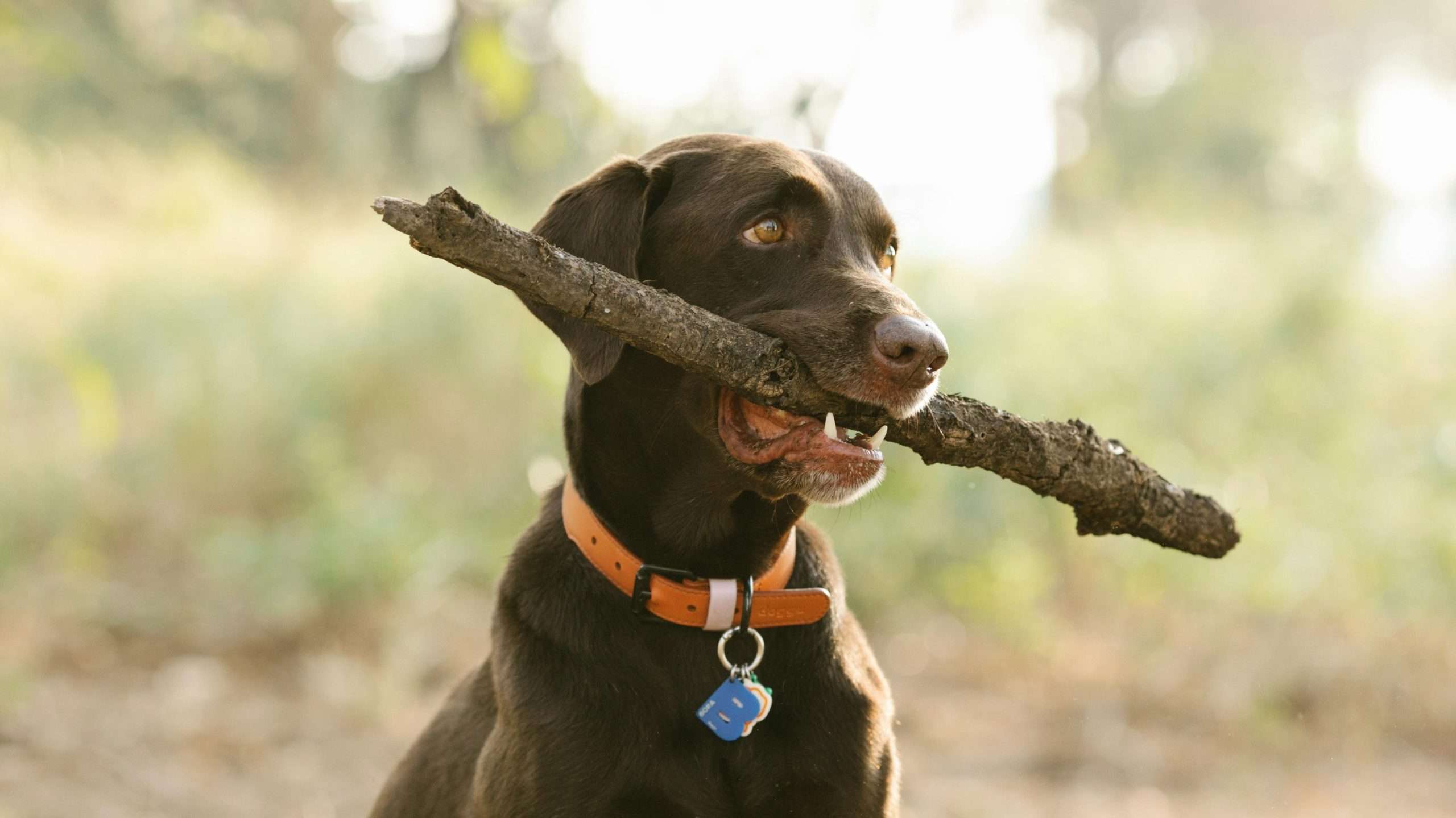
The chaos of a hurricane can easily separate dogs from their families, making proper identification absolutely crucial. Start with the basics: ensure your dog’s microchip information is current and registered. Many pet owners make the mistake of getting the microchip but forgetting to update their contact information when they move or change phone numbers.
Beyond microchipping, create a comprehensive identification package for your dog during emergency situations. This includes recent photographs showing any distinctive markings, detailed physical descriptions, and multiple forms of ID tags. Consider waterproof tags that include not only your contact information but also an out-of-area contact who can help coordinate if local communications are down.
3. Plan Your Dog’s Evacuation Route
Evacuation planning requires more than just knowing which direction to drive. Your hurricane evacuation plan with dogs should be detailed and practiced. Research and map out multiple pet-friendly evacuation routes, noting specific dog-friendly hotels during hurricanes along each path. Many hotels suspend their no-pet policies during disasters, but you’ll need to confirm this in advance.
Contact emergency management offices in your planned evacuation zones to understand their pet policies. Create a network of friends or family members in different directions who could potentially house you and your dog. Remember that emergency shelters should be a last resort, as space for pets is often limited and conditions can be stressful for animals.
4. Keep Dogs Calm During Hurricane
Storm anxiety in dogs can range from mild restlessness to severe panic, and managing this stress is crucial for their safety and well-being. Understanding how dogs sense hurricane stress helps you better prepare for their emotional needs. Create a calming environment by selecting an interior room away from windows where the sound of wind and rain is muffled.
Consider working with your veterinarian before hurricane season to develop an anxiety management plan. This might include prescription medications, natural calming aids, or behavior modification techniques. Practice these calming strategies during minor storms so both you and your dog are familiar with what works best when a hurricane approaches.
5. Secure Indoor Safe Spaces
Your home needs a designated safe space that serves as a dog shelter area during hurricane conditions. This area should be in an interior room, ideally on the ground floor if flooding isn’t a concern. Make this space comfortable and familiar by introducing your dog to it well before any emergency. Include familiar bedding, toys, and if possible, items that carry your scent for additional comfort.
Set up the space to be functional for extended periods. Include proper ventilation, easy access to water, and emergency potty solutions if going outside becomes impossible. Consider installing baby gates or other barriers to prevent your dog from bolting if they become frightened during the storm.
6. Update Dog Vaccinations
Current vaccinations aren’t just about routine health maintenance – they’re essential for emergency situations. Many emergency shelters and boarding facilities require proof of vaccination, and you don’t want to be turned away during an evacuation because your dog’s shots aren’t current. Schedule regular veterinary visits well before hurricane season begins.
Maintain a relationship with multiple veterinarians in your area who provide emergency veterinary care during hurricanes. Keep their contact information readily available, and understand their emergency protocols. Some veterinary practices offer priority service to existing clients during disasters.
7. Practice Hurricane Drills with Dogs
Just as families practice fire drills, conducting hurricane drills with your dog can make a real emergency less chaotic. Practice quick response with dogs during storms by running through your evacuation checklist regularly. Time how long it takes to gather supplies, secure your dog, and load everything into your vehicle.
Training should focus on essential commands that could be crucial during an emergency. Work on reliable recall, “leave it” commands, and staying calm in the carrier or crate. These skills could prove lifesaving during an actual emergency evacuation.
8. Post-Hurricane Safety for Dogs
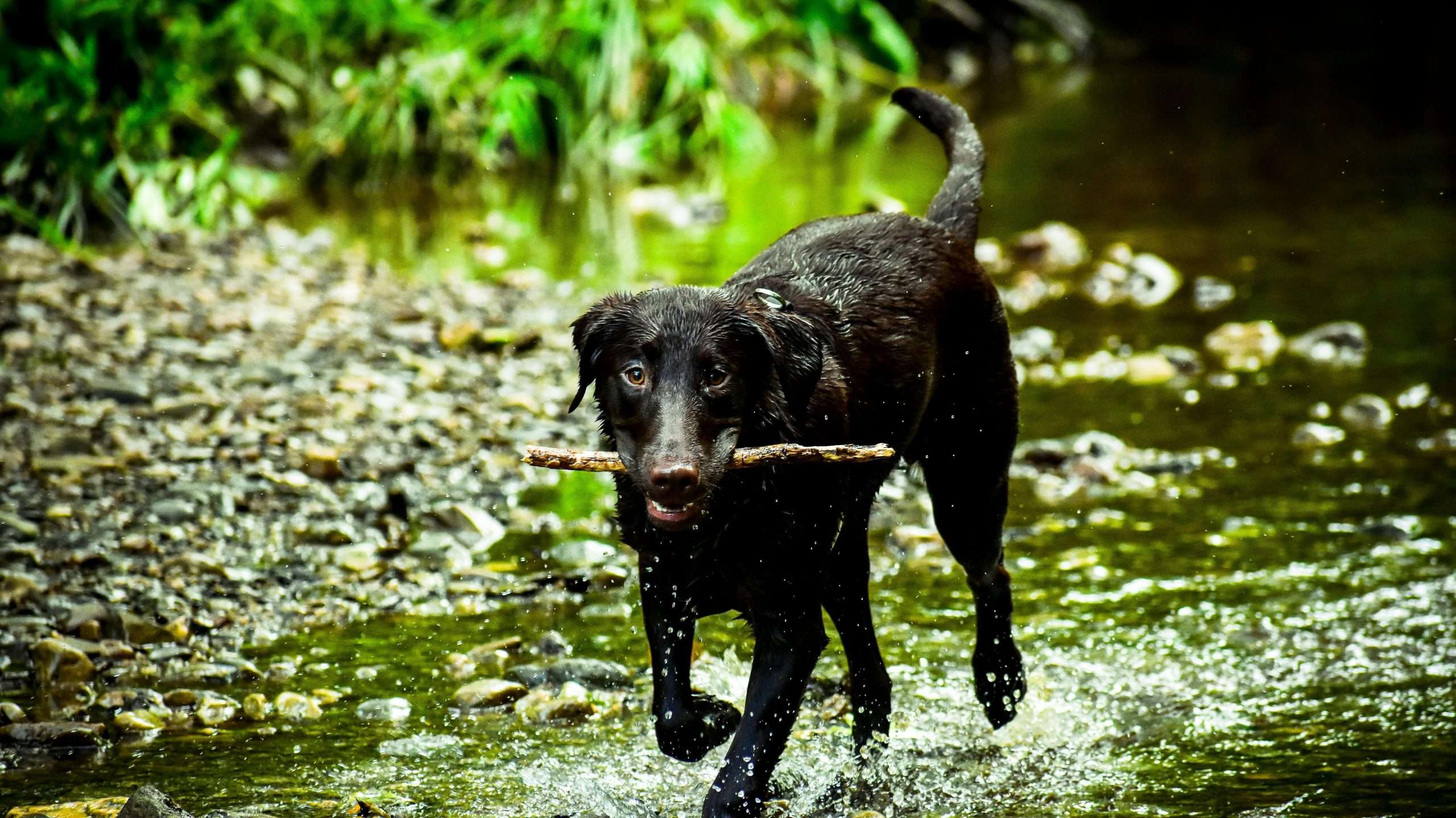
The period immediately following a hurricane can be just as dangerous as the storm itself. Post-hurricane dangers for dogs include contaminated water, debris, displaced wildlife, and damaged infrastructure. Keep your dog leashed during initial post-storm assessment, even in fenced areas, as familiar landmarks and scents may have changed.
Monitor your dog closely for signs of stress or illness in the days following the hurricane. Watch for unusual behaviors, changes in appetite, or digestive issues. Remember that the disruption to routine and environment can affect dogs both physically and emotionally.
The Importance of Preparation for Hurricane Safety
Creating and maintaining a comprehensive hurricane safety plan for your dog requires time, effort, and regular updates. However, the peace of mind knowing you’re prepared to protect your furry family member during a natural disaster is invaluable. Review and update your plans and dog hurricane safety kit at the start of each hurricane season, replacing expired items and updating contact information as needed.
Remember, your dog relies entirely on you for safety during natural disasters. By following these guidelines and staying prepared, you’ll be ready to face whatever weather challenges come your way. Start implementing these safety measures today – when a hurricane threatens, you’ll be glad you did.
We hope this guide on hurricane safety tips for your dog was helpful. Do check out our other blogs also.