How to Trim Your Dog’s Nails At Home Safely

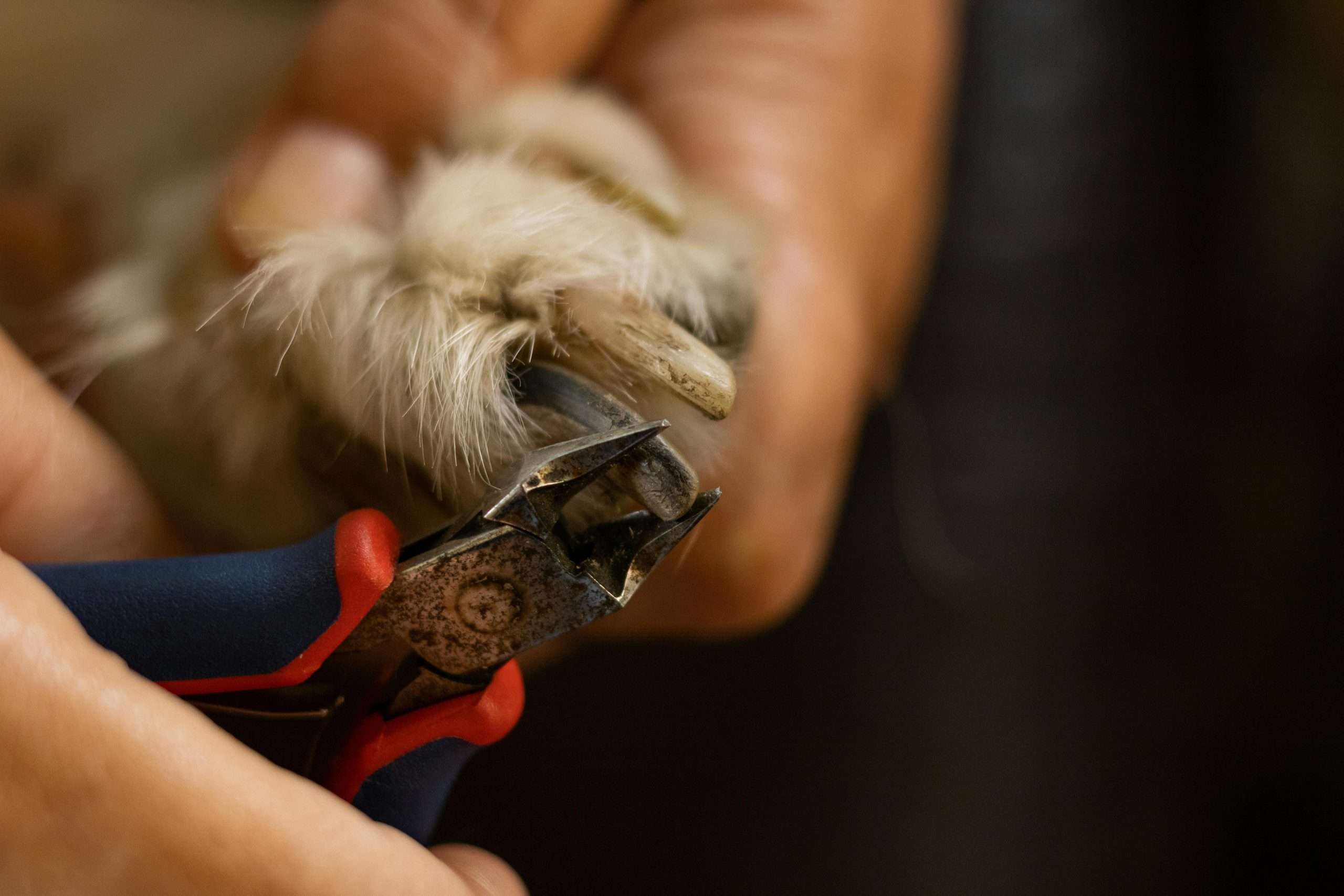
Tired of that constant click-clack on your floors? It’s probably time to trim your dog’s nails. Most dogs need a nail trim every 4-8 weeks, but many pet owners find this task intimidating. What if you could safely trim your dog’s nails at home, saving time and money?
This guide will show you how to transform nail trimming from a dreaded chore into a bonding experience. Whether you’re a novice or have been avoiding this task, you’re about to discover the secrets to successful at-home dog nail care.

Ready to give your pup a stress-free paw-dicure? Let’s get started on mastering the art of trimming your dog’s nails safely and confidently!
Why is it Important to Trim Your Dog’s Nails?
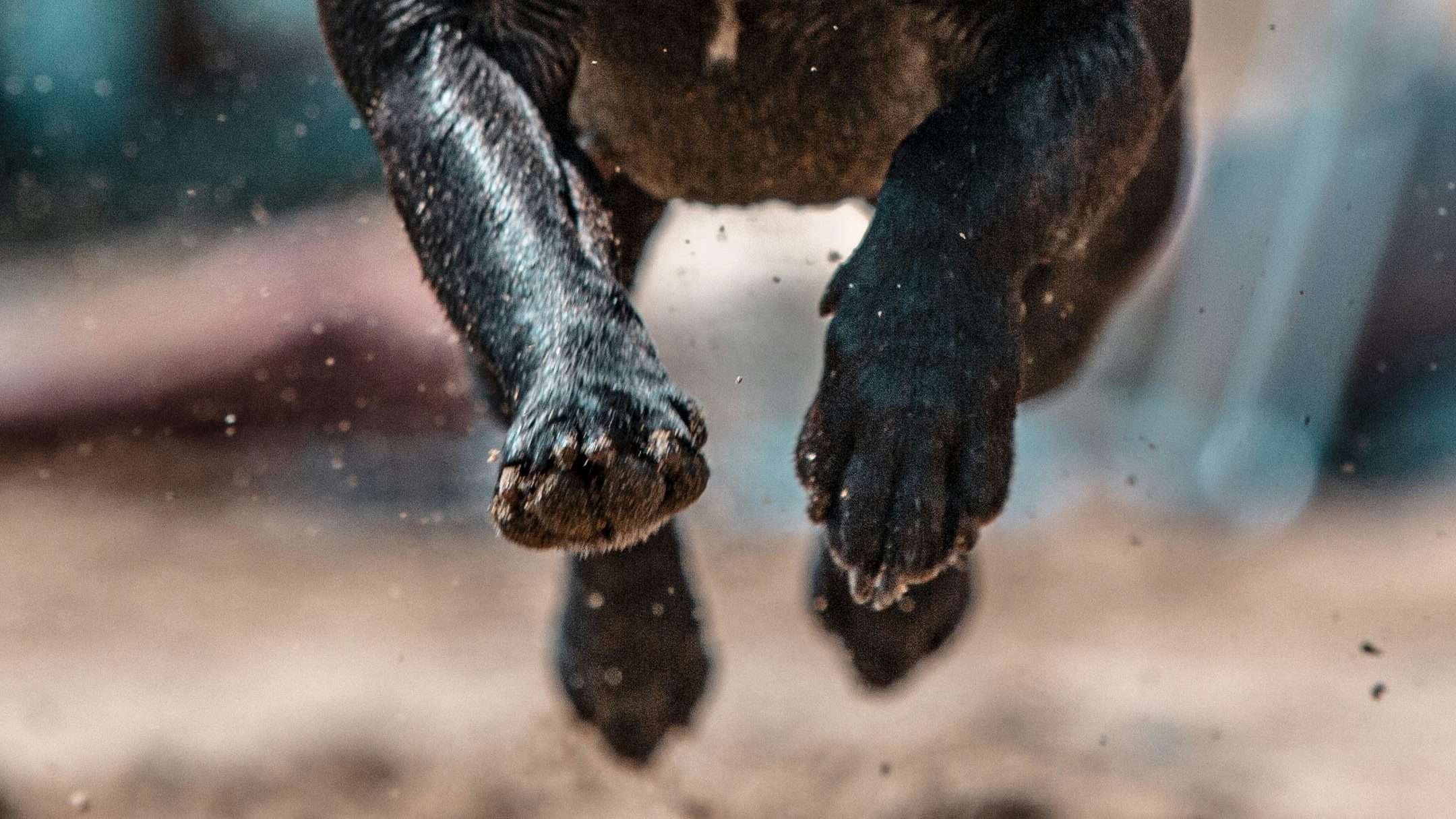
Regular nail trimming is crucial for your dog’s comfort and health. Overgrown nails can cause discomfort, affect your dog’s gait, and even lead to more serious health issues. When nails are too long, they can:
- Cause pain when walking
- Affect your dog’s posture
- Lead to joint problems
- Increase the risk of nail splitting or breaking
Understanding Dog Nail Anatomy
Before you start trimming your dog’s nails, it’s important to understand their anatomy. A dog’s nail consists of:
- The outer shell (hard part)
- The quick (inner part containing blood vessels and nerves)
The quick is the sensitive part you want to avoid cutting. In dogs with light-colored nails, the quick is often visible as a pink area. However, in dogs with dark nails, it can be more challenging to identify.
How Often Should You Trim Your Dog’s Nails?

The frequency of nail trims depends on various factors, including:
- Your dog’s activity level
- The surfaces they walk on regularly
- Their breed and individual nail growth rate
Generally, most dogs need their nails trimmed every 3-4 weeks. However, if you hear your dog’s nails clicking on hard floors, it’s probably time for a trim.
Preparing for the Nail Trim
Gathering the right tools and creating a comfortable environment are crucial for a successful nail trimming session.
Tools You’ll Need:
- Dog nail clippers (guillotine or scissors-style)
- Styptic powder (in case of bleeding)
- Treats for positive reinforcement
- A comfortable, non-slip surface for your dog to stand on
Creating a Positive Environment:
- Choose a quiet, well-lit area
- Have treats ready to reward your dog
- Remain calm and patient throughout the process
Step-by-Step Guide on How to Trim Your Dog’s Nails
- Get Your Dog Comfortable Start by letting your dog sniff and investigate the nail clippers. Offer treats and praise to create a positive association. You can also try introducing the sound of the clippers by using them on a piece of uncooked spaghetti near your dog. This helps them get used to the noise without any pressure.
- Handle Your Dog’s Paws Gently hold your dog’s paw and press on the pads to extend the nails. If your dog seems uncomfortable, practice this step for a few days before attempting to trim. Massage their paws regularly to desensitize them to touch. This can be done during quiet times, like when watching TV together.
- Identify the Quick Look for the pink area in light-colored nails. For dark nails, look for a chalky white ring or a sudden narrowing of the nail. You can also try shining a bright light behind the nail to help visualize the quick. Remember, it’s better to be cautious and trim less than risk cutting into the quick.
- Trim the Nail Hold the clipper at a 45-degree angle and cut small amounts at a time. It’s better to take off less and trim more frequently than to risk cutting the quick. Make sure to use sharp, good-quality clippers to ensure a clean cut. Dull clippers can crush the nail and cause discomfort.
- File if Necessary Smooth any rough edges with a nail file or grinder. This step helps prevent snagging and makes the nails more comfortable for your dog. If using a grinder, introduce it gradually as some dogs may be sensitive to the vibration and noise.
- Reward Your Dog Offer plenty of treats and praise throughout the process. Consider using high-value treats that your dog doesn’t get often to make the experience extra positive. You can also follow up the nail trimming session with a favorite activity, like a walk or playtime, to end on a high note.
Tips for Success
- Start Slow: If your dog is new to nail trimming, start by just touching their paws and gradually work up to trimming.
- Use Positive Reinforcement: Always associate nail trimming with positive experiences.
- Take Breaks: If your dog becomes stressed, take a break and try again later.
- Be Consistent: Regular, short sessions are often more successful than infrequent, long ones.
Dealing with Common Challenges
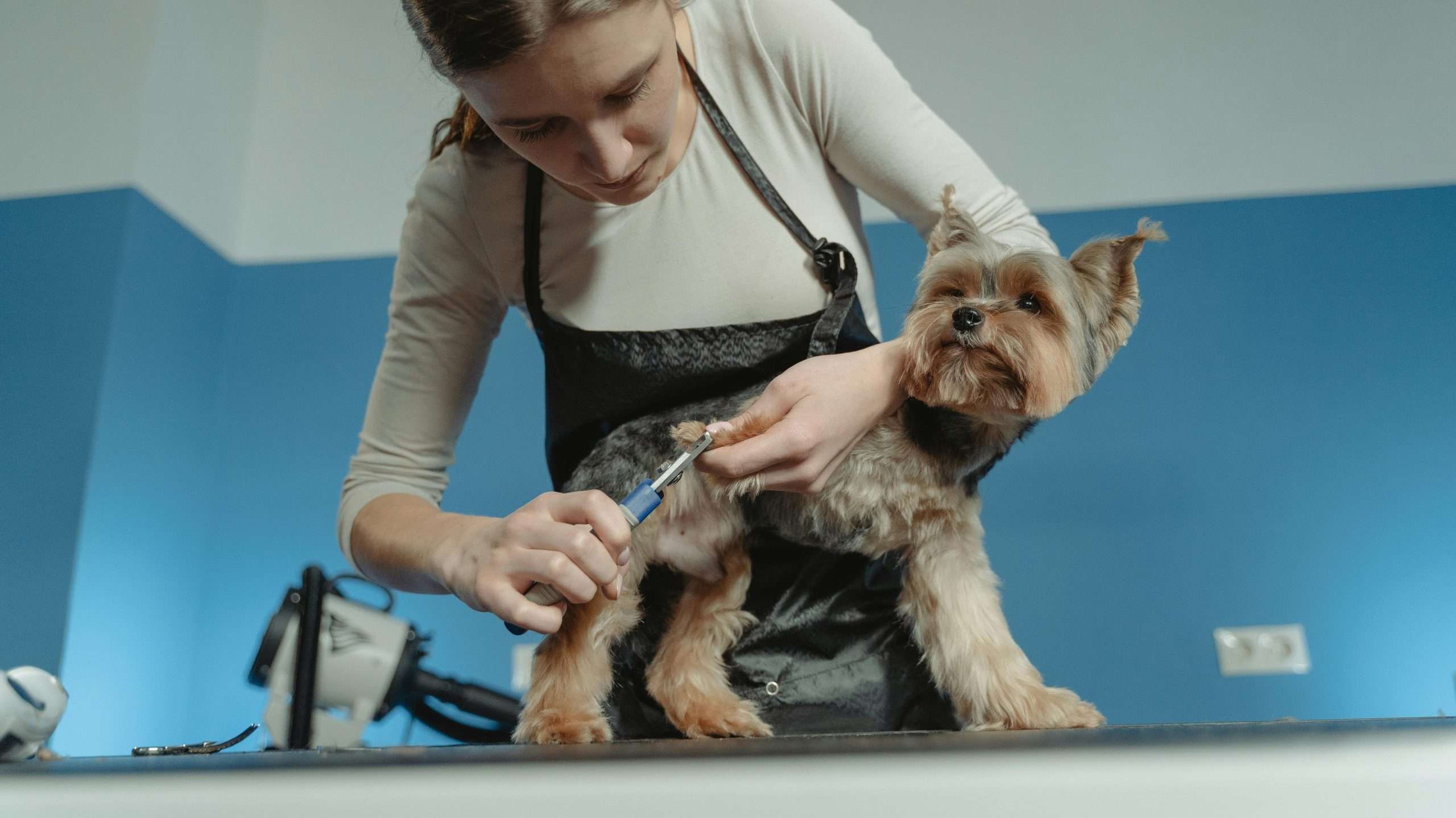
Wiggly Dogs:
- Have a helper hold your dog or use a grooming hammock
- Try trimming after exercise when your dog is more relaxed
Bleeding:
If you accidentally cut the quick:
- Apply styptic powder immediately
- Apply gentle pressure until the bleeding stops
- Comfort your dog and end the session on a positive note
Overgrown Nails:
For severely overgrown nails:
- Trim small amounts frequently (every few days)
- Consider seeking professional help for the initial trim
Alternatives to Clipping
Nail Grinders: Some dogs prefer nail grinders to clippers. These tools file down the nail gradually and can be less stressful for some pets.
Natural Wear: Regular walks on hard surfaces like concrete can help wear down nails naturally, reducing the frequency of trims needed.
When to Seek Professional Help
While trimming your dog’s nails at home is often manageable, there are times when professional help is necessary:
- If your dog is extremely anxious or aggressive during nail trims
- If you’re not confident in your ability to trim safely
- For dogs with very thick or overgrown nails
- If you notice any abnormalities in your dog’s nails or paws
Happy Paws!
Trimming your dog’s nails at home can be a rewarding experience that strengthens your bond with your pet. With patience, practice, and the right techniques, you can keep your dog’s nails at a healthy length safely and comfortably. Remember, every dog is different, so be patient and adjust your approach as needed. Regular nail care is an important part of your dog’s overall health, and with these tips, you’ll be able to handle this grooming task with confidence.
Hope you liked this guide on how to trim your dog’s nails safely at home. Check out our other blogs too!
Frequently Asked Questions
- How often should you trim your dog’s nails?
Most dogs need their nails trimmed every 3-4 weeks, but this can vary based on activity level and nail growth rate.
- What if I accidentally cut the quick?
Apply styptic powder immediately and apply gentle pressure until the bleeding stops. Comfort your dog and end the session positively.
- Can I use human nail clippers on my dog?
It’s not recommended. Dog-specific nail clippers are designed to cut through the thicker keratin in dog nails more effectively and safely.
- How do I know if my dog’s nails are too long?
If you hear clicking when your dog walks on hard surfaces, or if the nails touch the ground when your dog is standing, it’s time for a trim.
- Is it painful for dogs to have their nails trimmed?
When done correctly, nail trimming should not be painful. However, cutting into the quick can cause discomfort, which is why it’s important to trim carefully and regularly.

![How to Clean Dog Ears: At Home Edition [2024]](https://100dogbreeds.com/wp-content/uploads/2024/09/Dog-ears-e1725473739176-768x384.jpg)



![How to Choose Healthy Food for Your Dog [2024]](https://100dogbreeds.com/wp-content/uploads/2024/07/dog-healthy-food-768x512.jpg)