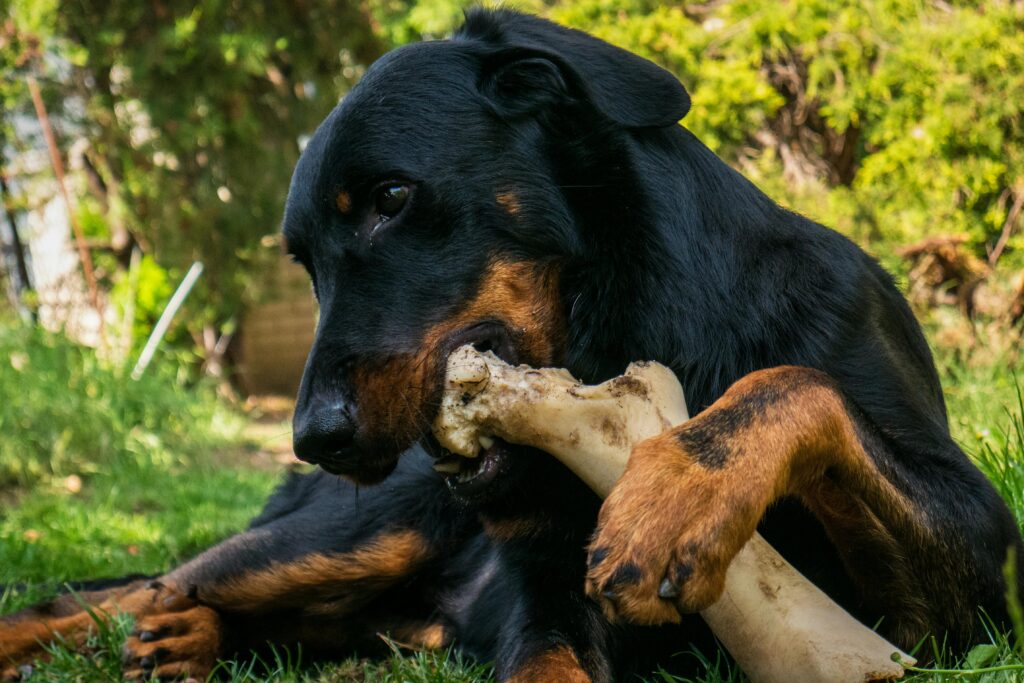
Dog bites: How to Prevent or Treat Them

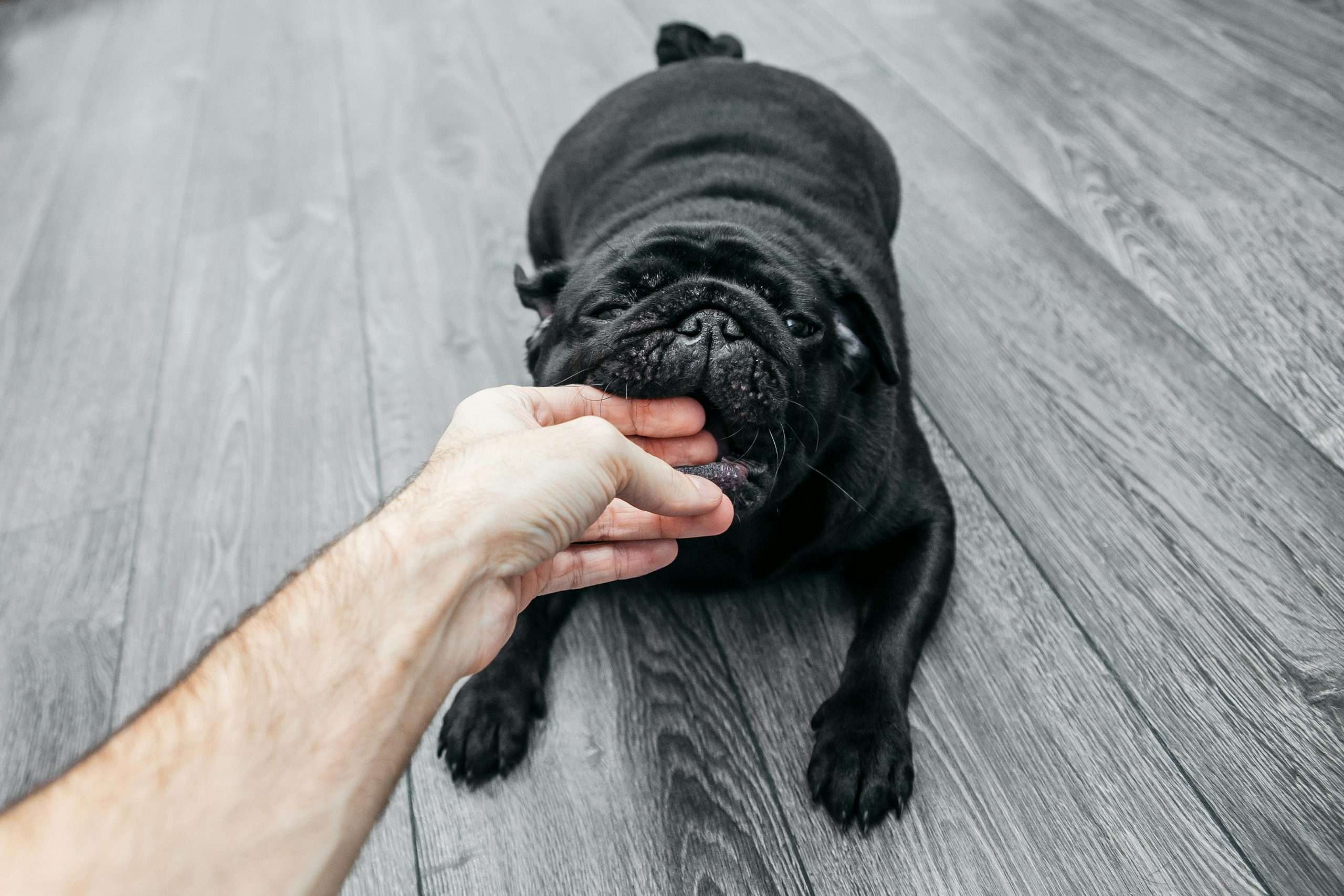
They’re known as man’s best friend, but even the friendliest dog can bite under the wrong circumstances. Every year, dog bites affect millions of people across the globe – especially children. While some of these incidents are minor, others lead to serious injuries that need immediate medical care. Understanding why dog bites happen, how to prevent them, and what to do if one occurs can make all the difference in reducing risk and promoting safety for both humans and dogs.
Why Do Dog Bites Happen?
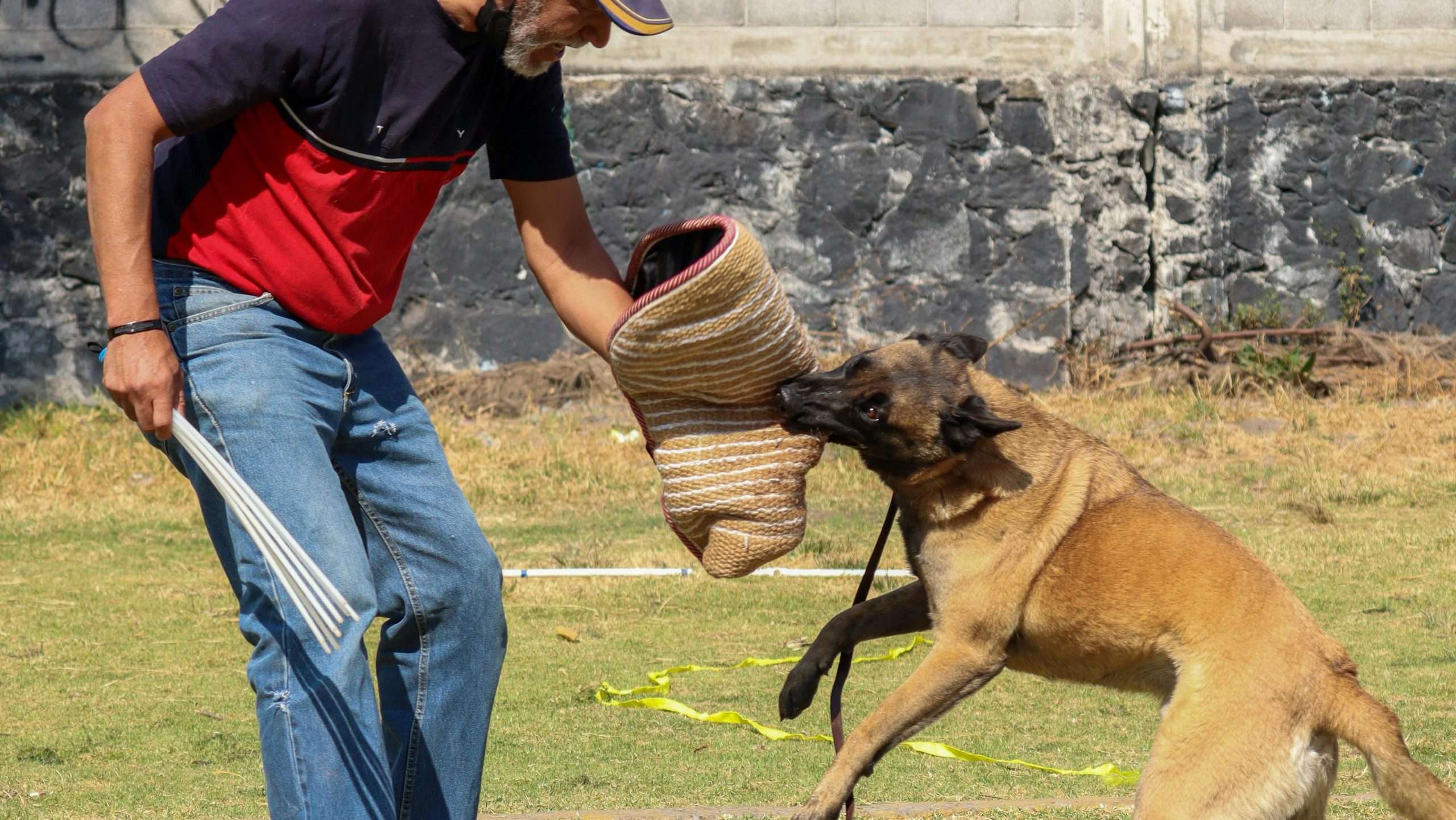
Despite popular assumptions, most dog bites don’t involve aggressive strays attacking strangers. In fact, many occur in familiar settings, involving dogs that the victim knows well. Family pets, neighbor’s dogs, or even a friend’s dog can suddenly react with a bite if they feel threatened, scared, or overwhelmed.

Dogs may bite as a reflexive reaction to fear, surprise, pain, or territorial instincts. A dog that’s startled while sleeping, approached while eating, or feels protective of their toys or puppies can respond with a snap or full bite. Children, due to their smaller size and unpredictable movements, are more likely to be bitten—and more severely.
Dr. Christopher Baugh, an emergency medicine expert, emphasizes that a dog’s body language often signals discomfort before it bites. Growling, raised fur, stiff posture, and showing teeth are clear signs that the dog is feeling stressed or defensive. Unfortunately, these signs are often ignored, especially by children who don’t yet understand canine behavior.
Common Triggers for Dog Bites
Understanding what leads to dog bites is the first step to preventing them. Common triggers include:
- Resource guarding: A dog becomes protective of its food, toys, or space.
- Fear or anxiety: Loud noises, unfamiliar people, or overwhelming environments.
- Startling a dog: Waking a dog suddenly or approaching from behind.
- Pain or illness: Dogs in pain or feeling unwell are more likely to bite.
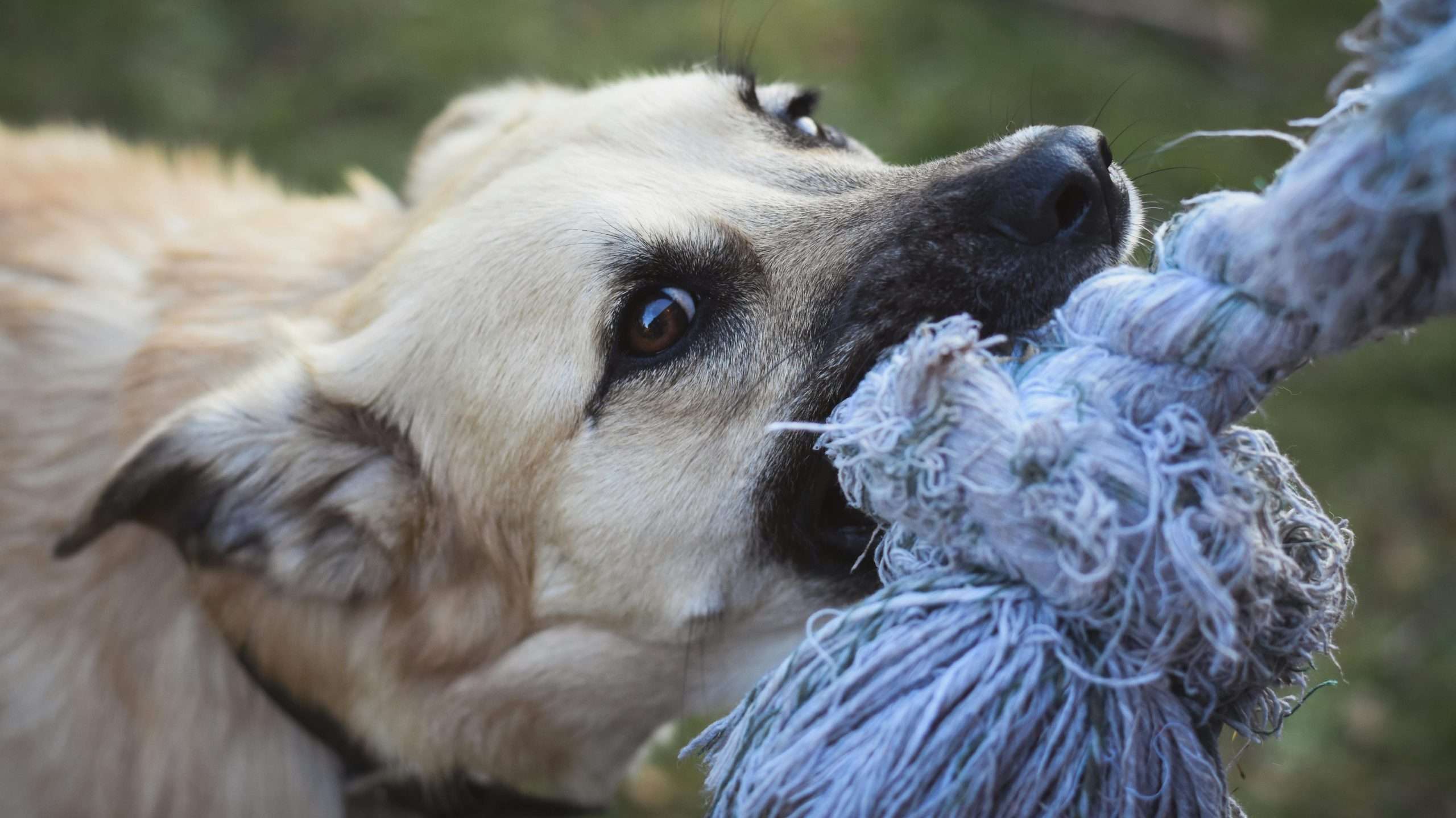
- Rough play: Tug-of-war or wrestling can sometimes escalate into aggressive behavior.
How to Prevent Dog Bites
Whether you’re a dog owner or simply someone who interacts with dogs occasionally, taking the right precautions can help avoid dangerous situations. Here are ways to reduce the risk:
Supervise All Child-Dog Interactions
Never leave young children alone with any dog, no matter how gentle it may seem. Teach children not to disturb dogs while they’re eating, sleeping, or caring for puppies. Many dog bites involving kids happen during unsupervised play or when a child hugs or kisses a dog, unknowingly making it uncomfortable.

Approach Dogs Cautiously
If you’re approaching an unfamiliar dog, always ask the owner’s permission before petting. Let the dog sniff your hand and make the first move. Avoid sudden movements, loud voices, or leaning directly over the dog’s head.
If a loose dog approaches you, stay calm. Don’t scream or run. Stand sideways, avoid direct eye contact, and say “no” or “go home” in a firm tone. Wait for the dog to lose interest or back away slowly.
Choose the Right Dog for Your Household
If you’re considering bringing a dog into your home, research breeds and temperaments to find one that suits your lifestyle. Meet the dog before adopting and ask questions about its history, especially if it’s a rescue.
Socialize and Train Your Dog
Proper socialization helps dogs feel more comfortable in different environments and around various people and animals. Start from an early age if possible. Obedience training can also reduce aggressive tendencies and improve the way your dog reacts to stress.
What to Do if You’re Bitten
Even with the best precautions, dog bites can still happen. How you respond in those first few moments matters a lot.
Clean the Wound Immediately
Use mild soap and running water to thoroughly clean the area. Gently press a clean towel or cloth over the wound to stop any bleeding. Afterward, cover it with a sterile bandage. If the injury appears minor and you know the dog is vaccinated and healthy, you can monitor the wound at home.
When to Seek Medical Help
Seek medical attention if:
- The bite is deep, bleeding heavily, or located on the face or hands.
- There are signs of infection (redness, swelling, pus, or warmth).
- You don’t know the dog’s vaccination history.
- You haven’t had a tetanus shot in the last 10 years.
- You have underlying health conditions like diabetes or a weakened immune system.
Urgent care clinics are usually equipped to handle moderate wounds, but head to the emergency room for severe injuries, especially those involving bone or nerve damage.
Related reads:
Dog Vaccinations: Everything You Need to Know [2024]
What to Expect at the Doctor’s Office
When treating dog bites, a healthcare provider will clean the wound again, potentially remove dead tissue, and assess whether stitches are needed. While stitches help minimize scarring, they may increase the risk of infection in some bite wounds, so the decision is made on a case-by-case basis.
You might be prescribed antibiotics if there’s a high risk of infection. In rare cases where the dog’s rabies vaccination status is unknown, the doctor may begin a post-exposure rabies vaccine series.
Your doctor will also check whether your tetanus shot is current and administer one if needed.
What If It’s a Minor Bite?
Not all dog bites need urgent medical intervention. If the bite is shallow, from a healthy and vaccinated family dog, and isn’t showing signs of infection, basic wound care might be enough. Clean the area daily, apply antibiotic ointment, and monitor for changes. That said, even seemingly minor bites on fingers or hands should be watched closely due to the high risk of infection in those areas.
Reporting a Dog Bite
If you’ve been bitten by a dog you don’t know—or if the dog appears aggressive or unwell—it’s important to report the incident to local authorities or animal control. This helps ensure public safety and allows officials to confirm the dog’s vaccination records or quarantine it if necessary.
Reporting also creates a documented record of the incident in case complications arise or legal steps are needed later.
Helping a Loved One Recover
Physical healing is just one part of the recovery process after a dog bite. The emotional impact, especially on children, can be lasting. Nightmares, fear of dogs, and general anxiety are common. Be patient, offer support, and consider professional counseling if the psychological effects linger.
Preventing Future Bites
If your own dog was responsible for biting someone, take it seriously. Consult your vet to rule out health issues. Work with a professional dog trainer or animal behaviorist to understand what triggered the bite and how to prevent it from happening again.
Sometimes, it may be necessary to make changes to the dog’s routine, environment, or supervision level to keep everyone safe. Neutering or spaying, improved socialization, and setting clearer boundaries can all help.
Final Thoughts
Dog bites are more common than most people realize, but they’re also largely preventable. Learning how to interpret dog behavior, respond calmly in stressful situations, and treat wounds properly can go a long way in reducing the harm these incidents cause. Whether you’re a dog owner or just someone who encounters dogs regularly, awareness and caution are your best tools for safety.


![The Responsibility of Raising Kids and Dogs Together [2025]](https://100dogbreeds.com/wp-content/uploads/2025/04/pexels-jenny-uhling-2262740-17807527-768x512.jpg)