How to Train a Rottweiler: 7 Tips & Tricks


Rottweilers are known for their loyalty, intelligence, and strength. While these traits make them excellent companions, they also highlight the importance of proper training. Training a Rottweiler requires dedication, consistency, and understanding of the breed’s unique characteristics.
This article provides you with 7 essential tips and tricks to help you successfully train a Rottweiler.

Understanding Rottweilers
Before diving into the training process, it’s crucial to understand the Rottweiler breed. Originally bred as working dogs, Rottweilers have a natural instinct to protect and a strong desire to please their owners. These traits make them highly trainable, but also require a firm and consistent approach to training.
Rottweilers are:
- Intelligent and quick learners
- Loyal and protective
- Strong-willed and sometimes stubborn
- Energetic and require regular exercise
With these characteristics in mind, let’s explore the 7 tips and tricks to train a Rottweiler effectively.
1. Start Training Early

One of the most critical aspects of Rottweiler training is to start early. The ideal time to begin training is when you bring your Rottweiler puppy home, typically around 8-10 weeks old. Early training helps to:
- Establish good habits from the start
- Prevent the development of behavioral issues
- Take advantage of the puppy’s receptive learning phase
Remember, while it’s best to start early, it’s never too late to train a Rottweiler. Adult Rottweilers can also learn new behaviors with patience and consistency.
2. Use Positive Reinforcement
Positive reinforcement is a cornerstone of effective Rottweiler training. This method involves rewarding desired behaviors to encourage their repetition. When training a Rottweiler, consider the following:
- Use treats, praise, and toys as rewards
- Timing is crucial – reward immediately after the desired behavior
- Be consistent with your rewards and commands
Avoid punishment-based training methods, as they can lead to fear or aggression in Rottweilers. Instead, focus on rewarding good behavior to build a strong, trusting relationship with your dog.
3. Socialize Your Rottweiler
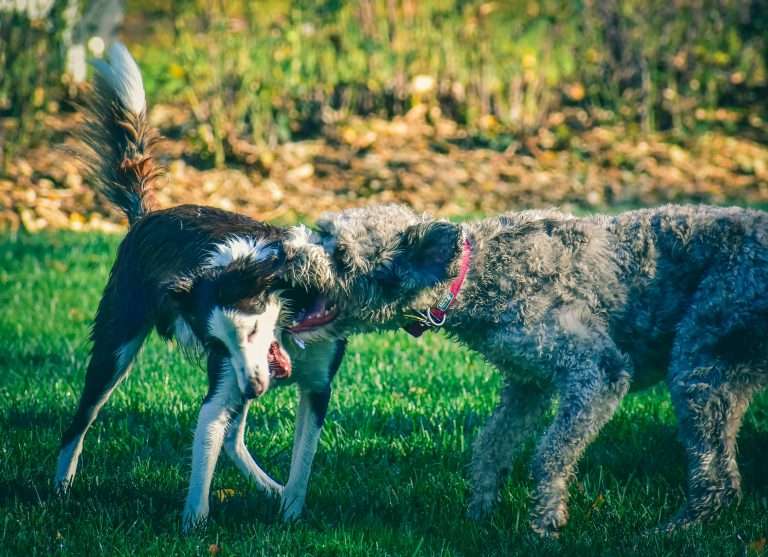
Socialization is a crucial aspect of training a Rottweiler. Proper socialization helps prevent fear and aggression towards unfamiliar people, animals, and situations. To effectively socialize your Rottweiler:
- Expose them to various environments, people, and animals from an early age
- Ensure all experiences are positive and controlled
- Continue socialization throughout your dog’s life
Remember, a well-socialized Rottweiler is more likely to be confident and well-behaved in various situations.
4. Establish Clear Leadership

Rottweilers respect strong leadership. As their owner, it’s important to establish yourself as the pack leader. This doesn’t mean being harsh or domineering, but rather:
- Set clear rules and boundaries
- Be consistent in enforcing these rules
- Use a firm but calm voice for commands
- Provide structure in daily routines
By establishing clear leadership, you’ll make the training process smoother and help your Rottweiler understand their place in the family hierarchy.
5. Provide Mental and Physical Stimulation
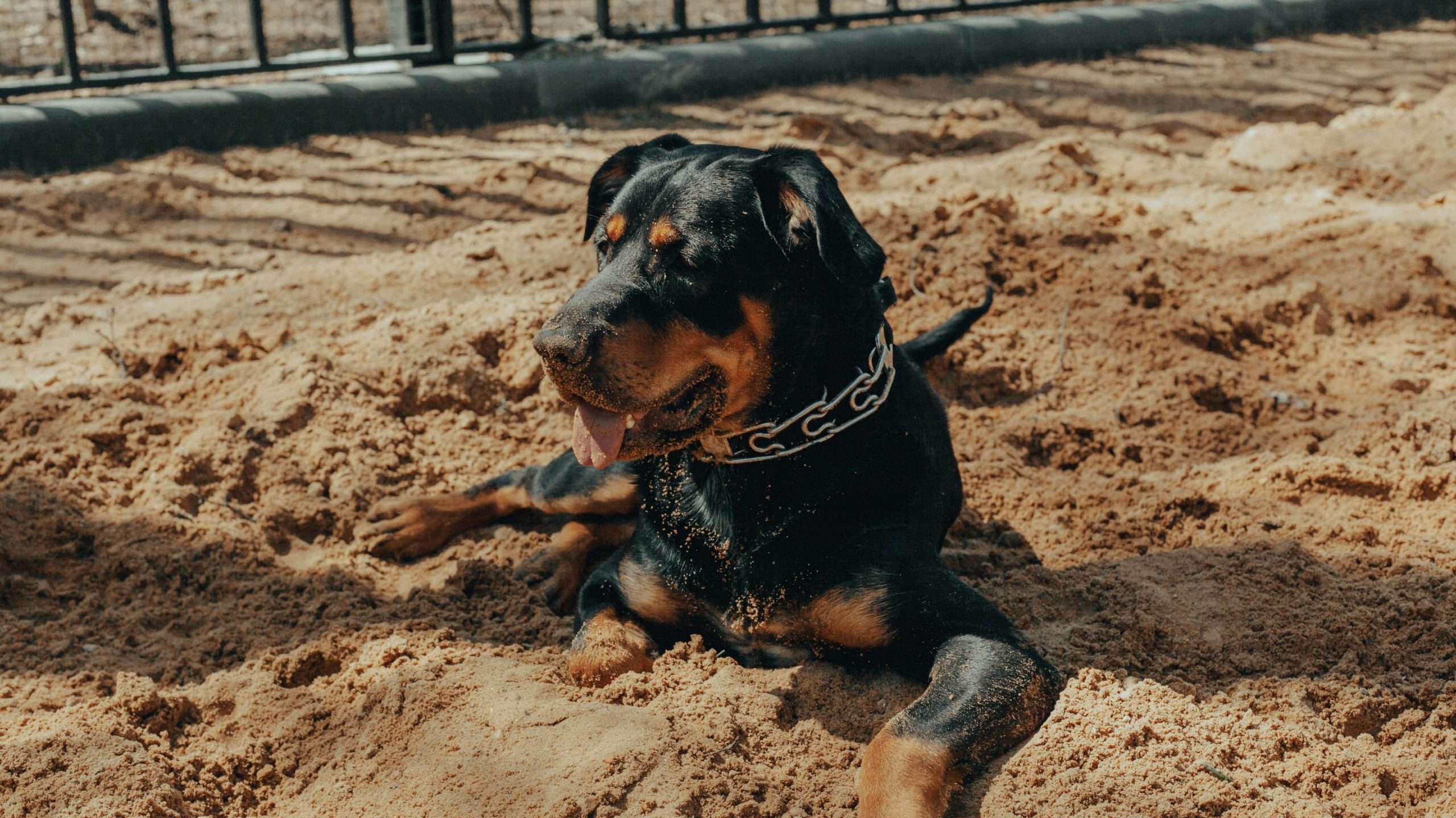
Rottweilers are intelligent and energetic dogs that require both mental and physical stimulation. Incorporating this into your training routine can help prevent boredom and associated behavioral issues. Consider:
- Regular exercise (walks, runs, play sessions)
- Puzzle toys and interactive games
- Obedience training sessions
- Agility or other dog sports
A well-exercised and mentally stimulated Rottweiler is more likely to be calm and receptive during training sessions.
6. Teach Basic Commands
Teaching basic commands is fundamental to Rottweiler obedience training. Start with essential commands such as:
- Sit
- Stay
- Come
- Down
- Heel
When teaching these commands:
- Use clear, consistent verbal cues
- Incorporate hand signals along with verbal commands
- Practice in various environments to ensure your Rottweiler responds consistently
As your Rottweiler masters these basics, you can move on to more advanced commands and tricks.
7. Be Consistent and Patient
Training a Rottweiler is not a one-time event but an ongoing process. Consistency and patience are key to success. Remember to:
- Practice training exercises daily
- Keep sessions short (5-10 minutes) but frequent
- Be patient – some skills may take longer to master than others
- Remain calm and positive, even when progress seems slow
With consistency and patience, your Rottweiler will gradually learn and retain the behaviors you’re teaching.
The above are the tips and tricks on how to train a Rottweiler.
Common Challenges in Training a Rottweiler
While Rottweilers are generally eager to please and trainable, you may encounter some challenges:
- Stubbornness: Rottweilers can be strong-willed. Stay patient and consistent in your training approach.
- Overprotectiveness: Proper socialization can help mitigate excessive protective behaviors.
- Strength: As powerful dogs, Rottweilers may be challenging to control physically. Focus on obedience training to manage this.
Advanced Rottweiler Training Techniques
Once your have mastered basics on how to train a Rottweiler, you might consider advanced training:
- Agility training
- Scent work
- Therapy dog training
- Advanced obedience competitions
These activities can provide additional mental and physical stimulation for your Rottweiler while strengthening your bond.
Happy Training!
Training a Rottweiler requires dedication, consistency, and understanding. By following these 7 tips and tricks – starting early, using positive reinforcement, socializing, establishing leadership, providing stimulation, teaching basic commands, and being consistent and patient, you can help your Rottweiler become a well-behaved and balanced companion.
Remember, every dog is unique, and what works for one Rottweiler may not work for another. Be prepared to adjust your training methods as needed, and don’t hesitate to seek professional help if you encounter persistent issues.
With proper training, your Rottweiler can become not just a loyal protector, but a well-mannered family member and a joy to be around.
Hope this blog on how to train a Rottweiler was helpful to you. Do check out our other blogs too!
FAQs about Training a Rottweiler
- How long does it take to train a Rottweiler?
Training is an ongoing process, but you can expect to see significant progress within a few months of consistent training.
- Are Rottweilers hard to train?
Rottweilers are generally intelligent and eager to please, making them relatively easy to train with consistent, positive methods.
- Can Rottweilers be trained as service dogs?
Yes, with proper training, Rottweilers can excel as service dogs due to their intelligence and loyalty.
- How do I stop my Rottweiler from being aggressive?
Early socialization, proper training, and addressing any underlying issues with a professional dog trainer or behaviorist can help prevent or manage aggressive behaviors.
- What age should I start training my Rottweiler puppy?
You can start basic training and socialization as soon as you bring your puppy home, typically around 8-10 weeks old.