How to Tell if Your Dog Loves You

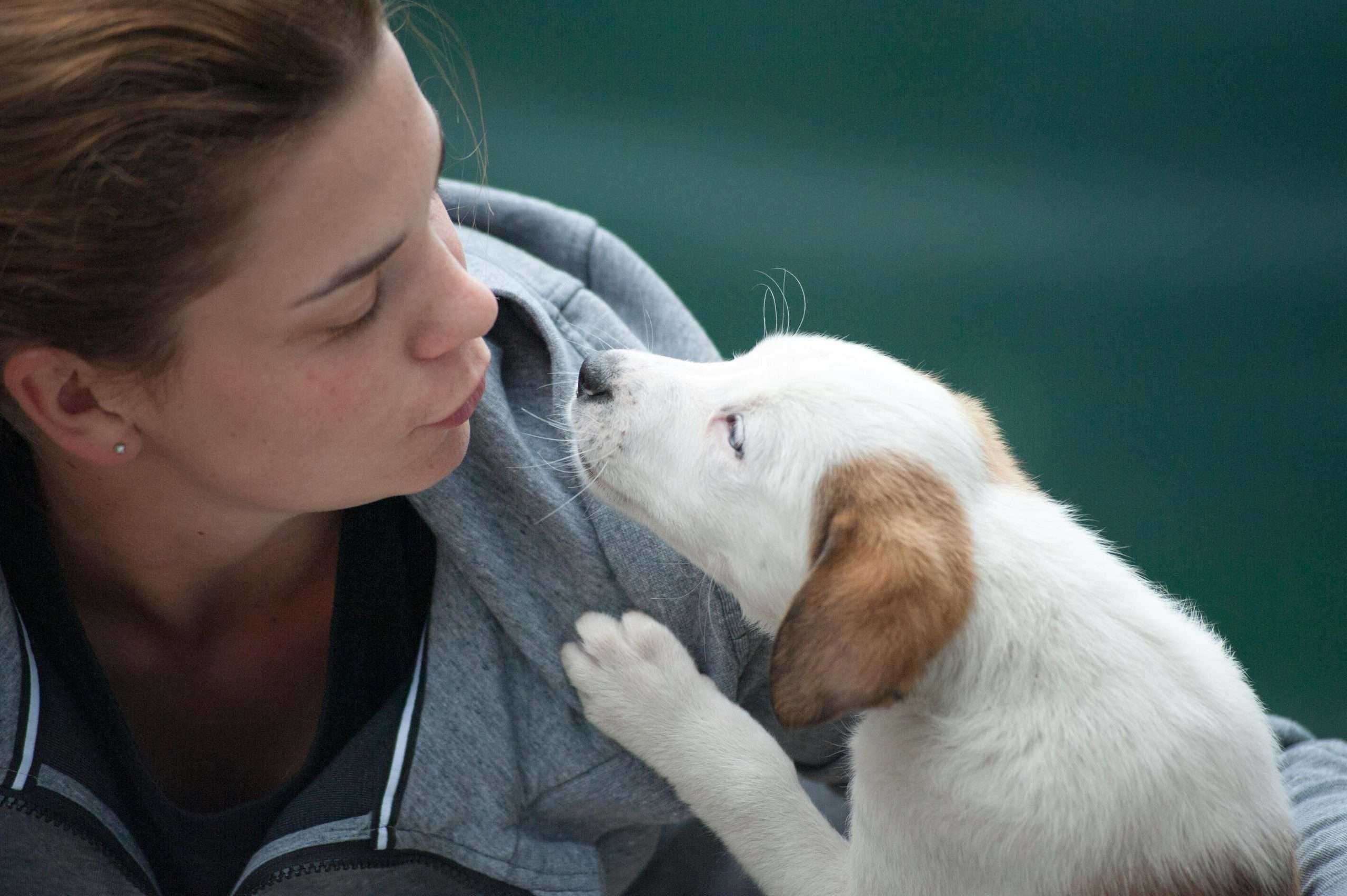
Have you ever wondered, “Does my dog truly love me?” It’s a question that tugs at the heart of every pet owner. The good news is that science and behavior experts have some heartwarming insights into how dogs love you in ways both subtle and spectacular. In this article, let us cover 4 clear signs that your dog loves you.
Understanding Canine Affection
The bond between humans and dogs is one of the most remarkable relationships in nature. Unlike other animals, dogs have evolved alongside humans for thousands of years, developing an extraordinary ability to connect emotionally. When people ask, “How do I know my dog loves you?” the answer is both complex and wonderfully simple.

The Science of Canine Emotions
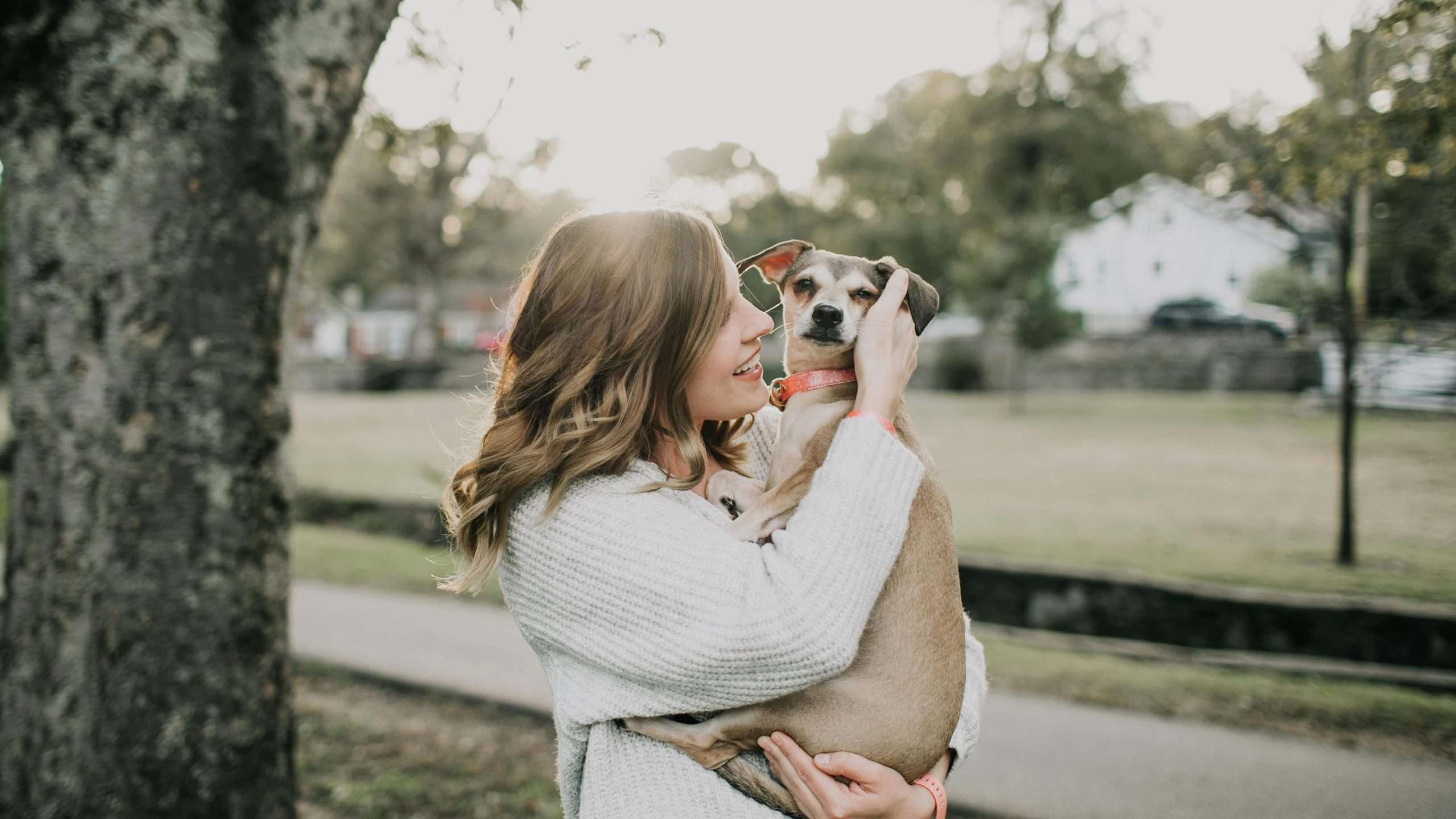
Research provides fascinating evidence of how deeply dogs can love. A groundbreaking study by Therese Rehn demonstrated that dogs form unique emotional attachments to their owners. When placed in a room with both their owner and a stranger, dogs consistently showed more comfort and exploratory behavior around their human companions. This scientific insight proves that a dog loves you in ways that go far beyond simple companionship.
Clear Signs Your Dog Loves You
1. Excited Greetings
The moment you walk through the door, your dog’s reaction speaks volumes. Whether you’ve been gone for five minutes or five hours, that tail-wagging, potentially jumping, enthusiastic welcome is a crystal-clear message: your dog loves you unconditionally. This isn’t just excitement – it’s pure, unbridled joy at your return.
2. Physical Affection
Dogs express love through physical contact in remarkably human-like ways:
- Cuddling: When your dog seeks to be close to you, it’s more than just seeking warmth. A dog loves you by wanting to be physically near you, releasing oxytocin – the “love hormone” – for both of you.
- Leaning: A dog leaning against you is saying, “I trust you completely.” This vulnerable position is a profound declaration of love and security.
3. Unique Communication Methods
- Licking is more than just a wet kiss. When your dog licks you, they’re showing affection, releasing feel-good endorphins, and essentially saying, “I love you!”
- Prolonged eye contact is another powerful sign. Unlike in the wild, where direct eye contact can be threatening, your dog staring into your eyes is a sign of deep trust and love.
4. Behavioral Signs of Deep Connection
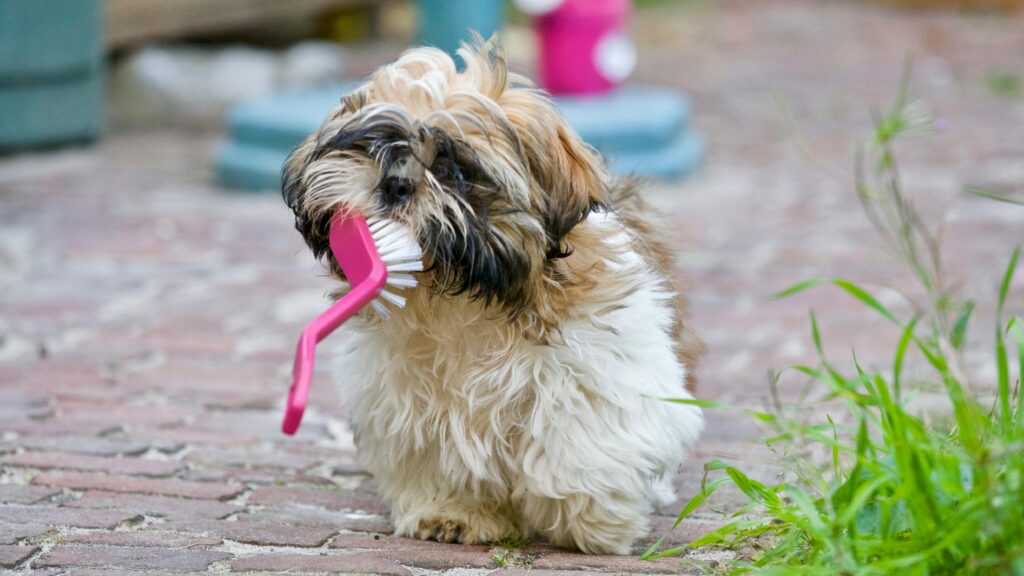
- Bringing You Toys: When your dog presents their favorite toy, they’re not just inviting play. They’re sharing their most precious possession, which is a clear sign that your dog loves you.
- Protective Instincts: Following you around, checking on you, and being alert to potential dangers are ways dogs demonstrate their love and commitment.
Related reads:
Why Does My Dog Stare At Me? 3 Common Reasons [With Tips]
The Emotional Intelligence of Dogs
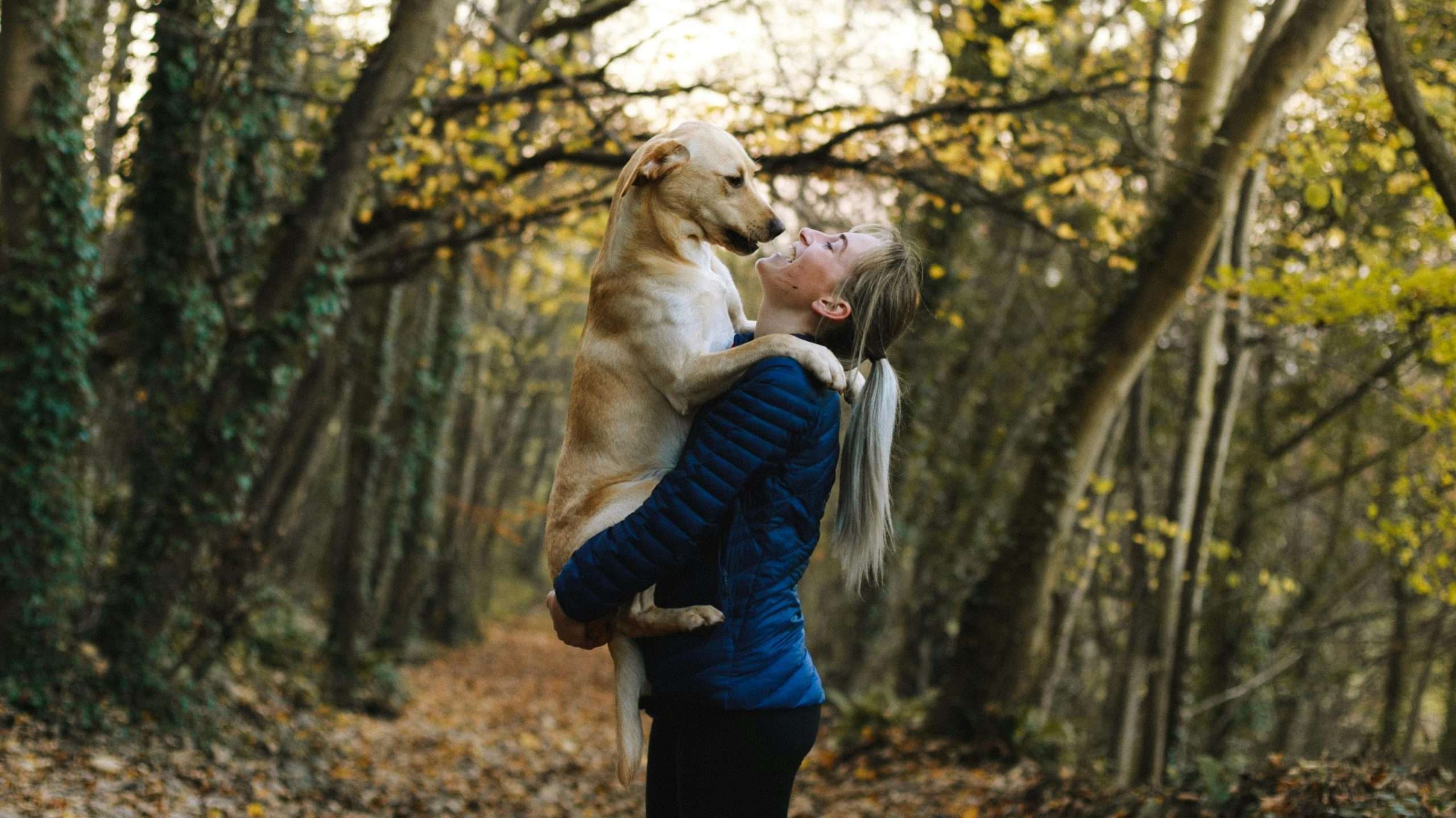
Scientific studies have revealed something remarkable about how dogs love you. Using advanced brain imaging techniques, researchers discovered that dogs are more excited by their owner’s scent than by food – a powerful indicator of emotional attachment.
Emotional Synchronization
Dogs are naturally attuned to human emotions. They can:
- Sense when you’re sad
- Provide comfort during difficult times
- Adjust their behavior to match your emotional state
This emotional intelligence is a testament to how deeply a dog loves you.
Personal Variations in Canine Love
It’s crucial to remember that each dog is unique. While these signs are common, your dog might have personal, special ways of showing affection. Pay attention to their individual quirks and behaviors.
Nurturing the Bond
Strengthening your connection with your dog goes far beyond basic care. Here are comprehensive strategies to deepen your relationship.
Spend Quality Time Together
Engage in daily interactive play sessions that create meaningful connections. Take regular walks and explore new environments together, creating shared experiences that build trust. Create consistent routines that include dedicated one-on-one time. Try diverse activities like hiking, attending training classes, playing puzzle games, or enjoying fetch. The key is to be fully present during these moments, putting away distractions like phones and focusing entirely on your dog.
Provide Consistent Care
Maintaining a regular feeding schedule provides your dog with a sense of security and predictability. Ensure high-quality nutrition tailored to their age and health needs. Regular veterinary check-ups are crucial for monitoring their overall well-being. Consistent grooming and hygiene practices not only keep your dog healthy but also strengthen your bond through gentle, caring interactions. Create a safe, comfortable living environment that makes your dog feel protected and loved.
Respect Their Individual Personality
Every dog is unique, with distinct traits and preferences. Carefully observe and understand your dog’s individual characteristics. Recognize their comfort levels with social interactions, physical touch, and new environments. Avoid forcing interactions that cause them stress, and instead adapt your approach to match their specific temperament. Learning their particular communication signals and body language helps you respond more effectively and build deeper mutual understanding.
Communicate Through Positive Reinforcement
Positive reinforcement is the most effective way to build trust and encourage desired behaviors. Use reward-based training techniques that focus on celebrating good actions rather than punishing mistakes. Offer treats, praise, and affection when your dog demonstrates behaviors you want to encourage. Be consistent and patient with training, using a calm and encouraging tone of voice. This approach helps your dog feel supported and motivated to please you.
Physical and Emotional Connection
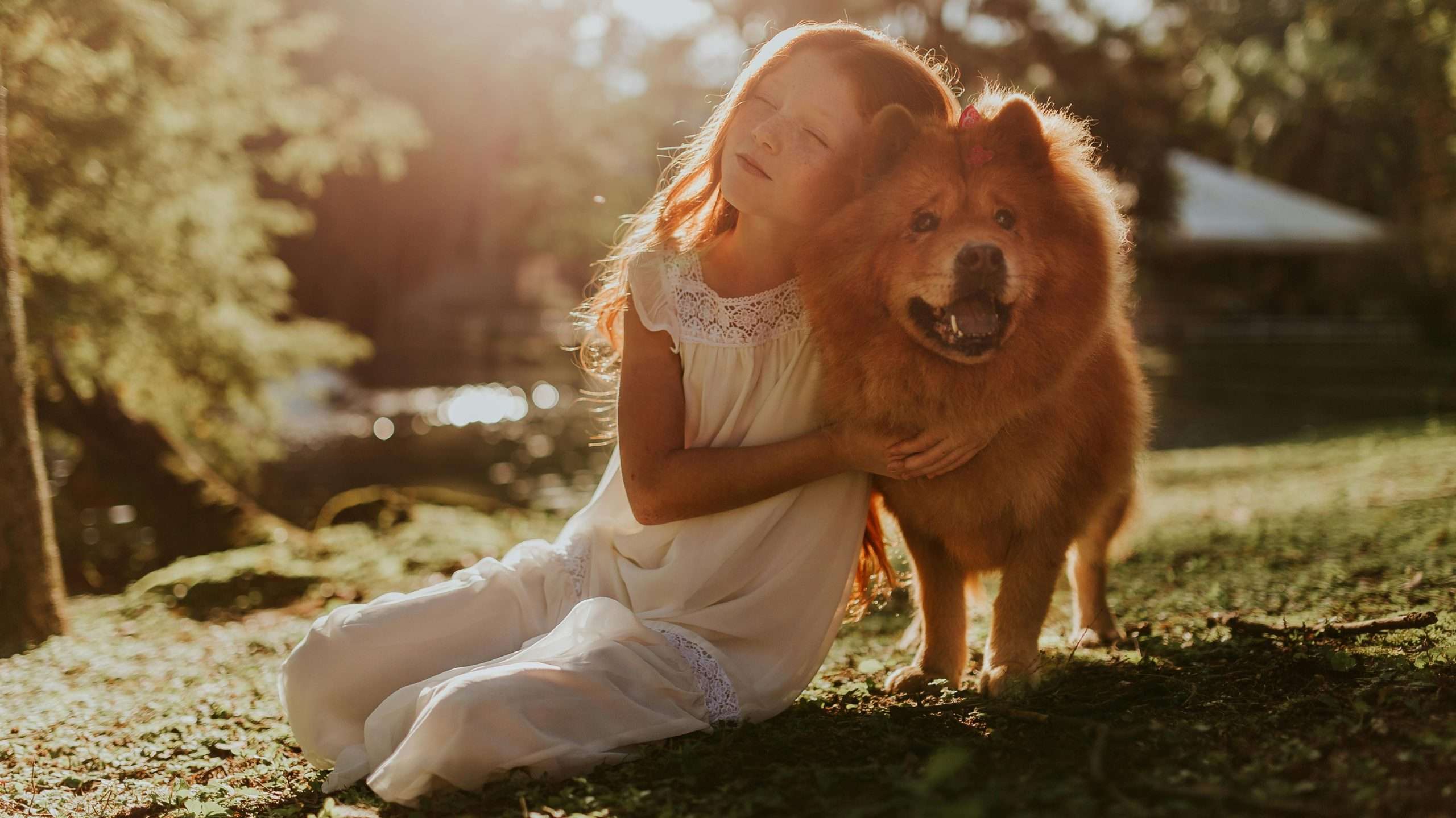
Practice gentle, consensual touch that respects your dog’s boundaries. Learn to recognize and respect their personal space while also offering comfort and affection. Engage in calm, soothing interactions that help your dog feel safe and loved. Gentle massages can be an excellent way to build trust and provide physical comfort. Practice calm greetings and goodbyes that help your dog feel secure in your relationship.
Mental Stimulation
Keep your dog’s mind active and engaged by providing challenging toys and puzzles. Regularly rotate toys to maintain their interest and prevent boredom. Teach new tricks that challenge their cognitive abilities and provide mental exercise. Create exciting scent games and treasure hunts that tap into their natural instincts. Safely expose them to new experiences that broaden their understanding of the world and keep their mind sharp.
Saying Goodbye – A Love Beyond Words
The phrase “Dog Loves You” isn’t just a cute saying – it’s a profound truth backed by science, observation, and millions of wagging tails. Your dog doesn’t just tolerate you; they choose to love you with every fiber of their being.
So the next time you wonder, “Does my dog really love me?” look into those loyal eyes, feel that warm cuddle, and know the answer is a resounding YES.
Frequently Asked Questions
How Can I Tell if My Dog is Unhappy?
Signs of potential unhappiness or stress include excessive sleeping, loss of appetite, reduced interest in play, increased aggression or withdrawal, changes in bathroom habits, excessive licking or grooming, and destructive behavior. If you notice these signs persistently, consult a veterinarian or professional animal behaviorist to address potential underlying issues.
Do Dogs Experience Jealousy?
Scientific studies have shown that dogs can indeed experience a form of social jealousy. They can feel possessive about their owners’ attention and may display behaviors to compete for affection. Dogs react when owners show attention to other pets or people, demonstrating complex emotional responses similar to human toddlers. This doesn’t mean they love you less, but rather that they deeply value their connection with you.
How Long Does It Take to Build a Strong Bond with a New Dog?
The bonding process varies significantly depending on multiple factors. Initial trust can develop within days to weeks, but deep, meaningful bonds typically take months of consistent interaction. Rescue or adopted dogs might require more time due to past experiences. Factors affecting bond speed include the dog’s previous experiences, your consistency, time spent together, training approach, and the individual dog’s personality. Patience, love, and consistent positive interactions are absolutely crucial to building a strong, lasting relationship.
![Understanding and Preventing Hip Dysplasia in Dogs [2024]](https://100dogbreeds.com/wp-content/uploads/2024/07/Hip-Dysplasia-in-Dogs-768x512.jpg)