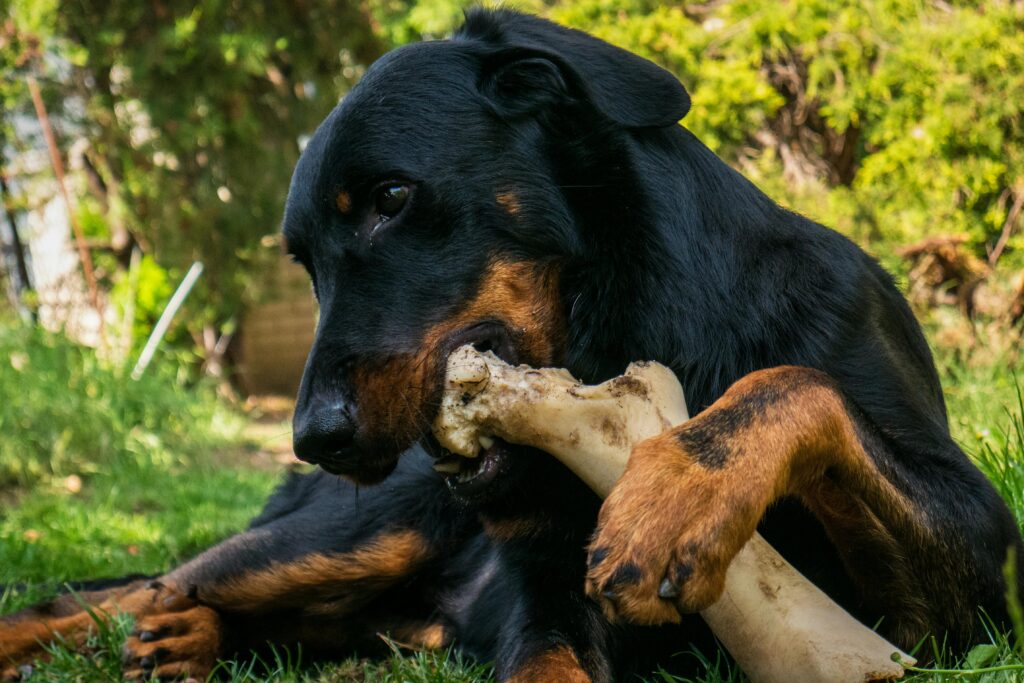
How To: Shoot a Stunning Dog Portrait Outdoors

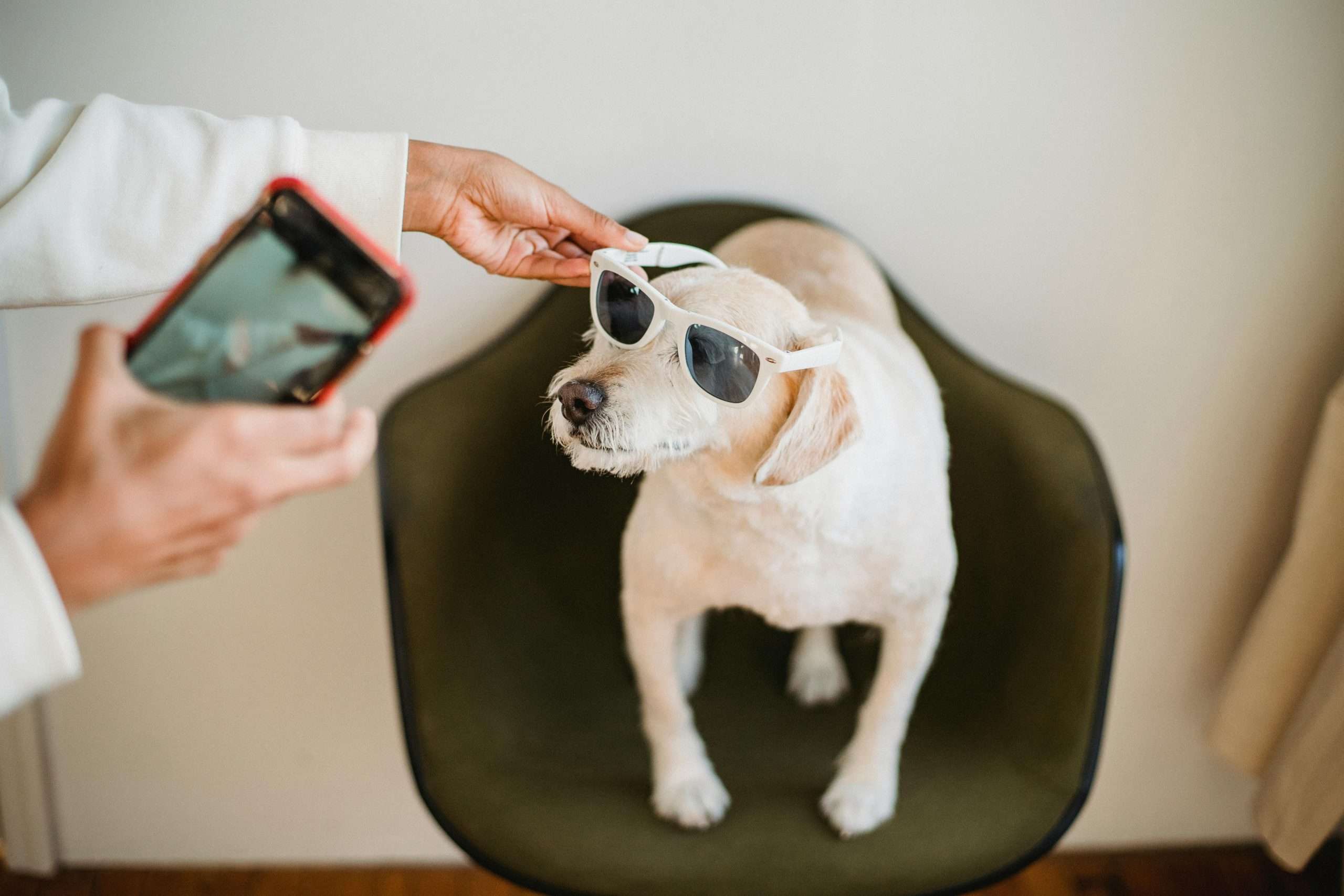
Capturing a dog’s unique charm and personality isn’t always easy – especially when you’re trying to photograph them in unpredictable outdoor environments. But with a few essential tips, the right preparation, and an understanding of how dogs behave, you can take a truly stunning dog portrait outdoors that you’ll be proud to share or even frame.
In this guide, we’ll walk you through everything from planning your shoot to editing your final photos – so you can master the art of the dog portrait outdoors from start to finish.

Why Choose to Shoot a Dog Portrait Outdoors?
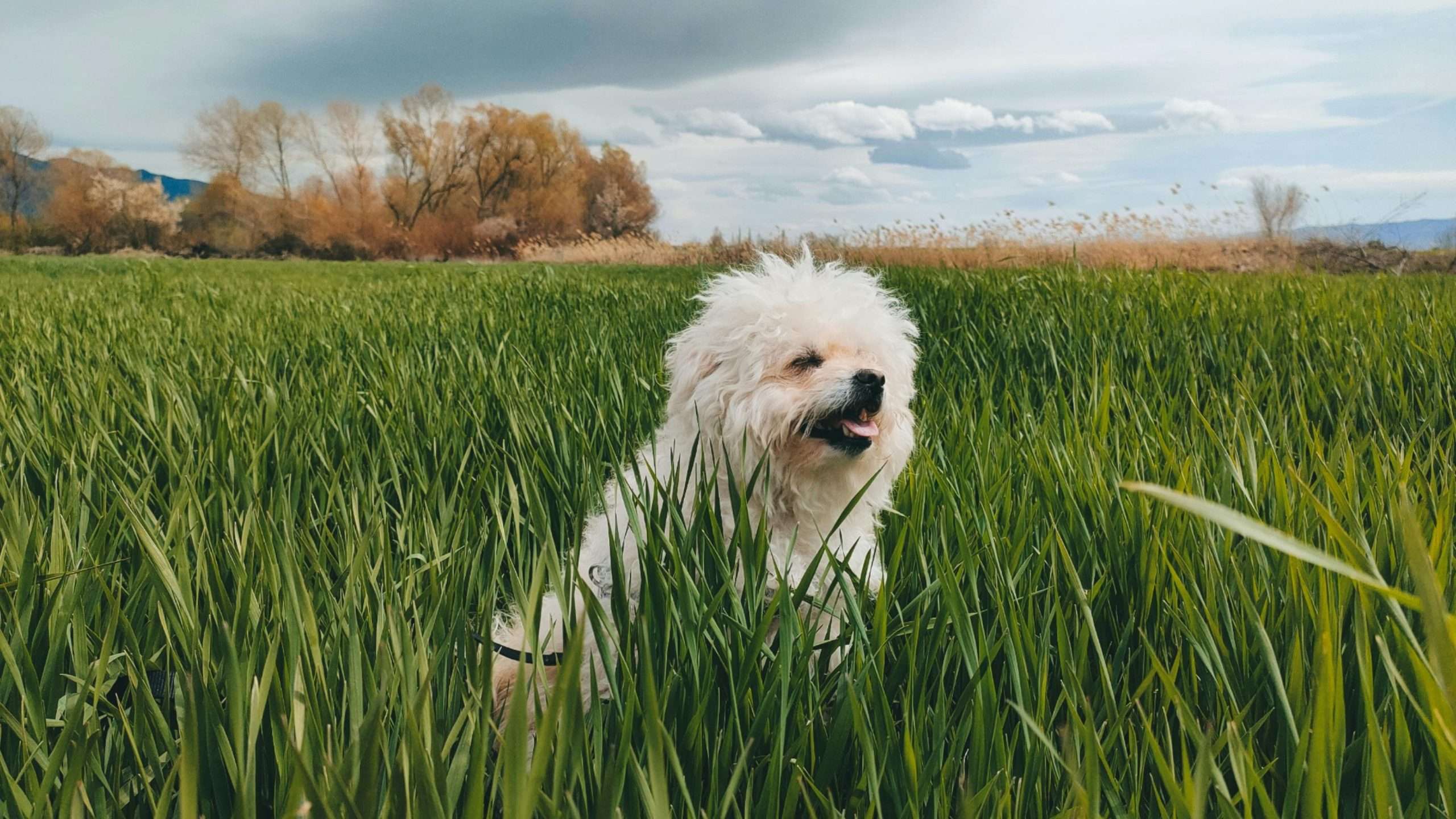
Shooting a dog portrait outdoors has its own magic. Natural lighting, interesting textures, vibrant surroundings, and the freedom dogs feel outside make outdoor portraits feel more alive and authentic.
Unlike studio photography, outdoor settings allow dogs to express their true personality – whether that’s joyful energy or calm curiosity. Plus, the changing environment gives you more room for creative composition.
1. Plan Ahead: Location, Timing, and Setup
A successful dog portrait outdoors starts with thoughtful planning.
Pick the Right Location
The best settings are often quiet and spacious, where your dog can safely move around without too many distractions. Public parks, wooded trails, beaches, or even your backyard can offer perfect backdrops. Look for areas with color contrast – like green grass, autumn leaves, or golden sand—to make your dog stand out in the frame.
Time it Right
Golden hour (an hour after sunrise or before sunset) provides the softest, most flattering light for outdoor photos. Avoid harsh midday sun that can cast strong shadows and make dogs squint.
2. Get to Know Your Model
Understanding your dog’s temperament is just as important as camera settings. Is your dog nervous around strangers? Do they get distracted easily? Or are they high-energy and always on the move?
A relaxed dog is more likely to give you a great pose. Spend some time letting them sniff the area, stretch their legs, and get comfortable before you start shooting.
Bring their favorite toy or treats to grab their attention and reward good behavior. A little play before the shoot can also burn off excess energy, making your dog more cooperative.
3. Use the Right Gear for Outdoor Dog Portraits
You don’t need a fancy studio to get professional-looking results. However, the right gear will give you an edge when shooting a dog portrait outdoors.
Camera & Lens
A DSLR or mirrorless camera with a fast shutter and good autofocus will make a difference. Use a 50mm or 85mm prime lens for classic portraits, or a 70-200mm zoom if you want to maintain some distance.
Wide apertures (like f/2.8 or f/4) help blur the background and keep the focus on the dog.
Bonus Tools
- Reflectors to soften harsh sunlight.
- A blanket or mat if you want the dog to sit without getting dirty.
- A squeaky toy or bell to get those expressive head tilts.
4. Master Your Camera Settings
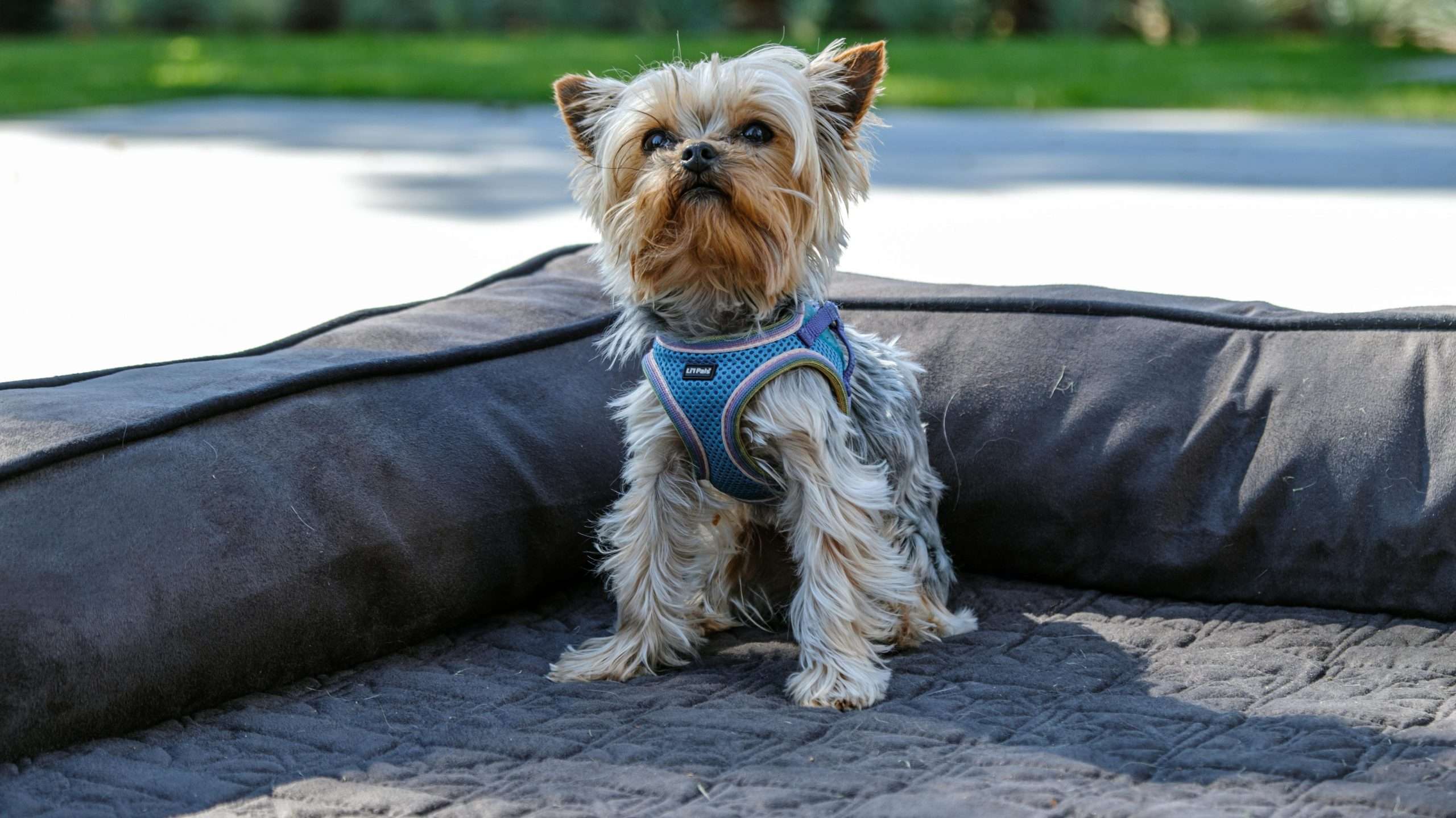
Shooting a dog portrait outdoors means being prepared for unpredictable lighting and motion. These camera settings are a good starting point:
- Shutter Speed: At least 1/500 sec to freeze movement.
- Aperture: f/2.8–f/5.6 for a blurry background.
- ISO: Start at 100 and increase if lighting is low.
- Focus Mode: Use continuous autofocus (AI-Servo/AF-C) to track movement.
Always focus on the eyes – it creates an emotional connection and draws viewers into the photo.
Related reads:
5. Composition Tricks for a Better Dog Portrait Outdoors
Photography isn’t just about clicking the shutter; it’s about storytelling. And when you’re aiming for a memorable dog portrait outdoors, composition plays a key role.
Get on Their Level
Don’t shoot from above – get down to your dog’s eye level. This angle feels more intimate and shows the world from their perspective.
Use the Rule of Thirds
Frame your dog slightly off-center to add visual interest. Most cameras and phones have gridlines to help with this.
Mind the Background
Choose backgrounds that are not too busy. A cluttered background can distract from your subject. Nature often provides clean and colorful backdrops – trees, sky, water, or even open fields.
6. Keep the Dog Engaged Without Overwhelming Them
If your dog gets bored or overstimulated, your shoot can go downhill fast. Here are a few simple tips:
- Use short commands like “sit,” “stay,” or “look” with positive reinforcement.
- Keep treats hidden in your palm or camera bag to maintain interest.
- Squeak a toy or call their name to direct their gaze toward the lens.
Take breaks. Let them sniff around, reset, and then get back into shooting. A tired or stressed dog won’t cooperate.
7. Use Natural Light to Your Advantage
Outdoor light can be your best friend or worst enemy.
Best Conditions
Overcast days are perfect for soft, diffused light. On sunny days, find shaded areas under trees or use the golden hour for warm tones and soft shadows.
Avoid placing your dog directly under bright sunlight. This can blow out highlights or cast shadows across their face.
8. Candid Shots vs. Posed Shots
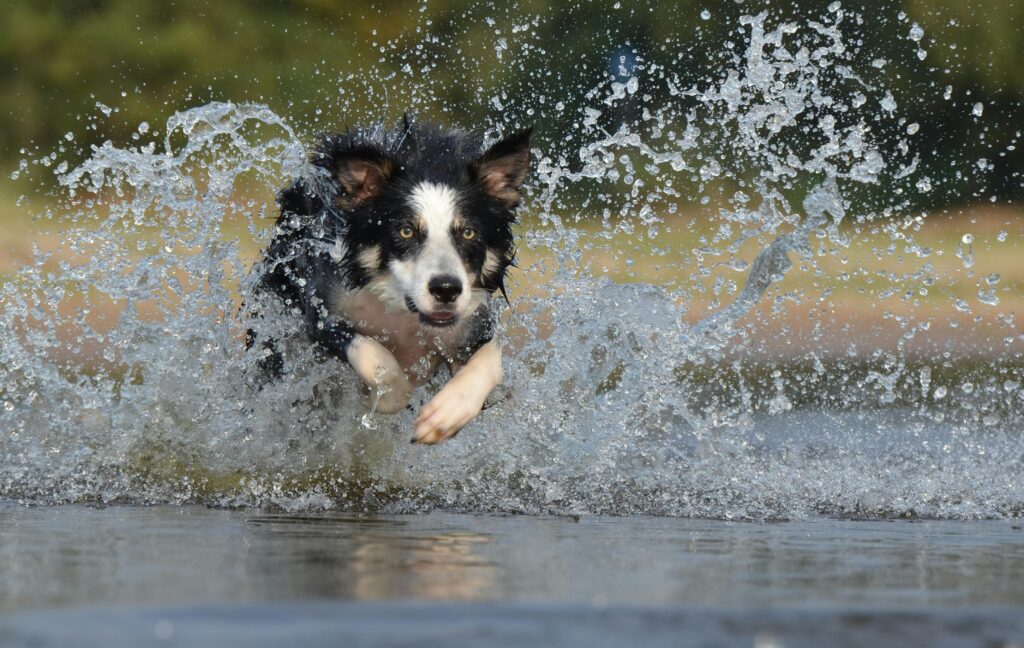
Sometimes the best dog portrait outdoors happens in between planned shots. Don’t wait for perfection – click when they’re sniffing, running, or looking curiously at a butterfly. These moments capture genuine emotion.
But also take a few calm, well-posed portraits to balance your collection. A sitting pose with the dog looking slightly away from the camera often feels natural and timeless.
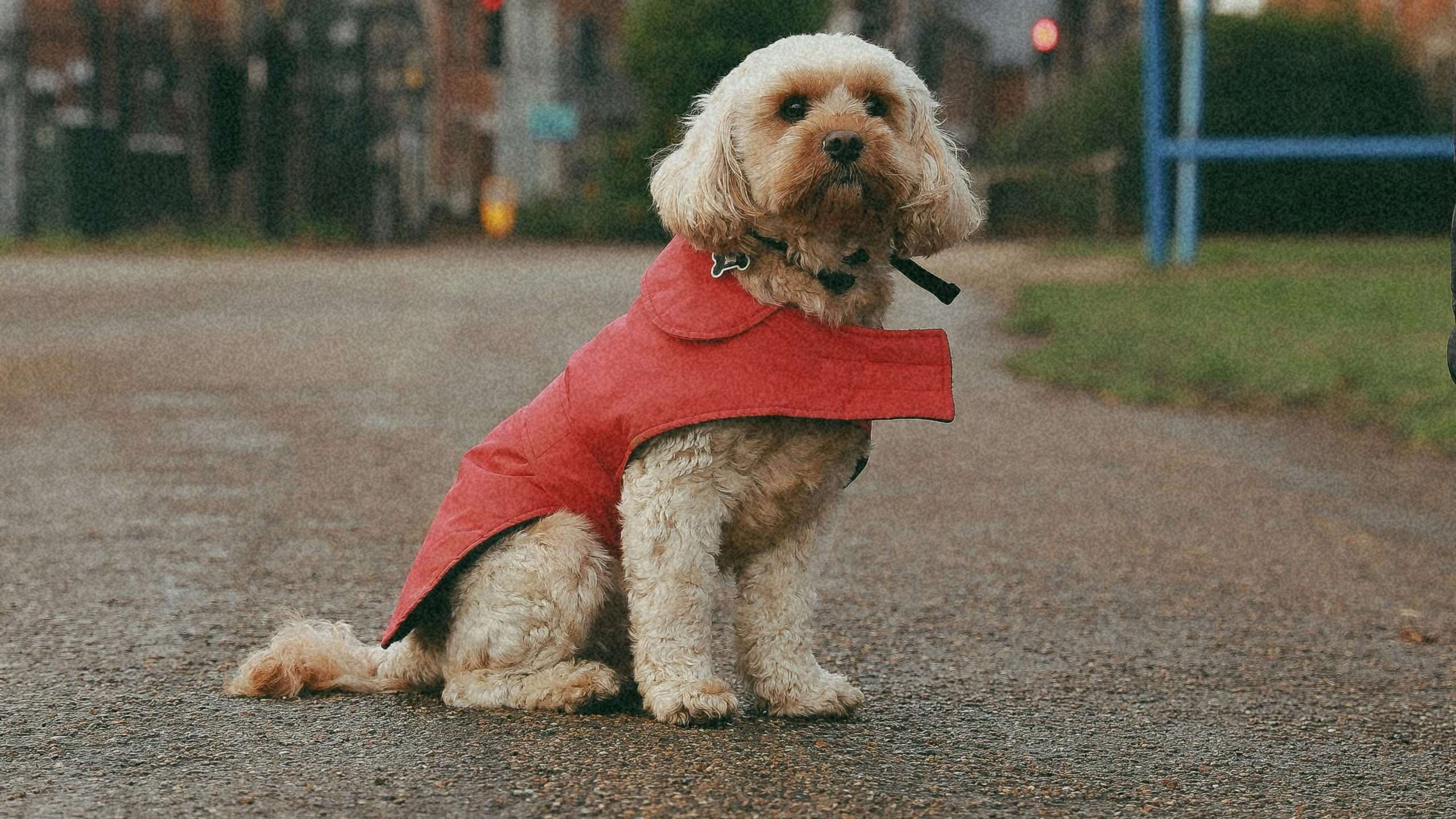
9. Post-Processing: Make the Good Shot Great
Editing enhances the details and brings your dog portrait outdoors to life. Use software like Lightroom or Snapseed to:
- Adjust exposure, contrast, and color balance.
- Crop for better framing.
- Remove distracting elements in the background.
- Sharpen the eyes and soften the fur slightly for a polished look.
Don’t over-edit. Keep the photo natural like the memory itself.
10. Safety First: Know Your Environment
Outdoor shoots can sometimes bring unexpected hazards. Always make sure the location is safe from traffic, aggressive animals, sharp objects, or toxic plants.
If your dog is off-leash, ensure they’re trained for recall. Otherwise, use a long leash that you can edit out later.
Final Thoughts: Let Their Personality Shine
Taking a breathtaking dog portrait outdoors is a mix of planning, patience, and play. The most important thing is to make the experience enjoyable for both you and your dog.
With the right lighting, thoughtful composition, and a relaxed environment, you’ll be able to capture images that aren’t just pretty, they’ll be personal and timeless.
FAQs
1. Can I take a professional-looking dog portrait outdoors with my phone?
Yes! Many smartphones now have excellent portrait modes. Focus on good lighting and clear composition.
2. How do I get my dog to stay still?
Use commands, treats, and toys. Keep sessions short and rewarding.
3. What’s the best lens for shooting a dog portrait outdoors?
A 50mm or 85mm prime lens is great for background blur and sharp detail.
![How to Prepare Your Dog for a Photoshoot: Expert Tips [2024]](https://100dogbreeds.com/wp-content/uploads/2024/08/puppy-photoshoot-768x505.jpg)
![Best Tips for Capturing Instagram-Worthy Dog Photos [2024]](https://100dogbreeds.com/wp-content/uploads/2024/07/dog-instagram-768x512.jpg)
![Dog Photoshoot Ideas: With Cool Tips and Poses [2024]](https://100dogbreeds.com/wp-content/uploads/2024/06/dog-photoshoot-ideas-768x512.jpg)