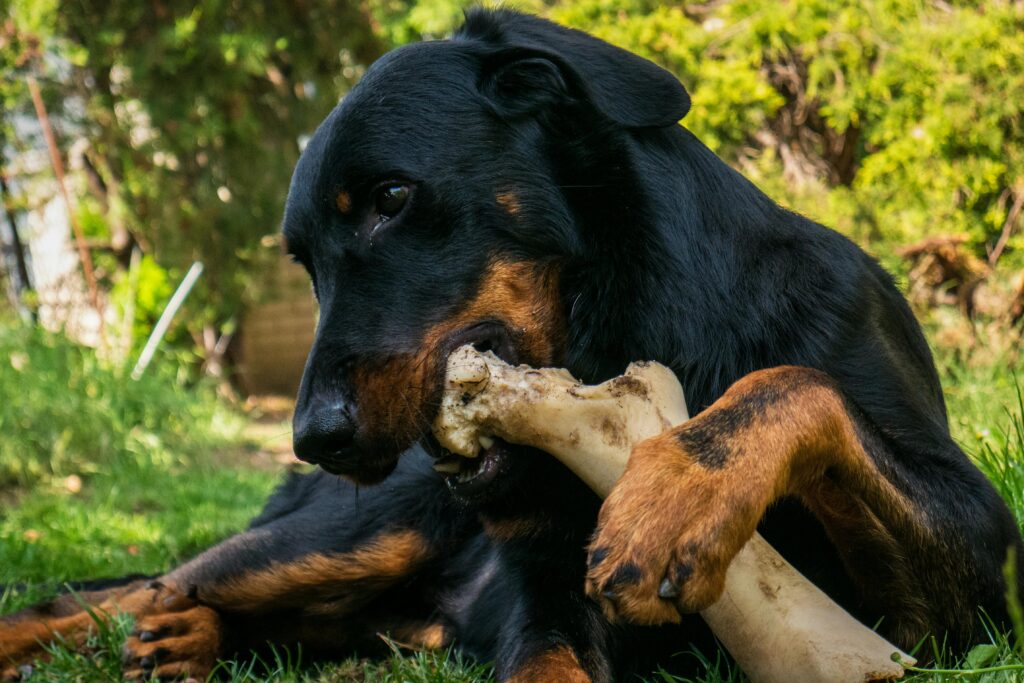
How To Do Indoor Dog Photography with Natural Light


Taking stunning photos of your furry friend doesn’t require an expensive studio setup. With the right knowledge of natural light photography and some basic equipment, you can capture beautiful indoor dog portraits right in your home. This comprehensive guide will walk you through everything you need to know about indoor dog photography with natural light, from setup to final execution.
Understanding Natural Light for Indoor Photography
When it comes to indoor pet photography, natural light is your best friend. Unlike artificial lighting, natural light provides a soft, flattering illumination that can bring out the best in your dog’s features. However, working with natural light indoors presents unique challenges and opportunities that require careful consideration.

The quality of natural light varies based on several factors:
- Window direction (north-facing windows typically provide the most consistent light)
- Time of day
- Weather conditions
- Season
- Window size and placement
- Room configuration
- Surrounding buildings or trees that might affect light
Best Times for Indoor Dog Photography
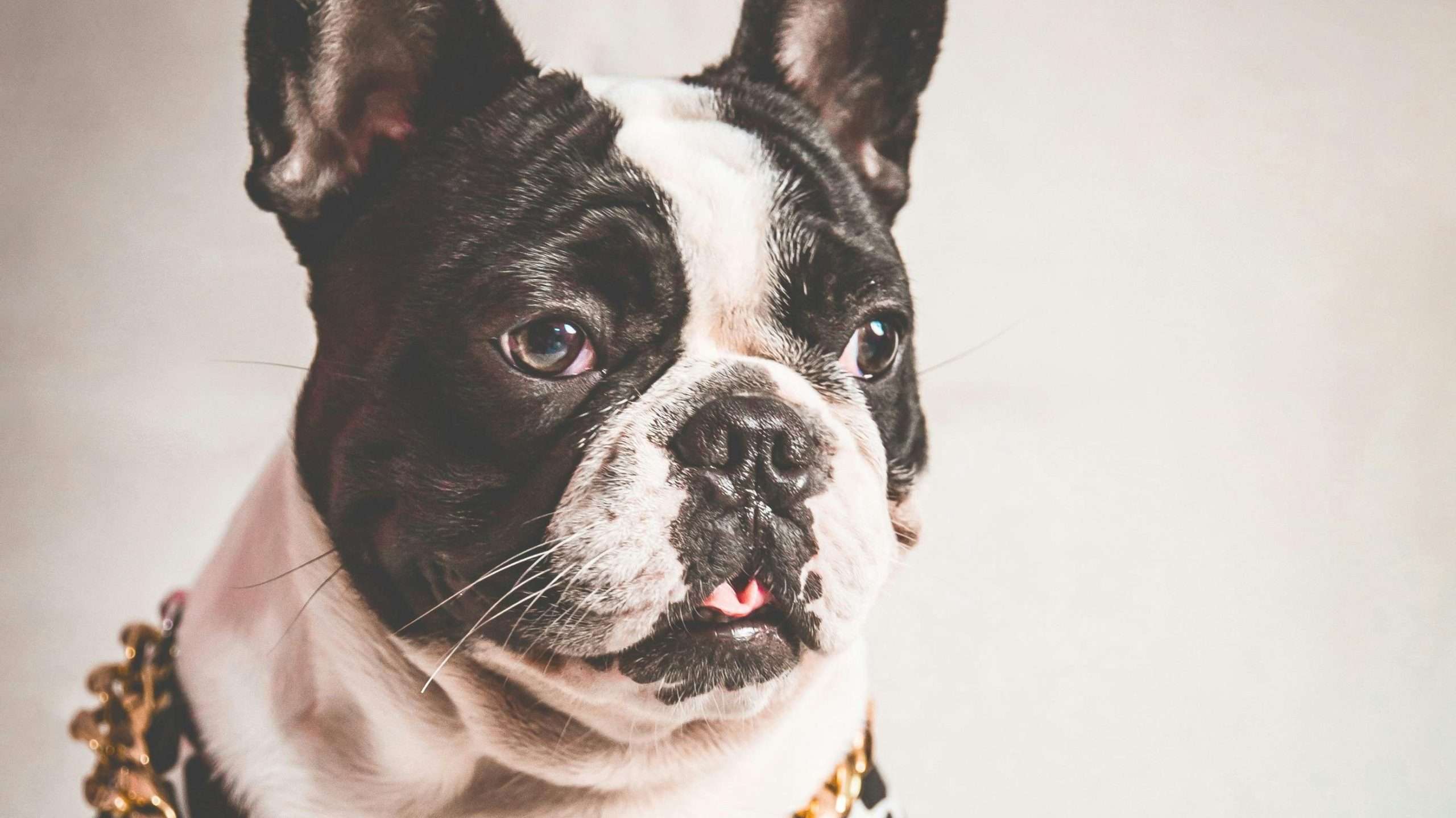
For optimal indoor dog photos, consider these prime shooting times:
Morning Light (Golden Hours):
- 2-3 hours after sunrise
- Soft, warm light perfect for cozy portraits
- Generally more predictable than afternoon light
Afternoon Light:
- 2-3 hours before sunset
- Beautiful warm tones
- Can be more challenging due to changing intensity
Overcast Days:
- Nature’s softbox effect
- Consistent light throughout the day
- Perfect for even illumination
- Reduces harsh shadows
Essential Equipment for Indoor Natural Light Photography
While natural light is free, investing in or creating the right tools can dramatically improve your indoor dog photography results:
Primary Equipment:
- Camera Equipment:
- DSLR or Mirrorless camera with manual settings
- 50mm or 85mm lens (ideal for indoor portraits)
- Memory cards
- Fully charged battery + spare
- Light Management Tools:
- Professional reflector or DIY alternative
- Light diffusion material (white sheet or translucent curtain)
- Clips or stands for holding diffusion material
- White foam board for fill light
- Dog-Specific Items:
- Treats (small, non-messy options)
- Favorite toys
- Attention-getting tools (squeakers, bells)
- Comfortable mat or bed for positioning
DIY Reflector Options
Create your own reflector using:
- Large piece of cardboard (20″ x 30″ minimum)
- Aluminum foil (smooth side out)
- White poster board
- Foam core board These budget-friendly alternatives can be just as effective as professional equipment for indoor dog photos.
Setting Up Your Indoor Studio Space
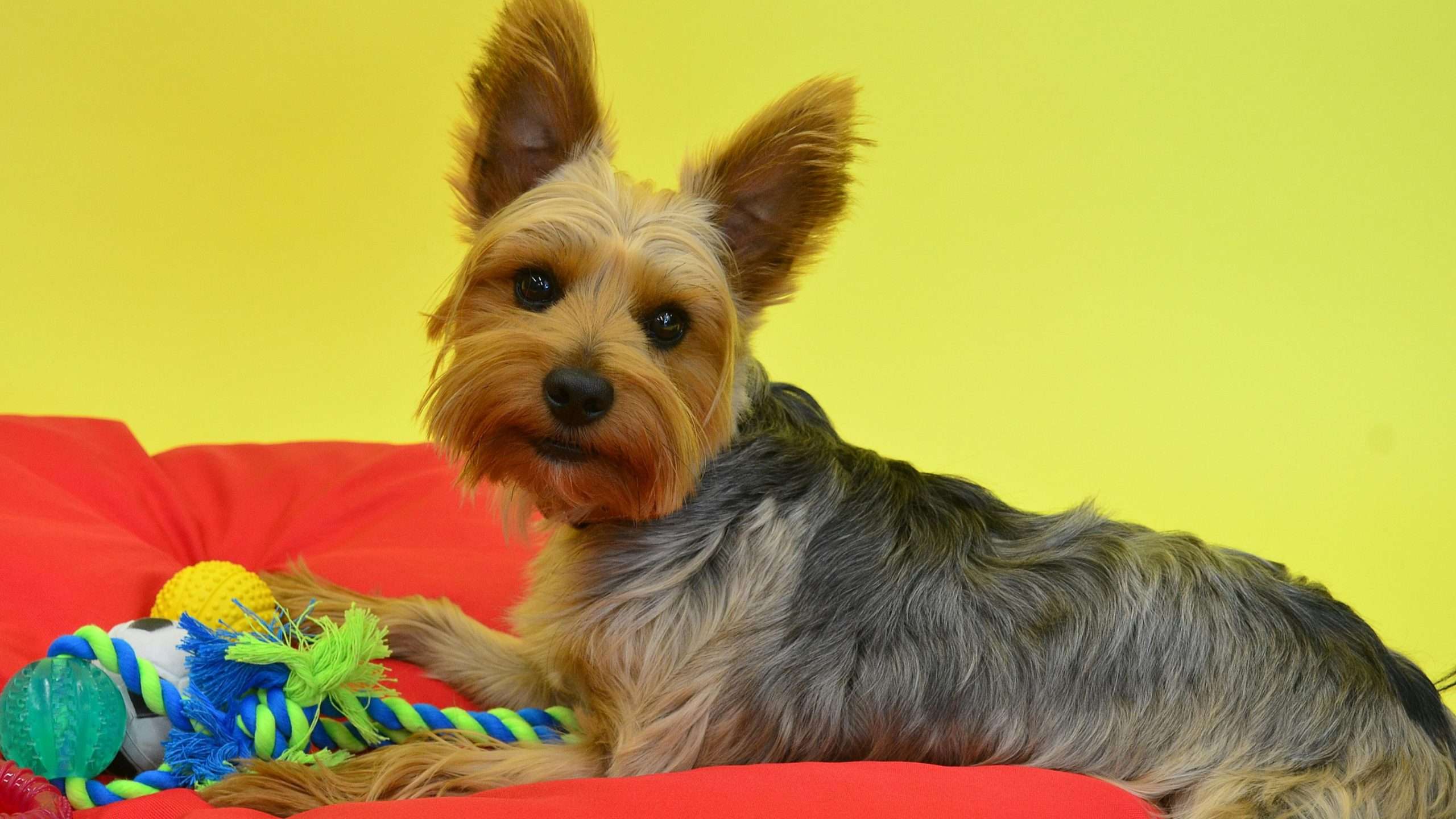
Choosing the Right Location
The ideal room for indoor dog photography should have:
Physical Characteristics:
- Large windows (preferably north-facing)
- Neutral-colored walls
- Enough space for movement
- Minimal distracting elements
- Clean, uncluttered backgrounds
- Comfortable temperature
Practical Considerations:
- Easy access to outdoors for breaks
- Good ventilation
- Non-slip flooring
- Space for equipment setup
- Room for your dog to feel comfortable
Light Management Techniques
Position your setup based on the available window light:
- Primary Window Light:
- Main light source should come from one direction
- Assess the quality and direction of light
- Consider time of day for optimal lighting
- Dog Positioning:
- Place your dog at a 45-degree angle to the window
- Maintain 3-6 feet distance from the window
- Ensure enough space for natural movement
- Light Control:
- Use reflectors to fill shadows on the opposite side
- Add diffusion material for harsh light
- Position bounce cards for fill light
- Consider black cards to add contrast if needed
Advanced Photography Techniques
Camera Settings for Indoor Natural Light
For optimal indoor dog portraits, start with these settings and adjust as needed:
Aperture:
- f/2.8 to f/4 for portraits with bokeh
- f/5.6 to f/8 for full body shots
- Consider depth of field needs based on dog size and position
ISO Settings:
- Start at ISO 400
- Increase to 800-1600 if needed
- Monitor noise levels at higher ISOs
- Consider your camera’s capabilities
Shutter Speed:
- Minimum 1/125 for sharp images
- 1/250 or faster for active dogs
- Adjust based on your dog’s activity level
Professional Positioning Tips
Dog Positioning:
- Work at eye level with your dog
- Create engaging angles
- Use treats strategically
- Allow natural poses and expressions
- Consider your dog’s best side
Photographer Position:
- Position yourself between window and dog
- Maintain clear sight lines
- Stay mobile to catch spontaneous moments
- Be ready to adjust quickly
Troubleshooting Common Challenges
Low Light Situations
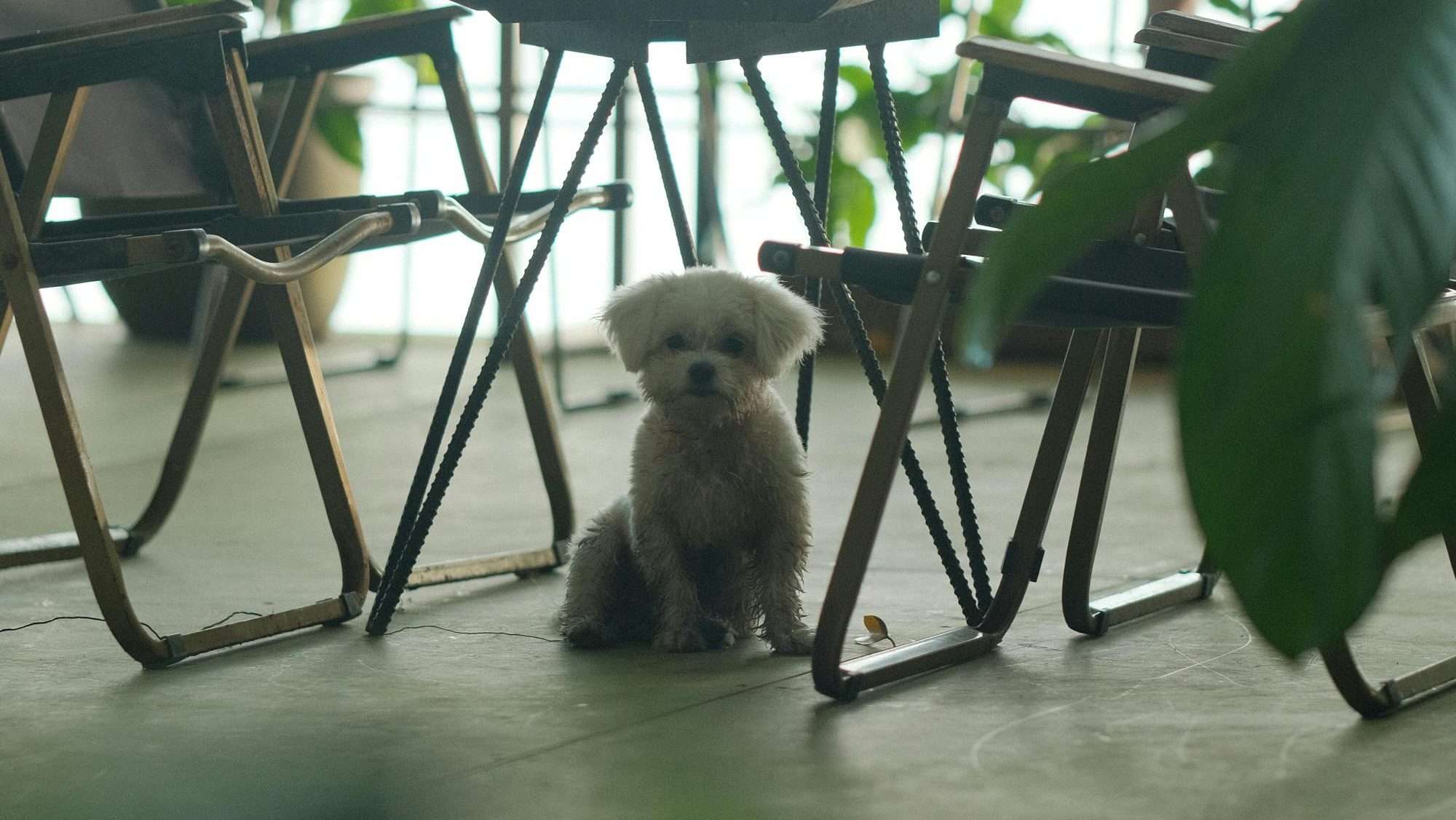
Technical Solutions:
- Increase ISO (up to 1600 if necessary)
- Use a wider aperture
- Move closer to the window
- Add a reflector to bounce more light
Creative Solutions:
- Embrace moody lighting
- Consider silhouettes
- Use negative space
- Create dramatic portraits
Managing Harsh Light
Direct Solutions:
- Diffuse light with sheer curtains
- Use white bed sheets as diffusers
- Move your dog further from the window
- Schedule shoots during softer light hours
Alternative Approaches:
- Create dramatic split lighting
- Use shadows creatively
- Experiment with backlight
- Try rim lighting techniques
Working with Active Dogs
Technical Approaches:
- Use faster shutter speeds
- Maintain focus tracking
- Shoot in burst mode
- Keep equipment ready
Behavioral Strategies:
- Create a comfortable environment
- Take frequent breaks
- Use high-value treats
- Make the experience fun
Post-Processing for Indoor Dog Photos
Essential Editing Tips
- Exposure Adjustments:
- Balance highlights and shadows
- Maintain detail in bright window areas
- Lift shadows carefully
- Preserve natural contrast
- Color Correction:
- Adjust white balance for natural fur tones
- Remove color casts from reflected light
- Enhance eye clarity and detail
- Maintain skin/nose color accuracy
- Final Touches:
- Subtle vignetting if needed
- Careful clarity adjustments
- Selective sharpening
- Clean any distracting elements
Remember These Indoor Dog Photography Tips
- Patience is Key:
- Let your dog acclimate to the setup
- Take breaks when needed
- Keep sessions short and fun
- Read your dog’s body language
- Make the Most of Your Space:
- Use corners for controlled backgrounds
- Remove distracting elements
- Consider multiple window combinations
- Create designated photo areas
- Capture Natural Expressions:
- Use familiar toys and treats
- Make exciting sounds
- Keep sessions playful
- Watch for candid moments
Saying Goodbye!
Successful indoor dog photography with natural light comes down to understanding and working with available light, having patience, and practicing consistently. Remember that every home offers unique lighting opportunities, and with these techniques, you can capture beautiful portraits of your furry friend without expensive studio equipment.
Whether you’re a pet parent wanting to capture precious memories or an aspiring pet photographer, these techniques will help you create stunning indoor dog portraits using just natural light and basic equipment. Keep practicing, stay patient, and most importantly, make the experience enjoyable for your four-legged model.
The key to great indoor dog photography isn’t just about technical perfection – it’s about capturing the personality and spirit of your canine subject in a way that tells their unique story. With practice and persistence, you’ll develop your own style and approach to creating beautiful, natural-light portraits that you’ll treasure for years to come.
Frequently Asked Questions
What’s the best lens for indoor dog photography?
A 50mm or 85mm prime lens with a wide aperture (f/1.8 or wider) works best for indoor pet portraits, offering good low-light performance and flattering perspective.
How do I prevent blur in indoor photos?
Maintain a shutter speed of at least 1/125, use good natural light, and consider increasing your ISO if needed. Image stabilization can also help.
Do I need expensive equipment for indoor dog photography?
No, good indoor dog photos can be achieved with basic equipment and natural light. Focus on understanding light and composition first, then upgrade equipment as needed.
![How to Prepare Your Dog for a Photoshoot: Expert Tips [2024]](https://100dogbreeds.com/wp-content/uploads/2024/08/puppy-photoshoot-768x505.jpg)
![Best Tips for Capturing Instagram-Worthy Dog Photos [2024]](https://100dogbreeds.com/wp-content/uploads/2024/07/dog-instagram-768x512.jpg)
![Dog Photoshoot Ideas: With Cool Tips and Poses [2024]](https://100dogbreeds.com/wp-content/uploads/2024/06/dog-photoshoot-ideas-768x512.jpg)