How to Choosing the Right Dog Treats: Mastering the Art of Treat Selection


Ever stood in the pet store, staring at rows of dog treats, feeling totally lost? You’re not alone. Picking the perfect treat for your furry friend can be tricky. Maybe you’ve bought treats your dog turned their nose up at, or worried if that chicken-flavored biscuit is actually good for them.
Let’s face it – treat time should be fun, not stressful. But with so many options out there, how do you know what’s best? That’s where this guide comes in. We’re going to break down everything you need to know about choosing dog treats that’ll make your pup’s tail wag and keep them healthy too.

Whether you’re a new dog owner or you’ve had canine companions for years, we’ve got you covered. Ready to become a pro at picking the perfect dog treats? Let’s dig in!
Understanding Your Dog’s Preferences
Just like humans, dogs have unique tastes and preferences. Some may crave the satisfying crunch of a biscuit, while others prefer softer, chewier options. It’s essential to pay attention to your dog’s reactions to different treats and textures.
Remember that your dog’s preferences may change over time. Puppies, adults, and senior dogs often have different tastes and nutritional needs. Keep an eye on your pet’s eating habits and adjust your treat selection accordingly. For instance, if your dog enjoys moist kibble, they might prefer softer dog treats. Conversely, if they happily crunch on dry food, harder treats might be more appealing.
Health and Nutrition Considerations
When selecting dog treats, it’s crucial to consider your pet’s overall health and nutritional needs. Here are some key factors to keep in mind:
- Age-Specific Nutritional Needs: Puppies, adult dogs, and seniors have different nutritional requirements. Choose treats that complement your dog’s life stage.
- Addressing Health Concerns: If your dog has specific health issues, such as diabetes or joint problems, consult with your veterinarian to find appropriate treats that won’t exacerbate these conditions.
- Balancing Treats with Daily Diet: Treats should make up no more than 10% of your dog’s daily caloric intake. Opt for treats that are low in calories but high in nutritional value to maintain a healthy balance.
- Allergen Awareness: Some dogs may have allergies or sensitivities to certain ingredients. Always check the ingredient list and avoid common allergens like wheat, soy, or dairy if your dog has known sensitivities.
The Importance of Treat Size and Texture
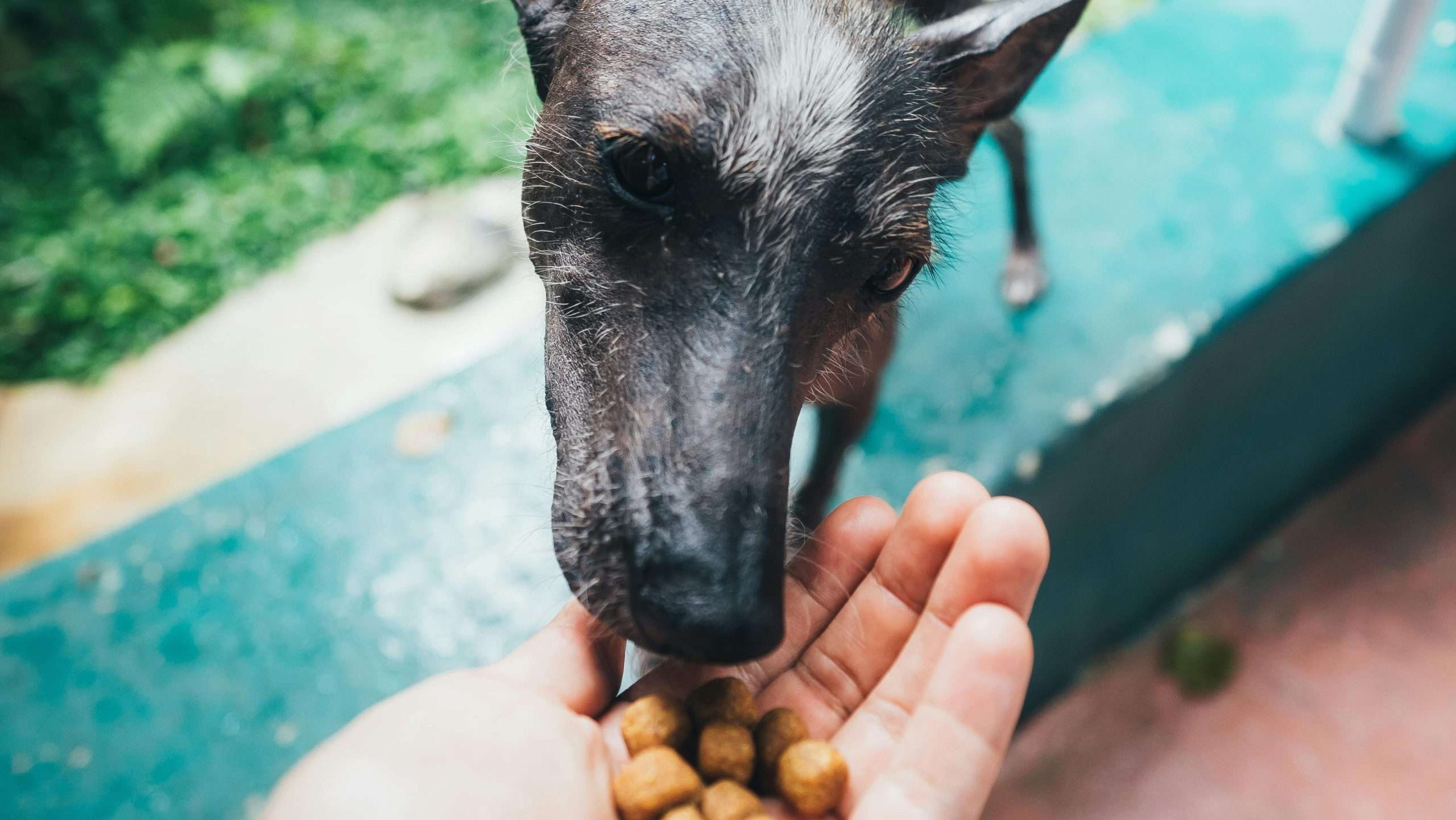
The size and texture of dog treats play a crucial role in both safety and enjoyment. Consider the following:
- Safety Considerations: Choose treats that are appropriate for your dog’s size. Small dogs and puppies may struggle with large treats, while larger dogs might swallow small treats whole, posing a choking hazard.
- Matching Texture to Your Dog’s Preferences: Some dogs prefer crunchy treats that help clean their teeth, while others enjoy softer options. Experiment with different textures to find what your dog likes best.
- Dog Treat Options for Different Life Stages: Puppies and senior dogs may benefit from softer treats that are easier to chew, while adult dogs might enjoy a variety of textures.
Variety: The Spice of a Dog’s Life
Just as we enjoy variety in our diets, dogs appreciate a range of flavors and textures in their treats. Consider these tips:
- Rotating Flavors and Textures: Introduce different types of dog treats to keep your pet interested and excited.
- Monitoring Your Dog’s Favorites: Pay attention to which treats your dog enjoys most and incorporate them into your rotation.
- Balancing Variety with Digestive Health: While variety is good, introduce new treats gradually to avoid upsetting your dog’s stomach.
Dog Treats as Training Tools
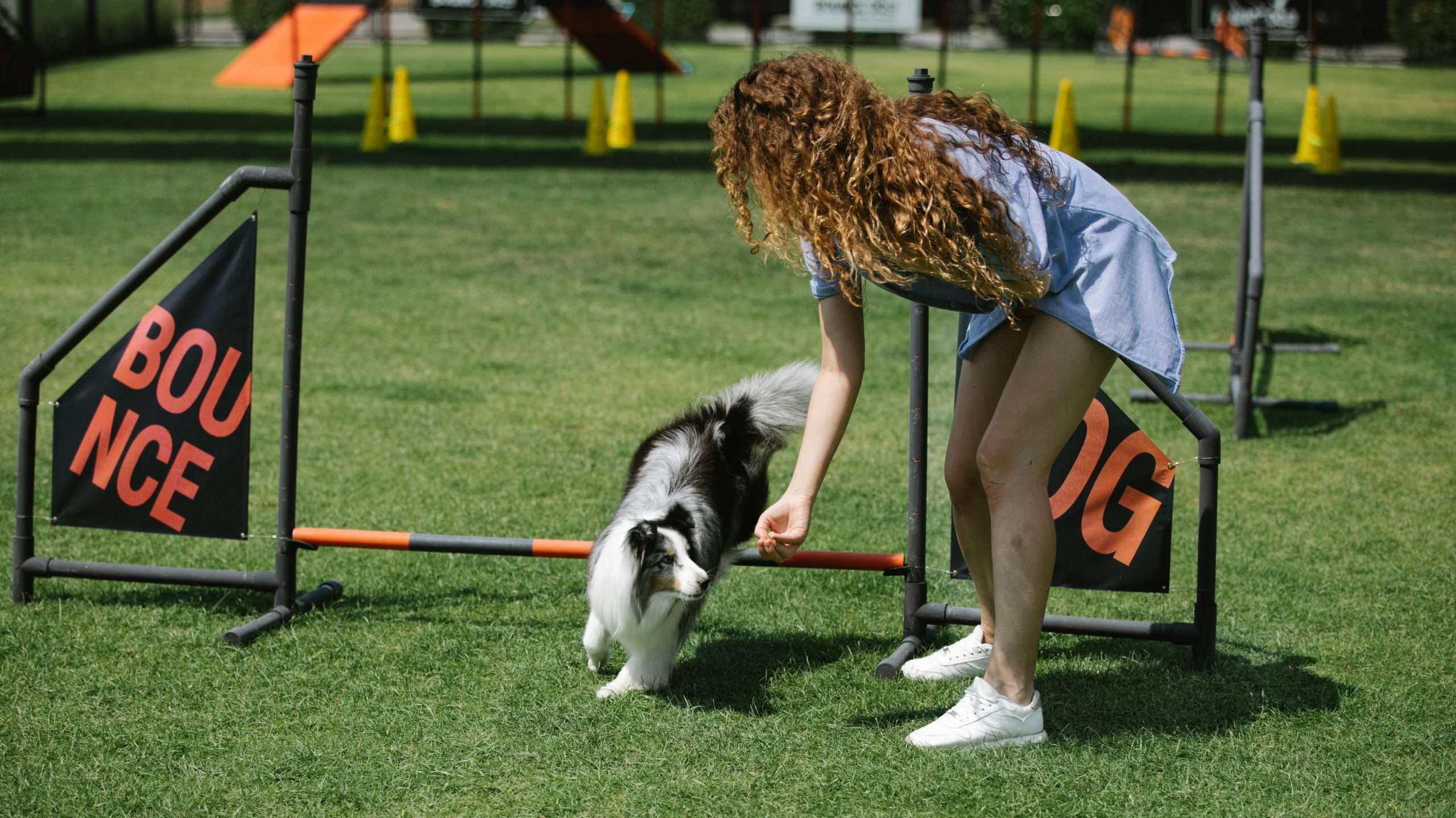
Dog treats are invaluable for training and positive reinforcement. When using treats for training:
- Choose small, soft treats that can be quickly consumed without distracting from the training session.
- Opt for high-value treats (like small pieces of cooked chicken or cheese) for teaching new or challenging behaviors.
- Use lower-value treats for reinforcing already learned behaviors.
Natural and Homemade Treat Options

Many pet owners are turning to natural and homemade dog treats for their furry friends. Here’s why:
- Benefits of Natural Ingredients: Natural treats often contain fewer preservatives and artificial additives, which can be beneficial for your dog’s overall health.
- Popular Homemade Dog Treat Recipes: Simple recipes using ingredients like sweet potatoes, pumpkin, or lean meats can be a healthy and cost-effective alternative to store-bought treats.
- Customizing Treats for Your Dog’s Needs: Homemade treats allow you to control ingredients, making it easier to cater to your dog’s specific dietary requirements or preferences.
Choosing the Right Treat Types
There are several types of dog treats available, each with its own benefits:
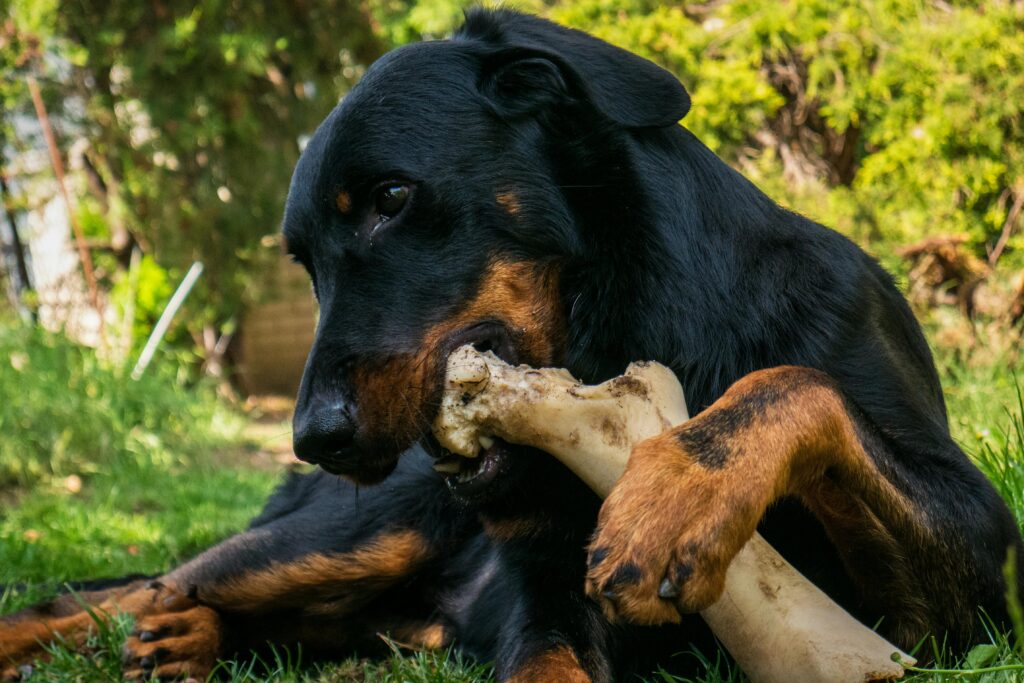
- Natural Chews: These satisfy your dog’s natural urge to chew and can help maintain dental health. Options include bully sticks, antlers, and dental chews.
- Soft Treats: Ideal for training, these are easy to eat quickly and often have a strong aroma that dogs find appealing.
- Freeze-Dried Treats: These treats retain most of their nutritional value and are often made from single ingredients, making them a healthy choice.
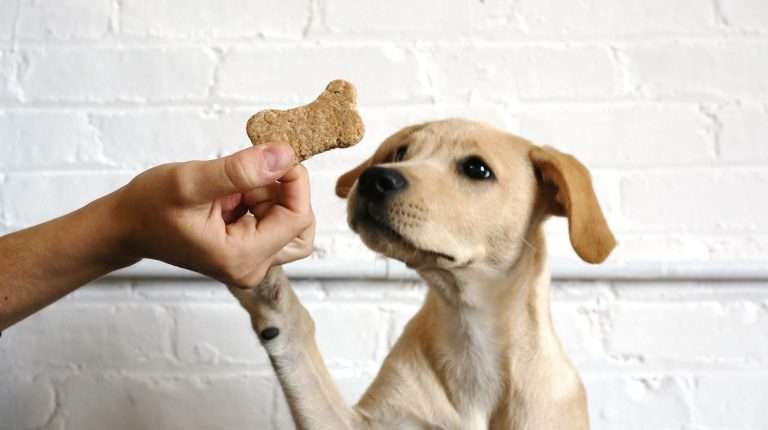
- Dog Cookies: A classic treat option, look for varieties made with wholesome ingredients and minimal additives.
Reading and Understanding Treat Labels
Becoming a dedicated label reader is crucial when selecting dog treats. Pay attention to:
- Ingredient Sources: Look for treats that clearly state the source of their ingredients. High-quality treats often highlight the origin of their components.
- Quantity of Ingredients: Generally, treats with fewer ingredients are preferable, as they’re less likely to contain unnecessary fillers or additives.
- Ingredient Quality: The first few ingredients listed should be whole food sources, preferably named meats or vegetables.
- Avoiding Harmful Additives: Steer clear of treats containing artificial preservatives, colors, or sweeteners. Ingredients like BHA, BHT, ethoxyquin, and propylene glycol should be avoided.
Related reads:
The Ultimate Guide to Crunchy Dog Biscuits: Tasty Flavors and Variations Your Pooch Will Love
Saying Goodbye!
Choosing the right dog treats is an art that combines understanding your dog’s preferences, considering their health needs, and selecting high-quality options. By paying attention to ingredients, varying textures and flavors, and using treats as part of a balanced diet and training regimen, you can enhance your dog’s life and strengthen your bond.
Remember, every dog is unique, so what works for one may not work for another. Don’t be afraid to experiment with different types of treats to find what your furry friend loves best. With patience and attention, you’ll become an expert in selecting the perfect dog treats for your beloved companion.
FAQs
How often should I give my dog treats?
Treats should make up no more than 10% of your dog’s daily caloric intake. The frequency depends on the size and calorie content of the treats, as well as your dog’s overall diet and activity level.
Are homemade dog treats better than store-bought ones?
Homemade treats can be healthier as you control the ingredients. However, high-quality store-bought treats can be equally nutritious. The key is to read labels and choose wisely.
Can dog treats replace regular meals?
No, treats should never replace regular meals. They are supplements to a balanced diet and should be given in moderation.
What are the best dog treats for training puppies?
Small, soft, and easily consumable treats are ideal for puppy training. Look for low-calorie options that won’t interfere with their regular diet.
How can I tell if my dog likes a particular treat?
Watch your dog’s reaction when offered the treat. Enthusiasm, quick consumption, and seeking more are good indicators. If they spit it out or walk away, they likely don’t enjoy it.