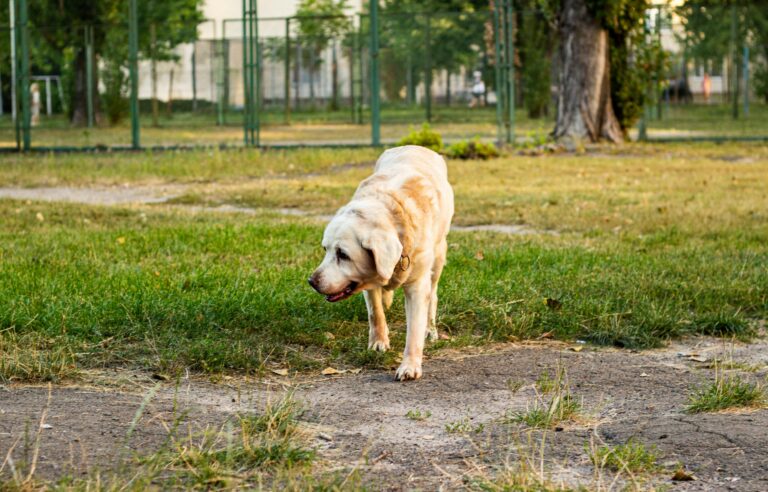
How to Choose Healthy Food for Your Dog [2024]


Standing in the pet food aisle, overwhelmed by endless options? With every brand claiming to be the best, finding truly healthy food for your dog can feel like a minefield.From grain-free to raw, kibble to wet food – how do you cut through the noise and choose a diet that will keep your pup thriving?
This blog breaks down the essentials of selecting healthy dog food. Whether you’re a new owner or upgrading your companion’s diet, you’ll find practical advice to make an informed choice. Ready to become a pro at picking the perfect dog food? Let’s dive in!

Understanding Your Dog’s Nutritional Need

Before diving into the specifics of choosing healthy dog food, it’s essential to understand that different dogs have different nutritional requirements. Factors that influence these needs include:
- Breed
- Size
- Age
- Activity level
- Health conditions
For instance, a highly active working dog will require a different diet than a senior dog who spends most of their time lounging. Similarly, large breed puppies have specific nutritional needs to support their rapid growth without putting too much stress on their developing joints.
Reading and Understanding Dog Food Labels
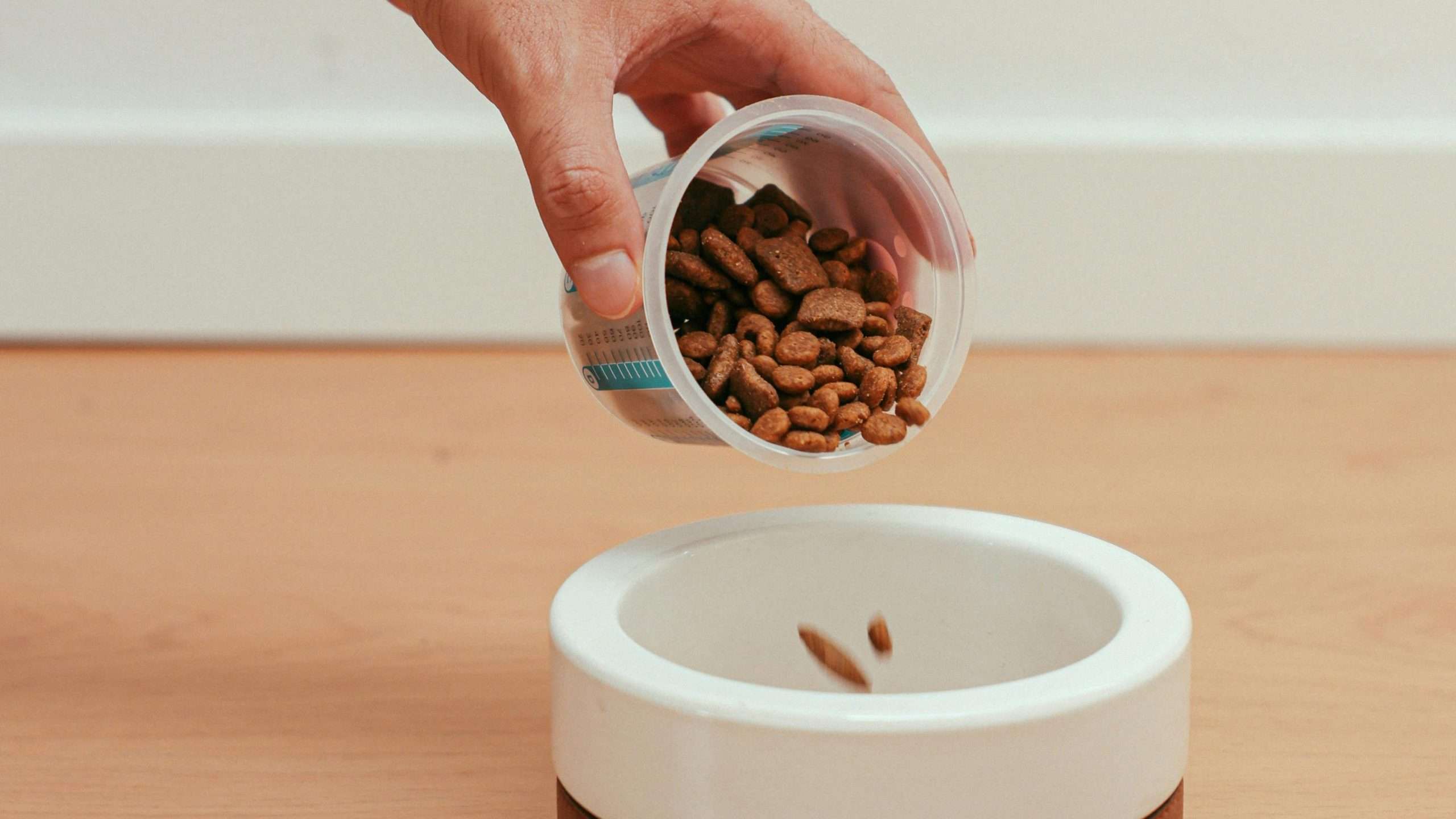
One of the most critical skills in selecting healthy food for your dog is the ability to read and interpret dog food labels. Here’s what to look for:
- Ingredient List: Ingredients are listed by weight, with the heaviest ingredients first. Look for a high-quality protein source as the first ingredient, such as whole meats (chicken, beef, fish) or meat meals.
- Guaranteed Analysis: This section provides the minimum percentages of crude protein and fat, and the maximum percentages of fiber and moisture in the food.
- AAFCO Statement: Look for a statement indicating that the food meets the nutritional levels established by the Association of American Feed Control Officials (AAFCO) for your dog’s life stage.
- Life Stage Appropriateness: Ensure the food is appropriate for your dog’s life stage (puppy, adult, senior) or for all life stages.
Key Components of Healthy Dog Food
When choosing healthy food for your dog, look for these essential components:
- High-Quality Protein Sources: Dogs are omnivores with a carnivorous bias, meaning they thrive on diets rich in animal-based proteins. Look for whole meats or meat meals as the primary ingredients.
- Healthy Fats: Fats provide energy and help absorb certain vitamins. Look for sources like chicken fat, fish oil, or flaxseed oil.
- Complex Carbohydrates: While not essential, carbs can provide energy and fiber. Opt for whole grains, sweet potatoes, or peas rather than simple carbs like corn or wheat.
- Vitamins and Minerals: A balanced diet should include essential vitamins and minerals. Many commercial foods are fortified with these nutrients.
- Avoiding Harmful Ingredients: Steer clear of foods containing artificial preservatives, colors, or flavors. Also, be cautious of generic meat by-products and excessive fillers.
Types of Dog Food
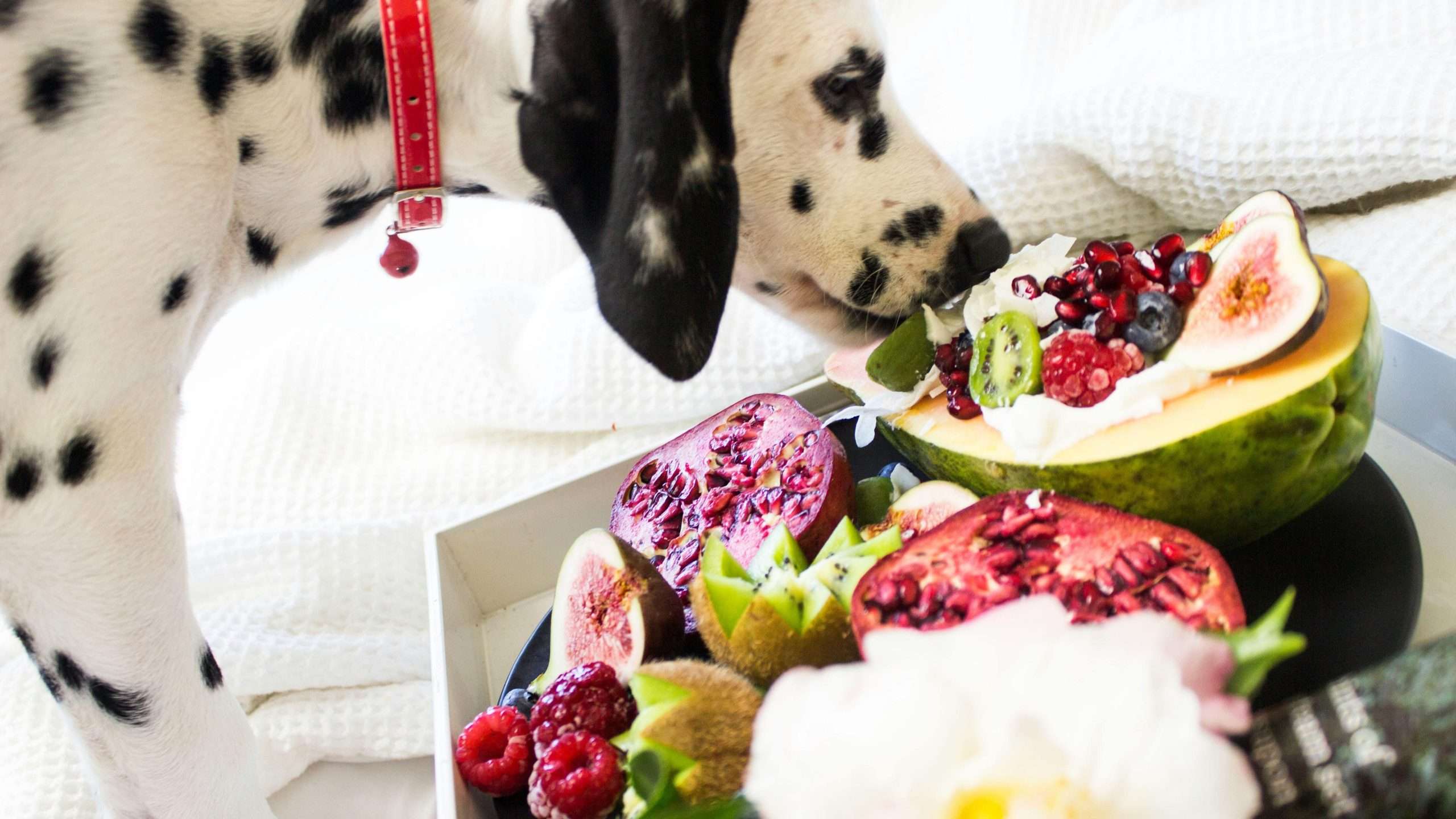
When selecting healthy food for your dog, you’ll encounter several types:
- Dry Kibble: The most common type, kibble is convenient and helps maintain dental health. Look for high-quality options with real meat as the first ingredient.
- Wet Food: Higher in moisture content, wet food can be beneficial for dogs who don’t drink enough water. It’s also often more palatable.
- Fresh or Raw Diets: These diets aim to mimic a dog’s ancestral diet. While some dogs thrive on these, they require careful planning to ensure nutritional balance.
- Homemade Diets: While giving you full control over ingredients, homemade diets require extensive knowledge to ensure they’re nutritionally complete and balanced.
Special Dietary Considerations
Some dogs may have specific dietary needs:
- Grain-Free Diets: While popular, recent studies have raised concerns about a potential link between grain-free diets and heart disease in dogs. Consult your vet before choosing a grain-free option.
- Limited Ingredient Diets: These can be helpful for dogs with food sensitivities or allergies.
- Prescription Diets: For dogs with specific health conditions, veterinarian-prescribed diets may be necessary.
Transitioning to a New Dog Food
Once you’ve chosen a healthy food for your dog, introduce it gradually over 7-10 days. Start by mixing a small amount of the new food with the old, gradually increasing the proportion of new food.
Monitoring Your Dog’s Health on a New Diet
After switching to a new food, watch for these signs of good health:
- Consistent energy levels
- Shiny coat
- Healthy skin
- Firm, well-formed stools
- Maintenance of ideal body condition
If you notice any adverse reactions like vomiting, diarrhea, or lethargy, consult your veterinarian.
Related reads:
How to Choosing the Right Dog Treats: Mastering the Art of Treat Selection
Common Myths and Misconceptions about Dog Food
- “All-natural” means healthier: While natural ingredients can be beneficial, the term “all-natural” isn’t regulated in pet food and doesn’t necessarily mean healthier.
- “Grain-free is always better”: As mentioned earlier, grain-free diets have been linked to heart issues in some dogs. Grains can be a healthy part of a dog’s diet unless your dog has a specific grain allergy.
- “Raw diets are superior”: While some dogs do well on raw diets, they can be nutritionally imbalanced if not carefully planned and may pose risks of bacterial contamination.
- “Homemade is always best”: Homemade diets can be healthy if properly balanced, but they require significant knowledge and effort to ensure they meet all of your dog’s nutritional needs.
Stay Healthy!
Choosing healthy food for your dog is a crucial aspect of responsible pet ownership. By understanding your dog’s specific needs, learning to read pet food labels, and focusing on high-quality ingredients, you can make informed decisions about your dog’s diet. Remember, every dog is unique, and what works for one may not work for another. Regular check-ups with your veterinarian and ongoing assessment of your dog’s health and condition will help ensure that your chosen diet is supporting your dog’s optimal health and well-being.
Ultimately, the best food for your dog is one that meets their nutritional needs, fits your budget, and results in a happy, healthy pet. Don’t hesitate to consult with your veterinarian or a veterinary nutritionist for personalized advice on selecting healthy food for your dog.
FAQs
How often should I feed my dog?
Adult dogs typically do well with two meals a day, while puppies may need three or four smaller meals.
Is wet or dry food better for my dog?
Both can be part of a healthy diet for dogs. The choice often depends on your dog’s preferences and needs.
Should I add supplements to my dog’s diet?
If you’re feeding a complete and balanced commercial diet, supplements are usually unnecessary unless recommended by your vet.
How do I know if my dog is allergic to their food?
Common signs of food allergies include itching, ear infections, and gastrointestinal issues. If you suspect a food allergy, consult your vet.
Can I feed my dog a vegetarian or vegan diet?
While it’s possible, it’s challenging to meet all of a dog’s nutritional needs with a plant-based diet. Always consult a veterinary nutritionist if considering this option.
![How to Clean Dog Ears: At Home Edition [2024]](https://100dogbreeds.com/wp-content/uploads/2024/09/Dog-ears-e1725473739176-768x384.jpg)