How to Care For Your Lactating Dog and Her Pups

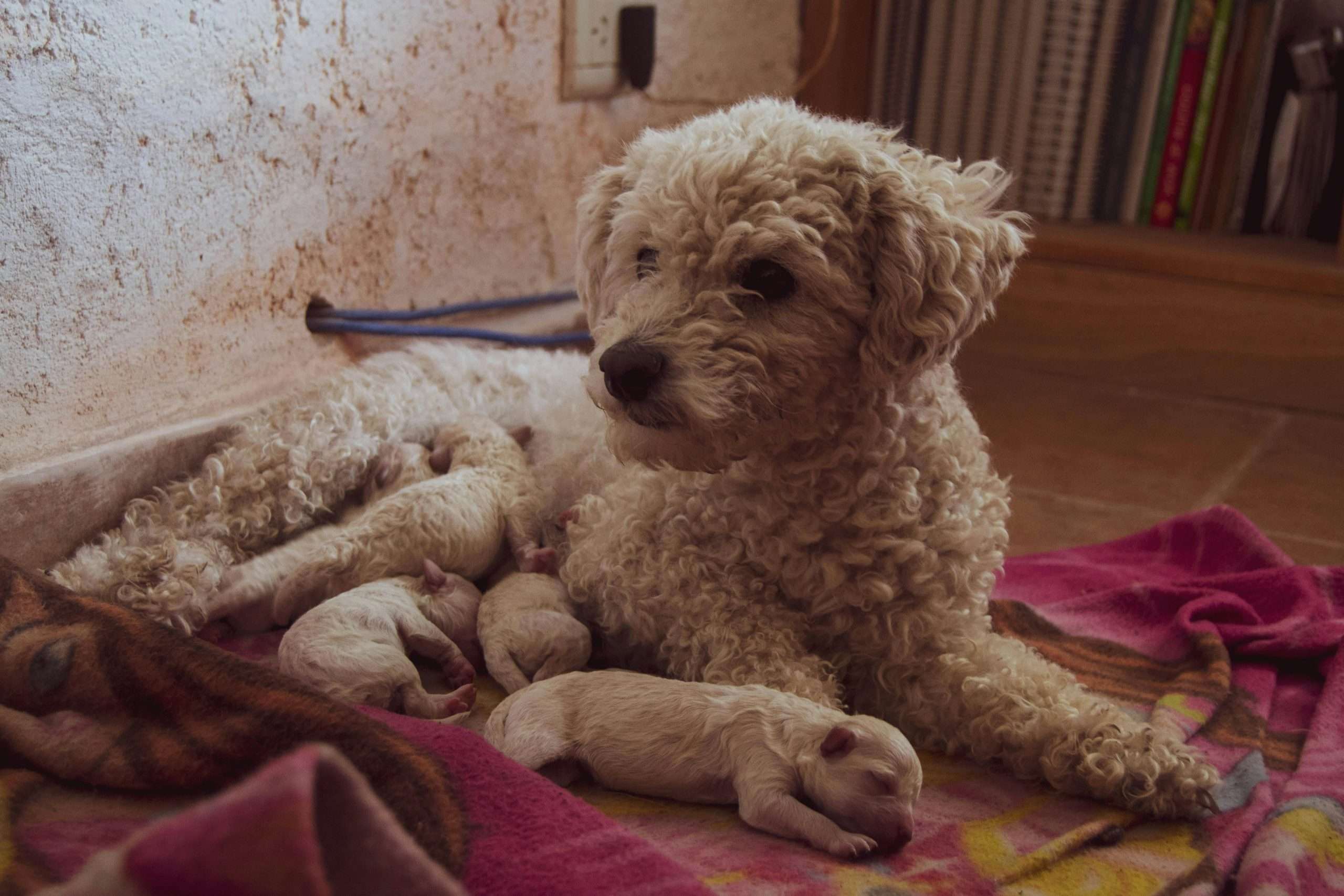
Have you ever felt overwhelmed watching your new mother dog struggle with feeding her puppies, wondering if you’re doing enough to support her? You’re not alone. The challenges of caring for a lactating dog can leave even experienced pet owners second-guessing their every move. From sudden changes in appetite to concerning behavioral shifts, the weeks following puppy birth can be both magical and nerve-wracking.
But here’s the good news: with the right knowledge and preparation, you can confidently navigate this crucial period, ensuring both mother and puppies thrive. Whether you’re dealing with your first litter or seeking to improve your care routine, this comprehensive guide will walk you through everything you need to know about supporting your nursing dog through her motherhood journey.

Immediate Post-Birth Care Essentials
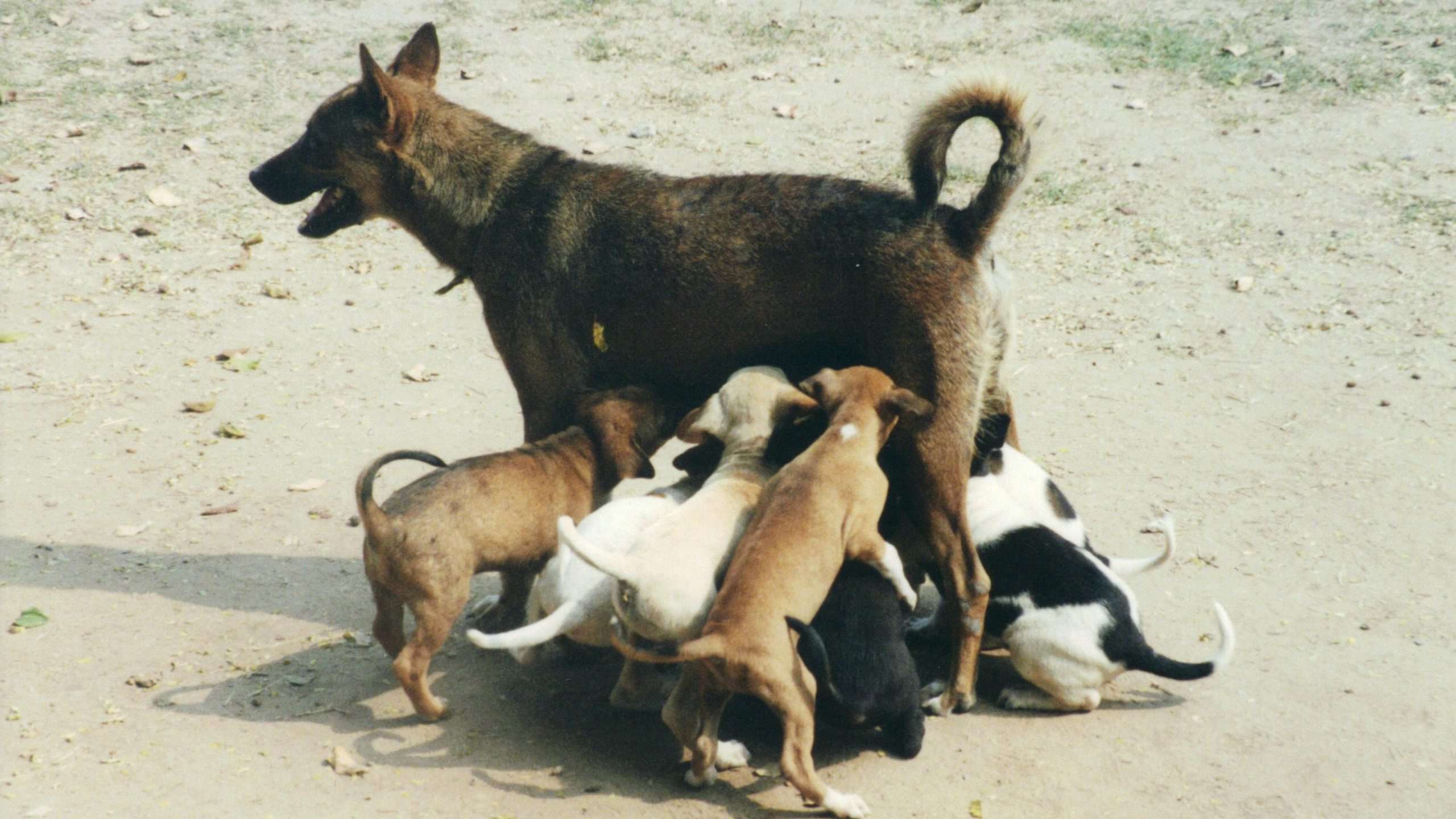
The first 48 hours after birth are critical for your lactating dog. During this period, the mother needs careful monitoring and support. Her temperature may rise slightly above the normal 101-102.5 degrees, which is typical during early lactation. Watch for any signs of distress, excessive panting, or unusual behavior that might indicate complications.
Temperature and Health Monitoring
Monitor your lactating dog’s temperature regularly during the first few days. If it rises significantly above normal or stays elevated for more than 48 hours, consult your veterinarian. Pay special attention to her overall demeanor, appetite, and energy levels, as these are key indicators of her well-being.
Nutrition and Hydration Management
A lactating mother requires significantly more calories than usual to produce adequate milk for her puppies. Her nutritional needs increase dramatically, often requiring up to four times her regular food intake by the third week of lactation.
Related reads:
Tips to Prevent Dehydration and Heat Stroke in Dogs [2024]
Dietary Requirements
Feed your nursing dog high-quality puppy food, as it provides the extra calories and nutrients needed during lactation. Split her daily food intake into 3-4 smaller meals to prevent digestive issues and maintain steady energy levels. Your lactating dog should have constant access to fresh, clean water, as dehydration can seriously impact milk production.
Feeding Schedule
Morning and evening feedings should be the largest, with smaller meals in between. Monitor her food consumption and adjust portions based on her appetite and energy levels. Some mothers may need encouragement to eat, especially in the first few days after birth.
Hygiene and Grooming Needs
Maintaining proper hygiene is crucial for both mother and puppies. Clean your lactating dog’s bedding daily and ensure her whelping area remains sanitary. While full baths should be avoided immediately after birth, gentle cleaning with a warm, damp cloth is recommended.
Mammary Care
Check her teats daily for signs of mastitis, such as redness, swelling, or hardness. The milk should be white and regular in consistency. Any discoloration or unusual discharge warrants immediate veterinary attention.
Puppy Care and Development

While the mother handles most puppy care naturally, your role is to ensure optimal conditions for their development. Monitor the puppies’ nursing patterns, weight gain, and overall health.
Growth Monitoring
Healthy puppies should:
- Gain weight steadily
- Nurse regularly
- Sleep between feedings
- Show consistent activity levels when awake
Behavioral Management
Your lactating dog may display protective behaviors, which is entirely normal. She might be reluctant to leave her puppies, even for short periods. Create a quiet, secure environment where she feels safe with her litter.
Setting Boundaries
Allow the mother space while ensuring she knows you’re there to help. Some basic guidelines include:
- Minimize visitors during the first two weeks
- Keep other pets away initially
- Maintain a consistent daily routine
- Provide quiet time for nursing and bonding
Health Warning Signs
Watch for these potential concerns in your nursing dog:
- Loss of appetite lasting more than 24 hours
- Fever or lethargy
- Decreased milk production
- Ignoring puppies
- Aggressive behavior towards puppies
- Excessive vaginal discharge
Long-term Considerations
As the puppies grow, your lactating dog’s needs will change. Around week three to four, the puppies will begin showing interest in solid food. This marks the beginning of the weaning process, during which you’ll gradually decrease the mother’s food intake to help reduce milk production.
Weaning Support
Support the weaning process by:
- Introducing puppy food to the litter
- Gradually reducing the mother’s food intake
- Maintaining separate feeding areas for mother and puppies
- Continuing to monitor the mother’s health
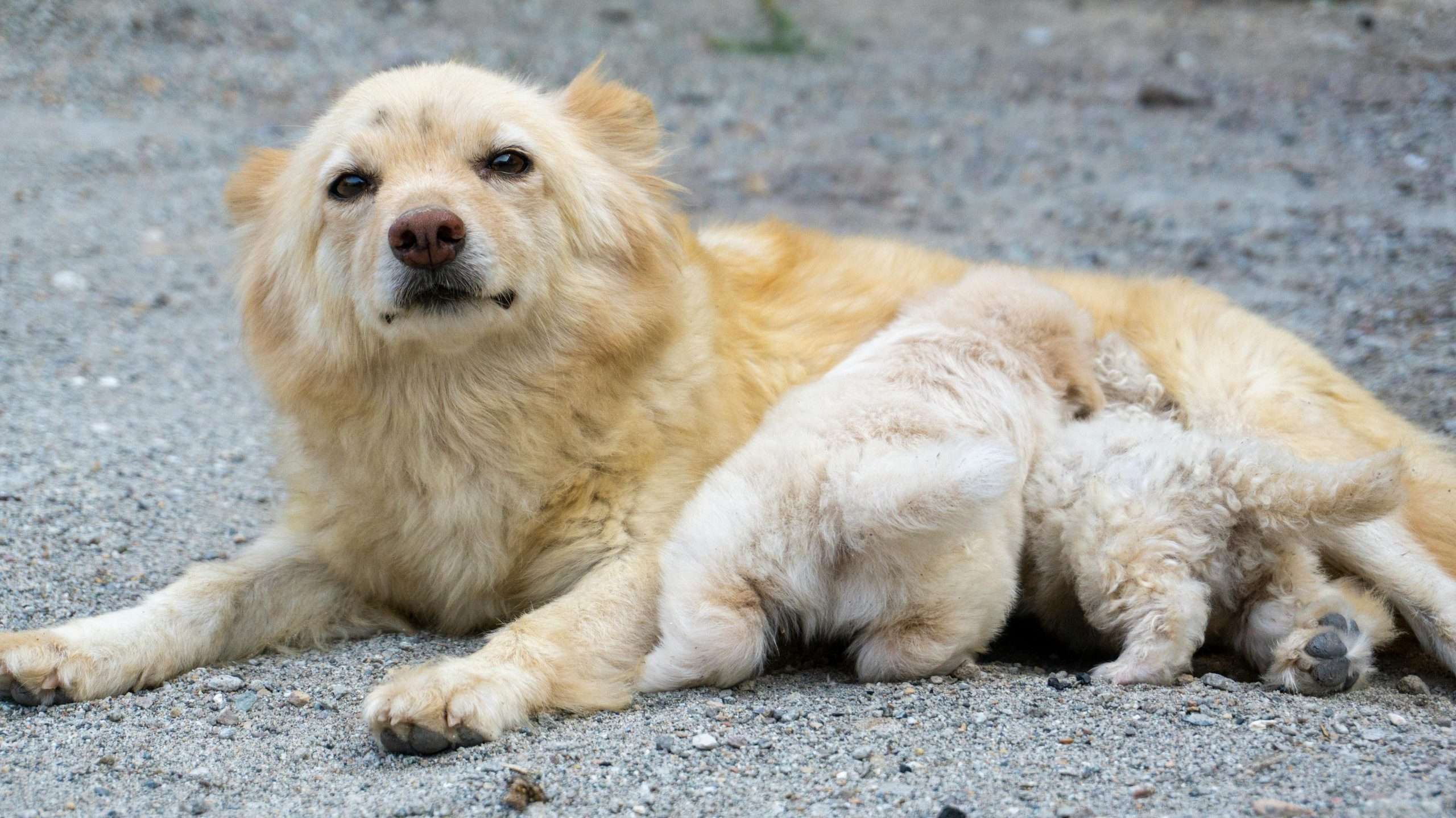
Post-Nursing Care
Once the puppies are weaned, focus on helping your dog return to her normal routine. Consider spaying once she’s fully recovered if you don’t plan for future litters. This helps prevent unwanted pregnancies and can provide health benefits.
Feeding Guide for Lactating Dogs
| Weeks After Whelping | Daily Food Intake | Recommended Meals | Water Requirements |
| Week 1-2 | 2-3x normal amount | 3-4 meals/day | 2-3x normal intake |
| Week 3-4 (Peak Lactation) | 3-4x normal amount | 4-5 meals/day | 3-4x normal intake |
| Week 5-6 | 2-3x normal amount | 3-4 meals/day | 2x normal intake |
| Week 7-8 (Weaning) | Gradually decrease | 2-3 meals/day | Normal intake |
[Note: This can vary from breed to breed, it is essential to consult a vet]
Saying Goodbye
Caring for a lactating dog and her puppies requires attention, patience, and dedication. By following these guidelines and maintaining regular veterinary check-ups, you can help ensure the health and well-being of both mother and puppies during this crucial period. Remember that each dog is unique, and while these guidelines provide a solid foundation, always consult with your veterinarian for personalized advice based on your dog’s specific needs.
Always monitor your dog’s condition closely and don’t hesitate to seek professional help if you notice any concerning changes in either the mother or her puppies. With proper care and attention, this special time can be a rewarding experience for both you and your canine family.
Frequently Asked Questions
How much should a lactating dog eat?
During peak lactation (3-4 weeks after birth), your dog needs 3-4 times her normal food intake. Feed high-quality puppy food in multiple small meals throughout the day.
When can I bathe my dog after giving birth?
Wait at least 2-3 weeks after whelping before giving a full bath. Meanwhile, use a warm, damp cloth for gentle cleaning.
How long does lactation last?
Lactating dogs typically nurse their puppies for 6-8 weeks. The weaning process usually begins around 3-4 weeks of age.
What are signs of mastitis in nursing dogs?
Watch for red, swollen, or hard mammary glands, discolored milk, fever, lethargy, and reluctance to nurse. Seek veterinary care immediately if these signs appear.