How to Brush Your Dog’s Teeth and Why It’s So Important

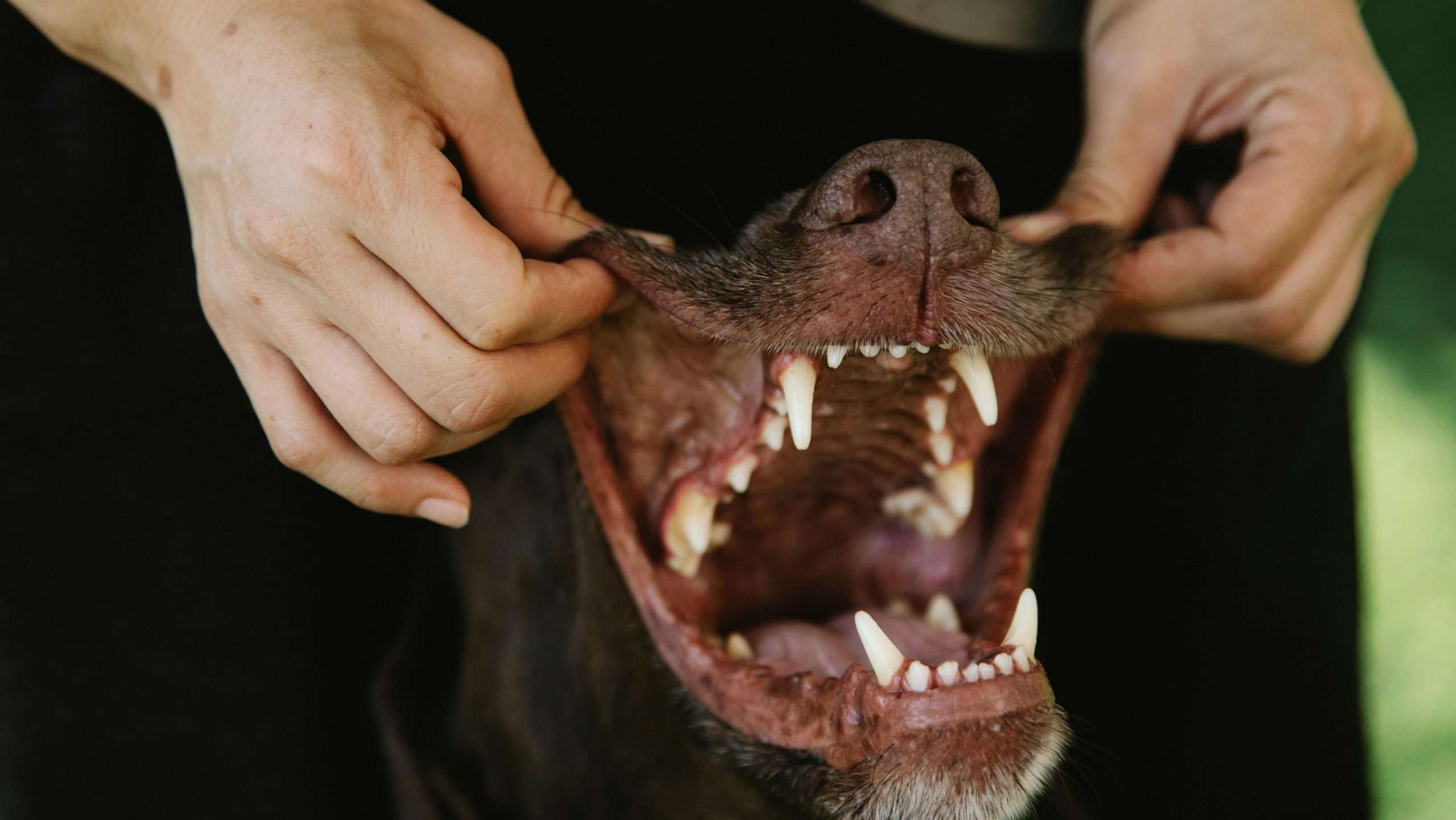
Dental issues in dogs can be a real pain, both literally and figuratively. Just imagine the discomfort your dog might feel with inflamed gums, bad breath, and the constant annoyance of plaque buildup. And that’s not even mentioning the potential for more serious problems like tooth loss or infections. It’s a scenario no loving pet owner wants to face. That’s why we have prepared this guide on how to brush your dog’s teeth and why is it so crucial.
Shockingly, more than 80% of dogs are diagnosed with active dental diseases after reaching age three. That’s a staggering statistic that highlights the importance of proper oral hygiene for our four-legged friends.

But fear not, dedicated dog parents! There’s a simple solution that can go a long way in keeping your pup’s pearly whites in pristine condition: brushing their teeth regularly. By incorporating this routine into your pet care regimen, you’ll not only ward off dental woes but also promote your dog’s overall well-being. So, let’s dive into the guide on how to brush your dog’s teeth and why is it so important.
Why is it so important to Brush Your Dog’s Teeth?
Poor oral hygiene in dogs can have far-reaching effects beyond just bad breath. Plaque, a sticky film of bacteria, constantly forms on your dog’s teeth. If not removed regularly through brushing, it can harden into tartar (calculus), which can lead to gum inflammation (gingivitis) and eventually periodontal disease. This condition affects the tissues that support the teeth, potentially causing tooth loss and creating an entry point for harmful bacteria to enter the bloodstream.
Periodontal disease has been linked to various systemic health issues in dogs, including heart disease, kidney disease, and liver problems. By brushing your dog’s teeth regularly, you can prevent plaque and tartar buildup, reducing the risk of these serious health complications and ensuring your furry companion maintains optimal oral and overall health.
How to Brush Your Dog’s Teeth: A Step-by-Step Guide
In this section we will go through 3 simple steps on how to brush your dog’s teeth.
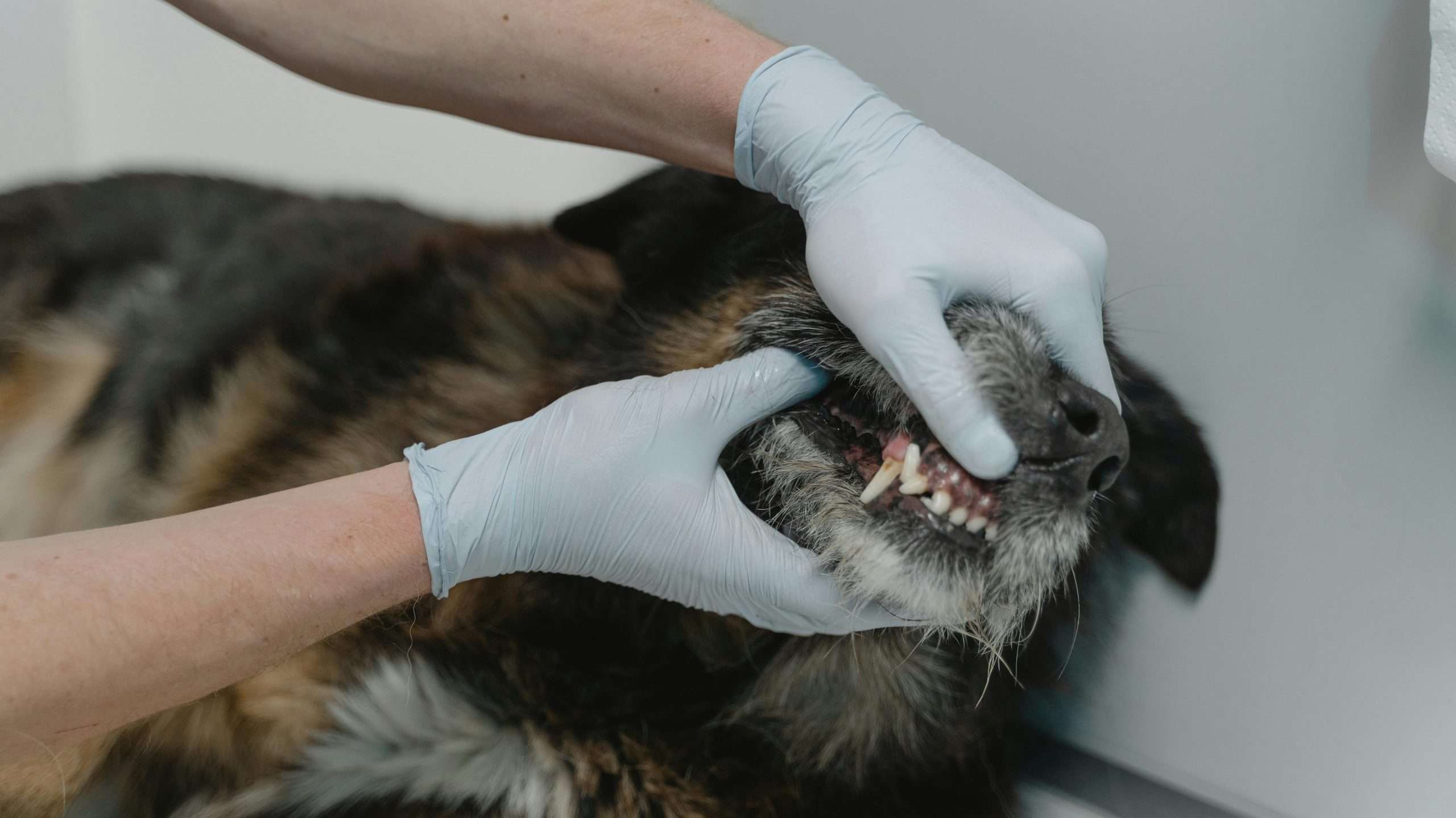
Prepare the Necessary Supplies
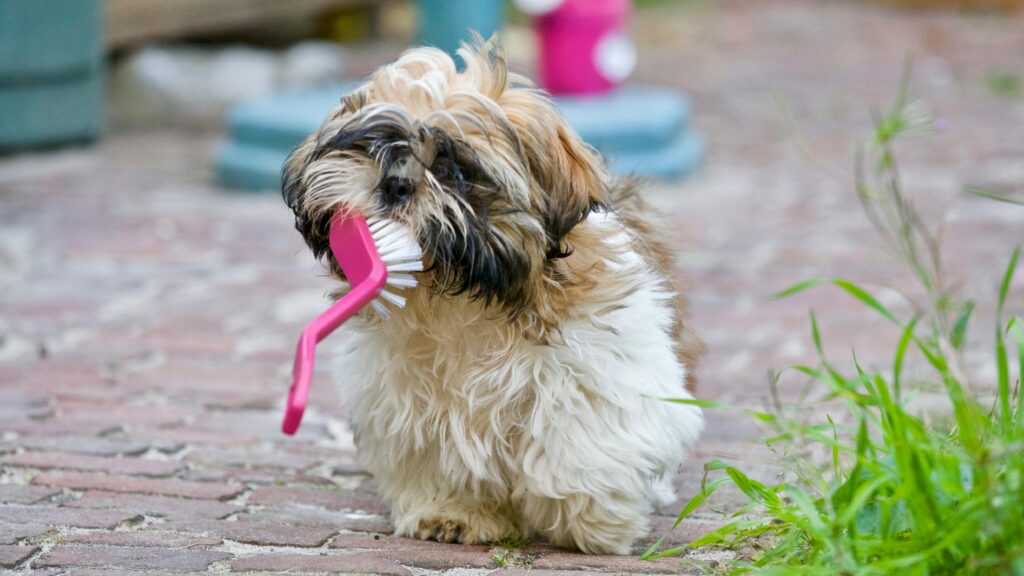
Before you begin brushing your dog’s teeth, ensure you have the right tools for the job. Invest in a soft-bristled toothbrush designed specifically for dogs, as well as a dog-safe toothpaste. Human toothpaste is not recommended, as it may contain ingredients that can be harmful if swallowed by your pet.
Get Your Dog Comfortable
Introduce the idea of teeth brushing gradually to your furry friend. Choose a quiet, comfortable location where your dog feels at ease, and use positive reinforcement techniques, such as treats and praise, to create a positive association with the process. Start by gently touching your dog’s teeth and gums with your finger or a soft cloth to get them accustomed to the sensation.
The Brushing Technique
Once your dog is comfortable, it’s time to begin brushing. Gently lift your dog’s lips and brush the outer surfaces of the teeth using a circular motion, focusing on the gum line where plaque and tartar tend to accumulate. Use short, gentle strokes and avoid pressing too hard, as this can cause discomfort and potentially damage the gums. Aim to brush your dog’s teeth for at least 30 seconds on each side.
Frequency and Consistency
The best way to brush dogs’ teeth is to establish a routine and stick to it. Ideally, you should brush your dog’s teeth daily, or at the very least, three times a week. Consistency is key to maintaining optimal oral health and preventing the buildup of plaque and tartar.
Alternative Dental Care Options
While brushing your dog’s teeth is the most effective way to maintain their oral hygiene, there are alternative options that can complement your efforts or serve as temporary solutions if your dog is resistant to brushing.
Dental chews and treats: These specially formulated treats can help scrape away plaque and tartar as your dog chews, but they should not be relied upon as a substitute for regular brushing.
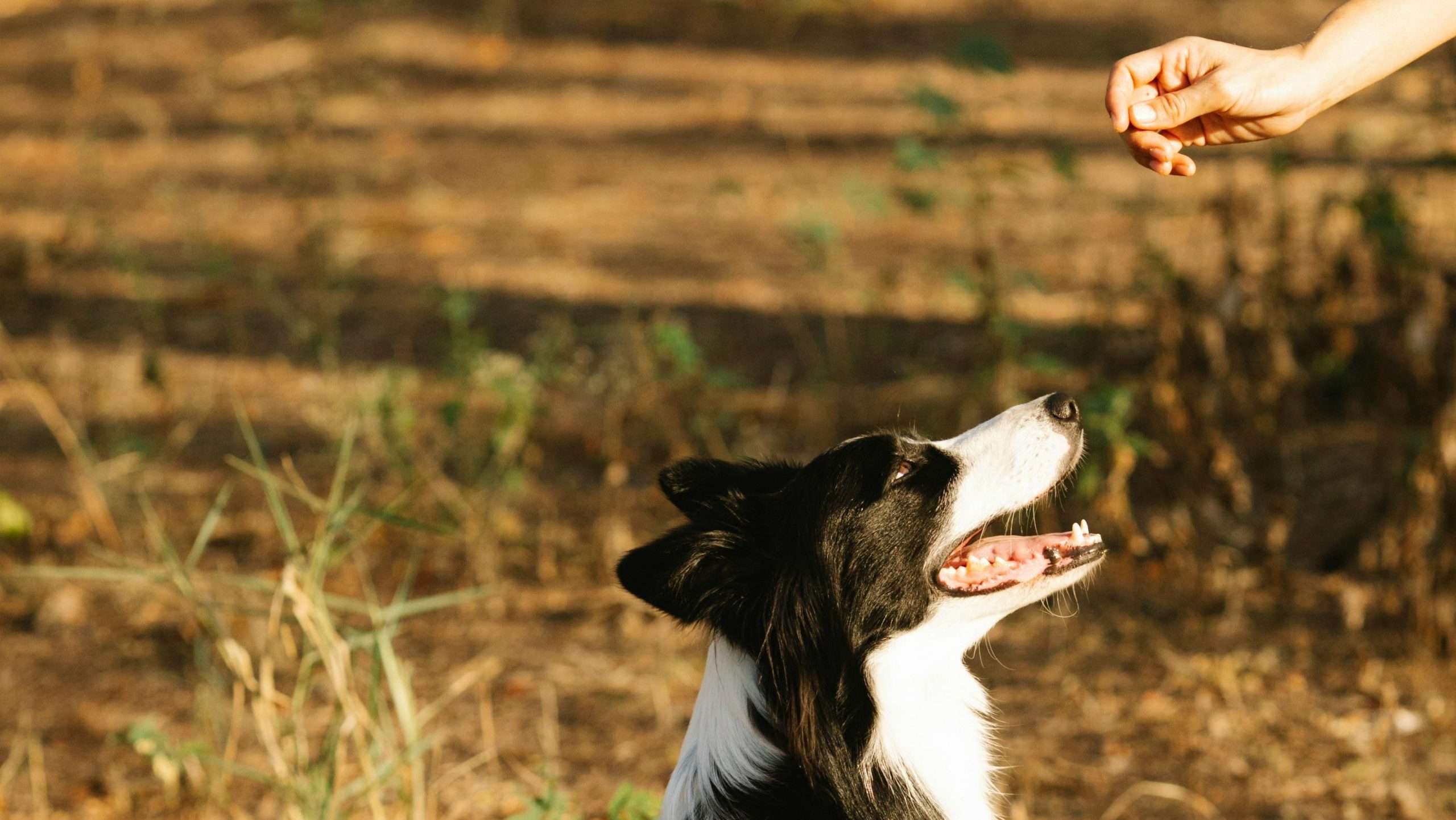
Dental sprays or gels: These products contain enzymes and antiseptics that can help reduce plaque and freshen your dog’s breath when applied directly to their teeth and gums.
Professional cleanings: Regular visits to your veterinarian for professional cleanings, typically under anesthesia, are recommended to remove any built-up tartar and ensure your dog’s teeth and gums are thoroughly cleaned.
Getting Your Dog Used to Teeth Brushing
Some dogs may resist having their teeth brushed, especially if they haven’t been introduced to the process from a young age. In these cases, patience and positive reinforcement are key. Consider using desensitization techniques, such as gradually exposing your dog to the toothbrush and toothpaste, while rewarding them with treats and praise for their cooperation. It’s also essential to brush a dog’s teeth correctly to avoid discomfort or injury. Always use a gentle, circular motion and focus on the outer surfaces of the teeth, as these are the areas most prone to plaque and tartar buildup.
Signs of Dental Problems in Dogs

Despite your best efforts, dental issues can still arise in dogs. Be on the lookout for signs of potential problems, such as:
- Bad breath (halitosis)
- Excessive drooling
- Reluctance to eat or play with chew toys
- Visible tartar buildup or inflamed gums
If you notice any of these signs, schedule an appointment with your veterinarian for a thorough examination and professional cleaning if needed.
Related reads:
7 Essential Tips to Keep Your Dog’s Teeth Healthy and Strong
Say Goodbye to Your Dog’s Dental Problems!
Regular brushing of your dog’s teeth is an essential aspect of their overall health and well-being. By following the step-by-step guide outlined in this article, you can establish a dental care routine that will help prevent plaque and tartar buildup, reduce the risk of gum disease and tooth loss, and potentially avoid more serious health complications. Remember, consistency and patience are key when brushing your dog’s teeth, and don’t hesitate to seek professional assistance if you encounter any difficulties or concerns. With proper oral hygiene, you can ensure your furry companion enjoys a lifetime of healthy smiles and a happy, pain-free mouth.
Hope you found this guide on how to brush your dog’s teeth helpful. Do let us know what you think in the comments below.
FAQs
How to brush a dog’s teeth if they’re resistant?
If your dog is resistant to having their teeth brushed, try using positive reinforcement techniques, such as treats and praise, to create a positive association with the process. Gradually introduce the toothbrush and toothpaste, starting with just touching their teeth and gums with your finger or a soft cloth. Be patient and go at your dog’s pace, never forcing them into a situation that causes them distress.
How to brush dog’s teeth for puppies vs. adult dogs?
The process of brushing a dog’s teeth is similar for puppies and adult dogs, but puppies may require more frequent and gentle introductions to the process. Start by getting your puppy used to having their mouth handled, and progress to using a soft-bristled toothbrush and puppy-safe toothpaste. Adult dogs may take more time to adjust to teeth brushing if they haven’t been exposed to it before, but with patience and positive reinforcement, they can learn to accept and even enjoy the process.
3. What if my dog won’t let me brush their teeth?
If your dog refuses to let you brush their teeth, even after attempting positive reinforcement and desensitization techniques, it’s important not to force the issue. Instead, consider alternative dental care options, such as dental chews, sprays, or gels, and schedule regular professional cleanings with your veterinarian. Additionally, consult with a professional dog trainer or behaviorist for advice on overcoming your dog’s resistance to teeth brushing in a positive and stress-free manner.