How Climate Affects Dog Care: Tips for Every Region

Caring for your dog looks different depending on where you live. Whether you’re in a sunny, humid coastal town or a chilly mountain region, the weather plays a huge role in your pet’s comfort, health, and safety. Understanding how climate affects dog care helps you make the right choices year-round – from the walks you take to the food, grooming, and health routines you follow.
Why climate affects dog care: what owners need to know
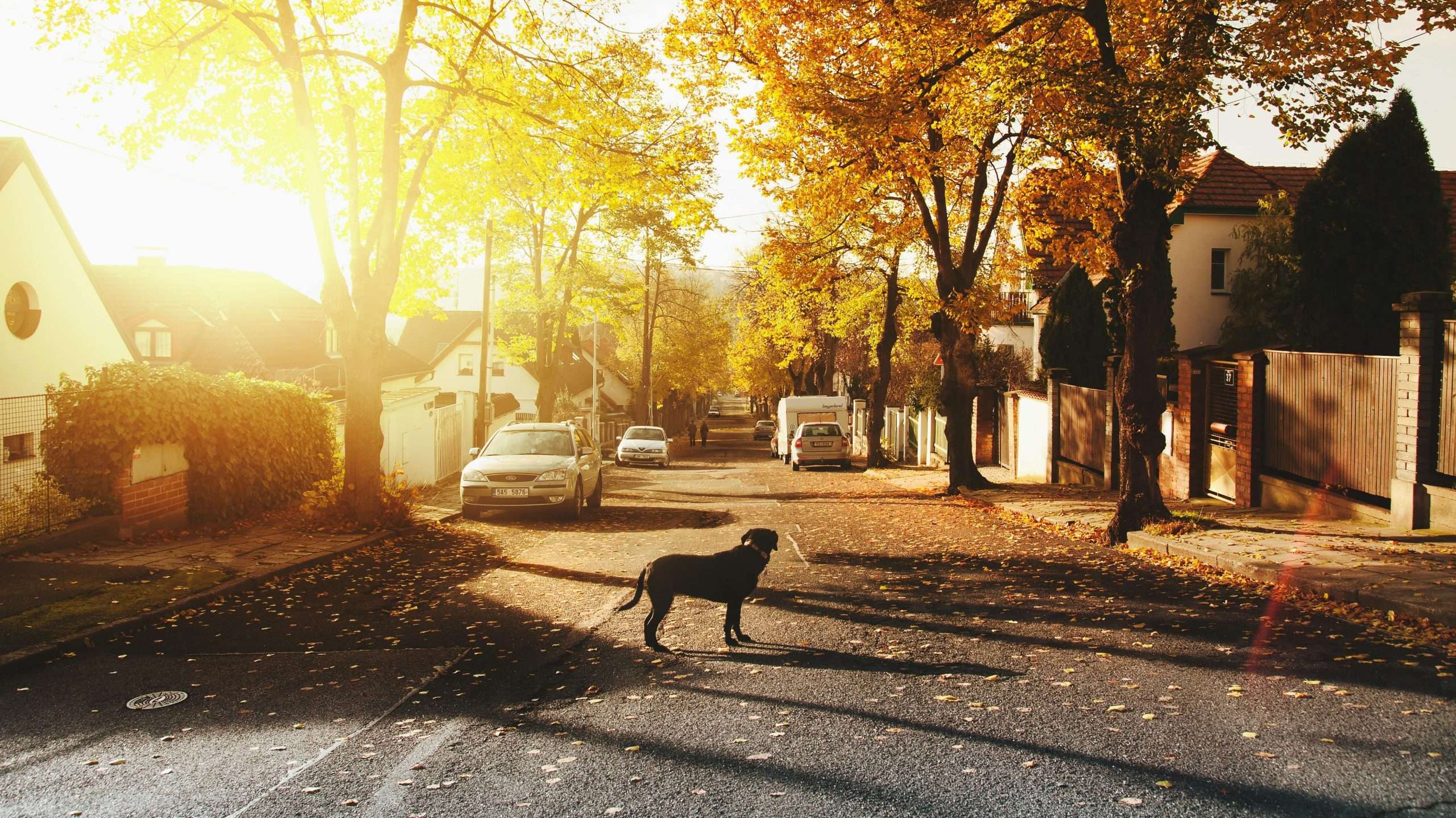
Dogs rely on us to keep them safe from environmental extremes. Temperature, humidity, rainfall, and even air quality can change how they regulate body heat, how often they shed, and how prone they are to parasites or infections. That’s why pet care can’t be one-size-fits-all.

The way climate affects dog care often depends on how a dog’s body handles heat or cold. Thick-coated breeds such as Huskies or Golden Retrievers thrive in cooler weather but struggle in hot, humid places. Short-haired dogs like Beagles or Pugs can overheat easily and might need help staying cool. Even indoor dogs are affected because climate influences indoor air, hydration levels, and daily routines.
Hot and dry regions: heat, dehydration, and sun protection
If you live in a desert or a city where summers are long and scorching, you’ll notice how climate affects dog care in obvious ways. The biggest challenges here are heatstroke and dehydration. Dogs cool themselves primarily by panting, which is far less efficient in extreme heat.
Watch for early signs of overheating such as heavy panting, drooling, or slowing down during walks. Move your dog into shade immediately if they show any of these signs. Keep fresh water available at all times, especially during outdoor play.
To protect their paws, avoid walking on asphalt or sand during the hottest parts of the day. Morning and evening walks are safest. Some owners use dog booties or apply paw balm to protect against burns. Cooling mats and ventilated sleeping areas also make a difference.
Providing shaded spaces in your yard or balcony, and never leaving your dog inside a parked car, are non-negotiable habits in hot climates.
Hot and humid climates: when humidity makes cooling harder
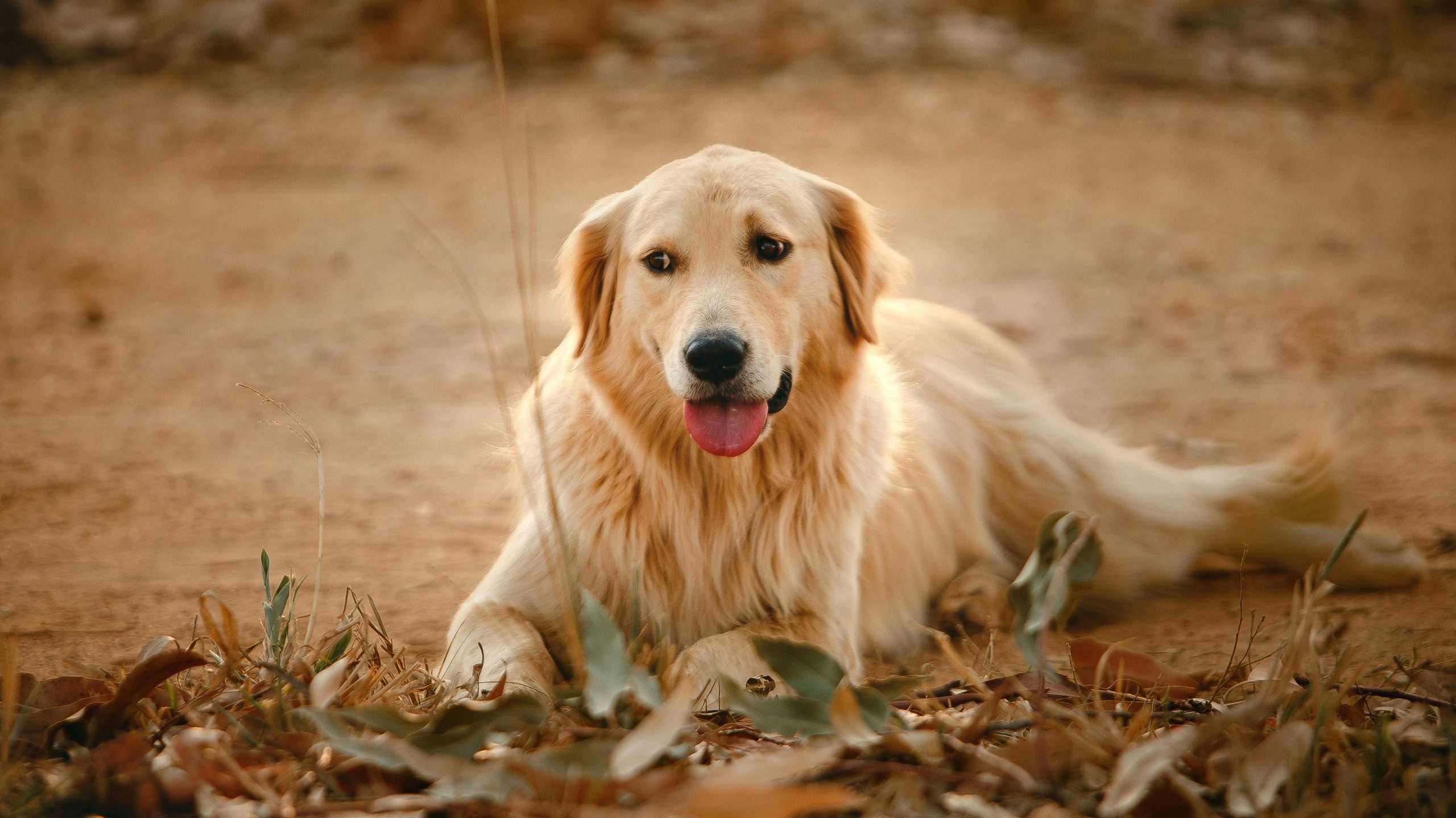
Humidity changes everything. In sticky tropical weather, panting doesn’t release heat as effectively because the air is already full of moisture. This makes dogs more prone to exhaustion, skin infections, and respiratory distress.
In these conditions, keep your home well-ventilated or use fans and air conditioning to help your dog breathe easier. Shorter outdoor play sessions work best. Wipe your dog’s fur after walks to remove sweat and moisture buildup that could lead to rashes.
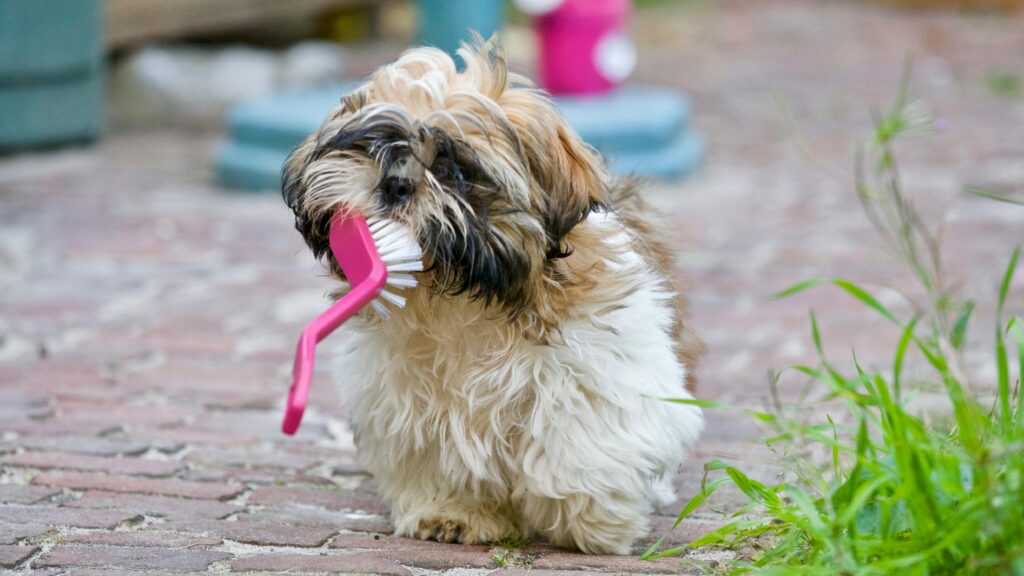
Flat-faced breeds like Pugs, Bulldogs, and Shih Tzus are especially vulnerable. For them, how climate affects dog care is even more pronounced because their short snouts make cooling down harder. It’s safer to limit activity, ensure steady hydration, and keep grooming regular to prevent fungal or bacterial skin problems.
Rainy and monsoon regions: dealing with mud, moisture, and parasites
Rainy climates bring a different kind of challenge. Constant dampness can lead to skin infections, muddy paws, and parasite infestations. If you live in an area with frequent rain, you’ll see how climate affects dog care through the need for constant drying, cleaning, and parasite prevention.
Keep a towel or absorbent mat near the door to wipe your dog’s paws and underbelly after every walk. This helps prevent fungal infections and itching. Fleas, ticks, and worms also multiply faster in warm, wet weather. Use vet-approved preventive treatments regularly.
Grooming is essential during monsoons. Brushing helps remove moisture trapped close to the skin and reduces the risk of hot spots. If your dog has long fur, consider trimming it slightly to help it dry faster.
Related reads:
Dog Walking In The Rain: Everything You Need to Know
Cold climates and snowy regions: warmth and protection from ice
Cold weather can be just as stressful for dogs as extreme heat. Thick-coated breeds might enjoy the chill, but short-haired or elderly dogs often need extra care. During winter, how climate affects dog care shows up in the form of temperature regulation and paw protection.
Dress smaller or short-coated dogs in comfortable sweaters or jackets before going outdoors. Avoid staying out for too long when the temperature drops below freezing. After walks, always clean and dry paws thoroughly — road salt and ice can cause cracks or irritation.
Heated beds or insulated sleeping spots can make cold nights more comfortable. Also, increase calories slightly in your dog’s diet if they’re more active outdoors during winter, as they’ll burn more energy to stay warm.
High-altitude and desert extremes: balancing hydration and oxygen
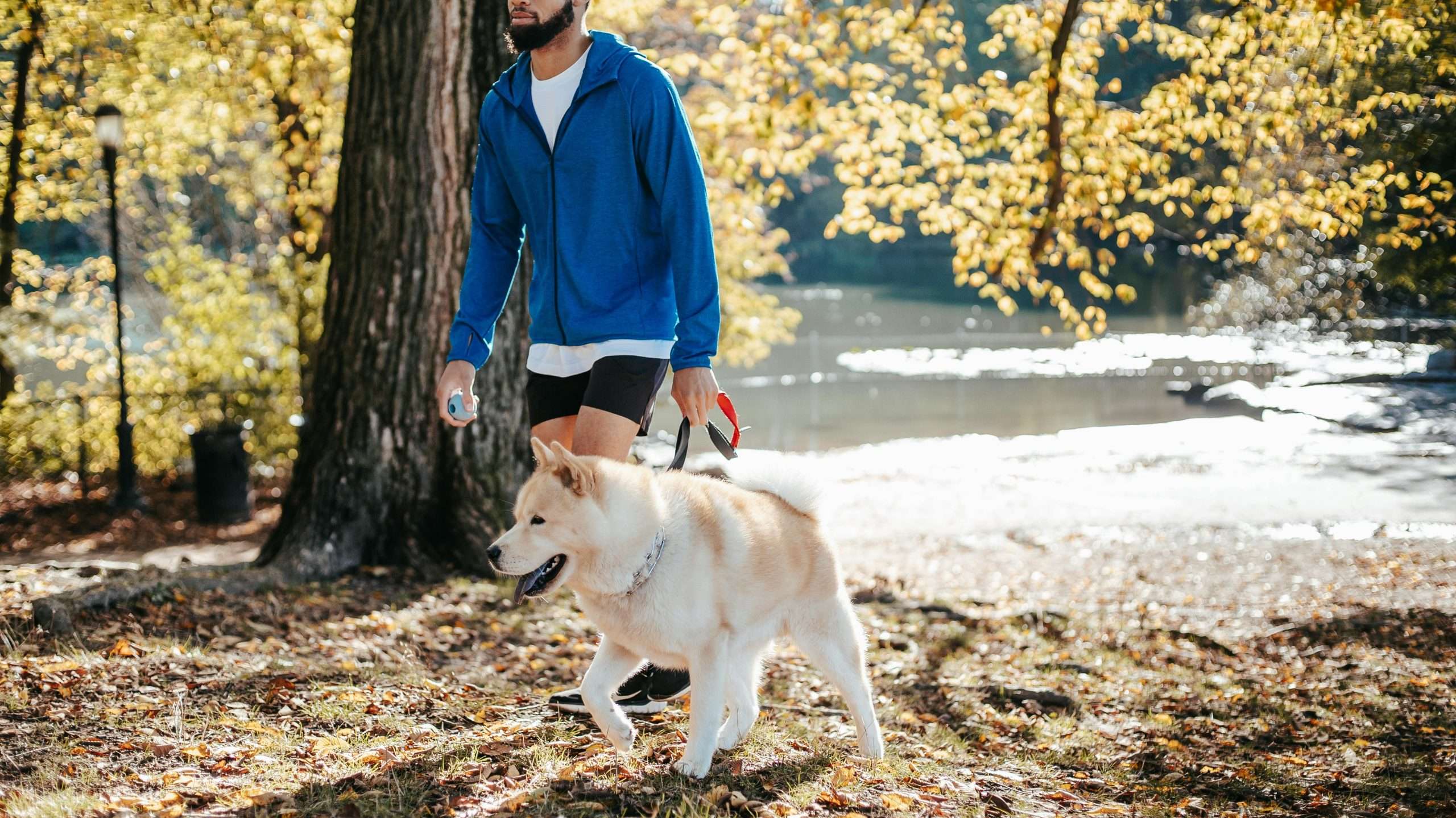
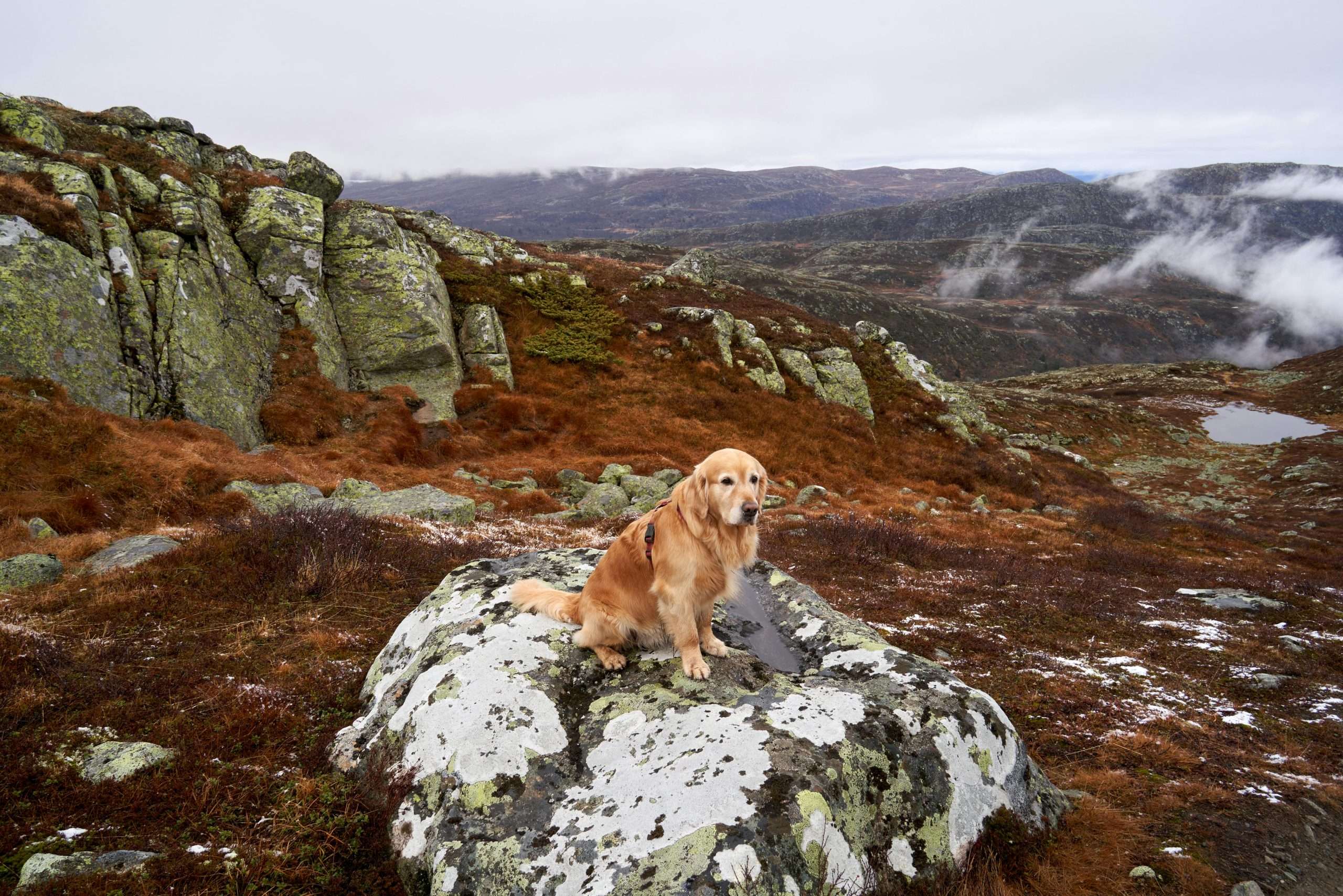
If you live in mountainous regions or arid deserts, you’ll quickly learn how climate affects dog care through altitude and dryness. At higher altitudes, the air has less oxygen, which can make dogs tire faster. Start with shorter walks and gradually build stamina. Always keep water handy, as both altitude and arid air increase dehydration risk.
In desert areas, protect your dog’s nose and paw pads with moisturizing balms to prevent cracking. Provide shaded rest breaks and ensure they always have access to cool drinking water. These simple steps make life more comfortable in harsher environments.
Year-round essentials no matter the climate
Regardless of where you live, some parts of dog care remain consistent even though climate affects dog care differently by region. Regular vet visits, vaccinations, and parasite control are essential year-round.
Grooming should adapt to the season — shorter trims in humid months and longer coats in colder ones. Nutrition also matters. Some dogs eat less in the heat, while others need extra calories in the cold. Monitor your dog’s weight and adjust feeding based on their activity levels and the weather.
Exercise routines should match the day’s conditions. Early morning or late evening walks are safer in hot weather, while midday sunshine might be perfect for winter play.
Breed and individual risk factors
Different breeds have different tolerance levels for heat and cold. That’s another way climate affects dog care uniquely. Brachycephalic dogs (with short noses) struggle in humidity, while northern breeds can overheat easily in tropical areas. Puppies, senior dogs, and those with health conditions are more sensitive to temperature changes.
If you move to a new region, consult a vet to understand how your dog’s breed and age might respond to the local climate. Even simple things like coat length, color, and body weight influence how well a dog handles weather extremes.
Practical packing list for each climate
- For hot regions, carry portable water bottles, cooling mats, and dog-safe sunscreen for light-coated pets.
- In humid climates, a good-quality fan, grooming brush, and pet-friendly wipes keep your dog comfortable.
- In rainy regions, waterproof coats, quick-dry towels, and tick-repellent sprays are essentials.
- For cold or snowy places, get paw balms, booties, and a cozy dog jacket.
These small tools make daily routines easier and safer, no matter where you live.
Final thoughts
Wherever you live, your environment directly shapes your dog’s comfort and well-being. Knowing how climate affects dog care makes it easier to plan daily routines and seasonal changes with confidence. From hydration and grooming to protection from heat or cold, small adjustments can make a big difference. Your dog depends on you to adapt – and with a bit of awareness, every region can feel like home for them.