10 Common Household Items Toxic to Dogs You Might Overlook

Your home might feel like a safe space for your dog, but it could be filled with potential threats you’re not even aware of. From the pantry to the bathroom cabinet, there are plenty of household items toxic to dogs that we use or leave lying around every day. These aren’t exotic or rare items – they’re things most pet parents don’t think twice about.
This guide breaks down the most overlooked dangers and helps you dog-proof your home for good.

Why Recognizing Household Items Toxic to Dogs Matters
Dogs explore the world through their mouths and noses. If something smells good or looks fun to chew, there’s a good chance your pet will try to taste it. The problem is, many of the everyday things we use are not safe for them. In fact, some household items toxic to dogs can cause severe health issues, including organ failure or even death.
Being informed is the first step toward prevention. Let’s take a closer look at 10 common culprits.
1. Medications Meant for Humans
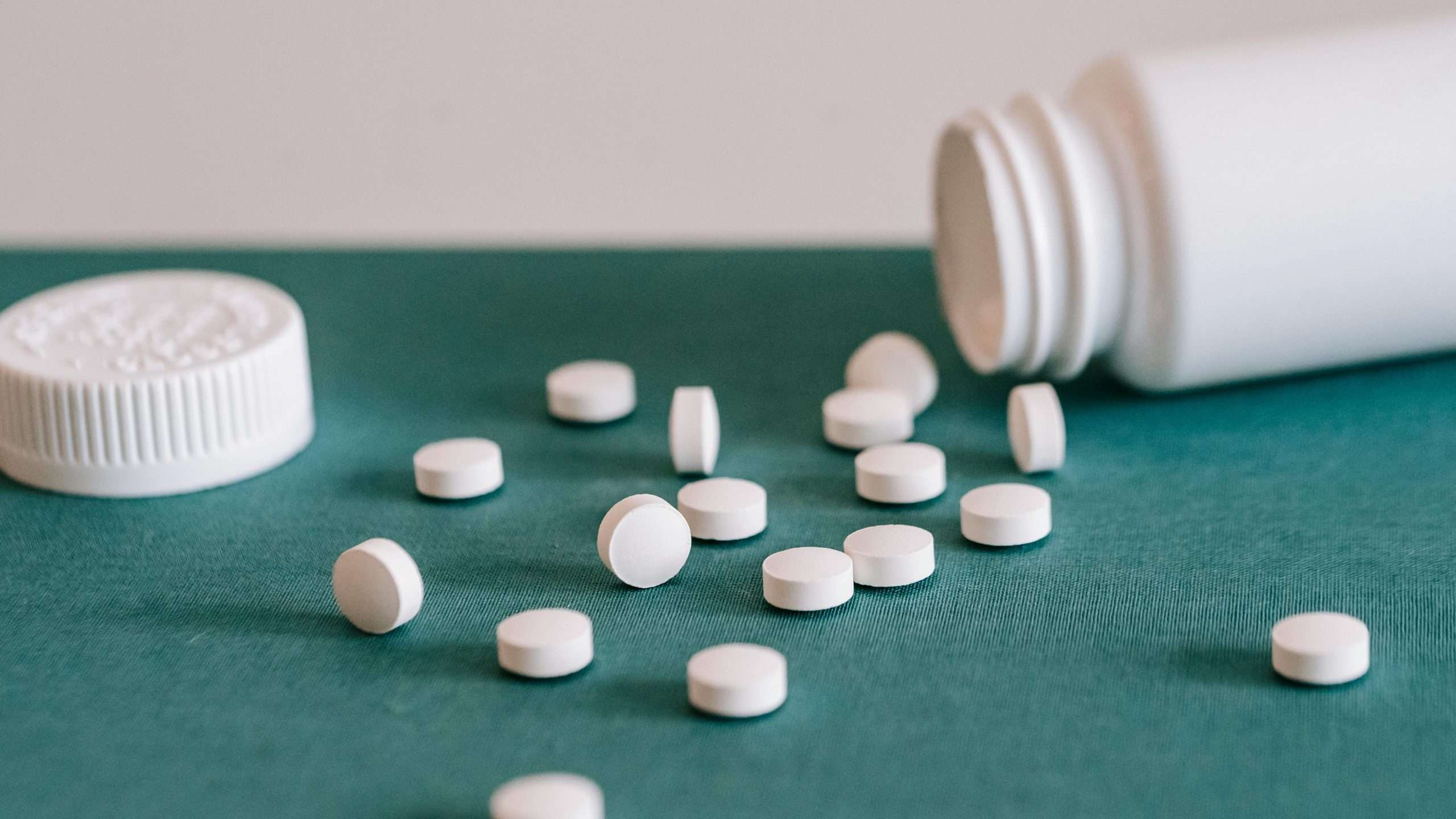
It’s not unusual to drop a pill and assume your dog won’t notice. But even a single dose of medication intended for humans can be highly dangerous to pets.
Examples of household items toxic to dogs in this category include:
- Ibuprofen (Advil, Nurofen)
- Acetaminophen or paracetamol (Panadol, Tylenol)
- Antidepressants
- Cold or flu medications
These drugs can damage the liver, kidneys, or nervous system. Always store your medications in sealed containers and never leave them on low tables or nightstands.
2. Cleaning Products in Cabinets and Buckets
Many pet owners mop the floor or spray surfaces and think the job is done once things look clean. But your dog may step on freshly cleaned areas and lick their paws afterward.
Common household items toxic to dogs under this group include:
- Bleach
- Ammonia
- Toilet bowl cleaner
- Floor disinfectants
- Detergents
Even so-called “natural” cleaners can contain plant oils or surfactants that are not pet-safe. Keep dogs away from recently cleaned areas until they’re fully dry, and consider using pet-safe cleaning alternatives.
3. Toxic Foods from the Kitchen Counter
Not all food that’s safe for you is safe for your pet. In fact, some of the most dangerous household items toxic to dogs are hidden in your pantry or even your handbag.
Top offenders include:
- Chocolate (especially dark and baking types)
- Grapes and raisins
- Onions and garlic
- Macadamia nuts
- Xylitol (found in sugar-free gum, peanut butter, and mints)
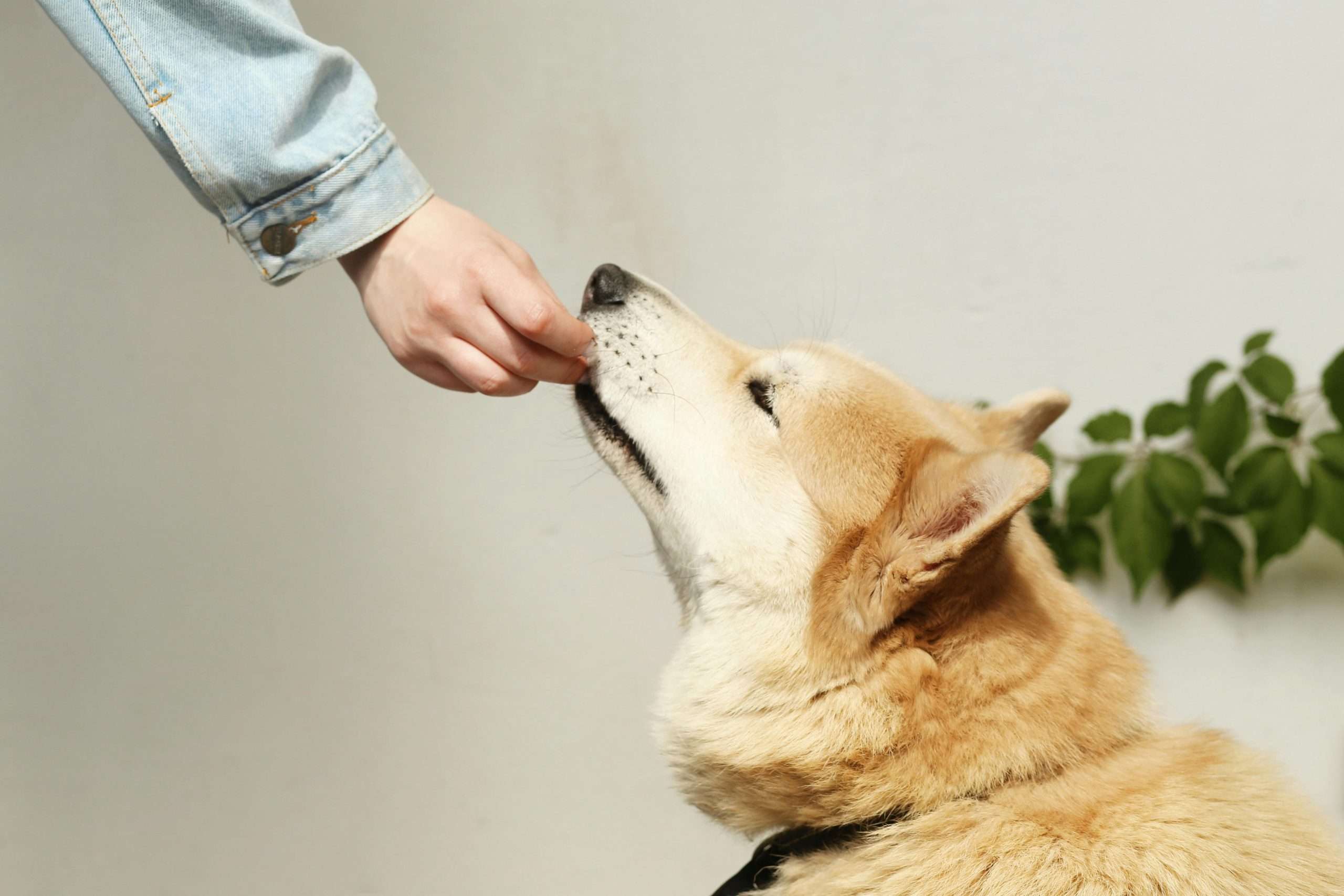
Even small amounts of these can lead to symptoms like vomiting, tremors, liver failure, or kidney damage. Never feed your dog human snacks unless you’re sure they’re safe.

4. Houseplants That Could Harm Your Pet
Decorative indoor plants brighten your home, but some are highly poisonous to pets. Dogs may chew on leaves out of boredom or curiosity, not knowing the danger.
Examples of household items toxic to dogs from the plant world include:
- Aloe vera
- Sago palm
- Dieffenbachia (dumb cane)
- Philodendron
- Lilies (especially harmful to cats but risky to dogs too)
Ingesting toxic plants can cause anything from drooling and vomiting to heart issues or liver failure. Stick to pet-friendly plants like spider plants, Boston ferns, or bamboo palms.
5. Essential Oils and Scented Products
That soothing diffuser or lavender spray you use to freshen up your room might not be as relaxing for your dog. Many essential oils are actually household items toxic to dogs, especially when inhaled in closed spaces or absorbed through the skin.
Oils to avoid around pets include:
- Tea tree
- Peppermint
- Eucalyptus
- Citrus blends
- Pine oil
Symptoms of exposure can include difficulty breathing, drooling, tremors, and skin irritation. Always use unscented or pet-safe products, and avoid applying oils to your pet’s fur or bedding.
Related reads:
6 Nutrition Myths: What Dogs Really Need in Their Diet
6. Electrical Cords and Chargers
This one often flies under the radar, especially in tech-heavy homes. Loose cords from laptops, phone chargers, and other electronics can be tempting chew toys – especially for puppies.
While not chemically toxic, these become household items toxic to dogs due to the risk of electric shock, burns, and choking. Use cord covers, hide cables behind furniture, and keep chargers unplugged when not in use.
7. Rodenticides and Pest Control Chemicals
Trying to get rid of rats or insects? Make sure your solution isn’t also harming your pet. Most rodent and bug poisons are bright-colored, scented, and designed to be attractive – which can unfortunately appeal to curious dogs.
These are extremely household items toxic to dogs and include:
- Rat poisons
- Ant baits
- Cockroach gels
- Fly sprays
Accidental ingestion can lead to internal bleeding, seizures, or death. Always place traps where pets can’t access them and consider safer, non-toxic alternatives.
8. Antifreeze and Car-Related Products
If your dog has access to a garage or driveway, keep a close watch. Antifreeze, brake fluid, and windshield washer fluid are common household items toxic to dogs that have a sweet taste – which dogs often like.
Even a small lick of antifreeze (which contains ethylene glycol) can lead to kidney failure. Clean spills immediately and store all car products on high shelves or locked cabinets.
9. Batteries and Small Electronics
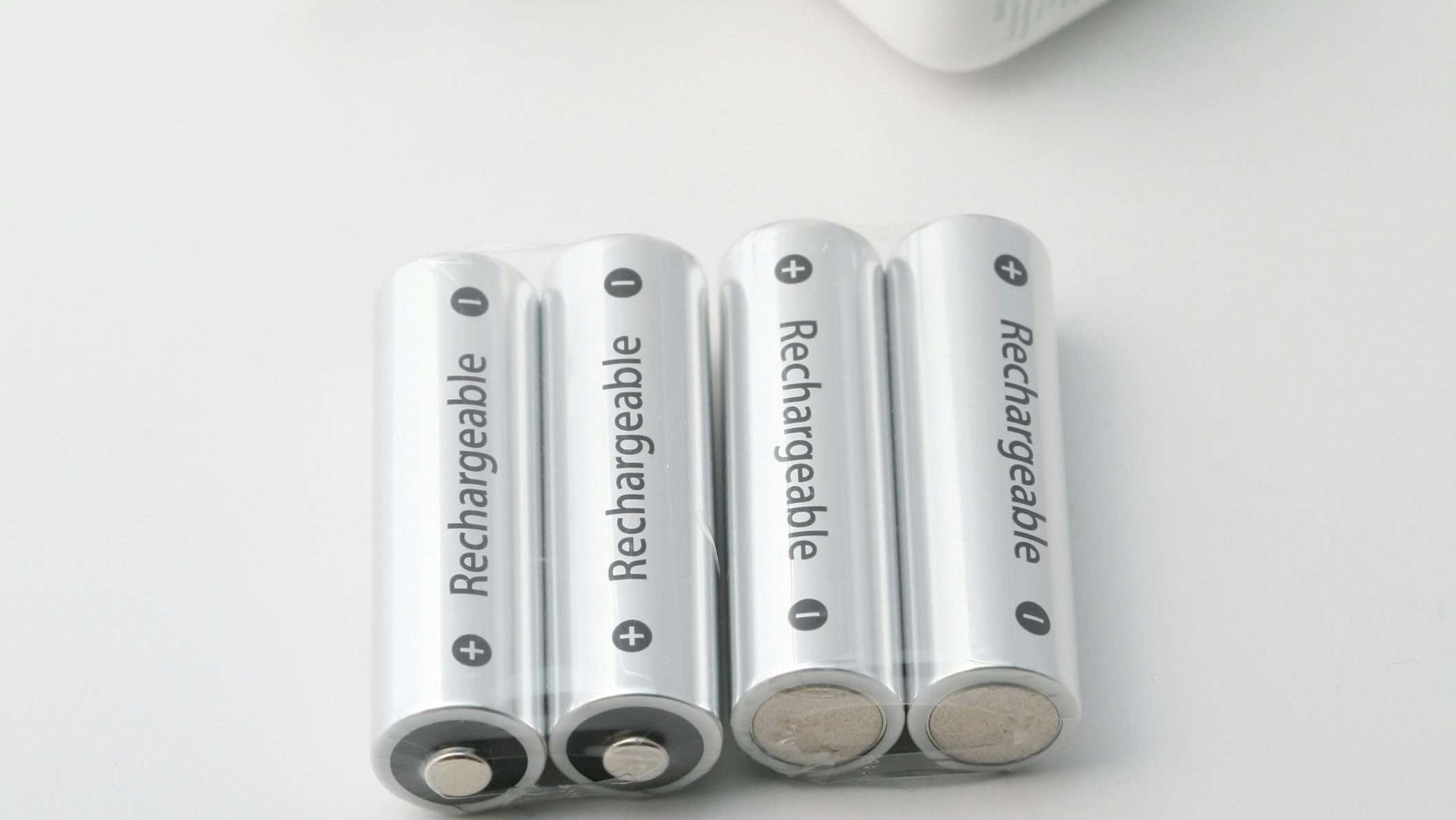
From TV remotes to hearing aids, batteries are everywhere. Swallowed batteries — especially small button batteries – can cause internal burns or release harmful chemicals inside your dog’s stomach.
These are less obvious but still count as household items toxic to dogs when they become chew toys. Always check battery compartments are secure and never leave small gadgets where pets can reach them.
10. Small Objects That Can Be Swallowed
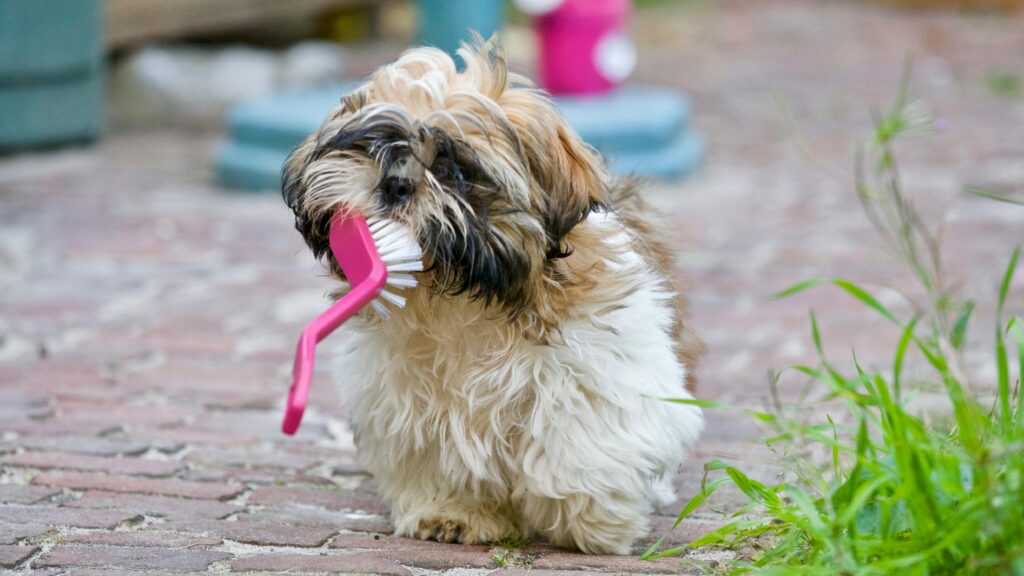
Things like coins, rubber bands, hair ties, and jewelry may not be toxic in the traditional sense, but they are still extremely dangerous. When swallowed, they can cause choking, intestinal blockage, or internal injury.
They’re another category of household items toxic to dogs, not because of chemical makeup, but because of their serious physical harm potential. Be especially cautious if you have a young or high-energy dog that loves to chew on random objects.
Warning Signs of Poisoning in Dogs
If you suspect your dog has come into contact with any household items toxic to dogs, watch out for:
- Vomiting or diarrhea
- Lethargy or weakness
- Excessive drooling
- Shaking or seizures
- Loss of appetite
- Pale gums or labored breathing
How to Prevent Exposure to Household Items Toxic to Dogs
- Keep cleaning supplies and medications in high cabinets with child-proof locks
- Use trash cans with secure lids
- Never leave food or snacks unattended on counters or coffee tables
- Double-check battery compartments and small electronics
- Educate everyone in your home, including guests, about pet safety
- Swap hazardous products for pet-safe alternatives when possible
Being proactive can help you avoid emergencies altogether.
Final Thoughts
The safest homes for pets are the ones where awareness leads to action. Once you know which household items toxic to dogs to watch out for, it becomes easier to create a safer space. Walk through your home at your pet’s eye level. Think like them. What’s within reach? What smells tempting?
A few small changes today can prevent life-threatening accidents tomorrow. Your dog depends on you for protection — and knowing what’s dangerous is part of loving them well.