How to Help Your Underweight Puppy Gain Weight – 8 Tips

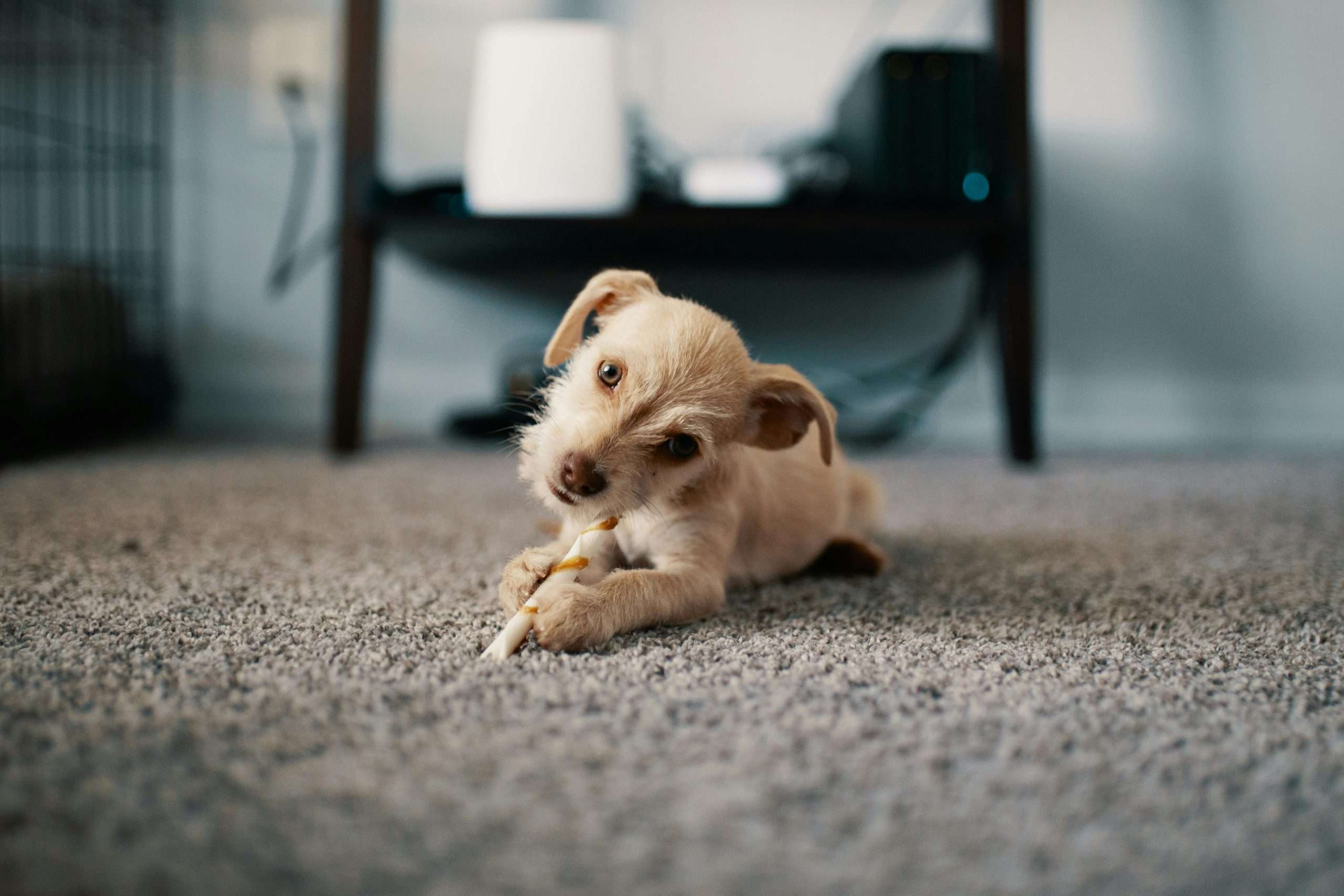
A healthy weight is crucial for a puppy’s growth and development. If your puppy is underweight, it may be due to various reasons, including health issues, poor diet, stress, or high energy levels that burn calories faster than they can consume. Whatever the cause, it’s important to help them achieve a healthy body condition in a safe and sustainable way. This guide covers everything you need to know about helping your underweight puppy gain weight effectively.
1. Consult a Veterinarian First
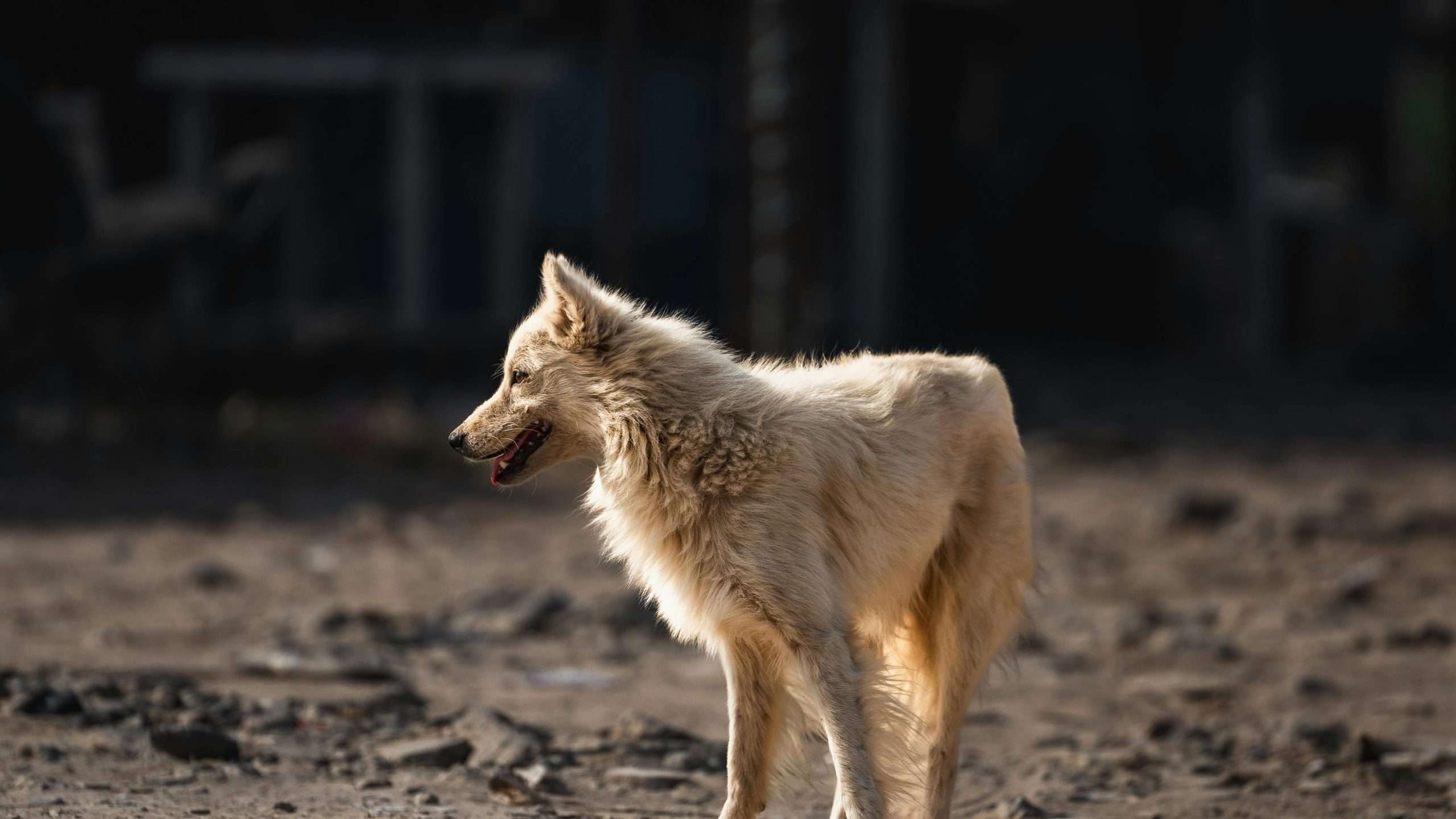
Before making any dietary or lifestyle changes, it’s essential to consult a veterinarian. Some underweight puppies may suffer from parasites, infections, digestive issues, or metabolic disorders that prevent healthy weight gain. A vet will help rule out these possibilities and recommend an appropriate plan to make your puppy gain weight.

During your vet visit, discuss:
- Any noticeable symptoms like lethargy, diarrhea, vomiting, or loss of appetite.
- Your puppy’s current diet and feeding routine.
- Whether supplements or high-calorie puppy food would be beneficial.
2. Monitor and Track the Puppy Weight Gain Progress
Keeping track of your puppy’s weight gain is essential to ensure progress. Weigh your pup regularly and compare it to the breed’s average weight range.
Tips for Monitoring Weight:
Keeping track of your puppy’s weight is essential to ensure your puppy gains weight and overall health. Here are some useful tips:
- Use a digital pet scale for precise measurements and weigh your puppy at the same time each day or week.
- Keep a weight journal to track progress, noting any fluctuations or plateaus in puppy’s weight gain.
- Monitor changes in appetite, energy levels, and physical appearance, as these can indicate potential health concerns.
- Consult your vet if your puppy isn’t gaining weight as expected. They can adjust the diet or identify any underlying issues affecting puppy’s weight gain.
3. Ensure Proper Nutrition to Make Your Puppy Gain Weight
A balanced, nutrient-dense diet is crucial for helping your puppy gain weight safely. Your focus should be on high-quality, calorie-dense foods that provide essential nutrients for growth and muscle development.
Ideal Nutrients for Weight Gain:
- Protein: Supports muscle growth. Include chicken, turkey, beef, fish, and eggs.
- Healthy fats: Increase calorie intake. Good sources include fish oil, coconut oil, and peanut butter (unsalted, xylitol-free).
- Carbohydrates: Provide energy. Opt for sweet potatoes, brown rice, pumpkin, and oatmeal.
Best Foods for an Underweight Puppy:
- High-quality commercial puppy food (Look for formulas labeled “high-energy” or “growth”)
- Home-cooked meals with vet guidance
- Raw diets (only if properly balanced and vet-approved)
- Wet food mixed with kibble to increase caloric intake
- Goat’s milk or puppy formula for additional calories
4. Increase Meal Frequency and Portion Size

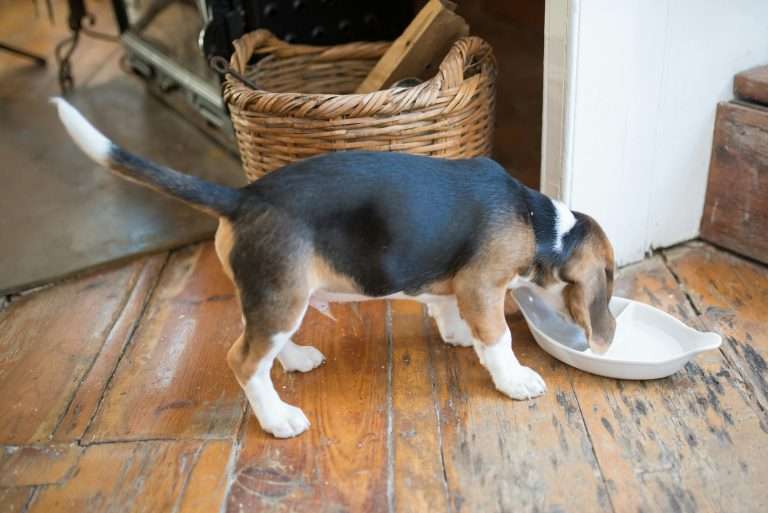
If your puppy is not gaining weight, they may not be eating enough. Instead of two large meals, consider smaller, frequent meals throughout the day.
Recommended Feeding Schedule:
- For puppies under 3 months: 4-5 meals per day
- For puppies 3-6 months: 3-4 meals per day
- For puppies 6+ months: 3 meals per day
Gradually increase portion sizes while monitoring weight gain to prevent overeating or digestive upset.
5. Consider Supplements for Healthy Weight Gain
While a nutrient-rich diet is the best approach, some underweight puppies may benefit from vet-approved supplements to support their puppy weight gain.
Recommended Supplements:
- Probiotics: Support digestion and nutrient absorption.
- Fish oil: Provides healthy omega-3 fats.
- Weight gain powders (specifically designed for dogs).
- Multivitamins: Ensure a balanced nutrient intake.
Always consult your vet before introducing supplements to your puppy’s diet.
6. Encourage Regular Exercise for Appetite Stimulation
While exercise burns calories, it also stimulates appetite and promotes muscle development. Moderate physical activity can help your puppy eat more and gain healthy weight.
Best Exercises for an Underweight Puppy:
- Short, playful walks
- Light fetch sessions
- Tug-of-war games
- Puzzle toys for mental stimulation
Avoid excessive exercise, especially for high-energy breeds, as it may cause further weight loss.
Related reads:
10 Indoor Exercises for Dogs During Bad Weather
7. Address Potential Causes of an Underweight Puppy
If your puppy is struggling to gain weight, consider possible underlying issues:
Common Causes:
- Stress and Anxiety: Environmental changes, separation anxiety, or a new home can impact eating habits.
- Poor-Quality Food: Low-nutrient dog food may not provide adequate calories.
- Food Allergies or Sensitivities: Certain ingredients may cause digestive problems.
- Intestinal Parasites: Worms can rob your puppy of essential nutrients.
- Illness or Medical Conditions: Chronic conditions may lead to weight loss.
Identifying and addressing these issues can significantly improve your puppy’s weight gain progress.
8. When to Be Concerned About an Underweight Puppy

If your puppy remains underweight despite adjustments to their diet and routine, it may be time for further medical evaluation. While some puppies may take longer to reach their ideal weight, persistent issues could indicate an underlying health concern that requires immediate attention.
Signs of a Serious Problem:
- Visible ribs, spine, or hip bones despite being fed an adequate amount of food. This suggests your puppy isn’t absorbing nutrients properly or may need a higher-calorie diet.
- Chronic diarrhea or vomiting, which can prevent essential nutrients from being absorbed, leading to slow or stalled puppy weight gain.
- Lack of appetite for more than 24 hours. Puppies need consistent nourishment, and a sudden refusal to eat could signal illness or digestive issues.
- Lethargy, weakness, or excessive sleeping. A healthy puppy should be energetic and playful; a noticeable decrease in activity could be due to malnutrition or an illness affecting puppy weight gain.
- Dull coat, dry skin, or excessive shedding. Poor nutrition and underlying medical conditions can lead to a lackluster appearance and indicate malabsorption issues.
If your puppy exhibits any of these signs, schedule a veterinary appointment immediately. The vet may perform tests to rule out parasites, infections, metabolic disorders, or food intolerances that could be preventing puppy gain weight. Addressing these issues early ensures your puppy grows strong and healthy.
Final Thoughts
Helping your underweight puppy gain weight requires patience, consistency, and a balanced approach. By providing nutrient-rich meals, increasing meal frequency, encouraging gentle exercise, and addressing potential health issues, you can help your puppy reach a healthy weight safely.
Monitor progress, make adjustments as needed, and always seek veterinary advice when in doubt. With the right care, your puppy will grow stronger, healthier, and more energetic over time.