A Quick and Easy Guide to Cleaning Dog Toys

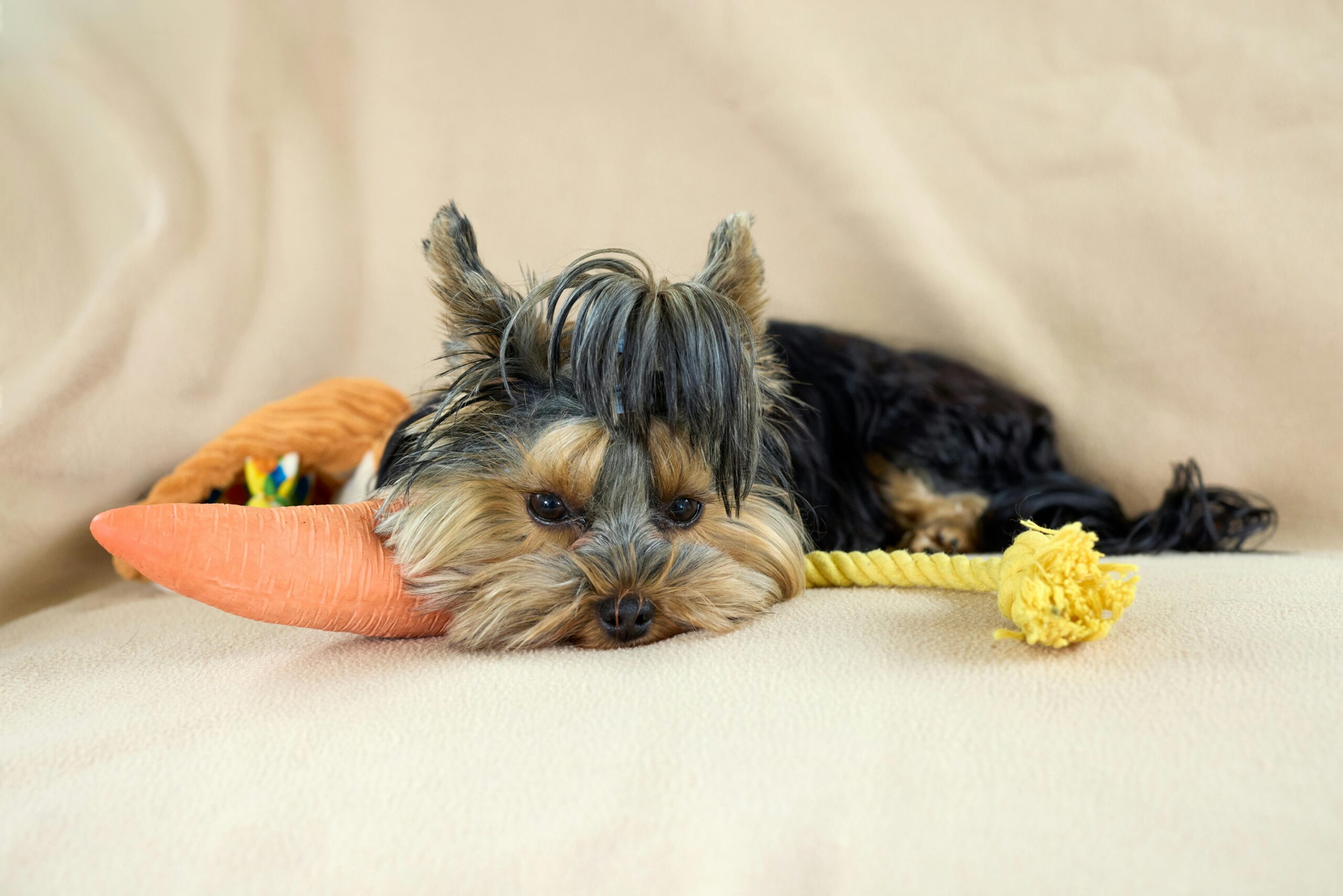
Dog toys go everywhere your dog goes. They land on dusty floors, get dragged into gardens, soaked in saliva, and sometimes forgotten under couches for weeks. Over time, all that play builds up dirt and bacteria. This is why cleaning dog toys is not just about keeping things tidy. It is part of basic pet care that directly affects your dog’s health, comfort, and safety.
Many pet parents focus on bathing their dogs or cleaning food bowls but forget about toys. The truth is, toys are often one of the dirtiest items in a dog’s daily routine. This guide breaks down everything you need to know about cleaning dog toys in a simple, practical way, without overcomplicating it. By the end, you will know when to clean, how to clean different types of toys, and how to build an easy routine that actually sticks.

Why Cleaning Dog Toys Is Important
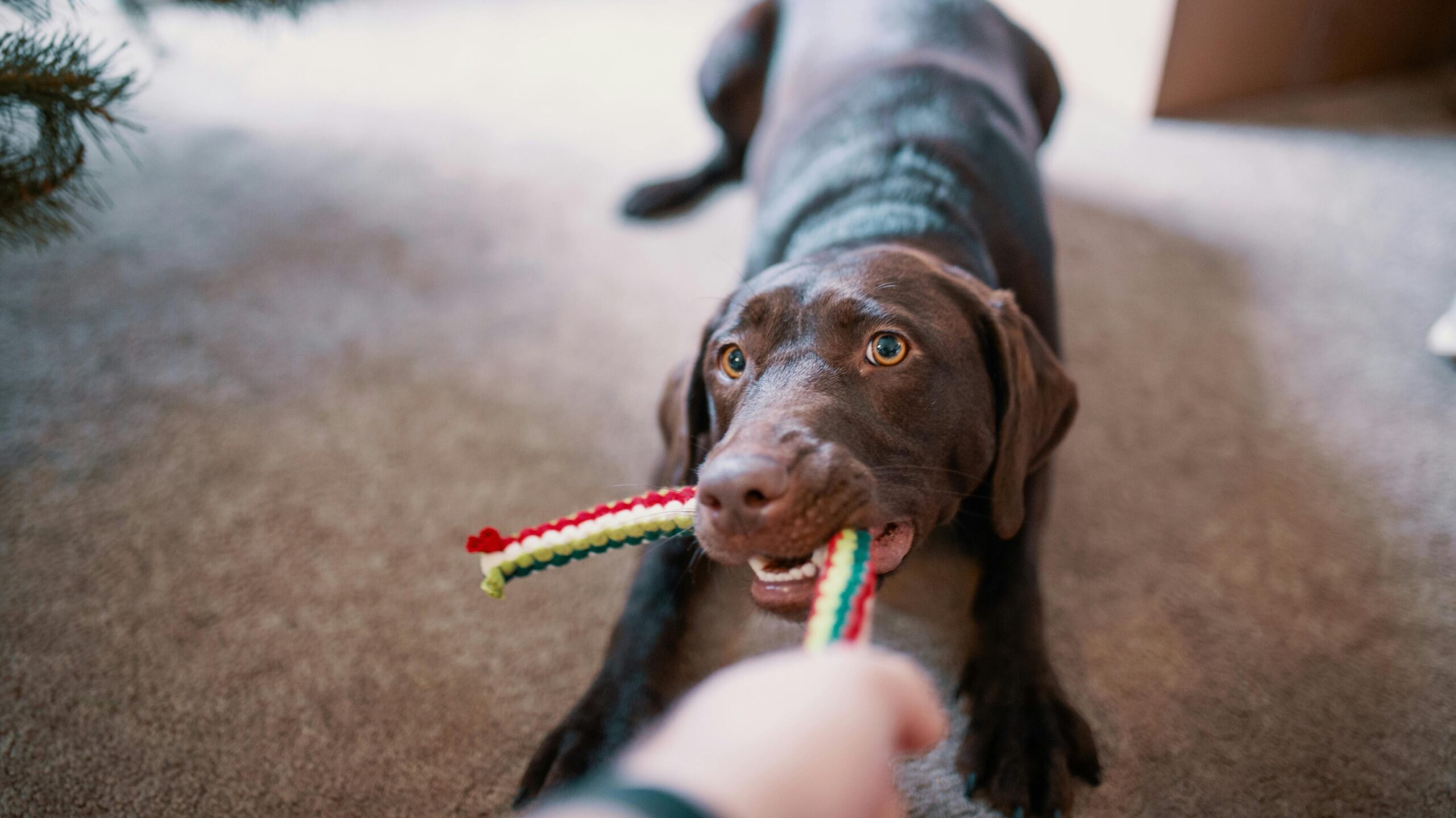
Dogs explore the world with their mouths. Every chew, tug, and fetch session transfers bacteria straight onto their toys. When those toys are not cleaned regularly, they can carry germs, mold, and even parasites back into your dog’s mouth.
Regular cleaning helps reduce the risk of stomach upsets, infections, and bad breath. It also keeps toys smelling fresh and lasting longer. Dirty toys break down faster, especially fabric and rope toys, which means more frequent replacements and more expense.
Another reason to clean dog toys is cross contamination. Toys that are left on floors or outdoors can pick up bacteria that spreads around your home. Washing them regularly helps keep your dog’s space and your living space cleaner overall.
When Cleaning Dog Toys Is Necessary and When to Replace Them
Not every toy needs to be cleaned on the same schedule. Some signs make it clear when cleaning dog toys should happen soon. If a toy smells bad, feels sticky, looks visibly dirty, or has been outside in mud or rain, it is time to wash it.
However, there are moments when cleaning dog toys is not enough. Toys with deep cracks, broken seams, loose squeakers, or frayed rope strands should be thrown away. These can become choking hazards or trap bacteria in places that are impossible to clean properly.
A good rule is this. If you cannot clean it thoroughly or safely, it should not stay in your dog’s toy box.
How Often Should You Focus on Cleaning Dog Toys
The frequency of cleaning dog toys depends on how your dog plays. Toys used every day, especially chew toys, should be cleaned at least once a week. Soft toys that your dog carries around or sleeps with may need washing every one to two weeks.
Outdoor toys or toys used during rainy walks should be cleaned after each use. If your dog is sick or has recently recovered from an illness, all toys should be cleaned immediately to prevent reinfection.
Rather than following a strict schedule, it helps to tie cleaning dog toys to existing routines. For example, washing toys every Sunday along with dog bedding makes it easier to remember.
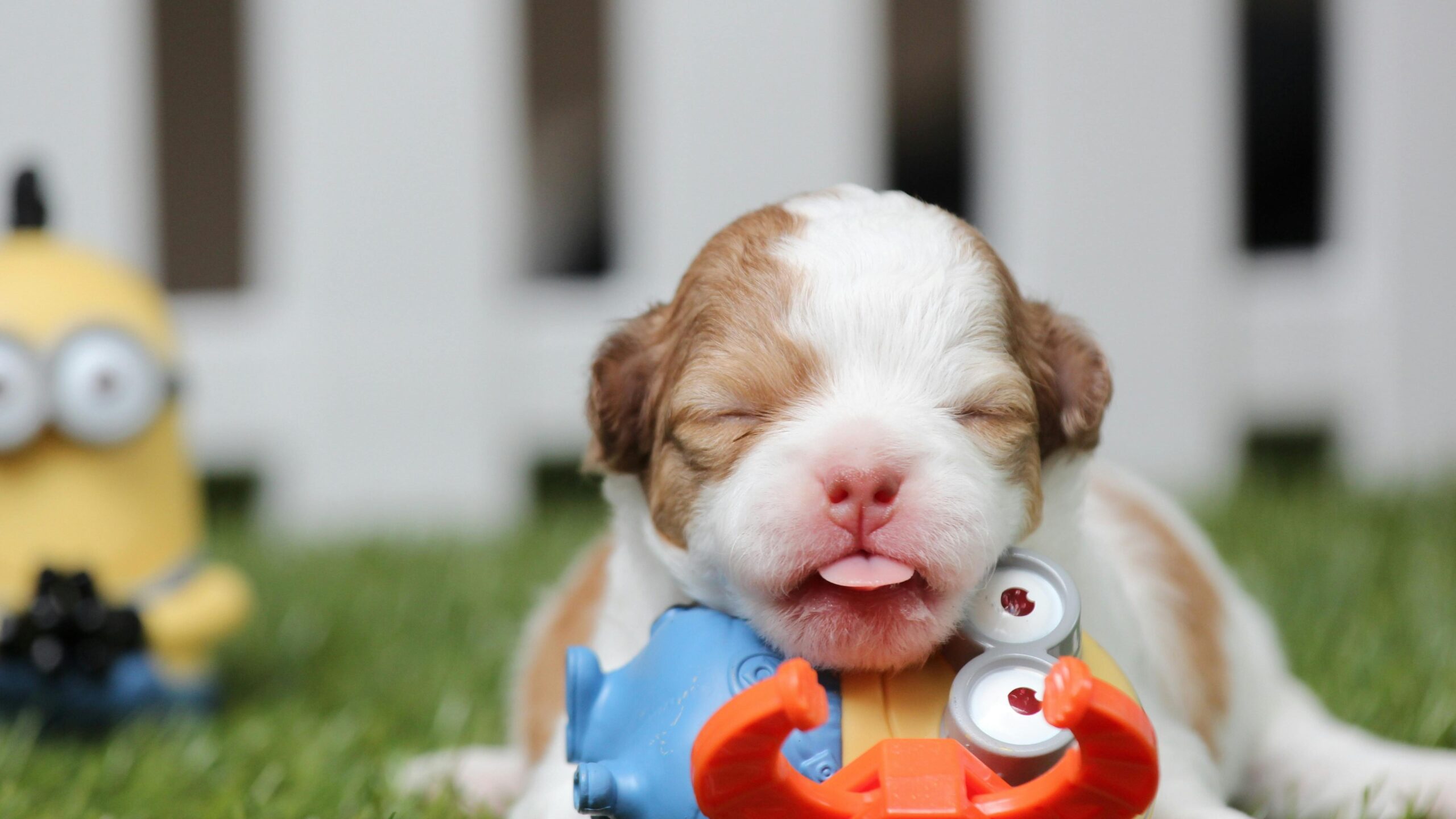
Cleaning Dog Toys Based on Toy Material
Different toys need different cleaning methods. Treating them all the same can damage toys or leave bacteria behind.
Cleaning Dog Toys Made of Rubber, Plastic, or Nylon
Hard toys are usually the easiest to clean. Many rubber and nylon toys can be washed with warm water and mild dish soap. Use a brush to scrub grooves and textured areas where dirt hides.
Some hard toys are dishwasher safe. Always check the label first. Place them on the top rack and avoid high heat drying cycles. This method works well for busy pet parents who want quick cleaning dog toys without extra effort.
After washing, rinse thoroughly to remove any soap residue before giving the toy back to your dog.
Cleaning Dog Toys Made of Rope
Rope toys collect saliva and debris deep between fibers. Hand washing works, but soaking them first in warm water helps loosen dirt. You can also machine wash rope toys using a gentle cycle and a laundry bag.
Drying is important when cleaning dog toys made of rope. Damp rope can develop mold quickly. Air dry completely in a well ventilated area before returning the toy to your dog.
If rope strands start to unravel heavily, replacement is safer than continued cleaning.
Cleaning Dog Toys Made of Plush or Fabric
Plush toys often need more frequent cleaning dog toys routines because they absorb saliva easily. Most fabric toys can be machine washed using a gentle cycle and pet safe detergent.
Avoid fabric softeners or strong fragrances. These can irritate your dog’s mouth or skin. For delicate toys with squeakers, hand washing may be safer to prevent water damage inside the toy.
Make sure plush toys are completely dry before use. Moisture trapped inside can lead to mold growth.
Cleaning Dog Toys With Treat Compartments or Hollow Centers
Interactive toys with openings need special attention. Food residue stuck inside can quickly grow bacteria. Bottle brushes or small cleaning brushes work well for reaching inside narrow spaces.
Warm water combined with mild soap is usually enough for cleaning dog toys with treat compartments. Rinse thoroughly and allow the toy to air dry upside down so no water stays trapped inside.
Safe Products for Cleaning Dog Toys
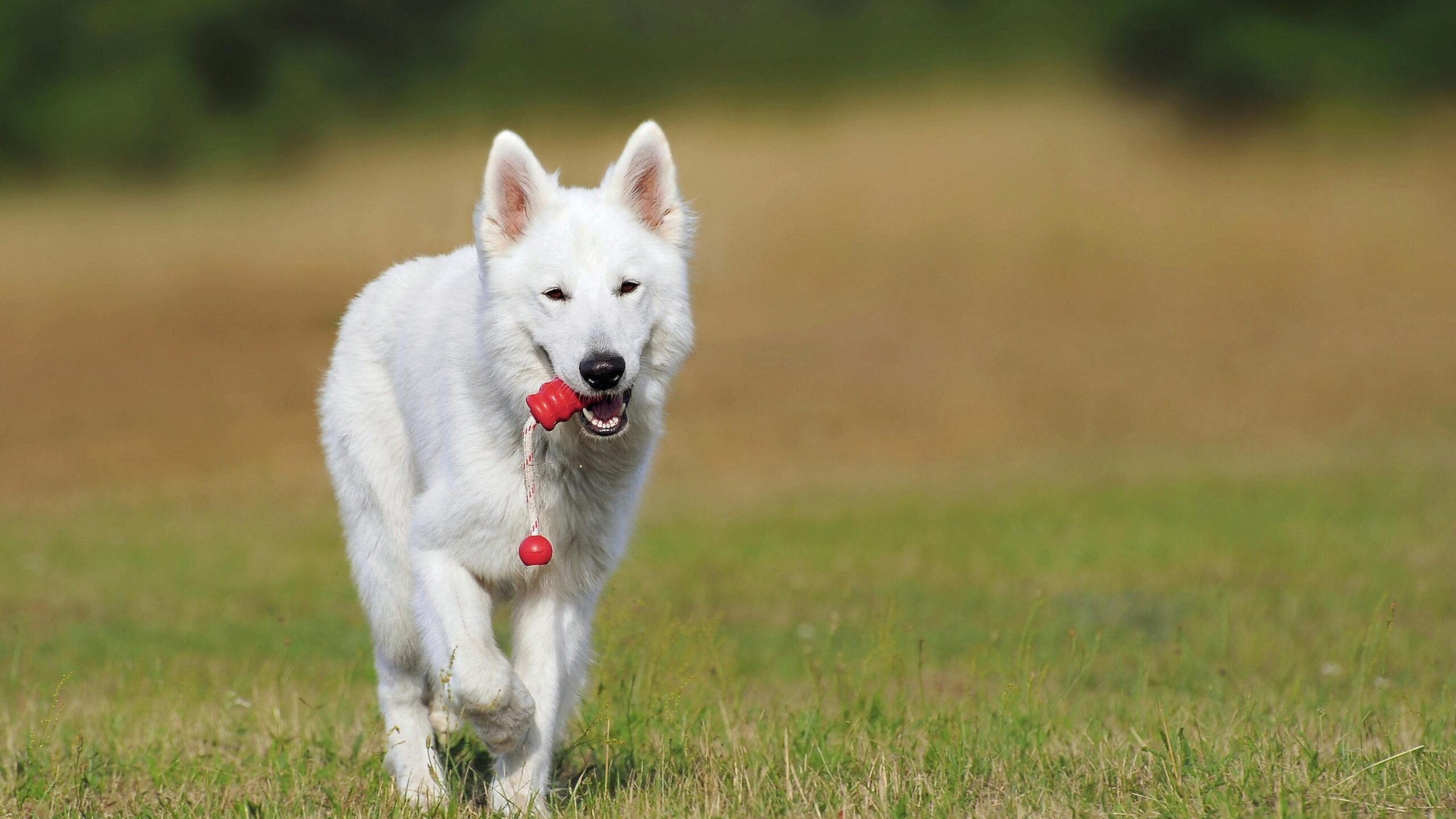
You do not need expensive cleaners for effective cleaning dog toys. Mild dish soap and warm water handle most cleaning needs. Pet safe detergents are a good option for machine washing fabric toys.
Natural solutions also work well. White vinegar diluted with water helps remove odors and bacteria. Baking soda can be used to freshen toys before rinsing.
Avoid bleach, strong disinfectants, or harsh chemicals. Even small residue amounts can be harmful when toys go back into your dog’s mouth.
Drying After Cleaning Dog Toys
Drying is often overlooked but it matters just as much as washing. Moisture encourages mold and bacteria growth. Air drying is the safest option for most toys.
If you use a dryer for fabric toys, choose low heat. High heat can damage seams or melt synthetic materials. Always check toys after drying to ensure they are fully dry inside and out.
Safety Checks During Cleaning Dog Toys
Each cleaning session is a good time to inspect toys. Look for cracks, loose parts, or weakened seams. Even toys that look fine at first glance may become unsafe over time.
Regular cleaning dog toys combined with inspections helps prevent accidents. A toy that is clean but damaged can still be dangerous.
Also remember to wash your hands after handling dirty toys and clean the sink or area used for washing. This helps avoid spreading germs around your home.
Related reads:
DIY Dog Toys to Keep Them Busy [2024]
Final Thoughts on Cleaning Dog Toys
Keeping your dog’s toys clean does not need to feel like a chore. With simple habits and the right methods, cleaning dog toys becomes part of your regular pet care routine.
Clean toys support better health, safer play, and longer lasting products. More importantly, they help protect your dog from unnecessary exposure to germs and bacteria. A little effort goes a long way in keeping playtime fun, safe, and hygienic for your dog every single day.
![All About the Different Types of Dog Toys – [2024]](https://100dogbreeds.com/wp-content/uploads/2024/06/types-of-dog-toys-768x512.jpg)
![DIY Dog Toys to Keep Them Busy [2024]](https://100dogbreeds.com/wp-content/uploads/2024/07/DIY-dog-toys-featured-768x512.jpg)