German Shepherd Dog Breed Health and Care[2024]

Owning a German Shepherd can be both rewarding and challenging. These intelligent, loyal dogs capture hearts with their noble demeanor, but their specific health needs often catch owners off guard. From hip dysplasia to unexpected digestive issues, the journey of raising a healthy German Shepherd is filled with potential hurdles. But what if you could anticipate these challenges before they arise? What secrets do experienced owners and breeders know that could transform your German Shepherd’s life?
This blog explores the critical aspects of German Shepherd dog’s health and care, that could make all the difference in your dog’s well-being.

About the German Shepherd Dog Breed
The German Shepherd Dog, often simply referred to as the German Shepherd or GSD, is a breed that originated in Germany in the late 19th century. Initially bred for herding sheep, these dogs quickly gained recognition for their intelligence, strength, and trainability.
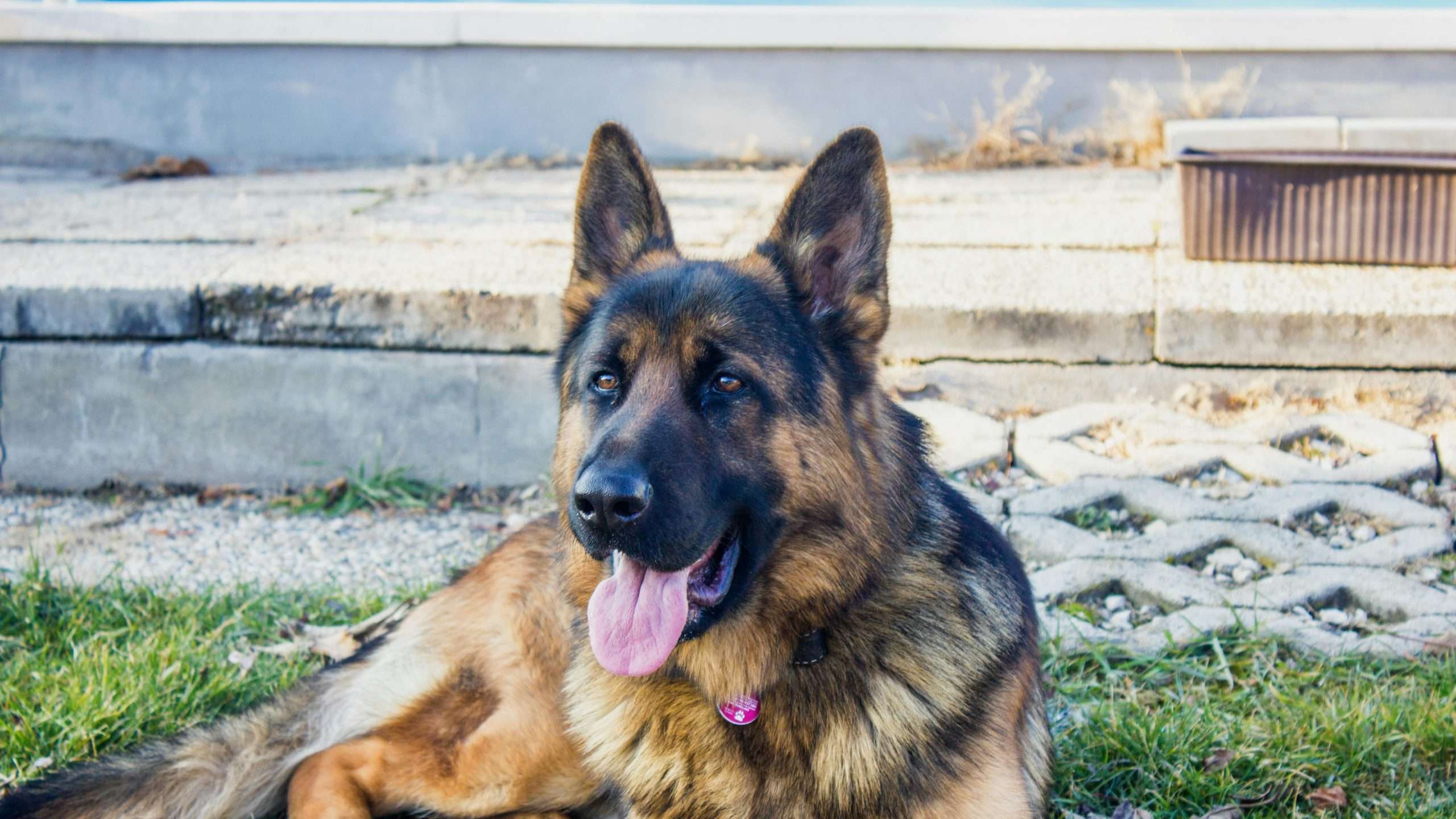
Physical Characteristics: German Shepherds are large, muscular dogs with a noble and alert expression. They typically stand 22-26 inches tall at the shoulder and weigh between 50-90 pounds. Their double coat consists of a dense outer coat and a thick undercoat, which can be various shades of black and tan, solid black, or even white.
Temperament and Personality: Known for their loyalty and courage, German Shepherd dogs are often described as confident, intelligent, and steadfast. They form strong bonds with their families and can be excellent companions and protectors. However, their high energy levels and need for mental stimulation require dedicated owners who can provide adequate exercise and training.
Health Concerns in German Shepherds
Like many purebred dogs, German Shepherds are prone to certain health issues. Being aware of these potential problems can help you provide better care and catch any issues early.
Common Health Issues:
- Hip and Elbow Dysplasia: These are hereditary conditions where the hip or elbow joints don’t develop properly, leading to arthritis and pain. Regular exercise, maintaining a healthy weight, and avoiding overfeeding during puppyhood can help reduce the risk.
- Degenerative Myelopathy: This is a progressive disease of the spinal cord that can lead to paralysis in older dogs. While there’s no cure, physical therapy and assistive devices can help manage the condition.
- Bloat (Gastric Dilatation-Volvulus): This is a life-threatening condition where the stomach fills with gas and twists on itself. Symptoms include a distended abdomen, unsuccessful attempts to vomit, and signs of distress. Immediate veterinary attention is crucial.
- Allergies: German Shepherd dogs can suffer from various allergies, including food allergies and environmental allergies. Symptoms may include itchy skin, ear infections, and gastrointestinal issues.
- Exocrine Pancreatic Insufficiency (EPI): This is a digestive disorder where the pancreas doesn’t produce enough digestive enzymes. It can lead to weight loss despite increased appetite, diarrhea, and poor coat condition.
- Genetic Health Screening: Responsible breeders often conduct genetic health screenings to reduce the likelihood of these issues. If you’re getting a German Shepherd puppy, ask the breeder about health certifications for the parents.
Care Guide for German Shepherd Dogs
Proper care is essential for maintaining the health and happiness of your German Shepherd.
Nutrition and Diet: German Shepherds require a balanced diet rich in high-quality proteins, fats, and carbohydrates. The amount of food needed will depend on the dog’s age, size, and activity level. It’s important to avoid overfeeding, as obesity can exacerbate joint problems.
Feeding Schedule: Adult German Shepherd dogs typically do well with two meals a day, while puppies may need three to four smaller meals. Always provide fresh water and monitor your dog’s weight to adjust portions as needed.
Exercise and Mental Stimulation: German Shepherds are active dogs that require plenty of exercise. Aim for at least an hour of activity daily, which can include walks, runs, play sessions, or training exercises. Mental stimulation through puzzle toys, obedience training, or canine sports is also crucial to prevent boredom and destructive behaviors.
Grooming: German Shepherds have a double coat that sheds year-round, with heavier shedding periods twice a year. Regular brushing (at least 2-3 times a week) helps control shedding and keeps the coat healthy. Bathing should be done as needed, typically every 2-3 months unless the dog gets particularly dirty.
Nail Trimming: Regular nail trims are important to prevent discomfort and potential injuries. If you can hear your dog’s nails clicking on the floor, it’s time for a trim.
Dental Care: Regular teeth brushing (ideally daily) helps prevent dental disease. Dental chews and toys can also help maintain oral health.
Training and Socialization

German Shepherds are highly intelligent and trainable, but they require consistent and positive reinforcement-based training. Early socialization is crucial to ensure they grow into well-adjusted adults. Expose your German Shepherd puppy to various people, animals, and situations in a positive manner.
Obedience training should start early and continue throughout the dog’s life. German Shepherds excel in various dog sports and activities, which can provide excellent mental and physical stimulation.
Preventive Health Care
Regular Veterinary Check-ups: Annual health check-ups are essential for German Shepherds. These visits allow your vet to monitor your dog’s overall health, catch any potential issues early, and keep vaccinations up to date.
Vaccinations: Keep your German Shepherd up to date on core vaccinations, including those for rabies, distemper, parvovirus, and hepatitis. Your vet may recommend additional vaccinations based on your dog’s lifestyle and risk factors.
Parasite Prevention: Regular deworming and protection against fleas, ticks, and heartworms are crucial for your German Shepherd’s health.
Living with a German Shepherd
While German Shepherds can adapt to various living situations, they do best in homes with ample space and a securely fenced yard. They are not well-suited to apartment living unless their exercise needs can be consistently met.
When properly trained and socialized, German Shepherds can be excellent family dogs. They are generally good with children but should always be supervised due to their size and herding instincts.
German Shepherds can adapt to various climates but may struggle in extreme heat due to their thick coats. In hot weather, provide plenty of shade and water, and avoid exercising during the hottest parts of the day.
Related reads:
Why the French Bulldog has Become so Popular
Final Thoughts
German Shepherds are remarkable dogs that can make wonderful companions for the right owners. Their intelligence, loyalty, and versatility have made them one of the most popular breeds worldwide. However, they require dedicated care, including proper nutrition, regular exercise, consistent training, and preventive health care. By understanding and meeting these needs, you can ensure your German Shepherd leads a healthy, happy, and fulfilling life. Whether as a family pet, working dog, or canine athlete, the German Shepherd continues to prove why it’s often considered one of the most capable and beloved dog breeds in the world.
FAQs
Are German Shepherds good with children?
Yes, when properly socialized, German Shepherds can be excellent with children. However, due to their size and herding instincts, supervision is always recommended.
How much exercise does a German Shepherd need?
German Shepherds need at least an hour of exercise daily, including walks, playtime, and mental stimulation activities.
Do German Shepherds shed a lot?
Yes, German Shepherds are heavy shedders, especially during seasonal coat blows. Regular brushing can help manage shedding.
Are German Shepherds easy to train?
German Shepherds are highly intelligent and trainable. However, they require consistent, positive reinforcement-based training methods.
What is the average lifespan of a German Shepherd?
The average lifespan of a German Shepherd is 9-13 years, though some may live longer with proper care.
![What to Know About Doberman Pinschers [2024]](https://100dogbreeds.com/wp-content/uploads/2024/07/dobberman-featured-scaled-e1721154989478-768x384.jpg)