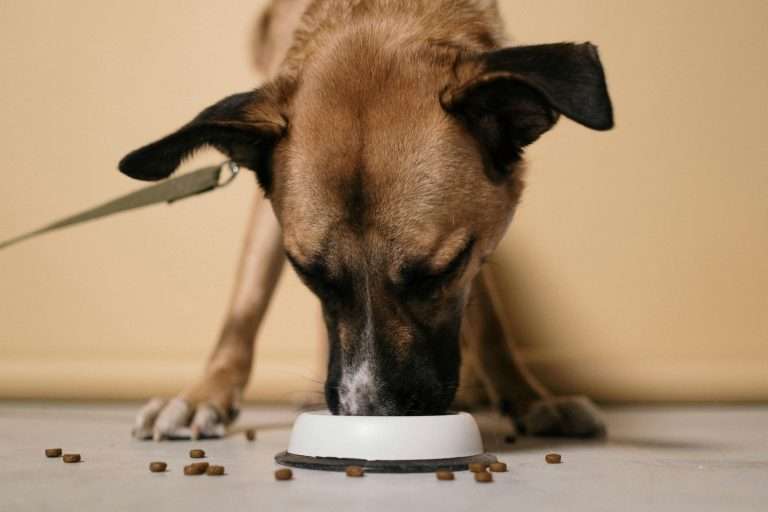
Feeding Puppies vs Adult Dogs: What Actually Changes and When


If you have ever stood in the pet food aisle wondering why puppy food and adult dog food look so similar yet cost and promise very different things, you are not alone. Many dog owners assume food is food and that switching later is optional. In reality, feeding puppies vs adult dogs is not about marketing labels. It is about timing, biology, and supporting a body that is either growing at full speed or settling into long-term maintenance.
A puppy’s body is building bones, muscles, organs, and a nervous system all at once. An adult dog’s body focuses on maintaining what is already built. That single difference drives everything from calorie needs to feeding schedules and even portion sizes. Understanding what actually changes and when helps prevent growth issues early on and health problems later in life.

What Does Feeding Puppies vs Adult Dogs Really Mean?

At its core, feeding puppies vs adult dogs is about purpose. Puppy diets are designed to fuel growth. Adult diets are designed to sustain.
Puppies need concentrated nutrition because they eat smaller portions but burn through energy quickly. Their bodies are inefficient in a good way. Everything they eat goes toward building something new. Adult dogs, on the other hand, are far more stable. Their food supports muscle repair, immune function, digestion, and healthy weight.
This is why feeding an adult dog puppy food for too long can lead to weight gain, while feeding a puppy adult food too early can lead to deficiencies that affect bone and joint development.
Nutritional Differences Between Puppy and Adult Dog Food
Protein Needs in Feeding Puppies vs Adult Dogs
Protein is one of the most noticeable differences in feeding puppies vs adult dogs. Puppies require higher protein levels because protein supplies amino acids needed to build muscles, skin, enzymes, and organs.
Adult dogs still need protein, but their bodies use it mostly for repair and maintenance. Too little protein for a puppy can slow growth. Too much calorie dense protein for an adult dog can contribute to unnecessary weight gain.
The key difference is not just quantity but usage. Puppies use protein to build. Adults use protein to preserve.
Fat and Calorie Density
Fat is the primary energy source in dog food. Puppies need more fat because growth requires energy, and their activity levels are often unpredictable. They play hard, sleep deeply, and repeat this cycle all day.
In feeding puppies vs adult dogs, puppy food contains higher calorie density so puppies get enough energy even with smaller stomach capacity. Adult dogs usually need fewer calories unless they are highly active working or sporting dogs.
Feeding adult dogs puppy food long term often leads to excess weight, even if portions seem reasonable.

Calcium, Phosphorus, and Bone Development
Minerals play a major role in feeding puppies vs adult dogs, especially calcium and phosphorus. Puppies need these minerals in precise ratios to build strong bones and teeth. Too little causes weak skeletal development. Too much, especially in large breeds, can cause bones to grow too quickly and unevenly.
Adult dogs still need these minerals, but in lower and more stable amounts. Their bones are already formed, so excess minerals offer no benefit and can strain organs over time.
DHA and Brain Development
One nutrient that clearly separates feeding puppies vs adult dogs is DHA, an omega-3 fatty acid. DHA supports brain and vision development and is especially important during early growth stages.
Adult dog food may still contain omega-3s, but the emphasis is not the same. Puppies benefit far more from DHA because their nervous systems are still developing.
Feeding Schedules: How Timing Changes with Age
Puppy Feeding Frequency
Puppies cannot eat large meals at once. Their stomachs are small, and their blood sugar levels drop faster. This is why feeding puppies vs adult dogs also differs in meal frequency.
Young puppies often eat three to four meals a day. As they grow, this gradually reduces to two meals per day. Frequent meals help prevent energy crashes and support steady growth.
Adult Dog Feeding Routine
Adult dogs usually thrive on two meals a day. Some dogs do well with one meal, but two meals help with digestion and energy balance.
Unlike puppies, adult dogs do not need constant fuel throughout the day. Their metabolism is slower and more stable.
Related reads:
Safe Human Foods for Dogs: Know What You Can Share
Portion Sizes and Growth Stages

Portion size is where many owners go wrong with feeding puppies vs adult dogs. Puppies often eat more calories per kilogram of body weight than adult dogs. This surprises people because puppies are smaller.
As growth slows, portions must adjust. Continuing puppy sized portions into adulthood can quietly lead to weight gain. This is why feeding charts and regular body condition checks matter more than age alone.
When Should You Switch from Puppy Food to Adult Dog Food?
Timing is one of the most important parts of feeding puppies vs adult dogs. Switching too early can affect growth. Switching too late can affect weight and joint health.
Age Guidelines by Breed Size
Small breed dogs usually reach adulthood faster and may transition to adult food around 9 to 12 months.
Medium breed dogs typically transition around 12 months.
Large and giant breed dogs grow slowly and may need puppy food formulated for large breeds until 15 to 24 months.
The goal is not age alone but growth completion.
How to Transition Safely
In feeding puppies vs adult dogs, transitions should always be gradual. Mixing increasing amounts of adult food with decreasing amounts of puppy food over several days helps prevent digestive upset.
Sudden changes can cause diarrhea, vomiting, or refusal to eat.
Risks of Feeding the Wrong Life Stage Diet
Feeding mistakes in feeding puppies vs adult dogs often show up quietly at first.
Puppies fed adult food too early may develop weak bones, joint problems, or delayed growth. These issues may not be obvious until later in life.
Adult dogs fed puppy food for too long often gain weight quickly. Excess weight stresses joints, affects heart health, and shortens lifespan.
Special Considerations in Feeding Puppies vs Adult Dogs
Large and Giant Breed Puppies
Large breed puppies deserve special attention. Their rapid growth combined with excess calories or minerals can lead to skeletal disorders.
Large breed puppy food is designed to slow growth slightly while still providing proper nutrition. This balance is critical in feeding puppies vs adult dogs for bigger breeds.
Activity Level and Lifestyle
Highly active adult dogs may need higher calorie diets even after transitioning off puppy food. Couch loving adult dogs need careful portion control.
This is where feeding puppies vs adult dogs becomes less about labels and more about observing the individual dog.
Final Thoughts
Understanding feeding puppies vs adult dogs is one of the simplest ways to support your dog’s health from the start. Puppies need fuel for growth, brain development, and bone formation. Adult dogs need balance, consistency, and weight control.
The transition between the two is not a sudden switch but a thoughtful process guided by age, breed, and individual development. Feeding correctly at each stage sets the foundation for a healthier, longer life.

![How to Getting Rid of and Preventing Dog Tear Stains [2024]](https://100dogbreeds.com/wp-content/uploads/2024/07/dog-tear-stain-featured-768x512.jpg)