7 Exercise Tips for an Overweight Dog


Pet obesity has become an increasingly concerning issue, with veterinarians reporting that nearly 60% of dogs in the United States are classified as overweight or obese. As a pet parent, helping your overweight dog achieve a healthy weight can feel overwhelming, but exercise plays a crucial role in this journey. Understanding how to safely and effectively implement an exercise routine can make a significant difference in your pet’s health and quality of life.
Understanding Your Dog’s Weight Status
Before going deep on any exercise program, it’s essential to understand what makes a dog overweight. Your veterinarian is your best resource for determining whether your dog falls into this category. An overweight dog typically displays several physical characteristics that might not be immediately obvious to the untrained eye. When you run your hands along your dog’s sides, you should be able to feel their ribs without pressing too hard. If you need to press firmly to feel the ribs, or can’t feel them at all, this could indicate your dog is carrying excess weight.

Additionally, when viewed from above, your dog should have a visible waist behind their ribs. An overweight dog will often have a straight or bulging line from chest to tail. From the side, their belly should tuck up from their ribcage to their hindquarters. If their belly sags or forms a straight line, this too could indicate excess weight.
7 Essential Exercise Tips for Your Overweight Dog
Tip 1: Start Slowly and Gradually
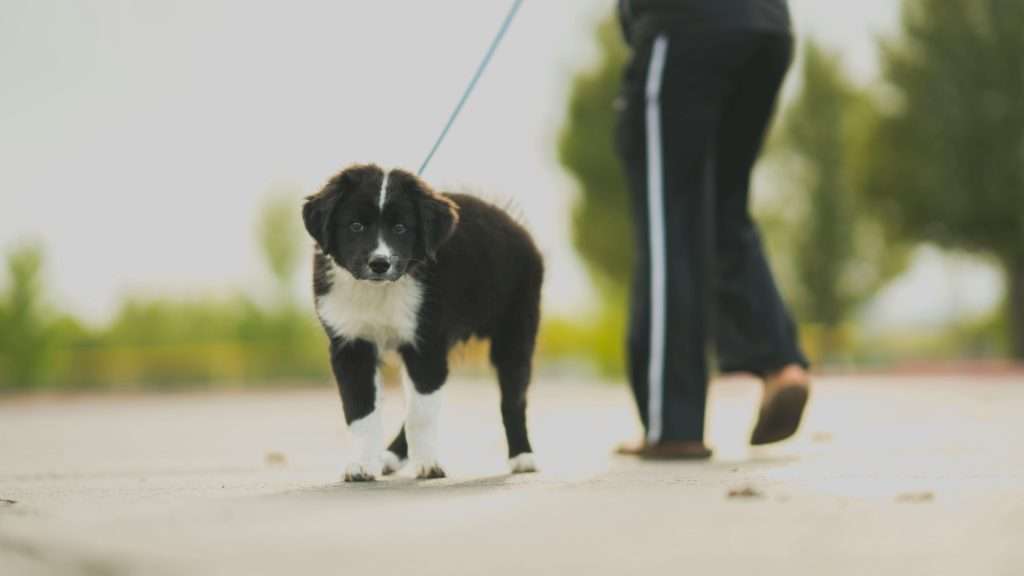
One of the most common mistakes pet owners make when exercising an overweight dog is doing too much too soon. Just as humans shouldn’t jump from being sedentary to running marathons, your dog needs time to build strength and endurance. Begin with short, manageable exercise sessions that don’t overtax your pet’s current fitness level. A good starting point is three five-minute walks daily, gradually increasing the duration as your dog’s stamina improves.
During these initial walks, pay close attention to your dog’s breathing and energy levels. If they’re panting heavily or struggling to keep up, slow down or take a break. Remember, consistency is more important than intensity when beginning an exercise routine with an overweight dog.
Tip 2: Establish a Daily Walking Schedule
Walking is the cornerstone of any exercise program for an overweight dog. Creating a consistent walking schedule helps establish routine and ensures regular exercise happens daily. Start with morning and evening walks when temperatures are cooler, particularly during summer months. These walks should initially be short but frequent, gradually building up to longer durations.
As your dog’s fitness improves, aim for 30-45 minutes of total walking time daily, split into multiple sessions if needed. Keep the pace steady but comfortable, allowing your dog to sniff and explore while maintaining continuous movement. This not only provides physical exercise but also mental stimulation, which is equally important for your pet’s overall well-being.
Tip 3: Incorporate Indoor Exercise Activities
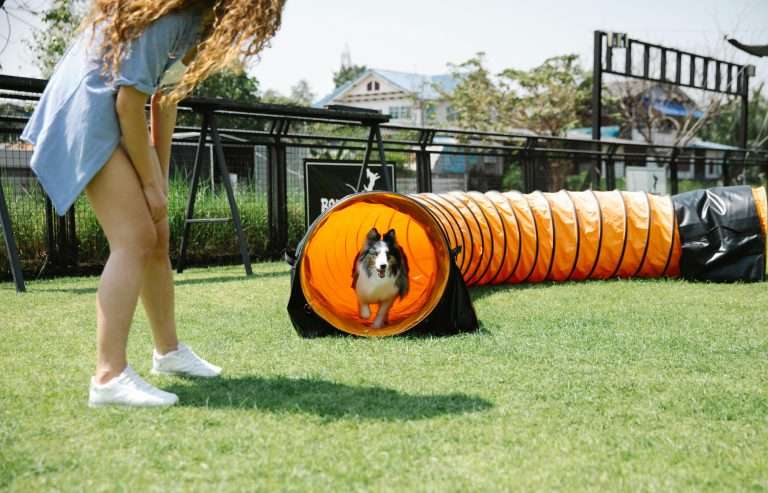
Weather shouldn’t derail your overweight dog’s exercise routine. Indoor activities can be equally effective and sometimes more engaging than outdoor walks. Create an indoor obstacle course using household items, encouraging your dog to weave between chair legs or step over low barriers. This helps improve coordination and builds strength while being gentle on joints.
Indoor fetch games using soft toys can provide excellent exercise in a controlled environment. If you have stairs and your veterinarian approves, supervised stair climbing can be an effective workout. However, be cautious with this activity as it can strain joints in severely overweight dogs.
Tip 4: Explore Water-Based Exercises
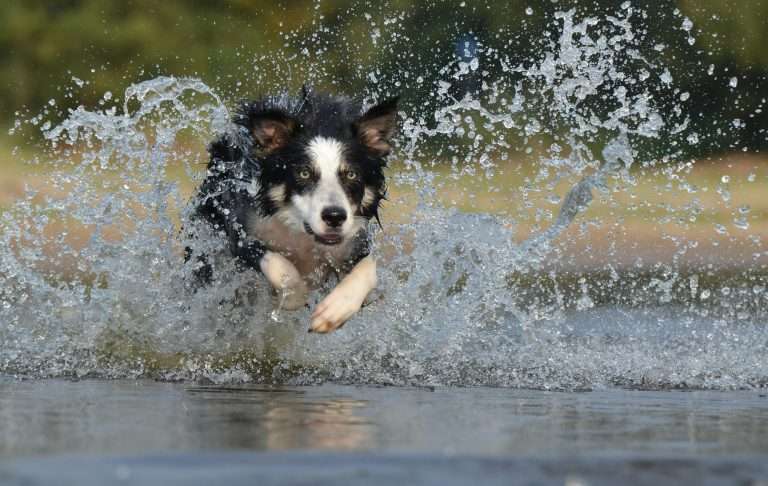
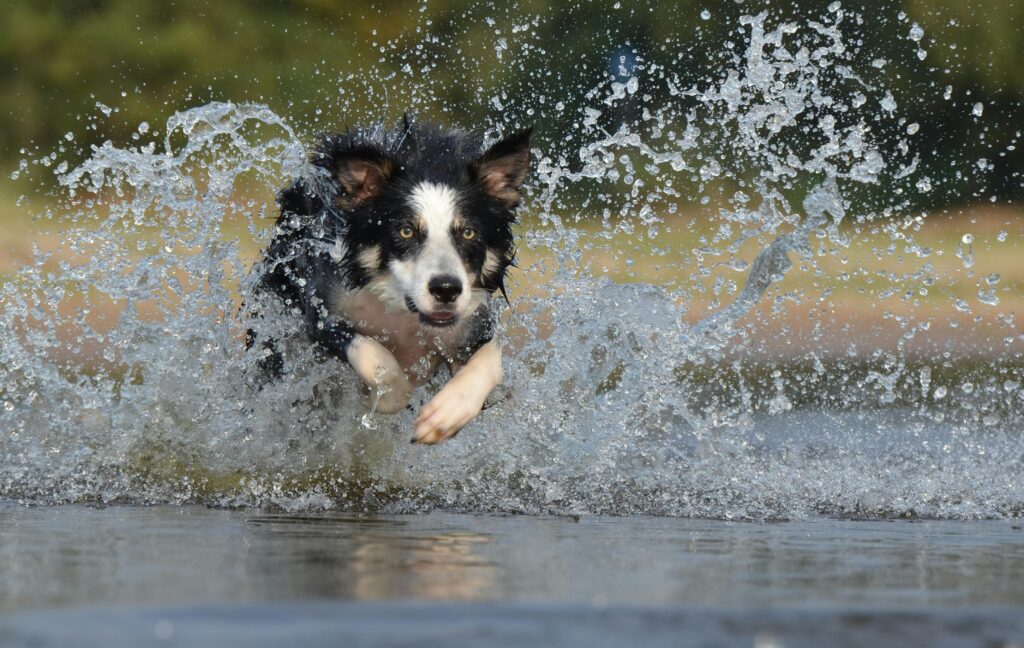
Swimming and water-based activities offer exceptional benefits for overweight dogs. The buoyancy of water reduces stress on joints while providing resistance for muscle building. Many rehabilitation centers and pet facilities offer supervised swimming sessions or underwater treadmill therapy specifically designed for overweight dogs.
If you have access to safe swimming areas, introduce your dog to water gradually, always using a properly fitted doggy life jacket. Even shallow-water walking can provide excellent low-impact exercise. The resistance of water makes muscles work harder while protecting joints from the impact of regular walking or running.
Tip 5: Engage in Interactive Play Sessions
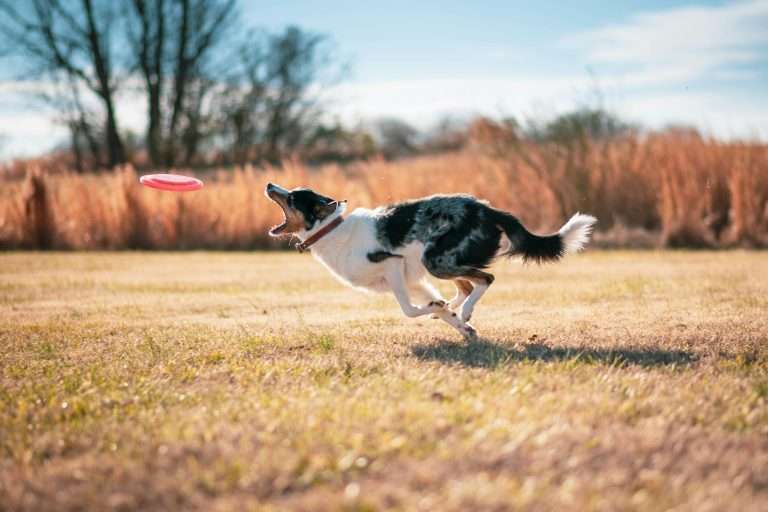
Mental stimulation combined with physical activity creates the perfect exercise scenario for an overweight dog. Interactive play sessions not only burn calories but also strengthen the bond between you and your pet. Use puzzle toys that require movement to release treats, or create scent-based games that encourage your dog to move around searching for hidden healthy rewards.
Training sessions can also double as exercise periods. Practice basic commands while moving, incorporating sits, stays, and recalls into your daily walks. This mental engagement often makes physical exercise feel less like work and more like play for your overweight dog.
Tip 6: Introduce Social Exercise Activities
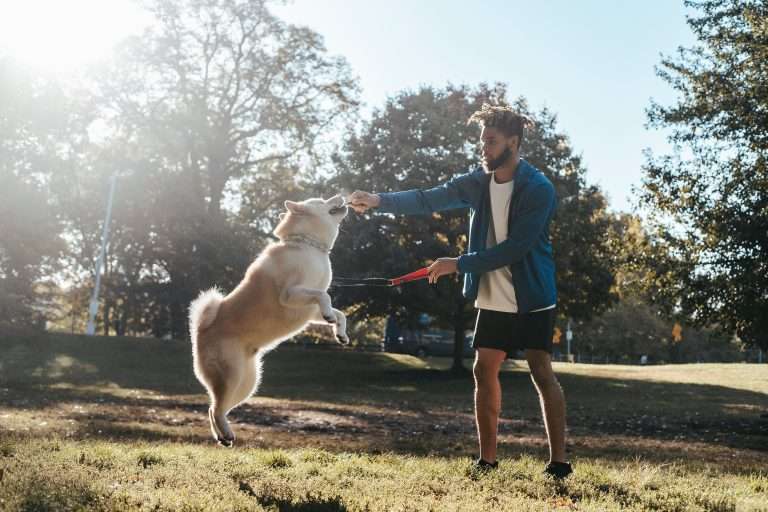
Socializing can transform exercise from a chore into an enjoyable activity for your overweight dog. Once your pet has established basic fitness levels, consider arranging playdates with compatible dogs. This peer interaction naturally encourages movement and play, often resulting in more exercise than solo activities would provide.
Look for structured group activities designed specifically for overweight dogs in your area. Many pet facilities offer weight management classes or supervised play groups where dogs of similar size and fitness levels can exercise together safely.
Tip 7: Monitor Progress and Make Adjustments
Tracking your overweight dog’s progress helps maintain motivation and ensures the exercise program remains effective. Keep a detailed log of daily activities, including duration, intensity, and your dog’s response to different exercises. Regular weigh-ins, ideally every two weeks, help monitor weight loss progress.
Take note of improvements in energy levels, mobility, and breathing during exercise. These changes often appear before significant weight loss becomes visible. Be prepared to adjust the exercise routine as your dog’s fitness improves, gradually increasing duration and intensity while always maintaining safety as the top priority.
Related reads:
10 Indoor Exercises for Dogs During Bad Weather
Safety Considerations and Warning Signs

When exercising an overweight dog, safety must always come first. Watch for signs of fatigue or distress during activity, including excessive panting, drooling, or reluctance to continue. Exercise during cooler parts of the day to prevent overheating, and always have fresh water available.
Pay attention to your dog’s paw pads, especially when beginning a new exercise routine. Gradually build up tolerance to different walking surfaces, and consider protective booties if needed. If your dog shows any signs of lameness or discomfort, consult your veterinarian before continuing the exercise program.
Saying Goodbye
Helping your overweight dog achieve a healthy weight through exercise requires patience, dedication, and a well-planned approach. Remember that every dog is unique, and what works for one may not work for another. The key is finding activities that both you and your pet enjoy while maintaining consistency in your exercise routine.
By implementing these seven exercise tips and maintaining regular veterinary consultation, you can help your overweight dog journey toward better health and improved quality of life. The benefits extend far beyond weight loss, including better mobility, increased energy, improved mental well-being, and a stronger bond between you and your beloved pet.
Start today with small, manageable changes, and gradually build toward a more active lifestyle for your overweight dog. The journey to a healthier weight may take time, but the rewards of seeing your pet become more energetic, mobile, and happy make every effort worthwhile.
![How Much Exercise Does a Dog Need Every Day? [2024]](https://100dogbreeds.com/wp-content/uploads/2024/06/how-much-exercise-does-a-dog-need-everyday-768x530.jpg)